Vinayak Chaturvedi - Böcker
Visar alla böcker från författaren Vinayak Chaturvedi. Handla med fri frakt och snabb leverans.
6 produkter
6 produkter
292 kr
Skickas inom 7-10 vardagar
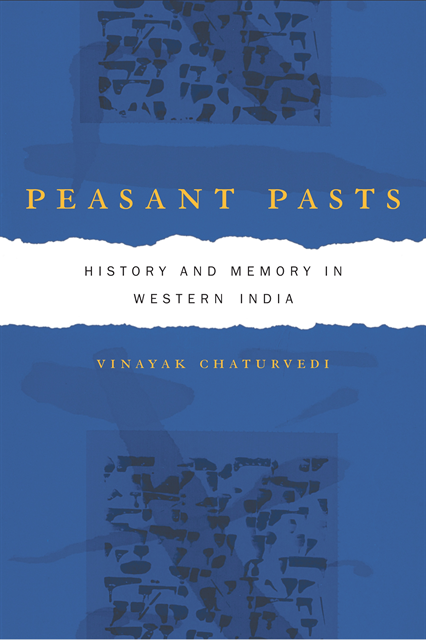
"Peasant Pasts" is an innovative, interdisciplinary approach to writing histories of peasant politics, nationalism, and colonialism. Vinayak Chaturvedi's analysis provides an important intervention in the social and cultural history of India by examining the nature of peasant discourses and practices during the nineteenth and twentieth centuries. Through rigorous archival study and fieldwork, Chaturvedi shows that peasants in Gujarat were active in the production and circulation of political ideas, establishing critiques of the state and society while promoting complex understandings of political community. By turning to the heartland of M.K. Gandhi's support, Chaturvedi shows that the vast majority of peasants were opposed to nationalism in the early decades of the twentieth century. He argues that nationalists in Gujarat established power through the use of coercion and violence, as they imagined a nation in which they could dominate social relations. Chaturvedi suggests that this littletold story is necessary to understand not only anticolonial nationalism but the direction of postcolonial nationalism as well.
645 kr
Skickas inom 3-6 vardagar
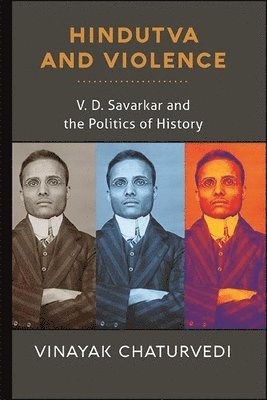
Examines the place of history in the political thought of Vinayak Damodar Savarkar, one of the key architects of modern Hindu nationalism.Hindutva and Violence explores the place of history in the political thought of Vinayak Damodar Savarkar (1883–1966), the most controversial Indian political thinker of the twentieth century and a key architect of Hindu nationalism. Examining his central claim that "Hindutva is not a word but a history," the book argues that, for Savarkar, this history was not a total history, a complete history, or a narrative history. Rather, its purpose was to trace key historical events to a powerful source-the font of motivation for "chief actors" of the past who had turned to violence in a permanent war for Hindutva as the founding principle of a Hindu nation. At the center of Savarkar's writings are historical characters who not only participated in ethical warfare against invaders, imperialists, and conquerors in India, but also became Hindus in acts of violence. He argues that the discipline of history provides the only method for interpreting Hindutva.The book also shows how Savarkar developed his conceptualization of history as a way into the meaning of Hindutva. Savarkar wrote extensively, from analyses of the nineteenth century to studies of antiquity, to draw up his histories of Hindus. He also turned to a wide range of works, from the epic tradition to contemporary social theory and world history, as his way of explicating "Hindutva" and "history." By examining Savarkar's key writings on history, historical methodology, and historiography, Vinayak Chaturvedi provides an interpretation of the philosophical underpinnings of Hindutva. Savarkar's interpretation of Hindutva, he demonstrates, requires above all grappling with his idea of history.
1 545 kr
Skickas inom 3-6 vardagar
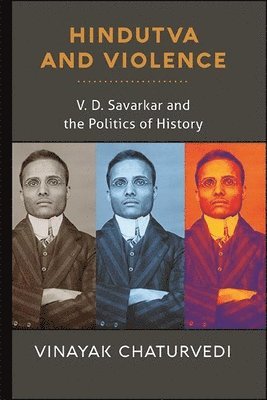
Examines the place of history in the political thought of Vinayak Damodar Savarkar, one of the key architects of modern Hindu nationalism.Hindutva and Violence explores the place of history in the political thought of Vinayak Damodar Savarkar (1883–1966), the most controversial Indian political thinker of the twentieth century and a key architect of Hindu nationalism. Examining his central claim that "Hindutva is not a word but a history," the book argues that, for Savarkar, this history was not a total history, a complete history, or a narrative history. Rather, its purpose was to trace key historical events to a powerful source-the font of motivation for "chief actors" of the past who had turned to violence in a permanent war for Hindutva as the founding principle of a Hindu nation. At the center of Savarkar's writings are historical characters who not only participated in ethical warfare against invaders, imperialists, and conquerors in India, but also became Hindus in acts of violence. He argues that the discipline of history provides the only method for interpreting Hindutva.The book also shows how Savarkar developed his conceptualization of history as a way into the meaning of Hindutva. Savarkar wrote extensively, from analyses of the nineteenth century to studies of antiquity, to draw up his histories of Hindus. He also turned to a wide range of works, from the epic tradition to contemporary social theory and world history, as his way of explicating "Hindutva" and "history." By examining Savarkar's key writings on history, historical methodology, and historiography, Vinayak Chaturvedi provides an interpretation of the philosophical underpinnings of Hindutva. Savarkar's interpretation of Hindutva, he demonstrates, requires above all grappling with his idea of history.
420 kr
Skickas inom 3-6 vardagar
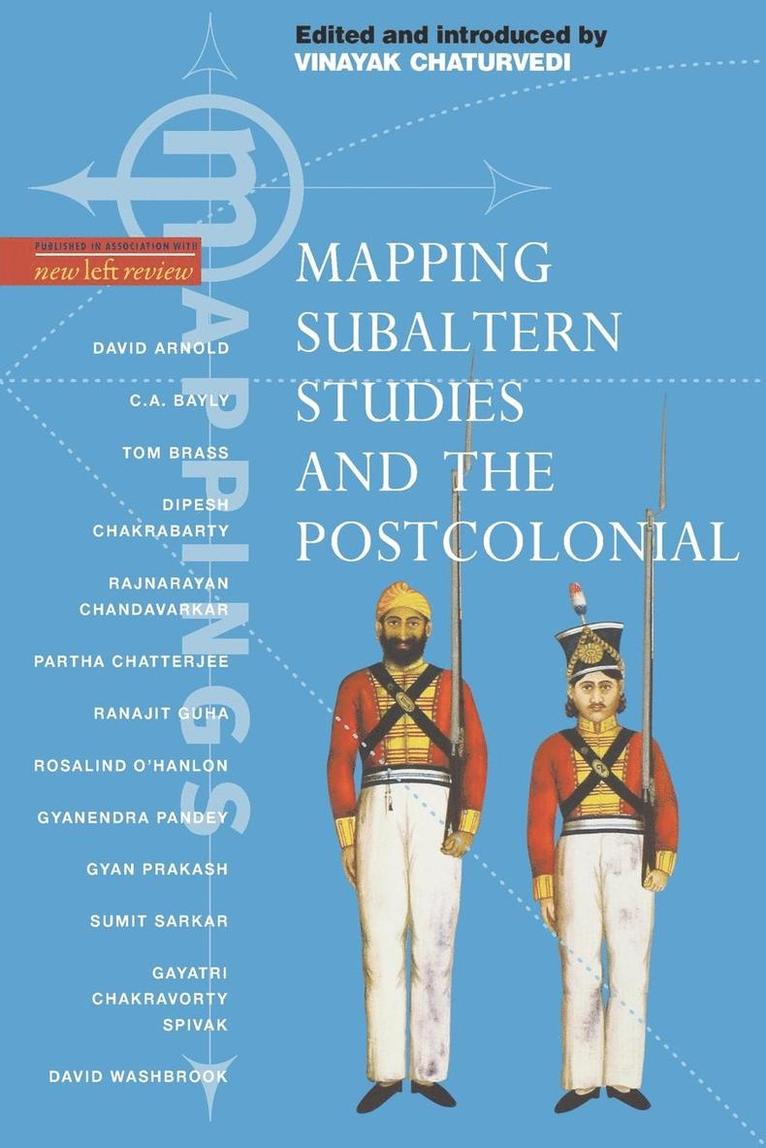
Inspired by Antonio Gramsci's writings on the history of subaltern classes, the authors in Mapping Subaltern Studies and the Postcolonial sought to contest the elite histories of Indian nationalists by adopting the paradigm of 'history from below'. Later on, the project shifted from its social history origins by drawing upon an eclectic group of thinkers that included Edward Said, Roland Barthes, Michel Foucault, and Jacques Derrida. This book provides a comprehensive balance sheet of the project and its developments, including Ranajit Guha's original subaltern studies manifesto, Partha Chatterjee, Dipesh Chakrabarty and Gayatri Spivak.
462 kr
Skickas inom 5-8 vardagar
211 kr
Skickas inom 7-10 vardagar