W. Ickes – författare
Visar alla böcker från författaren W. Ickes. Handla med fri frakt och snabb leverans.
4 produkter
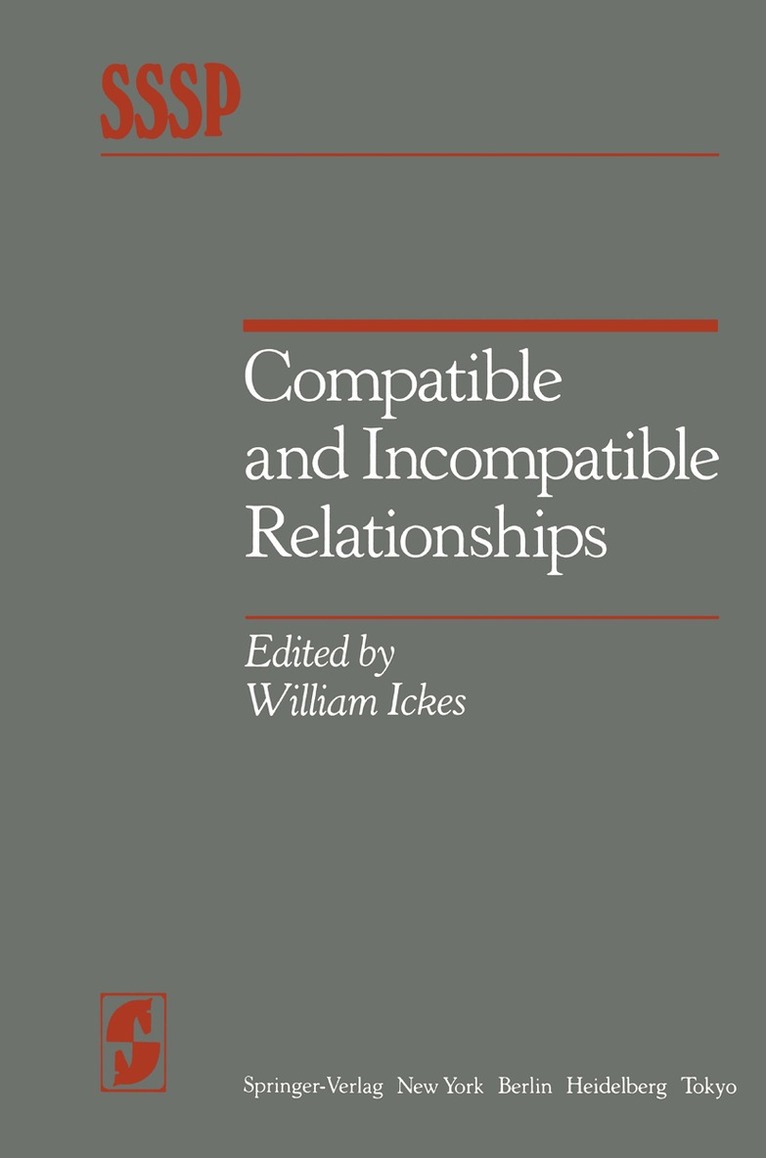
Compatible and Incompatible Relationships
Av W. Ickes
E-bok, 2012
755 kr
Lägg i varukorg
Several years ago, two of my colleagues and I had the opportunity to interview Fritz Heider-perhaps the most influential theorist in the field of social psychology (Harvey, Ickes, & Kidd, 1976). During our interview, Heider affirmed a belief that had guided his career since the 1920s, the belief …
Compatible and Incompatible Relationships
Av W. Ickes
Häftad, 2012
566 kr
Lägg i varukorg
Several years ago, two of my colleagues and I had the opportunity to interview Fritz Heider-perhaps the most influential theorist in the field of social psychology (Harvey, Ickes, & Kidd, 1976). During our interview, Heider affirmed a belief that had guided his career since the 1920s, the belief …
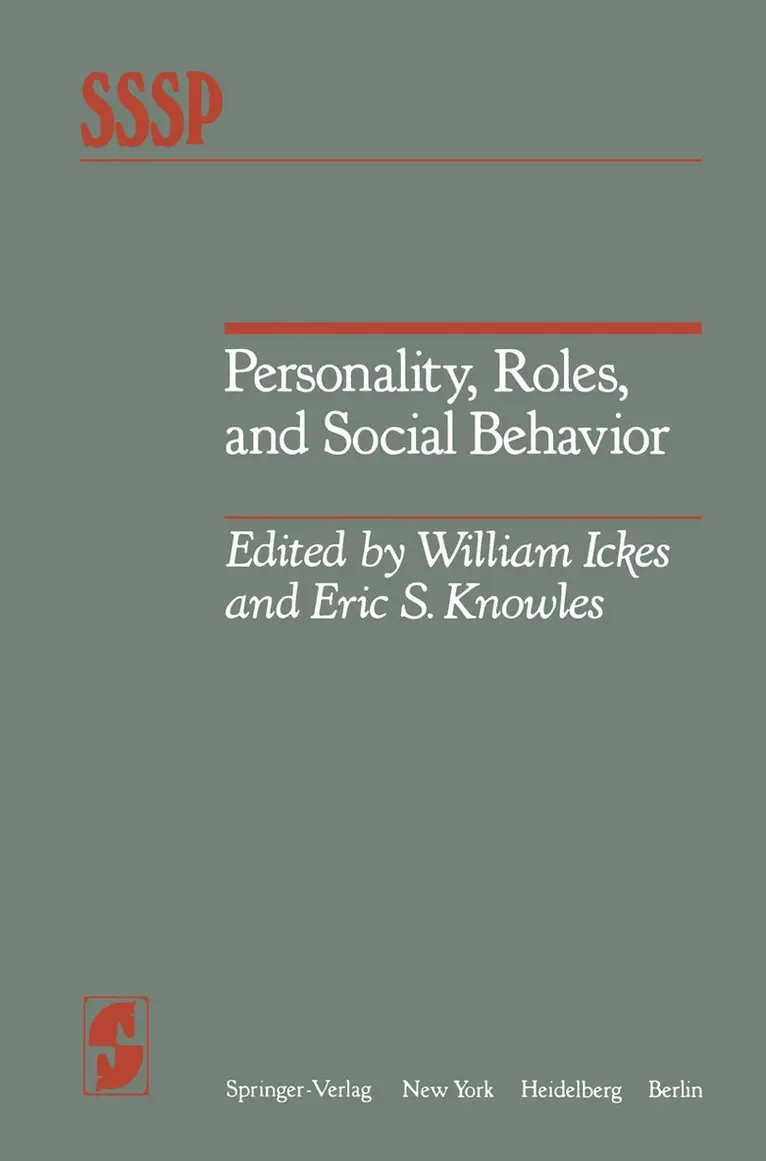
Personality, Roles, and Social Behavior
Av E.S. Knowles, W. Ickes
E-bok, 2012
713 kr
Lägg i varukorg
Personality and Roles: Sources of Regularities in Social Behavior For behavioral scientists, whether they identify primarily with the science of psychology or with that of sociology, there may be no challenge greater than that of discovering regularities and consistencies in social behavior. After …
Personality, Roles, and Social Behavior
Av W. Ickes, E.S. Knowles
Häftad, 2011
535 kr
Lägg i varukorg
Personality and Roles: Sources of Regularities in Social Behavior For behavioral scientists, whether they identify primarily with the science of psychology or with that of sociology, there may be no challenge greater than that of discovering regularities and consistencies in social behavior. After …