Walter E. Little - Böcker
Visar alla böcker från författaren Walter E. Little. Handla med fri frakt och snabb leverans.
7 produkter
7 produkter
336 kr
Skickas inom 7-10 vardagar
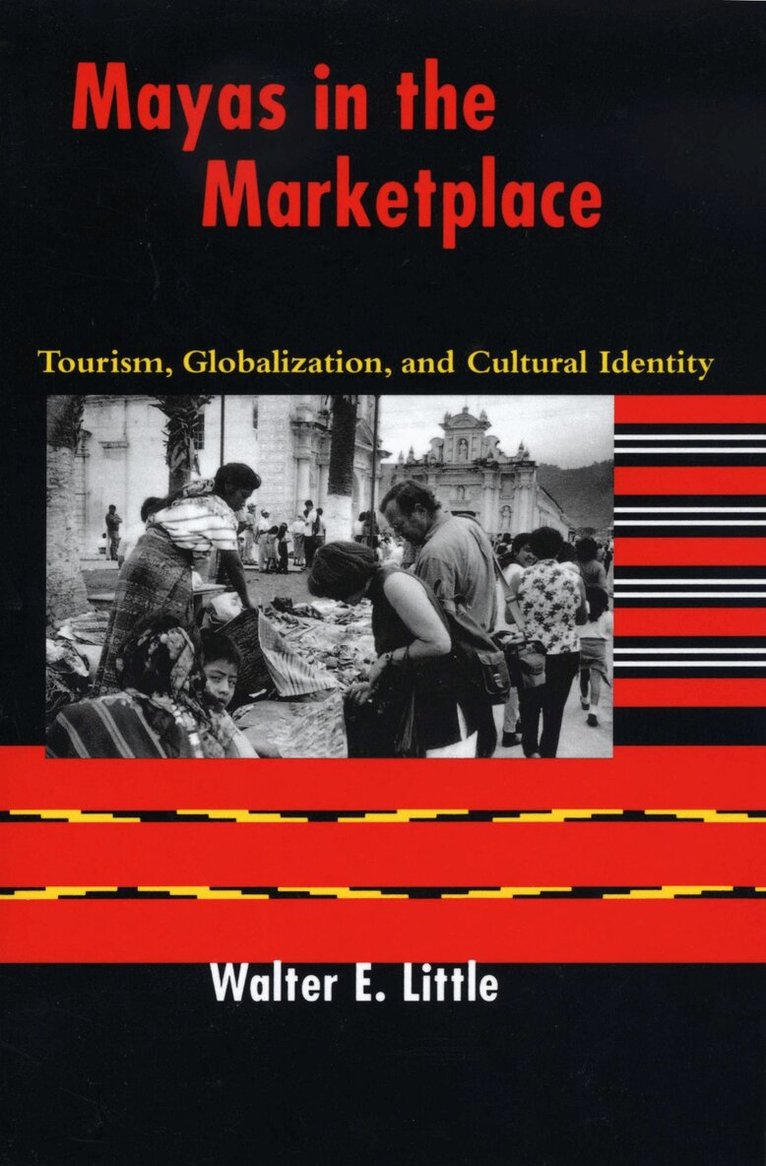
2005 — Best Book Award – New England Council of Latin American StudiesSelling handicrafts to tourists has brought the Maya peoples of Guatemala into the world market. Vendors from rural communities now offer their wares to more than 500,000 international tourists annually in the marketplaces of larger cities such as Antigua, Guatemala City, Panajachel, and Chichicastenango. Like businesspeople anywhere, Maya artisans analyze the desires and needs of their customers and shape their products to meet the demands of the market. But how has adapting to the global marketplace reciprocally shaped the identity and cultural practices of the Maya peoples? Drawing on over a decade of fieldwork, Walter Little presents the first ethnographic study of Maya handicraft vendors in the international marketplace. Focusing on Kaqchikel Mayas who commute to Antigua to sell their goods, he explores three significant issues: how the tourist marketplace conflates global and local distinctions. how the marketplace becomes a border zone where national and international, developed and underdeveloped, and indigenous and non-indigenous come together. how marketing to tourists changes social roles, gender relationships, and ethnic identity in the vendors' home communities. Little's wide-ranging research challenges our current understanding of tourism's negative impact on indigenous communities. He demonstrates that the Maya are maintaining a specific, community-based sense of Maya identity, even as they commodify their culture for tourist consumption in the world market.
454 kr
Skickas inom 7-10 vardagar
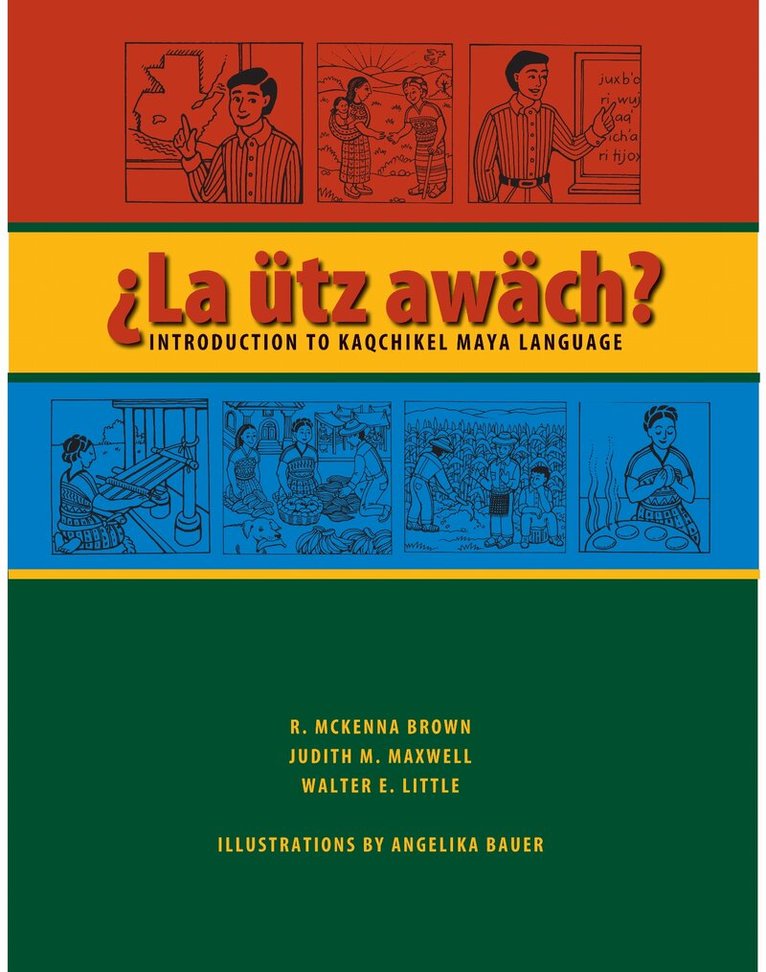
Kaqchikel is one of approximately thirty Mayan languages spoken in Belize, Guatemala, Mexico, and, increasingly, the United States. Of the twenty-two Mayan languages spoken in Guatemala, Kaqchikel is one of the four "mayoritarios," those with the largest number of speakers. About half a million people living in the central highlands between Guatemala City and Lake Atitlán speak Kaqchikel. And because native Kaqchikel speakers are prominent in the field of Mayan linguistics, as well as in Mayan cultural activism generally, Kaqchikel has been adopted as a Mayan lingua franca in some circles.This innovative language-learning guide is designed to help students, scholars, and professionals in many fields who work with Kaqchikel speakers, in both Guatemala and the United States, quickly develop basic communication skills. The book will familiarize learners with the words, phrases, and structures used in daily communications, presented in as natural a way as possible, and in a logical sequence. Six chapters introduce the language in context (greetings, the classroom, people, the family, food, and life) followed by exercises and short essays on aspects of Kaqchikel life. A grammar summary provides in-depth linguistic analysis of Kaqchikel, and a glossary supports vocabulary learning from both Kaqchikel to English and English to Kaqchikel. These resources, along with sound files and other media on the Internet at ekaq.stonecenter.tulane.edu, will allow learners to develop proficiency in all five major language skills-listening comprehension, speaking, reading, writing, and sociocultural understanding.
1 572 kr
Skickas inom 10-15 vardagar
Textiles have been a highly valued and central part of the politics of human societies across culture divides and over millennia. The economy of textiles provides insight into the fabric of social relations, local and global politics, and diverse ideologies. Textiles are a material element of society that fosters the study of continuities and disjunctions in the economic and social realities of past and present societies. From stick-loom weaving to transnational factories, the production of cloth and its transformation into clothing and other woven goods offers a way to study the linkages between economics and politics. The volume is oriented around a number of themes: textile production, textiles as trade goods, textiles as symbols, textiles in tourism, and textiles in the transnational processes. Textile Economies appeals to a broad range of scholars interested in the intersection of material culture, political economy, and globalization, such as archaeologists, cultural anthropologists, economists, museum curators, and historians.
1 515 kr
Kommande
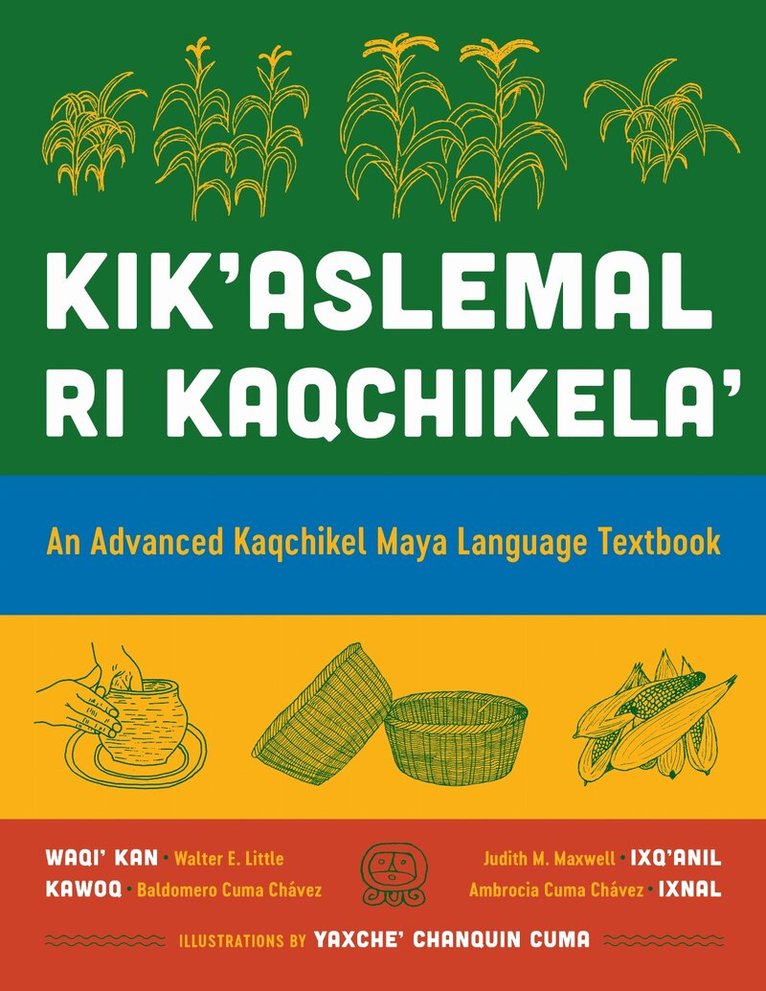
An advanced Kaqchikel textbook that blends language learning with Maya culture.About half a million Maya in the highlands of Guatemala speak Kaqchikel, making it one of the most widely used Mayan languages. Kik’aslemal ri Kaqchikela’ offers guidance for advanced students. Unlike many language textbooks, it is designed with not only fluency but also cultural competency in mind.Inspired by conversations with native speakers, Kaqchikel teachers, and anthropologists focused on Maya communities, Kik’aslemal ri Kaqchikela’ supports language learning through readings on topics important to speakers in Guatemala, including Maya’ Nimab’äl K’u’x (Maya cosmology); Ri Tiko’n (agriculture); Yab’il rik’in Aq’om (disease and medicine); Samaj pa Jay, pa Tinamït (work at home and in town); and more. Chapters present readings on each theme, alongside worksheets, discussion questions framed around Maya history and culture, and a contextualizing essay in English. A Kaqchikel/Spanish/English glossary, extensive grammar appendix, and English translations of the readings support learning. The result is not the usual explanation of language mechanics but instead a nuanced lesson in communication across porous boundaries of cultural difference.
445 kr
Kommande
An advanced Kaqchikel textbook that blends language learning with Maya culture.About half a million Maya in the highlands of Guatemala speak Kaqchikel, making it one of the most widely used Mayan languages. Kik’aslemal ri Kaqchikela’ offers guidance for advanced students. Unlike many language textbooks, it is designed with not only fluency but also cultural competency in mind.Inspired by conversations with native speakers, Kaqchikel teachers, and anthropologists focused on Maya communities, Kik’aslemal ri Kaqchikela’ supports language learning through readings on topics important to speakers in Guatemala, including Maya’ Nimab’äl K’u’x (Maya cosmology); Ri Tiko’n (agriculture); Yab’il rik’in Aq’om (disease and medicine); Samaj pa Jay, pa Tinamït (work at home and in town); and more. Chapters present readings on each theme, alongside worksheets, discussion questions framed around Maya history and culture, and a contextualizing essay in English. A Kaqchikel/Spanish/English glossary, extensive grammar appendix, and English translations of the readings support learning. The result is not the usual explanation of language mechanics but instead a nuanced lesson in communication across porous boundaries of cultural difference.
1 142 kr
Skickas inom 10-15 vardagar
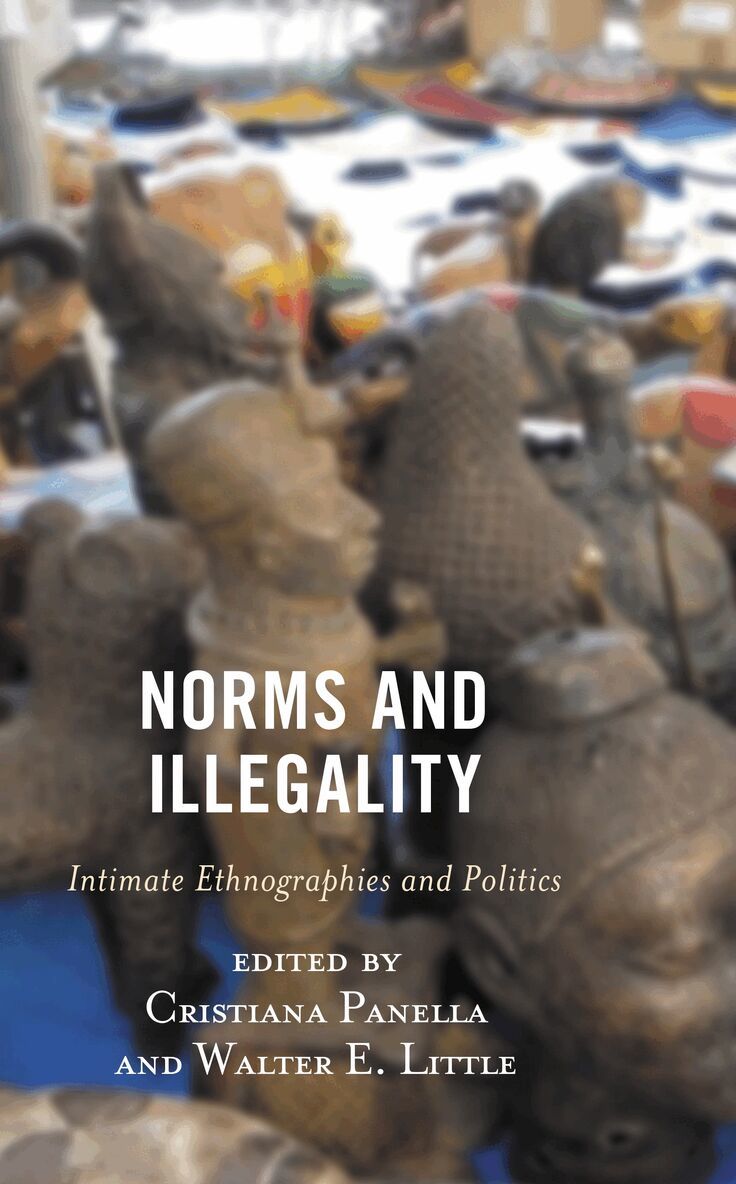
Norms and Illegality: Intimate Ethnographies and Politics explores liminal and illegal practices in relation to political control and cultural normativity. The contributors draw on years of ethnographic experiences in Greece, Guatemala, Hong Kong, Italy, Madagascar, Mali, Philippines, and Thailand to study the contradictions of what is legal and illegal. They explore the production of illegal subjects by the state, the creation of illegal and normative values by liminal and illegal actors, and the mutual entanglements of legal and illegal in the public domains of markets and trade networks. This volume shows that criminalization policies are not necessarily oriented toward erasing crime. Instead, the contributors maintain that opaque spaces ensure the efficacy of control and outwardly conform to the rhetoric and ethics of global neoliberalism. Within these contexts, the contributors shed light on moral economies and frames of value entailed in systems of representation that have been set up by individuals who are deemed illegal, liminal, or deviant in their confrontations with the state. This book is recommended for students and scholars of anthropology, political science, and urban studies.
665 kr
Skickas inom 3-6 vardagar
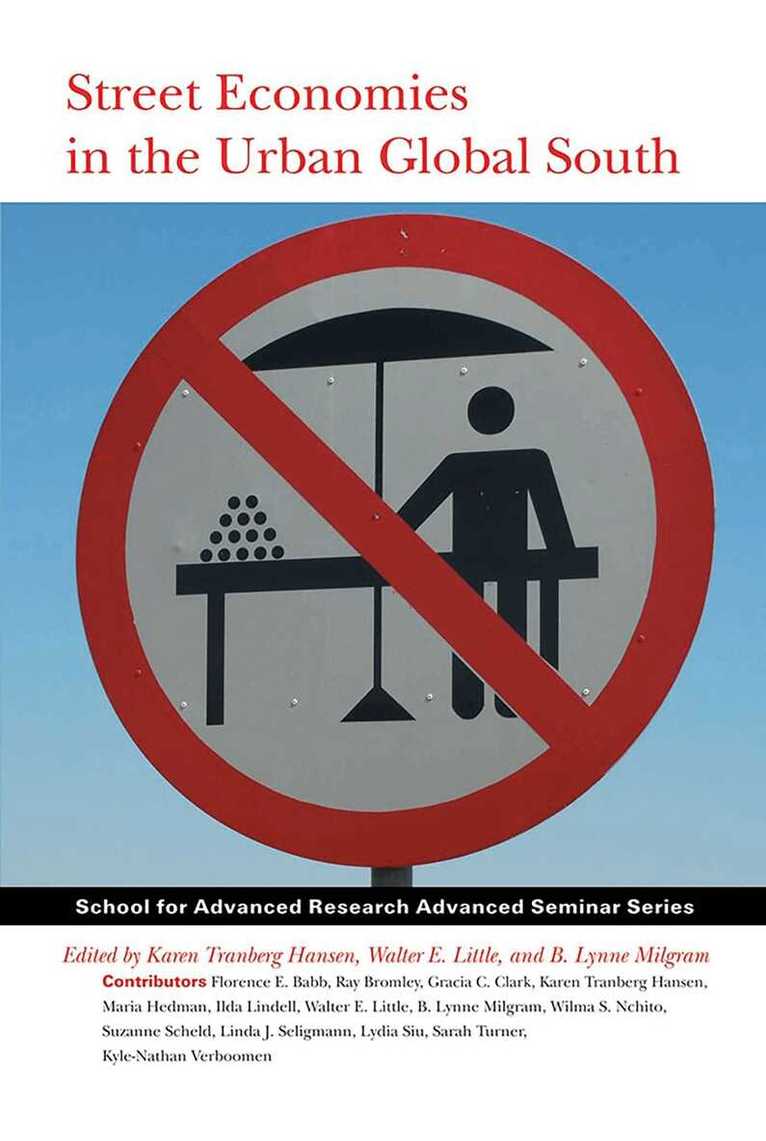
This book focuses on the economic, political, social, and cultural dynamics of street economies across the urban Global South. Although contestations over public space have a long history, Street Economies in the Urban Global South presents the argument that the recent conjuncture of neoliberal economic policies and unprecedented urban growth in the Global South has changed the equation. The detailed ethnographic accounts from postsocialist Vietnam to a struggling democracy in the Philippines, from the former command economies in Africa to previously authoritarian regimes in Latin America, focus on the experiences of often marginalised street workers who describe their projects and plans. The contributors to Street Economies in the Urban Global South highlight individual and collective resistance by street vendors to overcome numerous processes that exacerbate the marginality and disempowerment of street economy work.