Walter Licht - Böcker
Visar alla böcker från författaren Walter Licht. Handla med fri frakt och snabb leverans.
5 produkter
5 produkter
984 kr
Skickas inom 3-6 vardagar
Walter Licht chronicles the working and personal lives of the first two generations of American railwaymen, the first workers in America to enter large-scale, bureaucratically managed, corporately owned work organizations. Originally published in 1983. The Princeton Legacy Library uses the latest print-on-demand technology to again make available previously out-of-print books from the distinguished backlist of Princeton University Press. These editions preserve the original texts of these important books while presenting them in durable paperback and hardcover editions. The goal of the Princeton Legacy Library is to vastly increase access to the rich scholarly heritage found in the thousands of books published by Princeton University Press since its founding in 1905.
2 486 kr
Skickas inom 3-6 vardagar
Walter Licht chronicles the working and personal lives of the first two generations of American railwaymen, the first workers in America to enter large-scale, bureaucratically managed, corporately owned work organizations. Originally published in 1983. The Princeton Legacy Library uses the latest print-on-demand technology to again make available previously out-of-print books from the distinguished backlist of Princeton University Press. These editions preserve the original texts of these important books while presenting them in durable paperback and hardcover editions. The goal of the Princeton Legacy Library is to vastly increase access to the rich scholarly heritage found in the thousands of books published by Princeton University Press since its founding in 1905.
277 kr
Skickas inom 7-10 vardagar
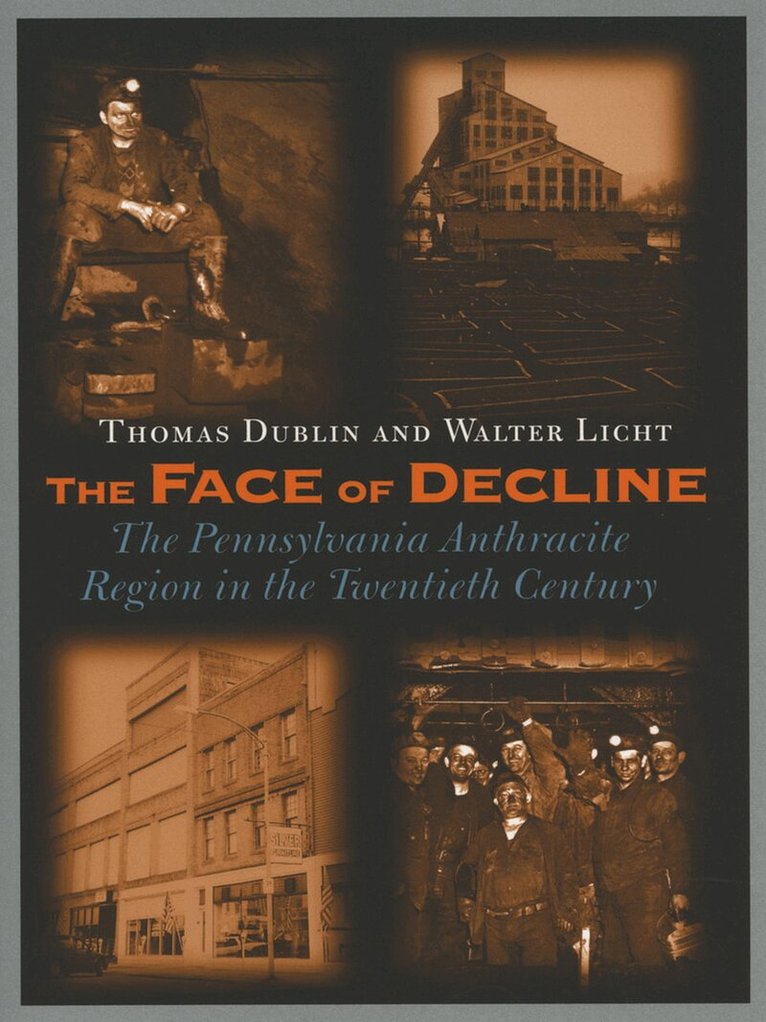
The anthracite coal region of Pennsylvania once prospered. Today, very little mining or industry remains, although residents have made valiant efforts to restore the fabric of their communities. In The Face of Decline, the noted historians Thomas Dublin and Walter Licht offer a sweeping history of this area over the course of the twentieth century. Combining business, labor, social, political, and environmental history, Dublin and Licht delve into coal communities to explore grassroots ethnic life and labor activism, economic revitalization, and the varied impact of economic decline across generations of mining families.The Face of Decline also features the responses to economic crisis of organized capital and labor, local business elites, redevelopment agencies, and state and federal governments. Dublin and Licht draw on a remarkable range of sources: oral histories and survey questionnaires; documentary photographs; the records of coal companies, local governments, and industrial development corporations; federal censuses; and community newspapers. The authors examine the impact of enduring economic decline across a wide region but focus especially on a small group of mining communities in the region's Panther Valley, from Jim Thorpe through Lansford to Tamaqua. The authors also place the anthracite region within a broader conceptual framework, comparing anthracite's decline to parallel developments in European coal basins and Appalachia and to deindustrialization in the United States more generally.
454 kr
Skickas inom 5-8 vardagar
Previous books on the industrialization of America have focused either on the industrial revolution in the first half of the nineteenth century or on the rise of big industry in the second. In this groundbreaking study Licht provides a new perspective by focusing on industrialization first as a product and then as an agent of change. As population expansion and greater market activity fueled manufacture, he explains, industrialization led to greater social and economic developments as well as crises that required a more administered political economic order.
377 kr
Skickas inom 10-15 vardagar
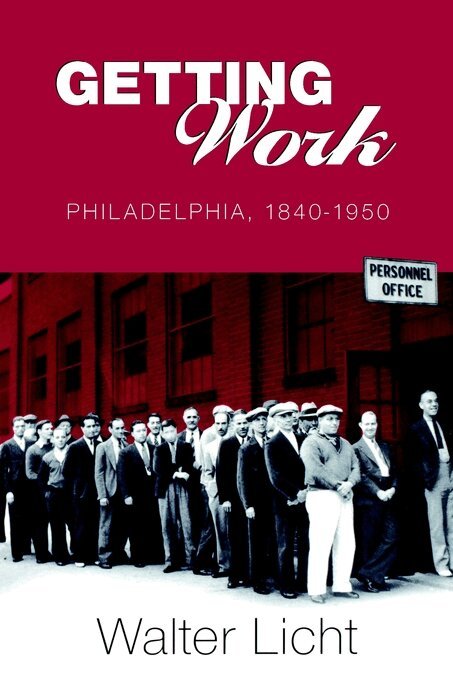
How did working people find jobs in the past? How has the process changed over time for various groups of job seekers? Are outcomes influenced more by general economic circumstances, by discriminatory practices in the labor market, or by personal initiative and competence?To tackle these questions, Walter Licht uses intensive primary-source research-including surveys of thousands of workers conducted in the decades from the 1920s to the 1950s-on a major industrial city for a period of over one hundred years. He looks at when and how workers secured their first jobs, schools and work, apprenticeship programs, unions, the role of firms in structuring work opportunities, the state as employer and as shaper of employment conditions, and the problem of losing work. Licht also examines the disparate labor market experiences of men and women and the effects of race, ethnicity, age, and social standing on employment.