• Fri frakt över 249 kr
  • •
  • Snabba leveranser
  • •
  • Billiga böcker
Kundservice

Du är på sajten för privatpersoner.

Företag, bibliotek eller offentlig verksamhet?

Du handlar på classic.bokus.com, där alla dina funktioner finns intakta.
Till classic.bokus.com
Bokus logotyp. Gå till startsidan.
  • Erbjudanden
  • Nyheter
  • Student
  • Topplistor
  • Barn & ungdom
  • Bokus Play
  • E-böcker
  • Pocketböcker
  • Spel & pussel

10% rabatt på allt med kod NYSTART10 →

Sidfot

Mina sidor

    Hjälp

    • Kundservice
    • Vanliga frågor och svar
    • Frakt och leverans
    • Retur vid ångerrätt
    • Reklamera vara
    • Betalning
    • Köpvillkor
    • Allmänna villkor
    • Information om webbplatsens tillgänglighet

    Om Bokus

    • Om oss
    • Pressrum
    • För studenter
    • För företag
    • För bibliotek och offentlig verksamhet
    • För leverantörer
    • Hållbarhet

    Populärt

    • Aktuella erbjudanden
    • Presentkort
    • Studentlitteratur
    • Nya böcker
    • Topplistor
    • Signerade böcker
    • Engelska böcker

    Inspiration

    • Boktips
    • BookTok
    • Populära bokserier
    • Barnbokskaraktärer
    • Populära författare
    Logotyp för Bokus
    Följ oss på Facebook (extern länk)Följ oss på Instagram (extern länk)Följ oss på YouTube (extern länk)Följ oss på TikTok (extern länk)
    bokus @ CookiesAnpassa cookiesIntegritetspolicyKöpvillkor
    Till Citymail hemsida (extern länk)Till Budbee hemsida (extern länk)Till Postnord hemsida (extern länk)Till Schenker hemsida (extern länk)Till Early Bird hemsida (extern länk)Till Walleys hemsida (extern länk)
    1. Ekonomi och Ledarskap
    2. Nationalekonomi
    3. Mikroekonomi

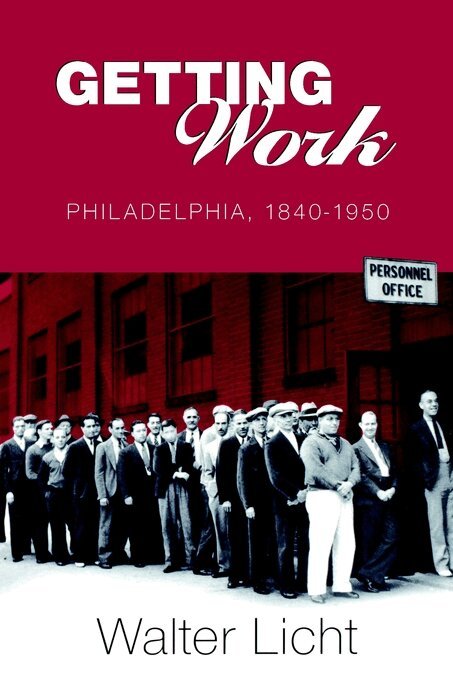
    Getting Work

    Philadelphia, 184-195

    AvWalter Licht

    Häftad, Engelska, 2000

    Del i serien Pennsylvania Paperbacks

    393 kr

    Beställningsvara. Skickas inom 10-15 vardagar. Fri frakt över 249 kr.

    Beskrivning

    How did working people find jobs in the past? How has the process changed over time for various groups of job seekers? Are outcomes influenced more by general economic circumstances, by discriminatory practices in the labor market, or by personal initiative and competence?To tackle these questions, Walter Licht uses intensive primary-source research-including surveys of thousands of workers conducted in the decades from the 1920s to the 1950s-on a major industrial city for a period of over one hundred years. He looks at when and how workers secured their first jobs, schools and work, apprenticeship programs, unions, the role of firms in structuring work opportunities, the state as employer and as shaper of employment conditions, and the problem of losing work. Licht also examines the disparate labor market experiences of men and women and the effects of race, ethnicity, age, and social standing on employment.

    Produktinformation

    • Utgivningsdatum:2000-02-14
    • Mått:152 x 235 x 25 mm
    • Vikt:513 g
    • Format:Häftad
    • Språk:Engelska
    • Serie:Pennsylvania Paperbacks
    • Antal sidor:336
    • Förlag:University of Pennsylvania Press
    • ISBN:9780812217193

    Utforska kategorier

    • Mikroekonomi inom Ekonomi och Ledarskap
    • Amerikas historia inom Historia och arkeologi

    Mer om författaren

    Walter Licht is Professor of History and Associate Dean at the University of Pennsylvania. He is the author of Working for the Railroad: The Organization of Work in the Nineteenth Century (recipient of the Philip Taft Labor History Prize), Industrializing America: The Nineteenth Century, and coauthor of Work Sights: Industrial Philadelphia, 1890-1950.

    Recensioner i media

    "Licht contributes greatly to an understanding of the work force, the community, and the role of government and educational institutions on the economy." (Philadelphia Inquirer) "This is the way labor history should be practiced: not a fable about good and evil, but an engagingly written, thorough examination of the mundane, yet important, day-to-day working of the labor market." (Journal of Economic History) "A comprehensive treatment of how people became and remained workers in one of the nation's largest cities, and in it are lessons for today." (Journal of Interdisciplinary History)