Weltmuseum Wien – författare
Visar alla böcker från författaren Weltmuseum Wien. Handla med fri frakt och snabb leverans.
3 produkter
3 produkter
242 kr
Tillfälligt slut
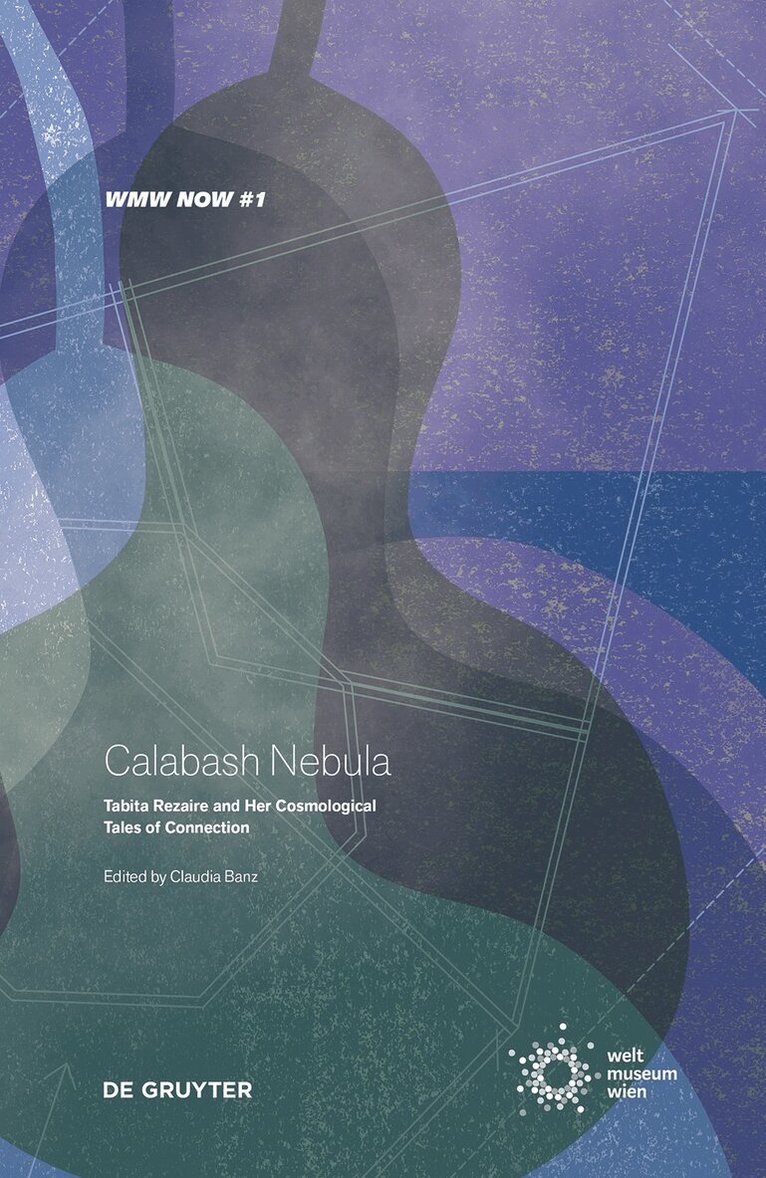
The first volume of the new series "WMW NOW" is dedicated to the artist, activist, and farmer Tabita Rezaire, who presents a poetic, critical reconfiguration of knowledge in her work, combining indigenous cosmologies, African spirituality, ecofeminist perspectives, and scientific findings into a visually and conceptually dense practice.Five authors provide contributions from their respective fields to this project: artist Léa d. Allexandre, curator Inke Arns, environmental activist and writer Holly Bynoe, ethnobotanist Marc-Alexandre Tareau, and marine biologist and behavioural scientist Anja Wegner. Their texts open multi-layered approaches to Rezaire’s work and allow us to experience the productive ways in which knowledge, practice, and aesthetics intersect.
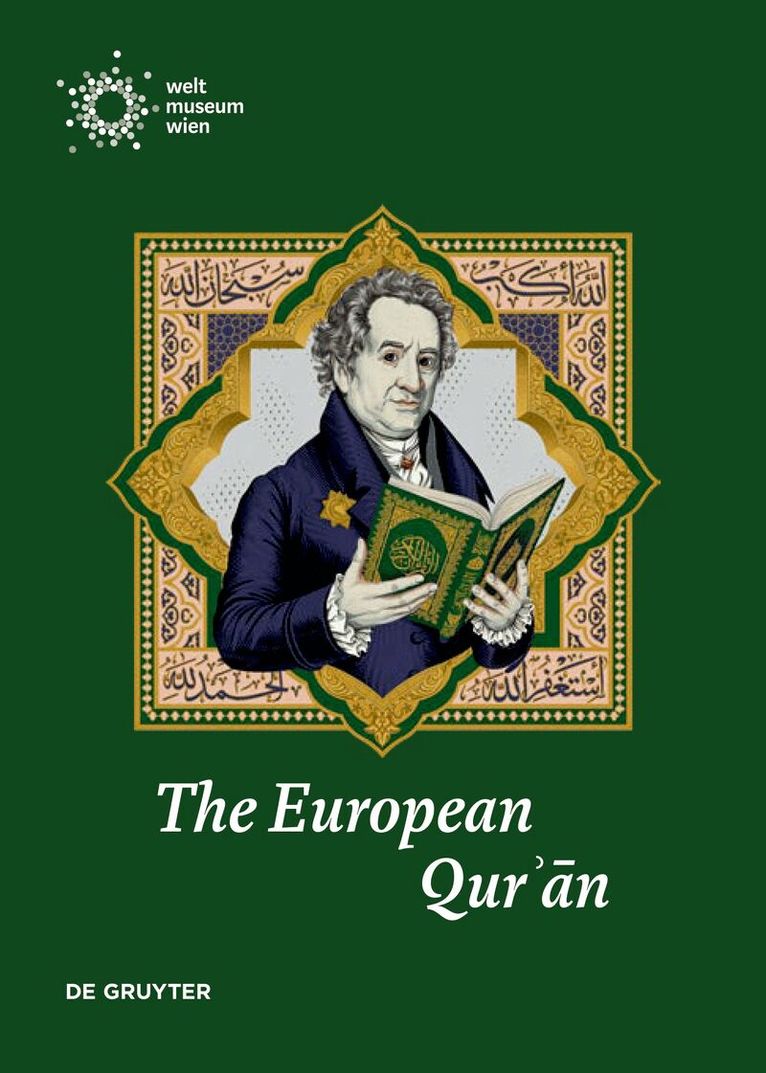
European Qurʾān
Encounters with the Holy Text of Islam from the Ninth to the Twentieth Century
Häftad, Engelska, 2024
367 kr
Skickas inom 5-8 vardagar
What role does the Holy Scripture of Islam, the Qurʾān, play in the history of European thought? How has it been read and understood in Europe since the first translations in the Middle Ages? The Qurʾān and Islam are traditionally seen as an antithesis to Europe’s self-narrative of cultural achievements: the Enlightenment, secularization, and religious tolerance. Some claim that Islam in general and the Qurʾān in particular are alien to Europe’s culture and political institutions. This publication endeavours to counter this popular belief and to tell a different story by documenting the role the Qurʾān has played in the formation of culture, religion, scholarship, and politics in Europe. Look inside Exhibition Weltmuseum Wien September 18, 2024 to August 24, 2025
Stories from the Post-Ethnological Museum
Re-Reading Ethnographic Collections Today
Häftad, Engelska, 2026
262 kr
Kommande
The post-ethnological museum no longer regards ethnological collections as archives of ‘foreign cultures’, but as dynamic repositories of knowledge on global relationships. It critically examines their origins and provides new forms of interpretation, cooperation, and authorship. Central to this approach is the dialogue with contemporary art: artistic practices create new ways of engaging with the collections, challenge established meanings, and link them to current social and ecological discourses. The museum sees itself as a translator between different knowledge systems and provides a space in which the past, present, and possible futures are negotiated. The volume brings together artistic and research-based positions that link historical collections with current ecological issues.Invites readers to explore new forms of relationship between humans and the wider world, moving beyond an anthropocentric perspective