Will Studdert – författare
Visar alla böcker från författaren Will Studdert. Handla med fri frakt och snabb leverans.
6 produkter
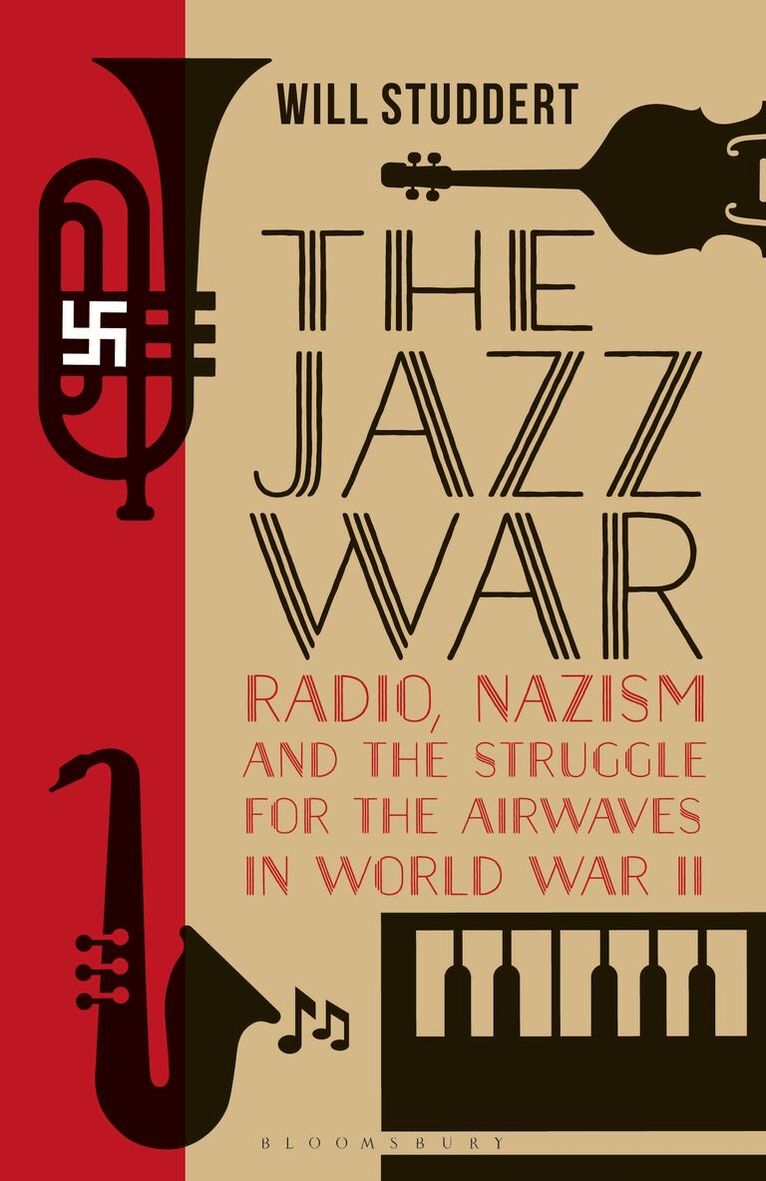
Jazz War
Radio, Nazism and the Struggle for the Airwaves in World War II
Häftad, 2019
517 kr
Lägg i varukorg
During World War II, jazz embodied everything that was appealing about a democratic society as envisioned by the Western Allied powers. Labelled 'degenerate' by Hitler's cultural apparatus, jazz was adopted by the Allies to win the hearts and minds of the German public. It was also used by the Nazi …
Rethinking Cooperation in Cold War Europe
Difficult Friendships across the 'Nylon Curtain'
Inbunden, 2026
1243 kr
Lägg i varukorg
Studies of post-war Europe have conventionally stressed the Cold War’s ideological divisions and competing economic models. This open access book brings together historians from across Europe to explore the ways in which these political differences were circumvented, subverted, or overcome, whether …
GDR Goes Global
Culture, Cooperation, and Conflict
Av Ulf Schmidt, James Farley m. fl.
Inbunden, 2028
1232 kr
Kommande
This open access book explores the German Democratic Republic’s local and global relationships. It considers the extent and nature of relationships both established and attempted by the German Democratic Republic (GDR) within the fields of national security and power projection, labour relations, …
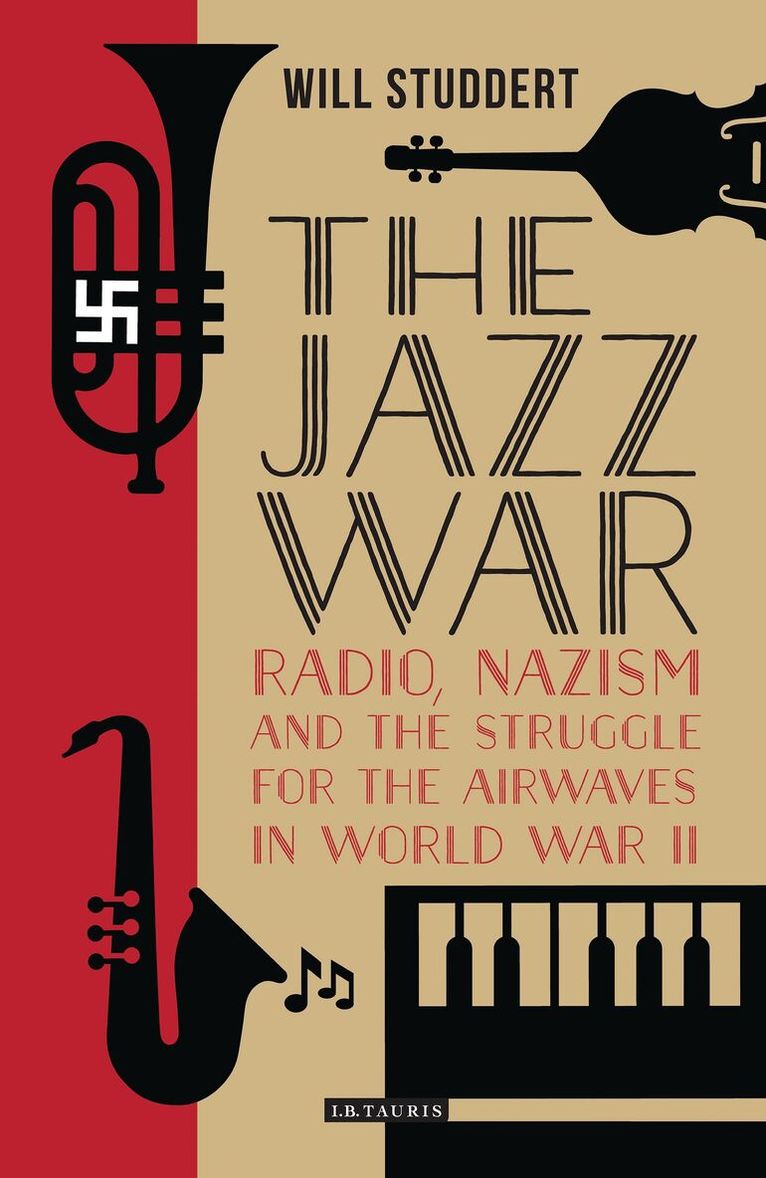
Jazz War
Radio, Nazism and the Struggle for the Airwaves in World War II
Inbunden, 2017
2043 kr
Lägg i varukorg
During World War II, jazz embodied everything that was appealing about a democratic society as envisioned by the Western Allied powers. Labelled `degenerate' by Hitler's cultural apparatus, jazz was adopted by the Allies to win the hearts and minds of the German public. It was also used by the Nazi …
Jazz War
Radio, Nazism and the Struggle for the Airwaves in World War II
E-bok, 2017
550 kr
Lägg i varukorg
During World War II, jazz embodied everything that was appealing about a democratic society as envisioned by the Western Allied powers. Labelled `degenerate' by Hitler's cultural apparatus, jazz was adopted by the Allies to win the hearts and minds of the German public. It was also used by the Nazi …
Jazz War
Radio, Nazism and the Struggle for the Airwaves in World War II
E-bok, 2017
562 kr
Lägg i varukorg
During World War II, jazz embodied everything that was appealing about a democratic society as envisioned by the Western Allied powers. Labelled `degenerate' by Hitler's cultural apparatus, jazz was adopted by the Allies to win the hearts and minds of the German public. It was also used by the Nazi …