William A. Quinn - Böcker
Visar alla böcker från författaren . Handla med fri frakt och snabb leverans.
6 produkter
6 produkter
1 115 kr
Skickas inom 10-15 vardagar
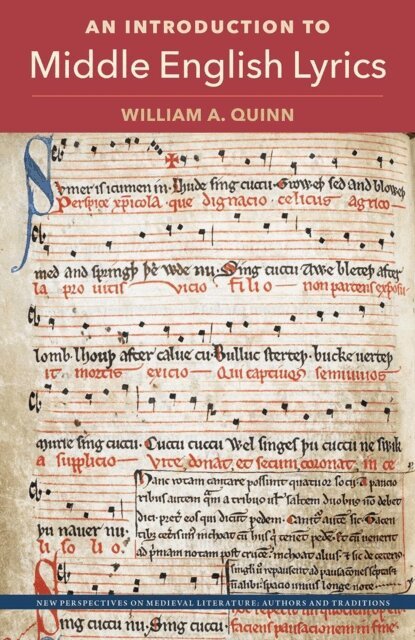
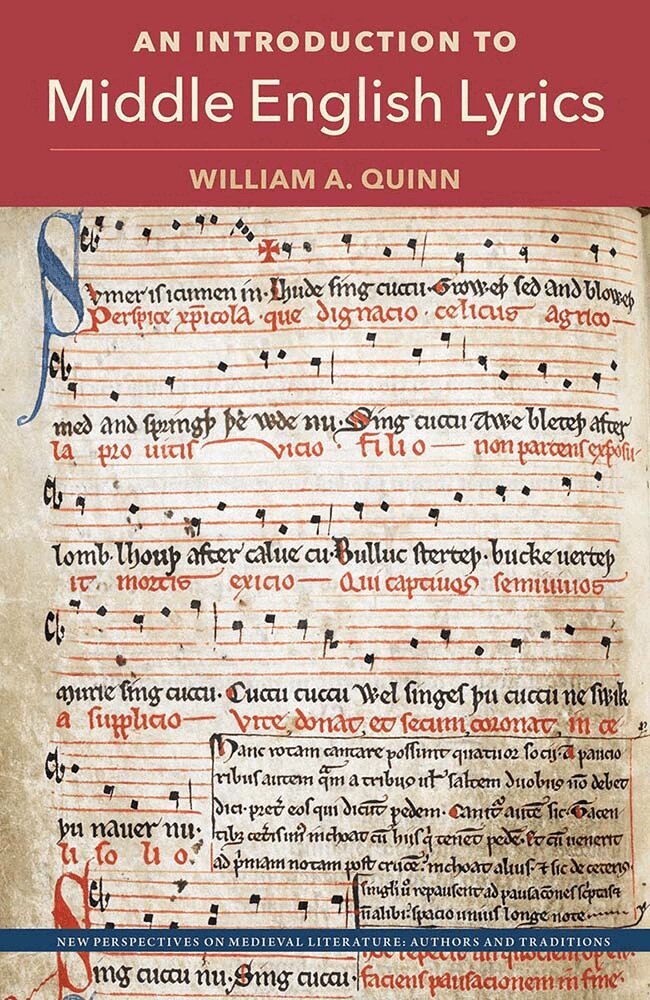
Understanding a medieval poetry genre through modern translations, commentary, and the role of performanceMiddle English lyrics are anonymous short poems that were composed between the twelfth and sixteenth centuries. They address a range of themes, both secular and religious, and usually emphasize the author’s personal relationship to the subject matter. In this introduction to the genre, William Quinn offers an overview of the large body of work, identifying common features and trends over time and discussing select examples in detail.Quinn argues that Middle English lyrics are best understood when read as emotional performances and guides readers through the poems’ expressions of joy, sorrow, anger, fear, compassion, spiritual devotion, romantic attraction, erotic frustration, and gender-targeted contempt. For the poems he considers in detail, Quinn provides line-for-line modern renditions of the Middle English texts. The book also includes commentaries keyed to the original texts, intended to prompt interpretations and enrich understandings of the lyrics. Quinn concludes by tracing the later development of versification from medieval to Renaissance lyrics, looking at work by Chaucer, Hoccleve, Petrarch, Wyatt, Surrey, and Shakespeare.An Introduction to Middle English Lyrics encourages readers to appreciate this literary genre on its own terms and to reconsider modern ideas of what makes a “good” poem. With a deeper knowledge of how lyrics functioned in their historical settings, this book fosters a reassessment of their significance to the broader history of English poetry.A volume in the series New Perspectives on Medieval Literature: Authors and Traditions, edited by R. Barton Palmer and Tison Pugh
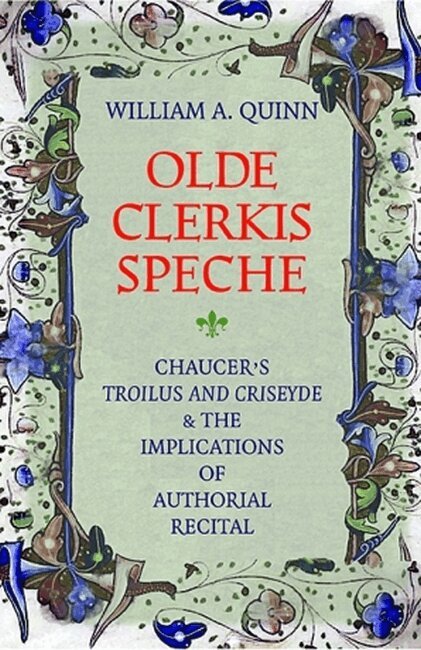
Olde Clerkis Speche
Chaucer's Trolius and Criseyde and the Implications of Authorial Recital
Häftad, Engelska, 2022
423 kr
Skickas inom 10-15 vardagar
Olde Clerkis Speche affirms both the historical legitimacy and the interpretivebenefits of reading Troilus and Criseyde as if the text were initially composed for Chaucer's own recital before a familiar audience. Proposing a qualification rather than contradiction of the ""persona"" as a reading premise, Quinn revitalizes the interpretive context of Chaucer's original performance milieu. The central five chapters offer a ""close hearing"" of the possible tonal strategies of each book of Troilus and Criseyde during actual recital. Particular attention is given to expressions now normally overlooked, phrasing that does not advance the modern reader's appreciation of plot or character development or theme; such ""filler"" did, however, once offer Chaucer's own ""reader response"" (or ennaratio) during the recital event. These five chapters simultaneously evaluate the probability that Chaucer himself revised each recital installment for subsequent manuscript circulation. All together, these chapters provide a sustained case study of the interplay between the author's anticipations of recital presence and textual absence. Although this study does not pretend to detail an inaugural staging of Troilus and Criseyde , it does attend to the histrionic potential of Chaucer's own ""speche/ In poetrie"" (T&C V. 1854-5). The final chapter discusses how such a recital premise impacts several current controversies among Chaucerians, including the dating of Chaucer's individual acts of composition, the underlying assumptions regarding the ""publication"" of each text, the editorial imposition of punctuation on the manuscript record, and the poet's increasing anxiety regarding his future absence from the reading event. Olde Clerkis Speche will be of interest to all readers of Chaucer as well as everyone interested in performance theory and the history of reading.
492 kr
Skickas inom 3-6 vardagar
359 kr
Skickas inom 3-6 vardagar
391 kr
Skickas inom 5-8 vardagar
266 kr
Skickas inom 5-8 vardagar