William A. Welton – författare
Visar alla böcker från författaren William A. Welton. Handla med fri frakt och snabb leverans.
3 produkter
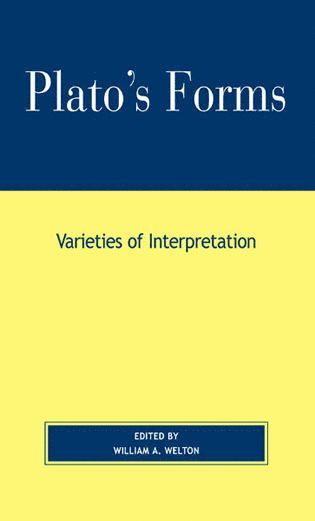
Plato's Forms
Varieties of Interpretation
Inbunden, 2003
1697 kr
Lägg i varukorg
The "theory of forms" usually attributed to Plato is one of the most famous of philosophical theories, yet it has engendered such controversy in the literature on Plato that scholars even debate whether or not such a theory exists in his texts. Plato's Forms: Varieties of Interpretation is an …
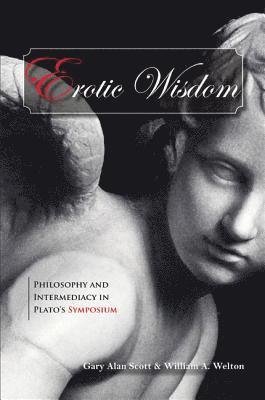
Erotic Wisdom
Philosophy and Intermediacy in Plato's Symposium
Av Gary Alan Scott, William A. Welton
Inbunden, 2008
1018 kr
Lägg i varukorg
A lively and highly readable commentary on one of Plato's most beloved dialogues.Erotic Wisdom provides a careful reading of one of Plato's most beloved dialogues, the Symposium, which explores the nature and scope of human desire (erôs). Gary Alan Scott and William A. Welton engage all of the …
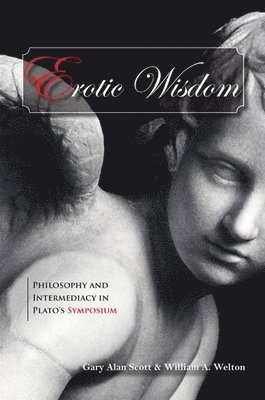
Erotic Wisdom
Philosophy and Intermediacy in Plato's Symposium
Av Gary Alan Scott, William A. Welton
Häftad, 2009
401 kr
Tillfälligt slut
A lively and highly readable commentary on one of Plato's most beloved dialogues.Erotic Wisdom provides a careful reading of one of Plato's most beloved dialogues, the Symposium, which explores the nature and scope of human desire (erôs). Gary Alan Scott and William A. Welton engage all of the …