Gary Alan Scott – författare
Visar alla böcker från författaren Gary Alan Scott. Handla med fri frakt och snabb leverans.
7 produkter
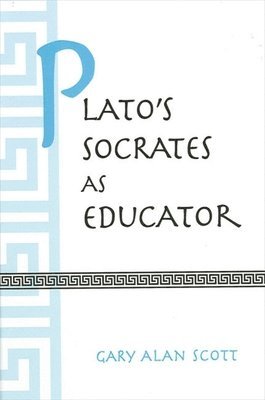
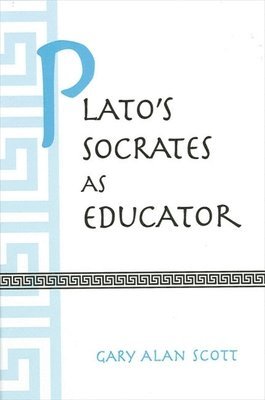
Plato's Socrates as Educator
Häftad, 2000
619 kr
Lägg i varukorg
Examines and evaluates Socrates' role as an educator in Plato's dialogues.Despite his ceaseless efforts to purge his fellow citizens of their unfounded opinions and to bring them to care for what he believes to be the most important things, Plato's Socrates rarely succeeds in his pedagogical …
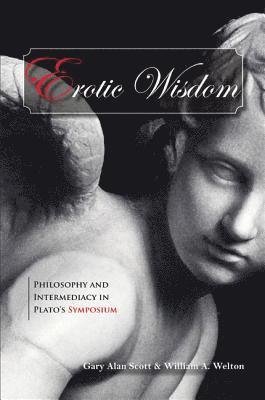
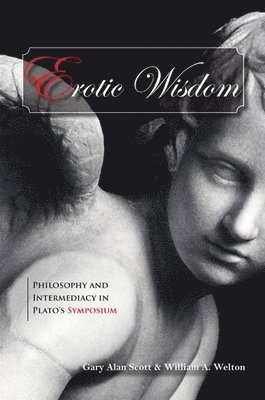
Erotic Wisdom
Philosophy and Intermediacy in Plato's Symposium
Av Gary Alan Scott, William A. Welton
Inbunden, 2008
1018 kr
Lägg i varukorg
A lively and highly readable commentary on one of Plato's most beloved dialogues.Erotic Wisdom provides a careful reading of one of Plato's most beloved dialogues, the Symposium, which explores the nature and scope of human desire (erôs). Gary Alan Scott and William A. Welton engage all of the …
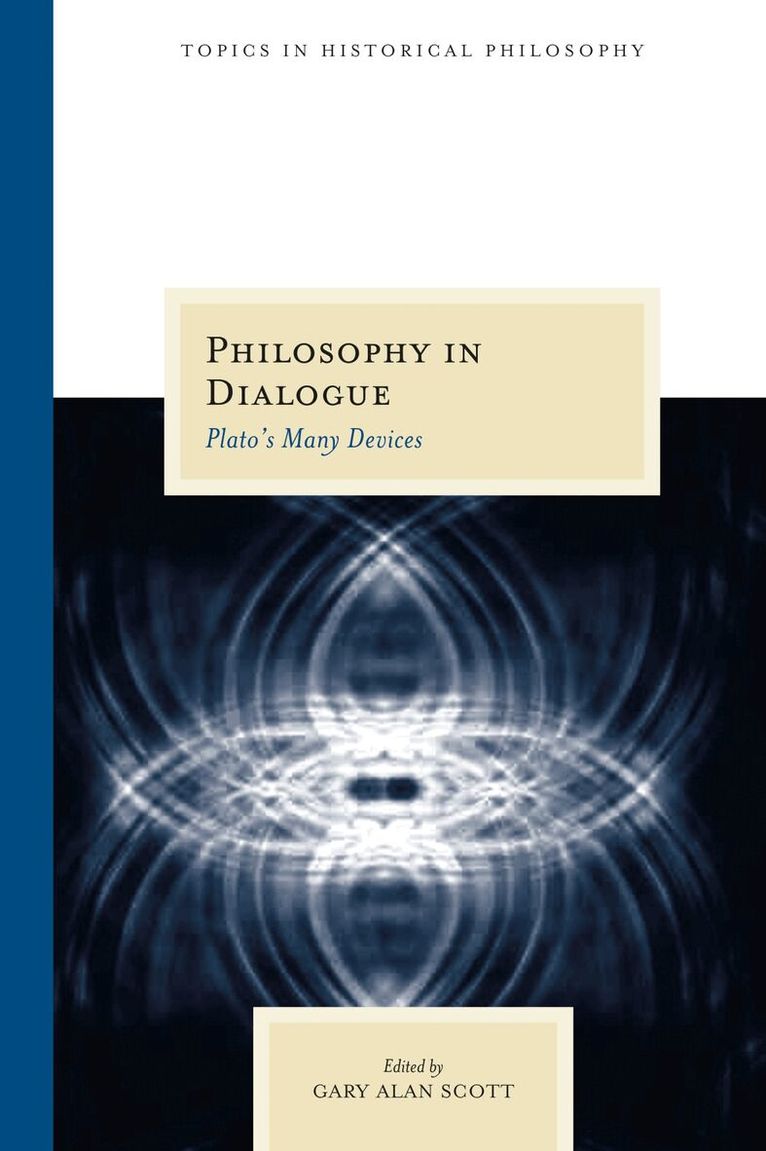
Philosophy in Dialogue
Plato's Many Devices
Häftad, 2007
328 kr
Lägg i varukorg
Traditional Plato scholarship, in the English-speaking world, has assumed that Platonic dialogues are merely collections of arguments. Inevitably, the question arises: if Plato wanted to present collections of arguments, why did he write dialogues instead of treatises? Concerned about this …
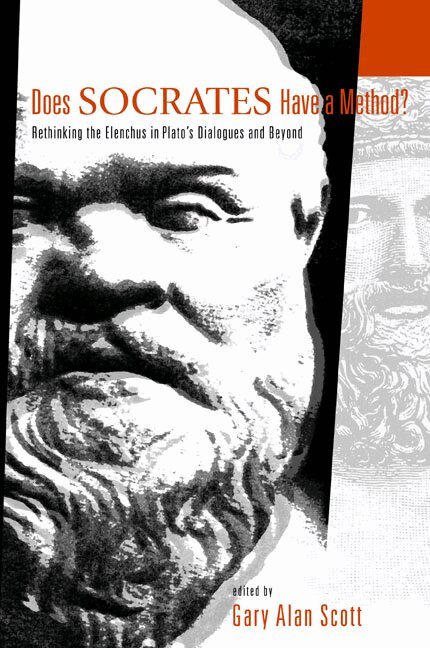
Does Socrates Have a Method?
Rethinking the Elenchus in Plato's Dialogues and Beyond
Häftad, 2003
519 kr
Tillfälligt slut
Although "the Socratic method" is commonly understood as a style of pedagogy involving cross-questioning between teacher and student, there has long been debate among scholars of ancient philosophy about how this method as attributed to Socrates should be defined or, indeed, whether Socrates can be …
Plato's Socrates as Educator
Inbunden, 2000
1111 kr
Tillfälligt slut
Examines and evaluates Socrates' role as an educator in Plato's dialogues.Despite his ceaseless efforts to purge his fellow citizens of their unfounded opinions and to bring them to care for what he believes to be the most important things, Plato's Socrates rarely succeeds in his pedagogical …
Erotic Wisdom
Philosophy and Intermediacy in Plato's Symposium
Av Gary Alan Scott, William A. Welton
Häftad, 2009
401 kr
Tillfälligt slut
A lively and highly readable commentary on one of Plato's most beloved dialogues.Erotic Wisdom provides a careful reading of one of Plato's most beloved dialogues, the Symposium, which explores the nature and scope of human desire (erôs). Gary Alan Scott and William A. Welton engage all of the …
Philosophy in Dialogue
Plato's Many Devices
Inbunden, 2007
677 kr
Tillfälligt slut
Traditional Plato scholarship, in the English-speaking world, has assumed that Platonic dialogues are merely collections of arguments. Inevitably, the question arises: if Plato wanted to present collections of arguments, why did he write dialogues instead of treatises? Concerned about this …