William E. Cross Jr. - Böcker
Visar alla böcker från författaren William E. Cross Jr.. Handla med fri frakt och snabb leverans.
6 produkter
6 produkter
402 kr
Tillfälligt slut
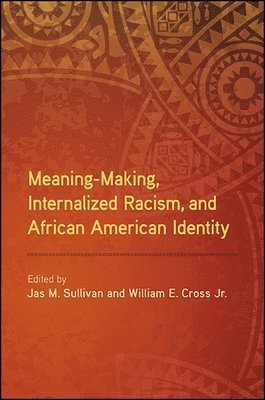
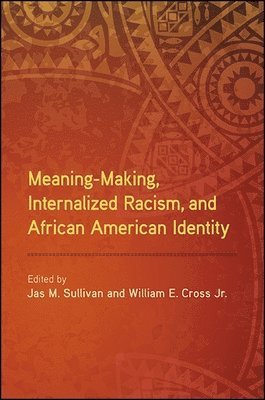
Presents research on how variations in African Americans' racial self-concept affects meaning-making and internalized oppression.Focusing on the broad range of attitudes Black people employ to make sense of their Blackness, this volume offers the latest research on racial identity. The first section explores meaning-making, or the importance of holding one type of racial-cultural identity as compared to another. It looks at a wide range of topics, including stereotypes, spirituality, appearance, gender and intersectionalities, masculinity, and more. The second section examines the different expressions of internalized racism that arise when the pressure of oppression is too great, and includes such topics as identity orientations, self-esteem, colorism, and linked fate. Grounded in psychology, the research presented here makes the case for understanding Black identity as wide ranging in content, subject to multiple interpretations, and linked to both positive mental health as well as varied forms of internalized racism.
1 456 kr
Skickas inom 3-6 vardagar
Presents research on how variations in African Americans' racial self-concept affects meaning-making and internalized oppression.Focusing on the broad range of attitudes Black people employ to make sense of their Blackness, this volume offers the latest research on racial identity. The first section explores meaning-making, or the importance of holding one type of racial-cultural identity as compared to another. It looks at a wide range of topics, including stereotypes, spirituality, appearance, gender and intersectionalities, masculinity, and more. The second section examines the different expressions of internalized racism that arise when the pressure of oppression is too great, and includes such topics as identity orientations, self-esteem, colorism, and linked fate. Grounded in psychology, the research presented here makes the case for understanding Black identity as wide ranging in content, subject to multiple interpretations, and linked to both positive mental health as well as varied forms of internalized racism.
569 kr
Skickas inom 3-6 vardagar
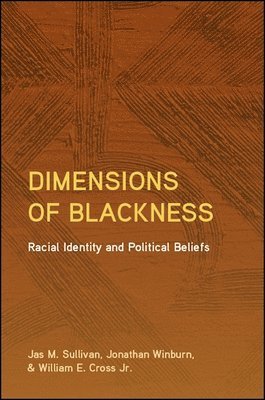
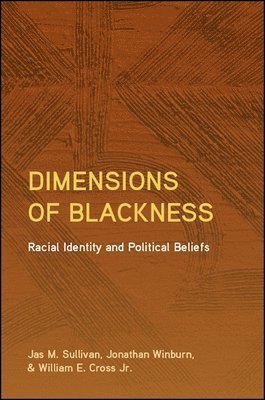
A multidimensional approach captures the complexities of African American racial identity.While the dynamics of racial oppression limit the range of attitudes blacks may construct and hold, their basic humanity introduces additional attitudinal variance that is nearly boundless. Rather than claim it is possible to conceptualize and measure every iteration of blackness, modern social theorists such as Robert Sellers and William Cross Jr. contend that one should systematically "sample" the unmanageable range of different identity frames found among blacks. In Dimensions of Blackness, the authors suggest there is no single, solitary way to express black racial identity. They move away from blackness as binary and instead reveal what happens when black racial identity is conceptualized with "difference of opinion." Using a multidimensional perspective this book explores whether black racial identity differences among blacks influence political attitudes and behavior.
1 499 kr
Skickas inom 3-6 vardagar
A multidimensional approach captures the complexities of African American racial identity.While the dynamics of racial oppression limit the range of attitudes blacks may construct and hold, their basic humanity introduces additional attitudinal variance that is nearly boundless. Rather than claim it is possible to conceptualize and measure every iteration of blackness, modern social theorists such as Robert Sellers and William Cross Jr. contend that one should systematically "sample" the unmanageable range of different identity frames found among blacks. In Dimensions of Blackness, the authors suggest there is no single, solitary way to express black racial identity. They move away from blackness as binary and instead reveal what happens when black racial identity is conceptualized with "difference of opinion." Using a multidimensional perspective this book explores whether black racial identity differences among blacks influence political attitudes and behavior.
820 kr
Skickas inom 7-10 vardagar
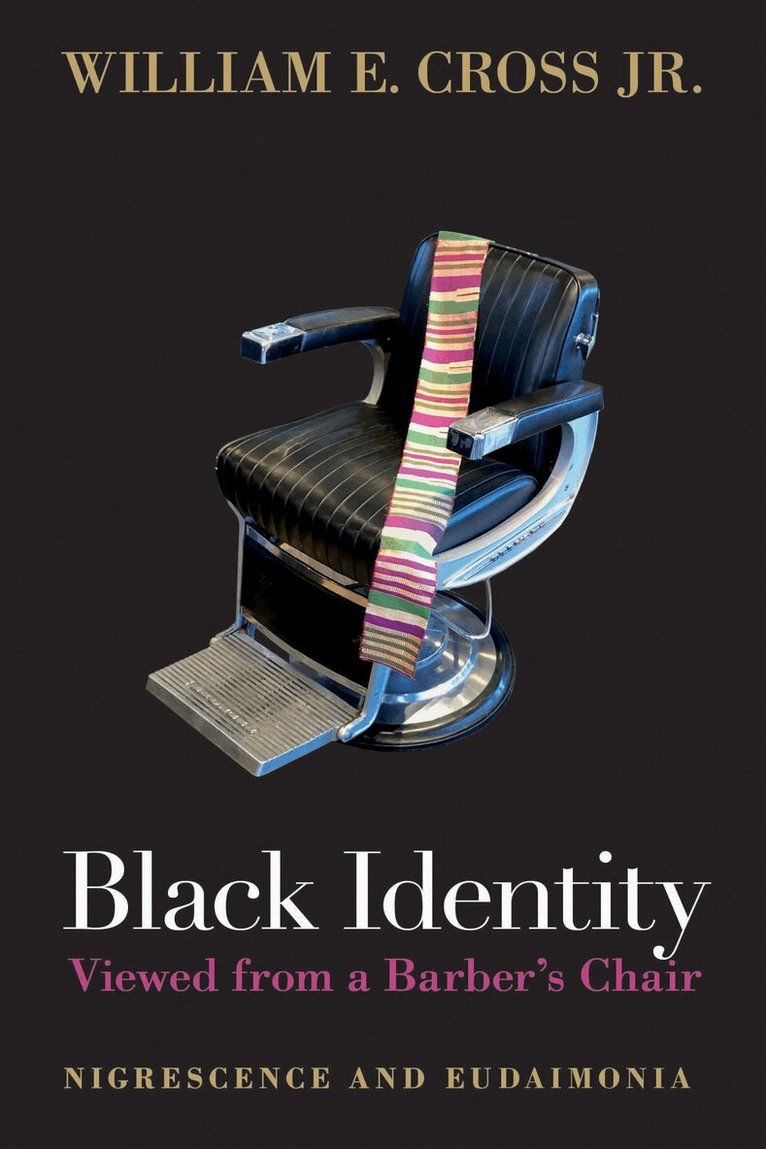
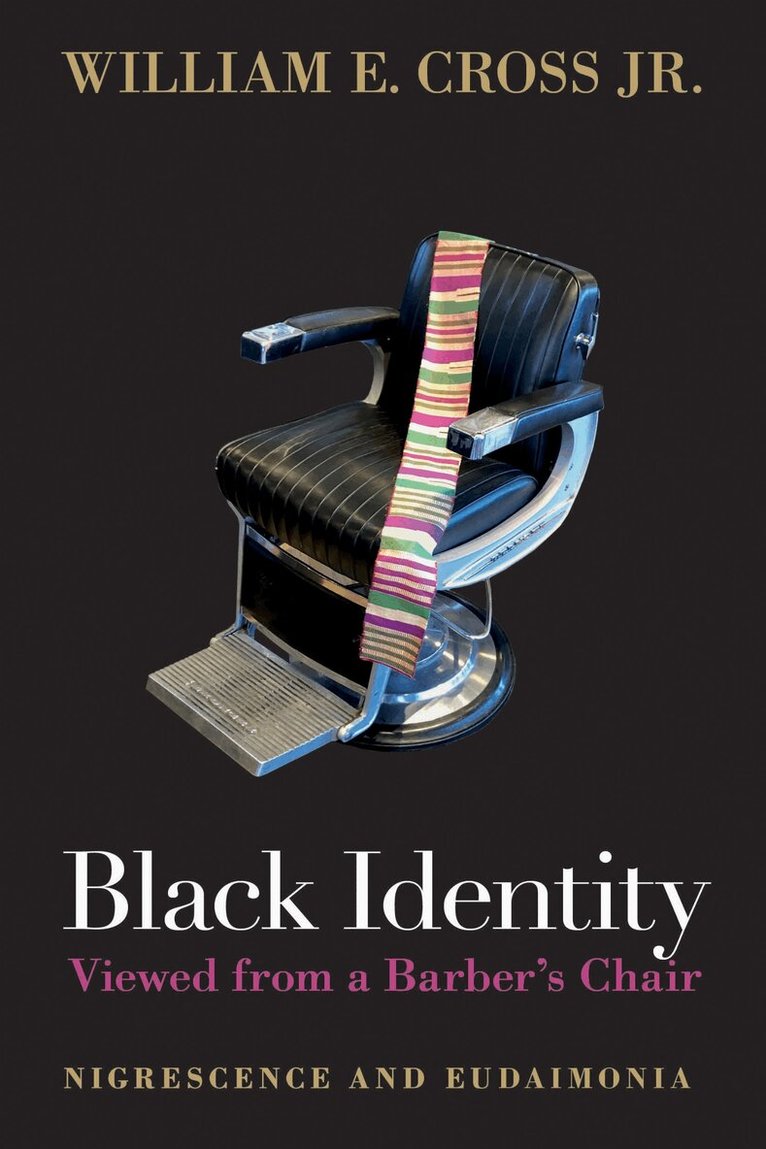
Throughout his esteemed career, William Cross has tried to reconcile how Black men he met in the barber shop “seemed so normal,” but the portrayal in college textbooks of Black people in general-and the Black working class in particular-is self-hating and pathological. In Black Identity Viewed from a Barber’s Chair, Cross revisits his ground-breaking model on Black identity awakening known as Nigrescence, connects W. E. B. DuBois’s concept of double consciousness to an analysis of how Black identity is performed in everyday life, and traces the origins of the deficit perspective on Black culture to scholarship dating back to the 1930s. He follows with a critique showing such deficit and Black self-hatred tropes were always based on extremely weak evidence. Black Identity Viewed from a Barber’s Chair ends with a new understanding of the psychology of slavery that helps explain why and how, during the first twelve years of emancipation, countless former slaves exhibited amazing psychological, political, and cultural independence. Once free, their previously hidden psychology became public. His booksets out to disrupt and agitate as Cross attempts to more accurately capture the humanity of Black people that has been overlooked in previous research.
291 kr
Skickas inom 7-10 vardagar
Throughout his esteemed career, William Cross has tried to reconcile how Black men he met in the barber shop “seemed so normal,” but the portrayal in college textbooks of Black people in general-and the Black working class in particular-is self-hating and pathological. In Black Identity Viewed from a Barber’s Chair, Cross revisits his ground-breaking model on Black identity awakening known as Nigrescence, connects W. E. B. DuBois’s concept of double consciousness to an analysis of how Black identity is performed in everyday life, and traces the origins of the deficit perspective on Black culture to scholarship dating back to the 1930s. He follows with a critique showing such deficit and Black self-hatred tropes were always based on extremely weak evidence. Black Identity Viewed from a Barber’s Chair ends with a new understanding of the psychology of slavery that helps explain why and how, during the first twelve years of emancipation, countless former slaves exhibited amazing psychological, political, and cultural independence. Once free, their previously hidden psychology became public. His booksets out to disrupt and agitate as Cross attempts to more accurately capture the humanity of Black people that has been overlooked in previous research.