William F. Touponce – författare
Visar alla böcker från författaren William F. Touponce. Handla med fri frakt och snabb leverans.
11 produkter
Lord Dunsany, H.P. Lovecraft, and Ray Bradbury
Spectral Journeys
E-bok, 2013
1666 kr
Lägg i varukorg
In his classic study Supernatural Horror in Literature, H. P. Lovecraft discusses the emergence of what he called spectral literature—literature that involves the gothic themes of the supernatural found in the past but also considers modern society and humanity. Beyond indicating how authors of …
Lord Dunsany, H.P. Lovecraft, and Ray Bradbury
Spectral Journeys
Inbunden, 2013
1550 kr
Lägg i varukorg
In his classic study Supernatural Horror in Literature, H. P. Lovecraft discusses the emergence of what he called spectral literature—literature that involves the gothic themes of the supernatural found in the past but also considers modern society and humanity. Beyond indicating how authors of …
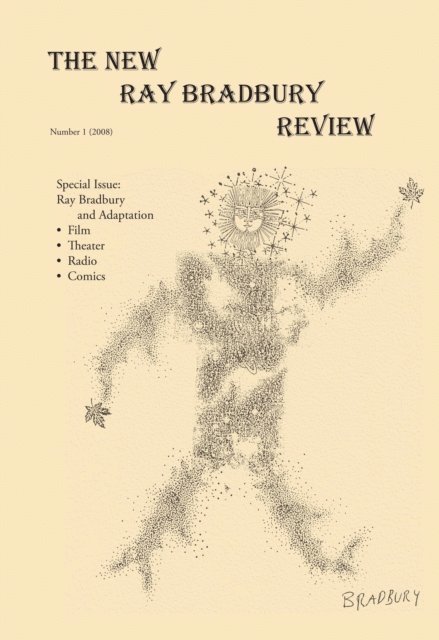
New Ray Bradbury Review No. 1
Häftad, 2008
316 kr
Lägg i varukorg
An annual dedicated to the life and writings of one of America's most prolific and popular authorsLike its pioneering predecessor, the one-volume review published in 1952 by William F. Nolan, The New Ray Bradbury Review contains articles and reviews about Bradbury but has a much broader scope, …
New Ray Bradbury Review
Number 3, 2012
Häftad, 2011
316 kr
Lägg i varukorg
The New Ray Bradbury Review is designed principally to study the impact of Bradbury’s writings on American culture and is the chief publication of The Center for Ray Bradbury Studies—the archive of Bradbury’s writings located at Indiana University-Purdue University, Indianapolis. Like its …
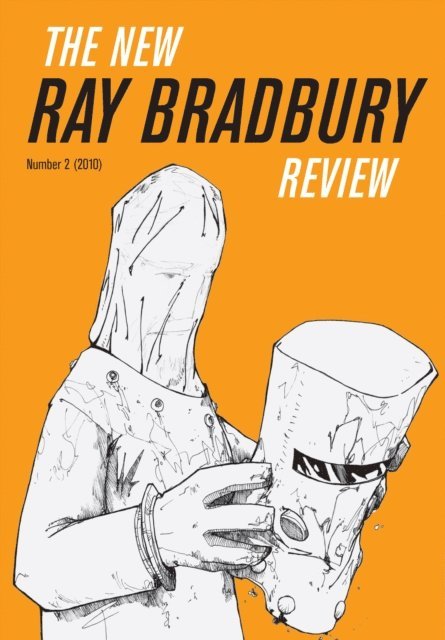
New Ray Bradbury Review, Number 2 (2010)
Number 2 (2010)
E-bok, 1998
320 kr
Lägg i varukorg
Like its pioneering predecessor, the one-volume review published in 1952 by William F. Nolan, The New Ray Bradbury Review contains articles and reviews about Bradbury but has a much broader scope, including a thematic focus for each issue. Since Nolan composed his slim volume at the beginning of …
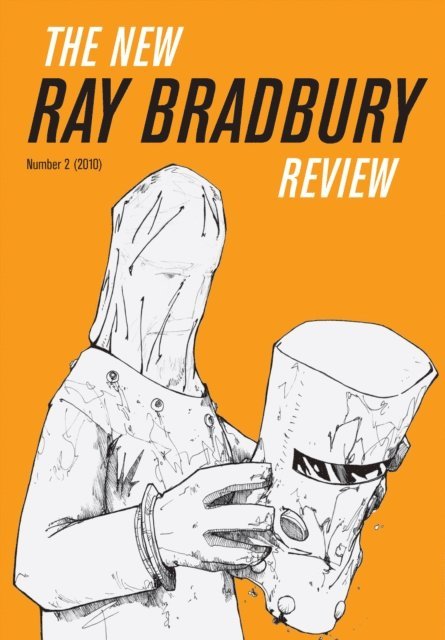
New Ray Bradbury Review Number 2 (2010)
Number 2 (2010)
E-bok, 1998
268 kr
Lägg i varukorg
Like its pioneering predecessor, the one-volume review published in 1952 by William F. Nolan, The New Ray Bradbury Review contains articles and reviews about Bradbury but has a much broader scope, including a thematic focus for each issue. Since Nolan composed his slim volume at the beginning of …
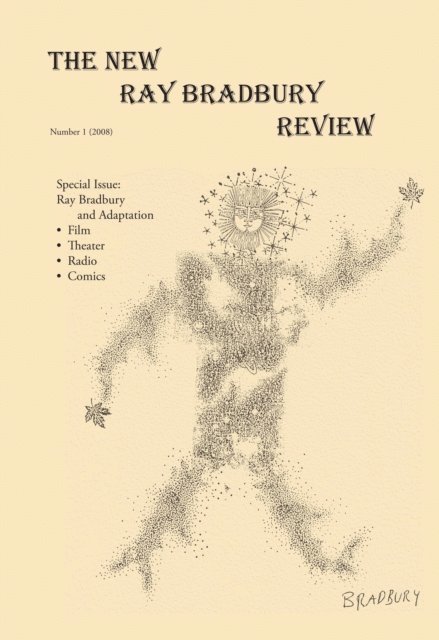
New Ray Bradbury Review, Number 1
E-bok, 2013
320 kr
Lägg i varukorg
An annual dedicated to the life and writings of one of America’s most prolific and popular authors Like its pioneering predecessor, the one-volume review published in 1952 by William F. Nolan, The New Ray Bradbury Review contains articles and reviews about Bradbury but has a much broader scope, …
New Ray Bradbury Review, Number 1
E-bok, 2013
320 kr
Lägg i varukorg
An annual dedicated to the life and writings of one of America’s most prolific and popular authors Like its pioneering predecessor, the one-volume review published in 1952 by William F. Nolan, The New Ray Bradbury Review contains articles and reviews about Bradbury but has a much broader scope, …
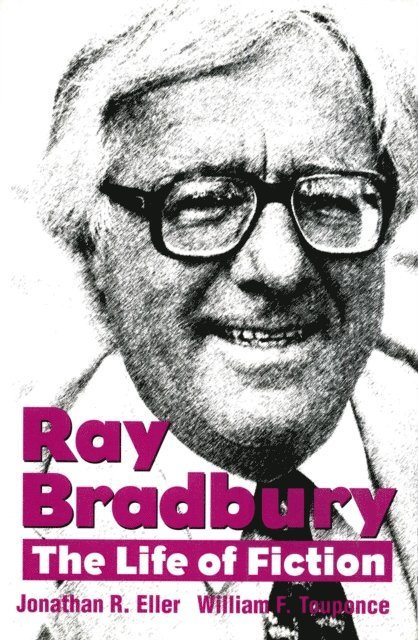
Ray Bradbury
The Life of Fiction
Av William F. Touponce, Jonathan R. Eller
E-bok, 2015
488 kr
Lägg i varukorg
This is a textual, bibliographical and cultural study of 60 years of Bradbury’s fiction. The authors draw upon correspondence with his publishers, agents and friends, as well as archival manuscripts, to examine the story of Bradbury’s authorship over more than half a century.
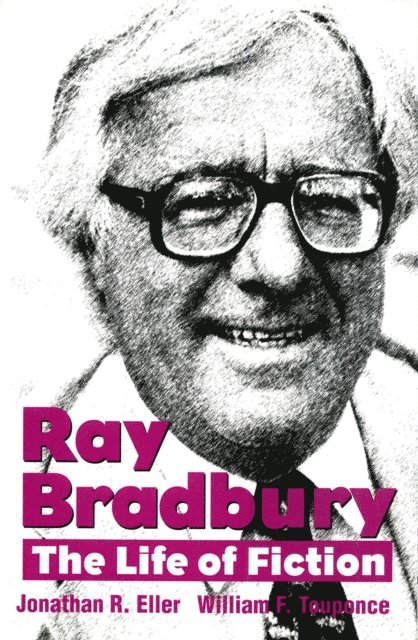
Ray Bradbury
The Life of Fiction
Av William F. Touponce, Jonathan R. Eller
E-bok, 2015
488 kr
Lägg i varukorg
This is a textual, bibliographical and cultural study of 60 years of Bradbury’s fiction. The authors draw upon correspondence with his publishers, agents and friends, as well as archival manuscripts, to examine the story of Bradbury’s authorship over more than half a century.
Ray Bradbury
The Life of Fiction
Av Jonathan R. Eller, William F. Touponce
Inbunden, 2004
587 kr
Tillfälligt slut
Ray Bradbury: The Life of Fiction is the first comprehensive textual, bibliographical, and cultural study of sixty years of Bradbury’s fiction. Drawing on correspondence with his publishers, agents, and friends, as well as archival manuscripts, The Life of Fiction examines the story of Bradbury’s …