William M. Schniedewind – författare
Visar alla böcker från författaren William M. Schniedewind. Handla med fri frakt och snabb leverans.
16 produkter
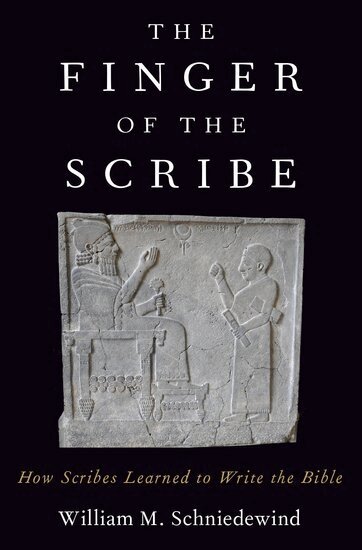
The Finger of the Scribe
How Scribes Learned to Write the Bible
Inbunden, 2019
516 kr
Lägg i varukorg
One of the enduring problems in biblical studies is how the Bible came to be written. Clearly, scribes were involved. But our knowledge of scribal training in ancient Israel is limited. William Schniedewind explores the unexpected cache of inscriptions discovered at a remote, Iron Age military post …
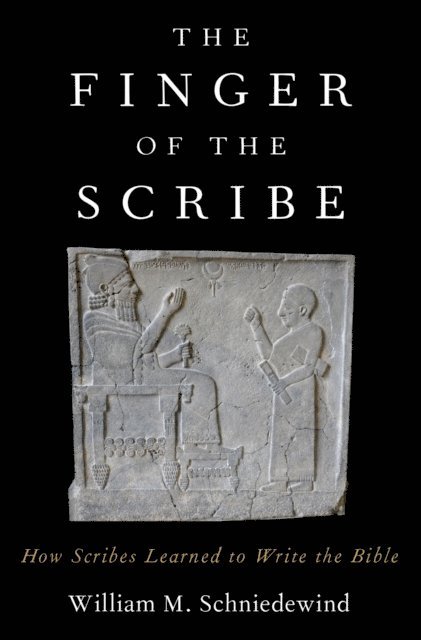
Finger of the Scribe
How Scribes Learned to Write the Bible
E-bok, 2019
375 kr
Lägg i varukorg
One of the enduring problems in biblical studies is how the Bible came to be written. Clearly, scribes were involved. But our knowledge of scribal training in ancient Israel is limited. William Schniedewind explores the unexpected cache of inscriptions discovered at a remote, Iron Age military post …
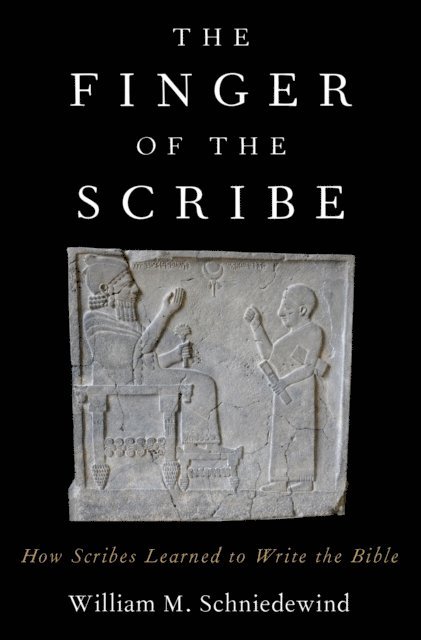
Finger of the Scribe
How Scribes Learned to Write the Bible
E-bok, 2019
375 kr
Lägg i varukorg
One of the enduring problems in biblical studies is how the Bible came to be written. Clearly, scribes were involved. But our knowledge of scribal training in ancient Israel is limited. William Schniedewind explores the unexpected cache of inscriptions discovered at a remote, Iron Age military post …
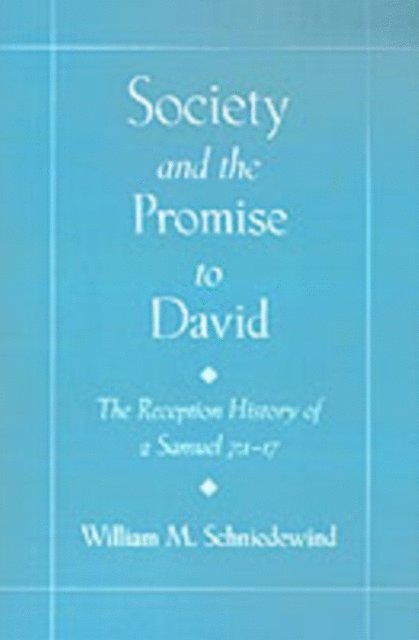
Society and the Promise to David
The Reception History of 2 Samuel 7:1-17
Inbunden, 1999
2765 kr
Lägg i varukorg
In the second book of Samuel, the prophet Nathan tells King David that God will give to him and his descendants a great and everlasting kingdom. In this study William Schniedewind looks at how this dynastic Promise has been understood and transmitted from the time of its first appearance at the …
Society and the Promise to David
The Reception History of 2 Samuel 7:1-17
E-bok, 1999
1760 kr
Lägg i varukorg
In the second book of Samuel, the prophet Nathan tells King David that God will give to him and his descendants a great and everlasting kingdom. In this study Schniedewind looks at how this dynastic Promise has been understood and transmitted from the time of its first appearance at the inception …
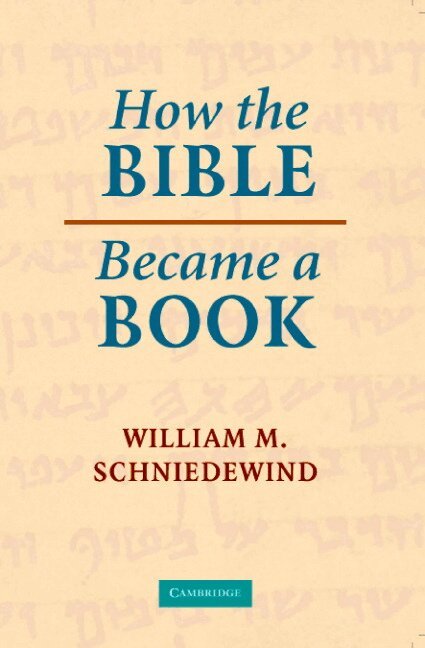
How the Bible Became a Book
The Textualization of Ancient Israel
Häftad, 2005
392 kr
Lägg i varukorg
For the past two hundred years biblical scholars have increasingly assumed that the Hebrew Bible was largely written and edited in the Persian and Hellenistic periods. As a result, the written Bible has dwelled in an historical vacuum. Recent archaeological evidence and insights from linguistic …
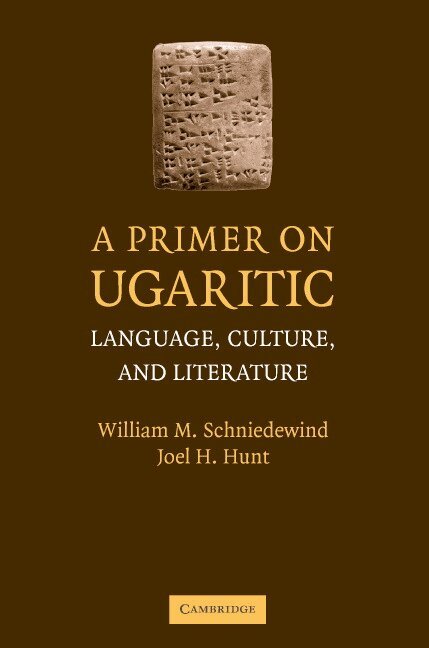
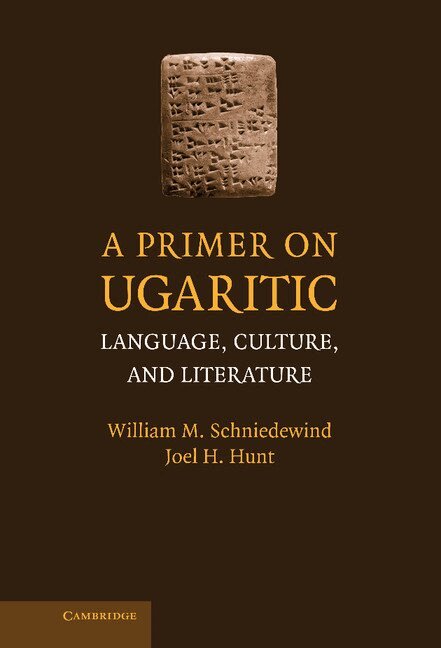
A Primer on Ugaritic
Language, Culture and Literature
Av William M. Schniedewind, Joel H. Hunt
Häftad, 2007
878 kr
Lägg i varukorg
A Primer on Ugaritic is an introduction to the language of the ancient city of Ugarit, a city that flourished in the second millennium BCE on the Lebanese coast, placed in the context of the culture, literature, and religion of this ancient Semitic culture. The Ugaritic language and literature was …
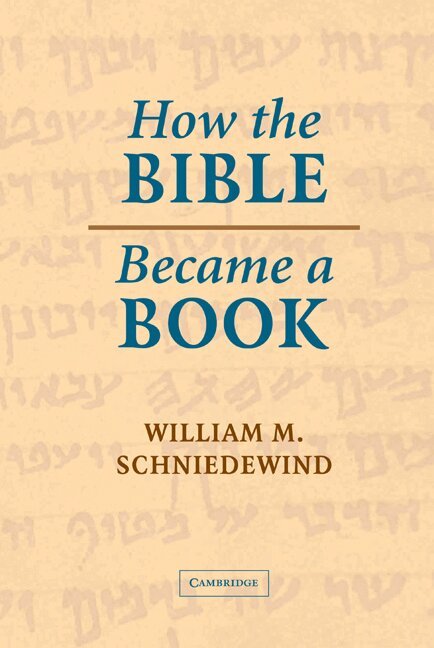
How the Bible Became a Book
The Textualization of Ancient Israel
Inbunden, 2004
1402 kr
Lägg i varukorg
For the past two hundred years biblical scholars have increasingly assumed that the Hebrew Bible was largely written and edited in the Persian and Hellenistic periods. As a result, the written Bible has dwelled in an historical vacuum. Recent archaeological evidence and insights from linguistic …
A Primer on Ugaritic
Language, Culture and Literature
Av William M. Schniedewind, Joel H. Hunt
Inbunden, 2007
1753 kr
Lägg i varukorg
A Primer on Ugaritic is an introduction to the language of the ancient city of Ugarit, a city that flourished in the second millennium BCE on the Lebanese coast, placed in the context of the culture, literature, and religion of this ancient Semitic culture. The Ugaritic language and literature was …
Word of God in Transition
From Prophet to Exegete in the Second Temple Period
E-bok, 1995
561 kr
Lägg i varukorg
The Chronicler distinguishes between "traditional prophets" and "inspired messengers", and thereby highlights a radical transition in the meaning of the "word of God" which takes place in the post-exilic period. The Chronicler summarizes his perspective in 2 Chron. 36.16, saying that Israel …
Word of God in Transition
From Prophet to Exegete in the Second Temple Period
Häftad, 2009
515 kr
Lägg i varukorg
The Chronicler distinguishes between "traditional prophets" and "inspired messengers", and thereby highlights a radical transition in the meaning of the "word of God" which takes place in the post-exilic period. The Chronicler summarizes his perspective in 2 Chron. 36.16, saying that Israel …
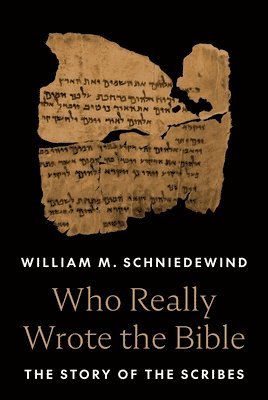
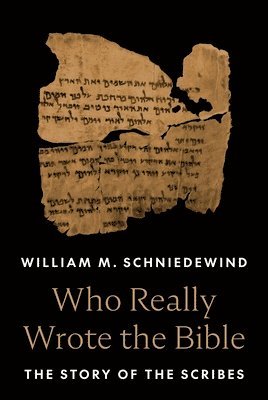
Who Really Wrote the Bible
The Story of the Scribes
Inbunden, 2024
279 kr
Lägg i varukorg
A groundbreaking new account of the writing of the Hebrew BibleWho wrote the Bible? Its books have no bylines. Tradition long identified Moses as the author of the Pentateuch, with Ezra as editor. Ancient readers also suggested that David wrote the psalms and Solomon wrote Proverbs and Qohelet. …
Who Really Wrote the Bible
The Story of the Scribes
Häftad, 2025
194 kr
Lägg i varukorg
A groundbreaking new account of the writing of the Hebrew BibleWho wrote the Bible? Its books have no bylines. Tradition long identified Moses as the author of the Pentateuch, with Ezra as editor. Ancient readers also suggested that David wrote the psalms and Solomon wrote Proverbs and Qohelet. …
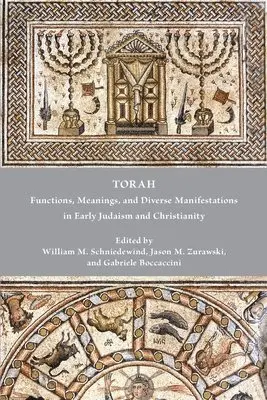
Torah: Functions, Meanings, and Diverse Manifestations in Early Judaism and Christianity
Av William M. Schniedewind, Jason M. Zurawski
Häftad, 2022
923 kr
Lägg i varukorg
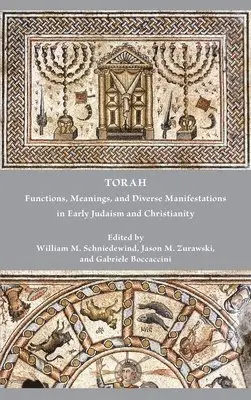
Torah: Functions, Meanings, and Diverse Manifestations in Early Judaism and Christianity
Av William M. Schniedewind, Jason M. Zurawski
Inbunden, 2022
1173 kr
Lägg i varukorg
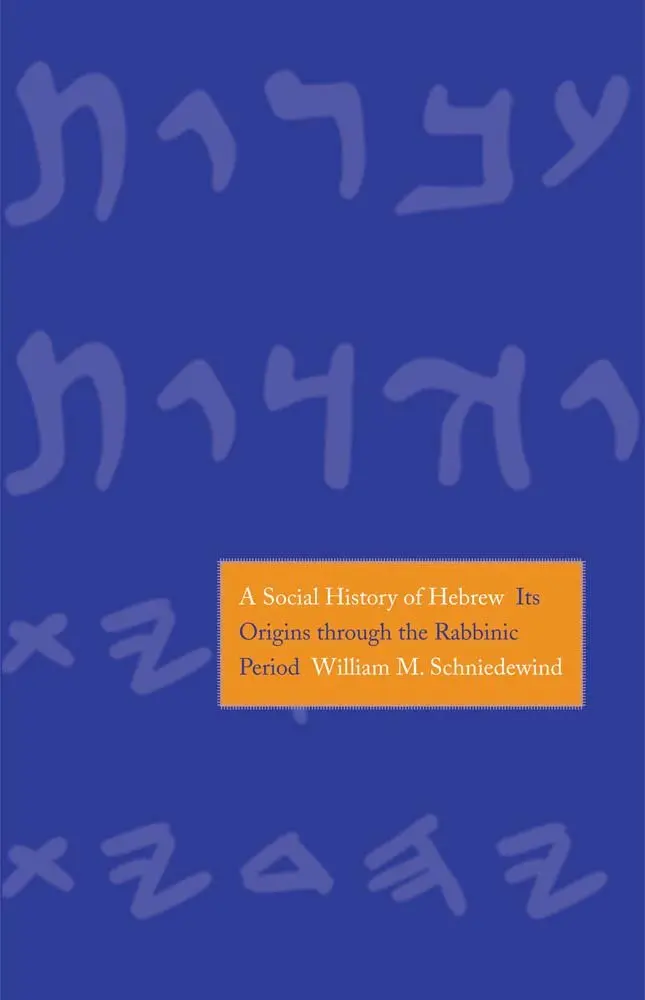
Social History of Hebrew
Its Origins Through the Rabbinic Period
Inbunden, 2013
365 kr
Tillfälligt slut
More than simply a method of communication shared by a common people, the Hebrew language was always an integral part of the Jewish cultural system and, as such, tightly interwoven into the lives of the prophets, poets, scribes, and priests who used it. In this unique social history, William …