William Monter – författare
Visar alla böcker från författaren William Monter. Handla med fri frakt och snabb leverans.
7 produkter
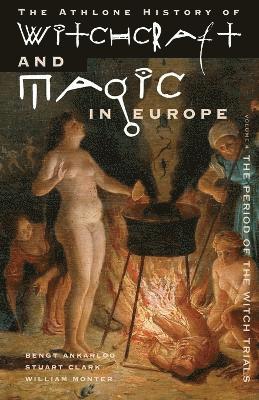
Witchcraft and Magic in the Period of the Witch Trials
Av Bengt Ankarloo, Stuart Clark m. fl.
Häftad, 2002
1066 kr
Lägg i varukorg
The fifteenth to eighteenth centuries was a period of witchcraft prosecutions throughout Europe and modern scholars have now devoted a huge amount of research to these episodes. This volume will attempt to bring this work together by summarising the history of the trials in a new way - according to …
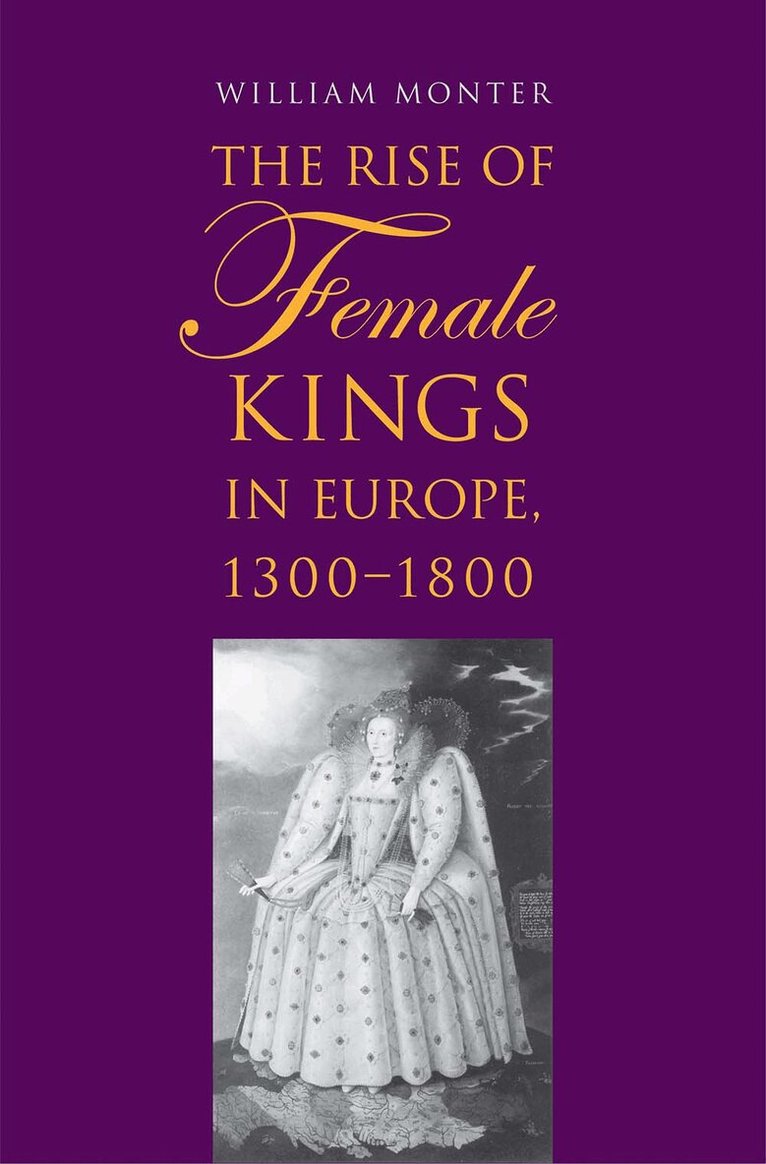
Rise of Female Kings in Europe, 1300-1800
Inbunden, 2012
940 kr
Lägg i varukorg
In this lively and pathbreaking book, William Monter sketches Europe's increasing acceptance of autonomous female rulers between the late Middle Ages and the French Revolution. Monter surveys the governmental records of Europe's thirty women monarchs—the famous (Mary Stuart, Elizabeth I, Catherine …
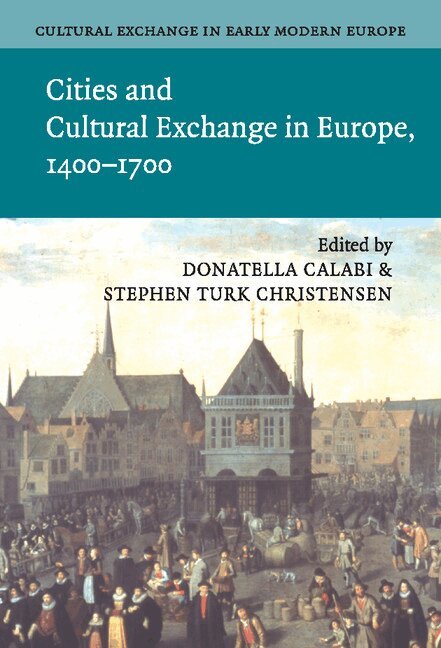
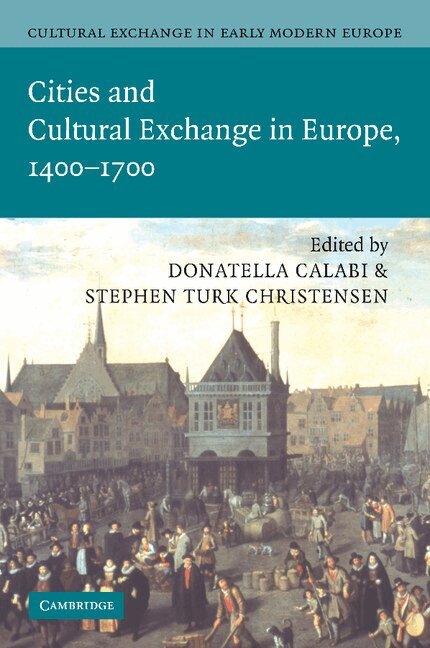
Cultural Exchange in Early Modern Europe
Av William Monter, Donatella Calabi m. fl.
Inbunden, 2007
1738 kr
Lägg i varukorg
As transfer points between different economic and cultural zones, cities are crucial to shaping processes of cultural exchange. Urban culture embraces cultural traits borrowed or imported from afar and those of local neighbourhoods, professions and social groups, yet it also offers possibilities …
Judging the French Reformation
Heresy Trials by Sixteenth-Century Parlements
Inbunden, 1999
942 kr
Lägg i varukorg
This original look at the French Reformation pits immovable object--the French appellate courts or parlements--against irresistible force--the most dynamic forms of the Protestant Reformation. Without the slightest hesitation, the high courts of Renaissance France opposed these religious …
Cultural Exchange in Early Modern Europe
Av William Monter, Donatella Calabi m. fl.
Häftad, 2013
955 kr
Lägg i varukorg
As transfer points between different economic and cultural zones, cities are crucial to shaping processes of cultural exchange. Urban culture embraces cultural traits borrowed or imported from afar and those of local neighbourhoods, professions and social groups, yet it also offers possibilities …
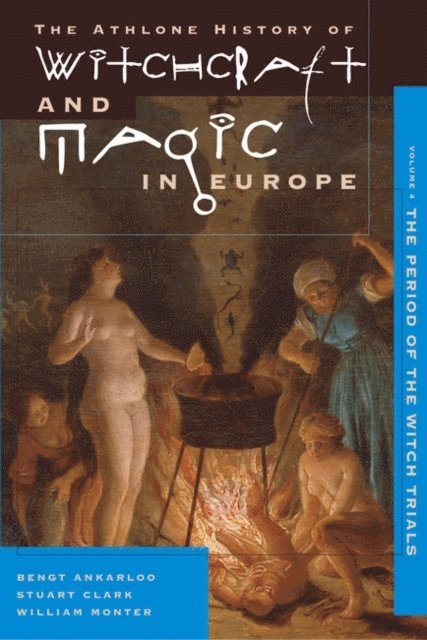
Witchcraft and Magic in Europe, Volume 4
The Period of the Witch Trials
Av Bengt Ankarloo, Stuart Clark m. fl.
E-bok, 2002
1204 kr
Lägg i varukorg
The fifteenth to eighteenth centuries was a period of witchcraft prosecutions throughout Europe and modern scholars have now devoted a huge amount of research to these episodes. This volume will attempt to bring this work together by summarising the history of the trials in a new way - according to …