William Patrick – författare
Visar alla böcker från författaren William Patrick. Handla med fri frakt och snabb leverans.
6 produkter
Hit Hard
A Story of Hitting Rock Bottom at the Top
Av Keith Garde, William Patrick m. fl.
E-bok, 2009
101 kr
Lägg i varukorg
In 1997, amid Aerosmith''s sold-out world tour and number one album release, word about Joey''s troubles was reported in the press.Despite the advice he had received to play it down, Joey revealed in an interview his ongoing struggles with depression. The response from fans and people battling …
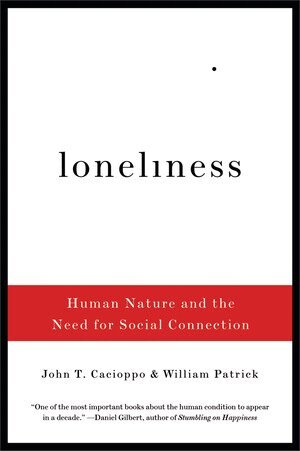
Loneliness
Human Nature and the Need for Social Connection
Av John T. Cacioppo, William Patrick
Häftad, 2009
177 kr
Lägg i varukorg
University of Chicago social neuroscientist John T. Cacioppo pioneered research on the startling effects of loneliness: a sense of isolation or social rejection disrupts not only our ability to think and will power but also our immune systems, and can be as damaging as obesity or smoking. On the …
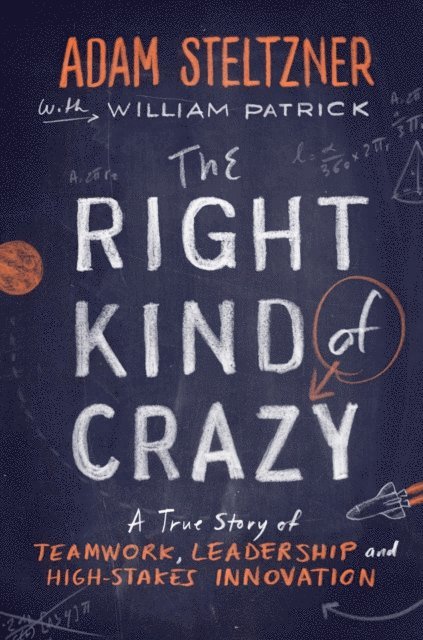
Right Kind of Crazy
A True Story of Teamwork, Leadership, and High-Stakes Innovation
Av William Patrick, Adam Steltzner
E-bok, 2016
230 kr
Lägg i varukorg
From Adam Steltzner, who led the Entry, Descent, and Landing team in landing the Curiosity rover on the surface of Mars, comes a profound book about breakthrough innovation in the face of the impossible The Jet Propulsion Laboratory (JPL) is home to some of history’s most jaw-dropping feats of …
Next Pandemic
On the Front Lines Against Humankind's Gravest Dangers
Av Ali S. Khan, William Patrick
Häftad, 2020
192 kr
Lägg i varukorg
The Next Pandemic is a gripping book that confronts the most urgent question facing our species: when, where, and how will the next major outbreak arrive?Some of history's biggest killers have been infectious diseases: The Black Death killed around 20 million in the 14th century; Spanish Flu killed …
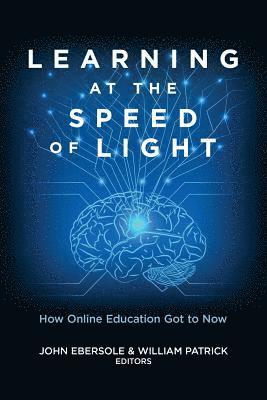
Learning at the Speed of Light
How Online Education Got to Now
Av John Ebersole, William Patrick
Häftad, 2017
466 kr
Tillfälligt slut

![William Patrick - Historical Sketches of Canterbury, N(ew) H(ampshire). a Sermon [On Job. VIII. 8, 9] at the Close of the Thirtieth Year of the Author's Ministry., Häftad. Tillgänglighet: Lägg i varukorg](https://image.bokus.com/images2/9781241339227_766)