Willy Yepez Alvarez – författare
Visar alla böcker från författaren Willy Yepez Alvarez. Handla med fri frakt och snabb leverans.
4 produkter
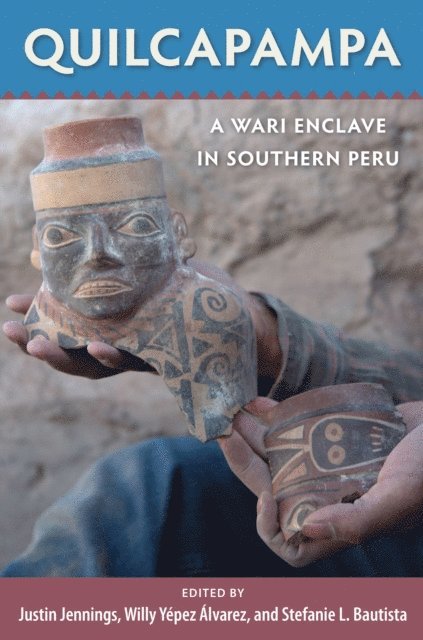
Quilcapampa
A Wari Enclave in Southern Peru
Av Stefanie L. Bautista, Willy Yepez Alvarez m. fl.
E-bok, 2021
1605 kr
Lägg i varukorg
In the ninth century AD, settlers from the heartland of the Wari Empire founded Quilcapampa, a short-lived site overlooking the Sihuas River in southern Peru. The contributors to this volume present excavation and survey data from in and around Quilcapampa that challenge long-held models of both …
Quilcapampa
A Wari Enclave in Southern Peru
Av Stefanie L. Bautista, Willy Yepez Alvarez m. fl.
E-bok, 2021
777 kr
Lägg i varukorg
In the ninth century AD, settlers from the heartland of the Wari Empire founded Quilcapampa, a short-lived site overlooking the Sihuas River in southern Peru. The contributors to this volume present excavation and survey data from in and around Quilcapampa that challenge long-held models of both …
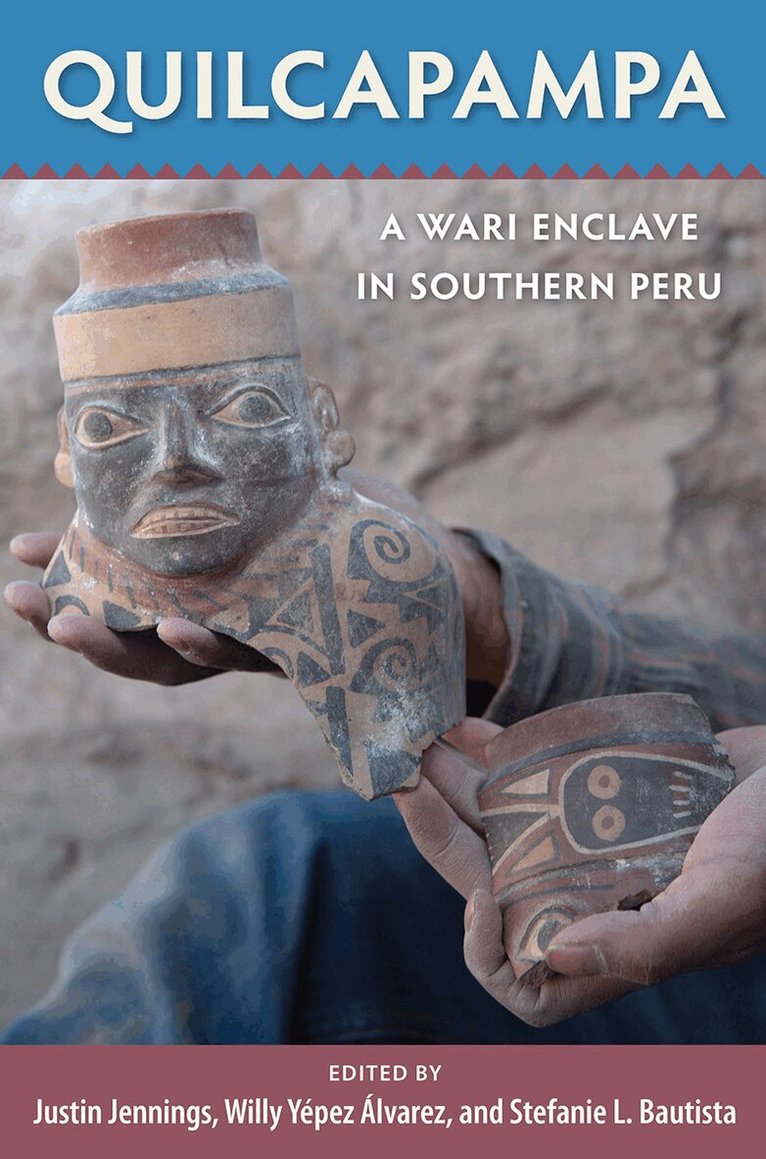
Quilcapampa
A Wari Enclave in Southern Peru
Av Justin Jennings, Willy Yepez Ãlvarez m. fl.
Inbunden, 2021
1052 kr
Lägg i varukorg
In the ninth century AD, settlers from the heartland of the Wari Empire founded Quilcapampa, a short-lived site overlooking the Sihuas River in southern Peru. The contributors to this volume present excavation and survey data from in and around Quilcapampa that challenge long-held models of both …
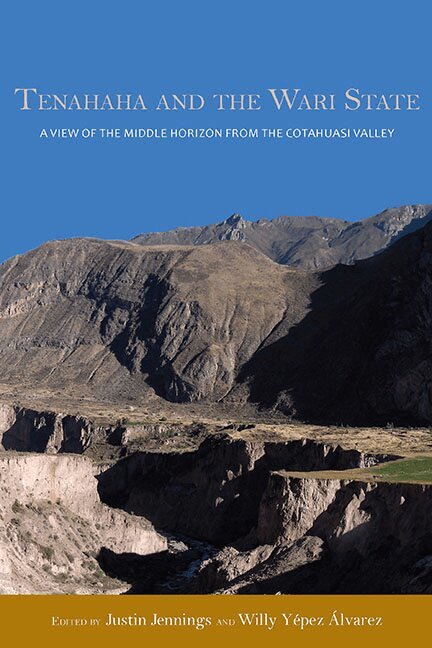
Tenahaha and the Wari State
A View of the Middle Horizon from the Cotahuasi Valley
Av Justin Jennings, Willy Yépez Álvarez
Inbunden, 2015
812 kr
Lägg i varukorg
Five hundred years before the Inca, the Middle Horizon period (A.D. 600-1000) was a time of sweeping cultural change in the Andes. Archaeologists have long associated this period with the expansion of the Wari (Huari) and Tiwanaku (Tiahuanaco) states in the south-central Andes and the Pacific …