Wisam Kh. Abdul-Jabbar – författare
1 950 kr
Skickas inom 10-15 vardagar
635 kr
Läs direkt efter köp
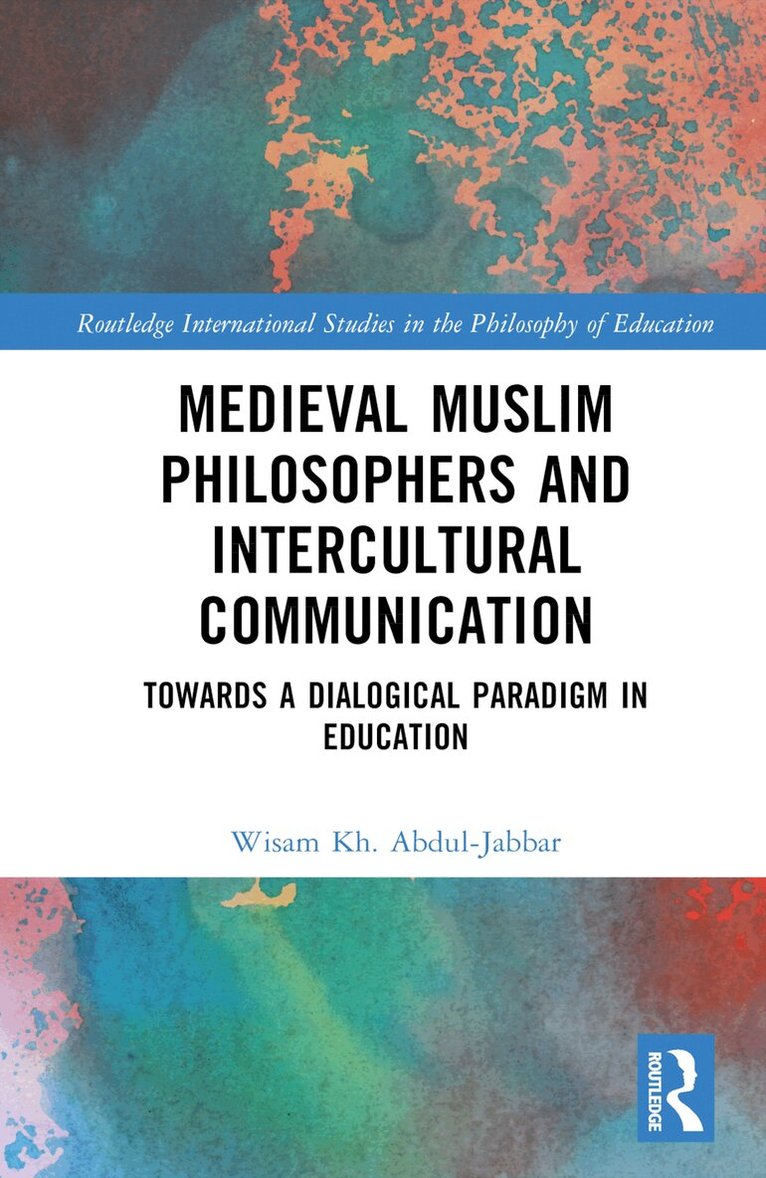
This book examines the works of Medieval Muslim philosophers interested in intercultural encounters and how receptive Islam is to foreign thought, to serve as a dialogical model, grounded in intercultural communications, for Islamic and Arabic education. The philosophers studied in this project were instructors, tutors, or teachers, such as Al-Kindi, Al-Farabi, Al-Ghazali, and Averroes, whose philosophical contributions directly or indirectly advanced intercultural learning.
The book describes and provides examples of how each of these philosophers engaged with intercultural encounters, and asks how their philosophies can contribute to infusing intercultural ethics and practices into curriculum theorizing. First, it explores selected works of medieval Muslim philosophers from an intercultural perspective to formulate a dialogical paradigm that informs and enriches Muslim education. Second, it frames intercultural education as a catalyst to guide Muslim communities’ interactions and identity construction, encouraging flexibility, tolerance, deliberation, and plurality. Third, it bridges the gap between medieval tradition and modern thought by promoting interdisciplinary connections and redrawing intercultural boundaries outside disciplinary limits. This study demonstrates that the dialogical domain that guides intercultural contact becomes a curriculum-oriented structure with Al-Kindi, a tripartite pedagogical model with Al-Fārābī, a sojourner experience with Al-Ghazali, and a deliberative pedagogy of alternatives with Averroes. Therefore, the book speaks to readers interested in the potential of dialogue in education, intercultural communication, and Islamic thought research.
Crucially bridging the gap between medieval tradition and modern thought by promoting interdisciplinary connections and redrawing intercultural boundaries outside disciplinary limits, it will speak to readers interested in the dialogue between education, intercultural communication, and Islamic thought.
.
635 kr
Läs direkt efter köp
This book examines the works of Medieval Muslim philosophers interested in intercultural encounters and how receptive Islam is to foreign thought, to serve as a dialogical model, grounded in intercultural communications, for Islamic and Arabic education. The philosophers studied in this project were instructors, tutors, or teachers, such as Al-Kindi, Al-Farabi, Al-Ghazali, and Averroes, whose philosophical contributions directly or indirectly advanced intercultural learning.
The book describes and provides examples of how each of these philosophers engaged with intercultural encounters, and asks how their philosophies can contribute to infusing intercultural ethics and practices into curriculum theorizing. First, it explores selected works of medieval Muslim philosophers from an intercultural perspective to formulate a dialogical paradigm that informs and enriches Muslim education. Second, it frames intercultural education as a catalyst to guide Muslim communities’ interactions and identity construction, encouraging flexibility, tolerance, deliberation, and plurality. Third, it bridges the gap between medieval tradition and modern thought by promoting interdisciplinary connections and redrawing intercultural boundaries outside disciplinary limits. This study demonstrates that the dialogical domain that guides intercultural contact becomes a curriculum-oriented structure with Al-Kindi, a tripartite pedagogical model with Al-Fārābī, a sojourner experience with Al-Ghazali, and a deliberative pedagogy of alternatives with Averroes. Therefore, the book speaks to readers interested in the potential of dialogue in education, intercultural communication, and Islamic thought research.
Crucially bridging the gap between medieval tradition and modern thought by promoting interdisciplinary connections and redrawing intercultural boundaries outside disciplinary limits, it will speak to readers interested in the dialogue between education, intercultural communication, and Islamic thought.
.
224 kr
Kommande
721 kr
Kommande
442 kr
Skickas
1 962 kr
Skickas inom 10-15 vardagar
479 kr
Skickas inom 10-15 vardagar
883 kr
Läs direkt efter köp
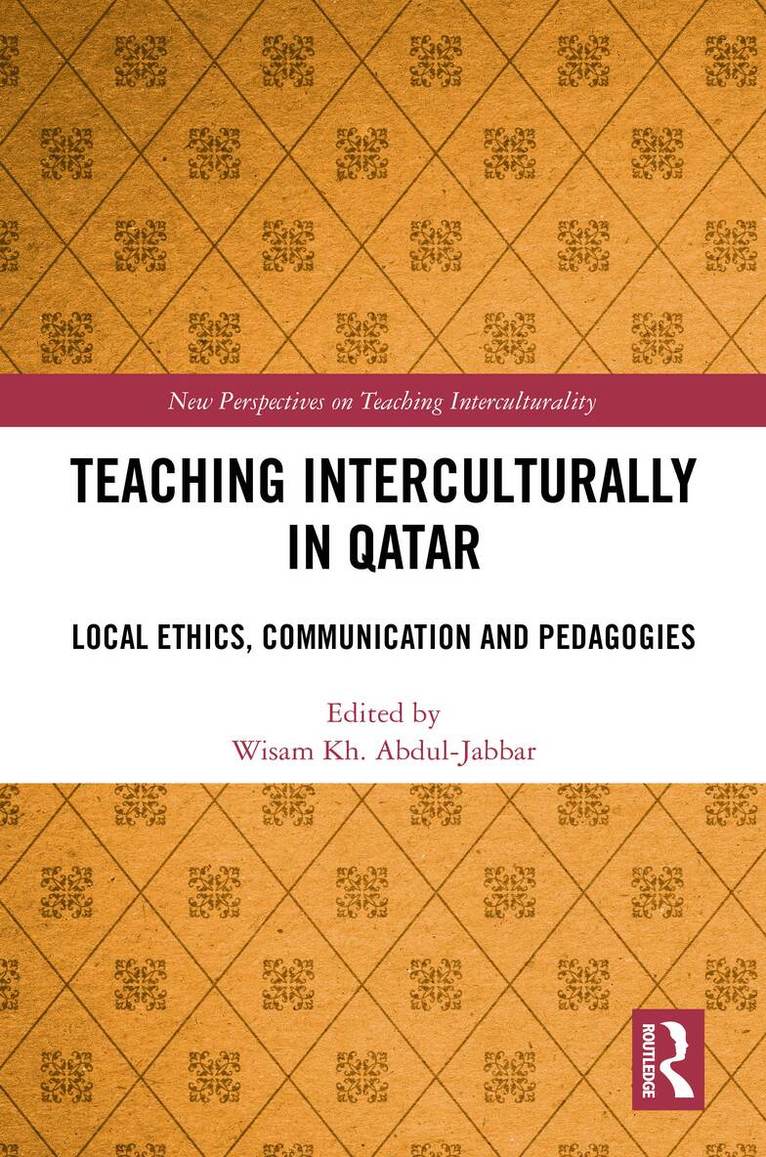
This book focuses on intercultural communication in Qatar, exploring local epistemologies and ethical practices that influence pedagogical methods for school and university curricula.
This book provides an in-depth look at intercultural education in primary and secondary schools, as well as undergraduate and postgraduate programmes in various schools, departments, and colleges in Qatar. It suggests effective cross-cultural pedagogies for intercultural exchange in the Qatari context and details how to develop intercultural competencies and dialogical models. The book also explores how intercultural encounters are manifested in Qatari culture through verbal or nonverbal forms of communication, personal space, cultural identity, media, access perspectives, and language learning. The volume includes both insider and diaspora perspectives and addresses a wide range of contentious issues such as communication with minority groups, the possibilities of global citizenship, intercultural and interfaith dialogues, the internationalization of education, and the role of the intercultural translator. It aims to promote learning skills that enable and diversify effective participation in social reform, knowledge dissemination, conviviality, and citizenship.
The title will serve as a valuable reference for international education and intercultural communication and teaching, especially in the context of Qatar.
883 kr
Läs direkt efter köp
This book focuses on intercultural communication in Qatar, exploring local epistemologies and ethical practices that influence pedagogical methods for school and university curricula.
This book provides an in-depth look at intercultural education in primary and secondary schools, as well as undergraduate and postgraduate programmes in various schools, departments, and colleges in Qatar. It suggests effective cross-cultural pedagogies for intercultural exchange in the Qatari context and details how to develop intercultural competencies and dialogical models. The book also explores how intercultural encounters are manifested in Qatari culture through verbal or nonverbal forms of communication, personal space, cultural identity, media, access perspectives, and language learning. The volume includes both insider and diaspora perspectives and addresses a wide range of contentious issues such as communication with minority groups, the possibilities of global citizenship, intercultural and interfaith dialogues, the internationalization of education, and the role of the intercultural translator. It aims to promote learning skills that enable and diversify effective participation in social reform, knowledge dissemination, conviviality, and citizenship.
The title will serve as a valuable reference for international education and intercultural communication and teaching, especially in the context of Qatar.
530 kr
Skickas inom 10-15 vardagar
753 kr
Läs direkt efter köp
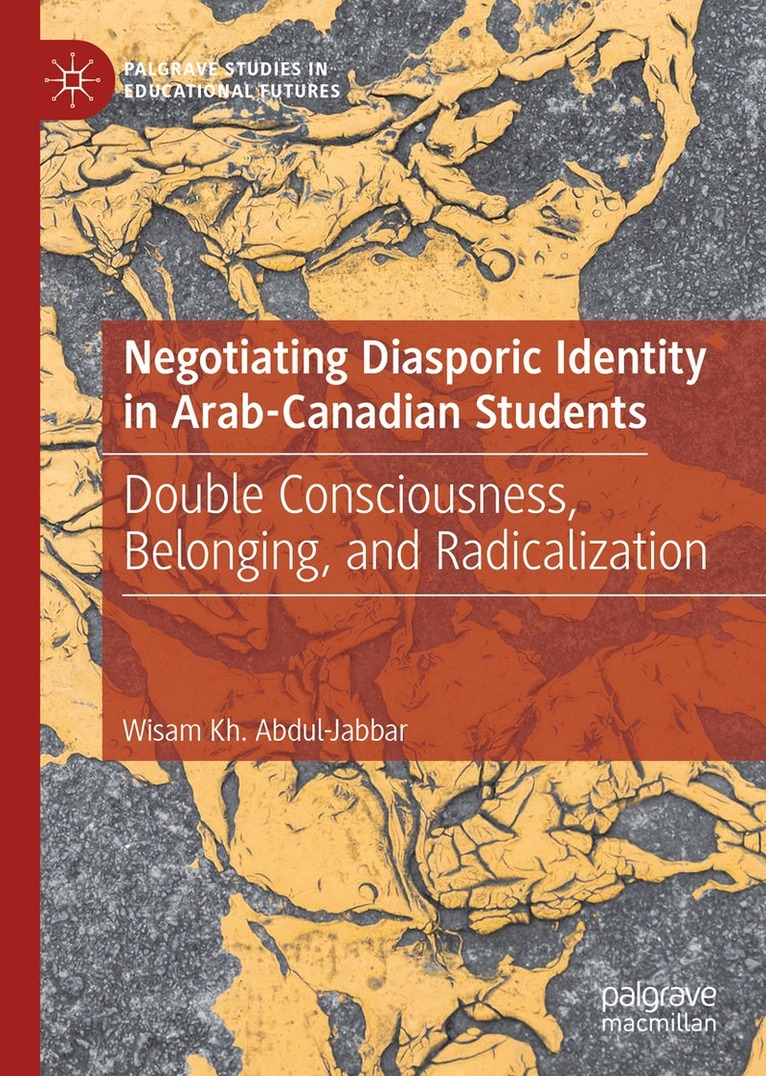
This book, framed through the notion of double consciousness, brings postcolonial constructs to sociopolitical and pedagogical studies of youth that have yet to find serious traction in education. Significantly, this book contributes to a growing interest among educational and curriculum scholars in engaging the pedagogical role of literature in the theorization of an inclusive curriculum. Therefore, this study not only recognizes the potential of immigrant literature in provoking critical conversation on changes young people undergo in diaspora, but also explores how the curriculum is informed by the diasporic condition itself as demonstrated by this negotiation of foreignness between the student and selected texts.