• Fri frakt över 249 kr
  • •
  • Snabba leveranser
  • •
  • Billiga böcker
Kundservice

Du är på sajten för privatpersoner.

Företag, bibliotek eller offentlig verksamhet?

Du handlar på classic.bokus.com, där alla dina funktioner finns intakta.
Till classic.bokus.com
Bokus logotyp. Gå till startsidan.
  • Erbjudanden
  • Nyheter
  • Student
  • Topplistor
  • Barn & ungdom
  • Bokus Play
  • E-böcker
  • Pocketböcker
  • Spel & pussel

10% rabatt på allt med kod: NYSTART10 →

Sidfot

Mina sidor

    Hjälp

    • Kundservice
    • Vanliga frågor och svar
    • Frakt och leverans
    • Retur vid ångerrätt
    • Reklamera vara
    • Betalning
    • Köpvillkor
    • Allmänna villkor
    • Information om webbplatsens tillgänglighet

    Om Bokus

    • Om oss
    • Pressrum
    • För studenter
    • För företag
    • För bibliotek och offentlig verksamhet
    • För leverantörer
    • Hållbarhet

    Populärt

    • Aktuella erbjudanden
    • Presentkort
    • Studentlitteratur
    • Nya böcker
    • Topplistor
    • Signerade böcker
    • Engelska böcker

    Inspiration

    • Boktips
    • BookTok
    • Populära bokserier
    • Barnbokskaraktärer
    • Populära författare
    Logotyp för Bokus
    Följ oss på Facebook (extern länk)Följ oss på Instagram (extern länk)Följ oss på YouTube (extern länk)Följ oss på TikTok (extern länk)
    bokus @ CookiesAnpassa cookiesIntegritetspolicyKöpvillkor
    Till Citymail hemsida (extern länk)Till Budbee hemsida (extern länk)Till Postnord hemsida (extern länk)Till Schenker hemsida (extern länk)Till Early Bird hemsida (extern länk)Till Walleys hemsida (extern länk)
    1. Psykologi och pedagogik
    2. Pedagogik
    3. Pedagogisk teori och filosofi

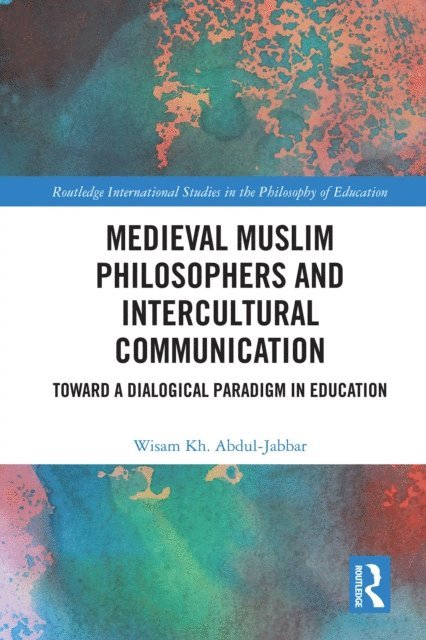
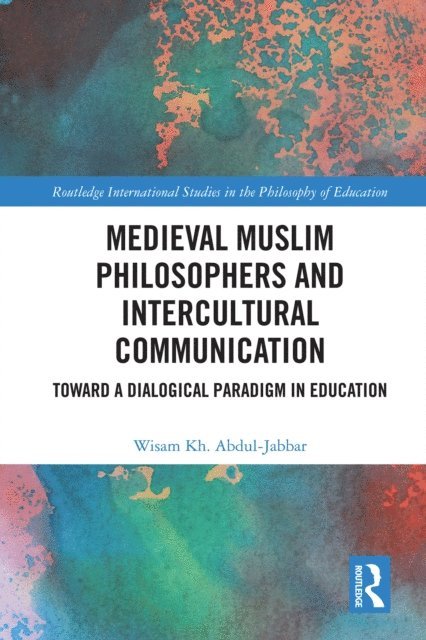
    Medieval Muslim Philosophers and Intercultural Communication

    Towards a Dialogical Paradigm in Education

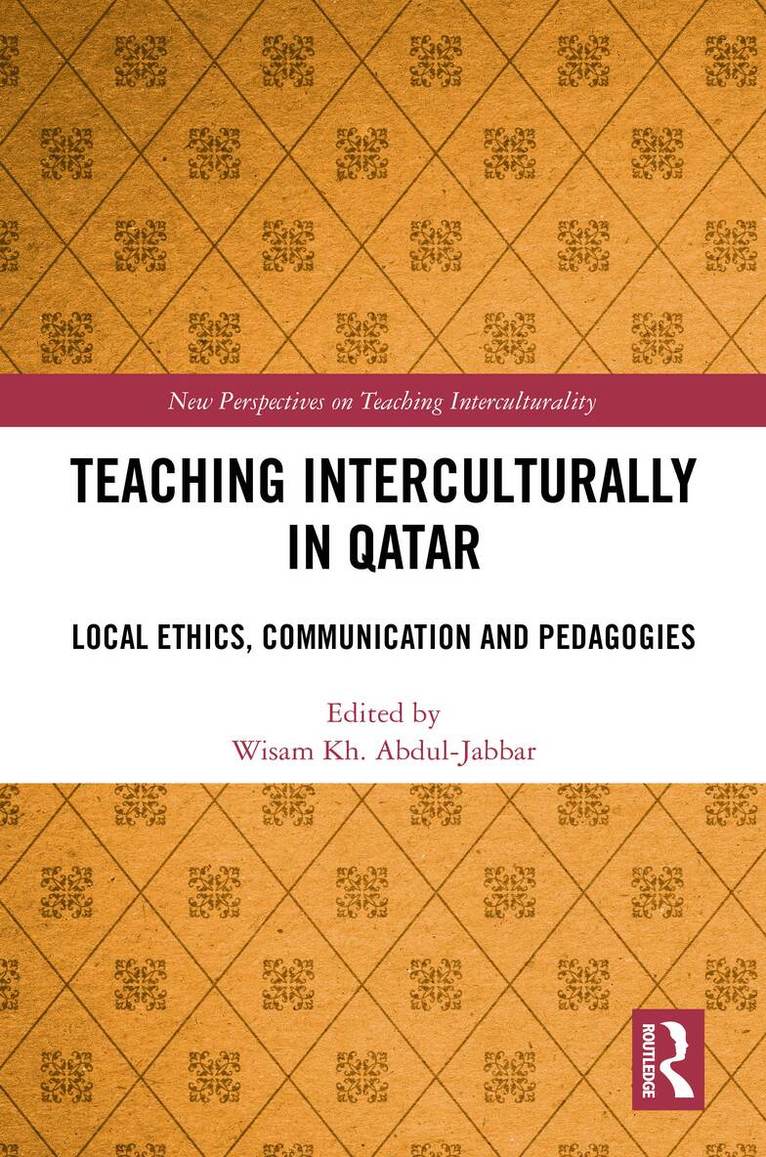
    AvWisam Kh. Abdul-Jabbar

    Häftad, Engelska, 2022

    Del i serien Routledge International Studies in the Philosophy of Education

    442 kr

    Skickas . Fri frakt över 249 kr.

    Fler format och utgåvor

    Inbunden

    2 056 kr

    E-bok

    691 kr

    E-bok

    693 kr

    Beskrivning

    This book examines the works of Medieval Muslim philosophers interested in intercultural encounters and how receptive Islam is to foreign thought, to serve as a dialogical model, grounded in intercultural communications, for Islamic and Arabic education. The philosophers studied in this project were instructors, tutors, or teachers, such as Al-Kindi, Al-Farabi, Al-Ghazali, and Averroes, whose philosophical contributions directly or indirectly advanced intercultural learning. The book describes and provides examples of how each of these philosophers engaged with intercultural encounters, and asks how their philosophies can contribute to infusing intercultural ethics and practices into curriculum theorizing. First, it explores selected works of medieval Muslim philosophers from an intercultural perspective to formulate a dialogical paradigm that informs and enriches Muslim education. Second, it frames intercultural education as a catalyst to guide Muslim communities’ interactions and identity construction, encouraging flexibility, tolerance, deliberation, and plurality. Third, it bridges the gap between medieval tradition and modern thought by promoting interdisciplinary connections and redrawing intercultural boundaries outside disciplinary limits. This study demonstrates that the dialogical domain that guides intercultural contact becomes a curriculum-oriented structure with Al-Kindi, a tripartite pedagogical model with Al-Fārābī, a sojourner experience with Al-Ghazali, and a deliberative pedagogy of alternatives with Averroes. Therefore, the book speaks to readers interested in the potential of dialogue in education, intercultural communication, and Islamic thought research. Crucially bridging the gap between medieval tradition and modern thought by promoting interdisciplinary connections and redrawing intercultural boundaries outside disciplinary limits, it will speak to readers interested in the dialogue between education, intercultural communication, and Islamic thought. .


    Produktinformation

    • Utgivningsdatum:2022-12-30
    • Mått:152 x 229 x 13 mm
    • Vikt:300 g
    • Format:Häftad
    • Språk:Engelska
    • Serie:Routledge International Studies in the Philosophy of Education
    • Antal sidor:174
    • Förlag:Taylor & Francis Ltd
    • ISBN:9781032423807

    Utforska kategorier

    • Pedagogisk teori och filosofi inom Psykologi och pedagogik
    • Filosofiska discipliner inom Filosofi och religion
    • Kulturvetenskap inom Samhälle och politik

    Mer om författaren

    Wisam Kh. Abdul-Jabbar holds a Ph.D. (funded by the Social Sciences and Humanities Research Council of Canada) from the University of Alberta, where he was awarded the Bacchus Graduate Research Prize for scholarly excellence in International and Multicultural Education. He also received the University of Alberta President’s Doctoral Prize of Distinction, among other awards such as the JDH McFetridge Graduate Scholarship and the Andrew Stewart Memorial Graduate Prize, for outstanding accomplishment and potential in pursuit of new knowledge. Dr. Abdul-Jabbar held a postdoctoral fellowship (also funded by the Social Sciences and Humanities Research Council of Canada) at the University of Calgary. His research considers how intercultural communication resonates with educational practices and explores convergences of seemingly differing cultures with the aim of infusing intercultural dialogue into educational discourse. He is currently a visiting professor teaching graduate courses in the Intercultural Communication program at HBKU in Qatar. He is also a faculty member in the Adult Education Master’s Degree program at Yorkville University, Canada. Prior to that, he was an adjunct professor at the University of Alberta, Canada. He is the author of Negotiating Diasporic Identity in Arab-Canadian Students - Double Consciousness, Belonging, and Radicalization (Palgrave, 2019).

    Innehållsförteckning

    • 1. The Intercultural, Educational, and Interdisciplinary Borderlines 2. Intercultural Encounters, Discord, and Discovery: Medieval Times Amid Evil Times? 3. The Dialogical Paradigm 4. Al-Kindi on Education: Curriculum Theorizing and the Intercultural Minhaj 5. Intercultural Fārābism: Towards a Tripartite Model of Dialogical Education 6. Rihla as the Sojourner’s Deliverer from Error: Al-Ghazali’s Interdisciplinary and Intercultural Journey of Epistemic Crisis 7. The Averroesian Deliberative Pedagogy of Intercultural Education 8. Conclusion