Wojciech Tworek – författare
Visar alla böcker från författaren Wojciech Tworek. Handla med fri frakt och snabb leverans.
8 produkter
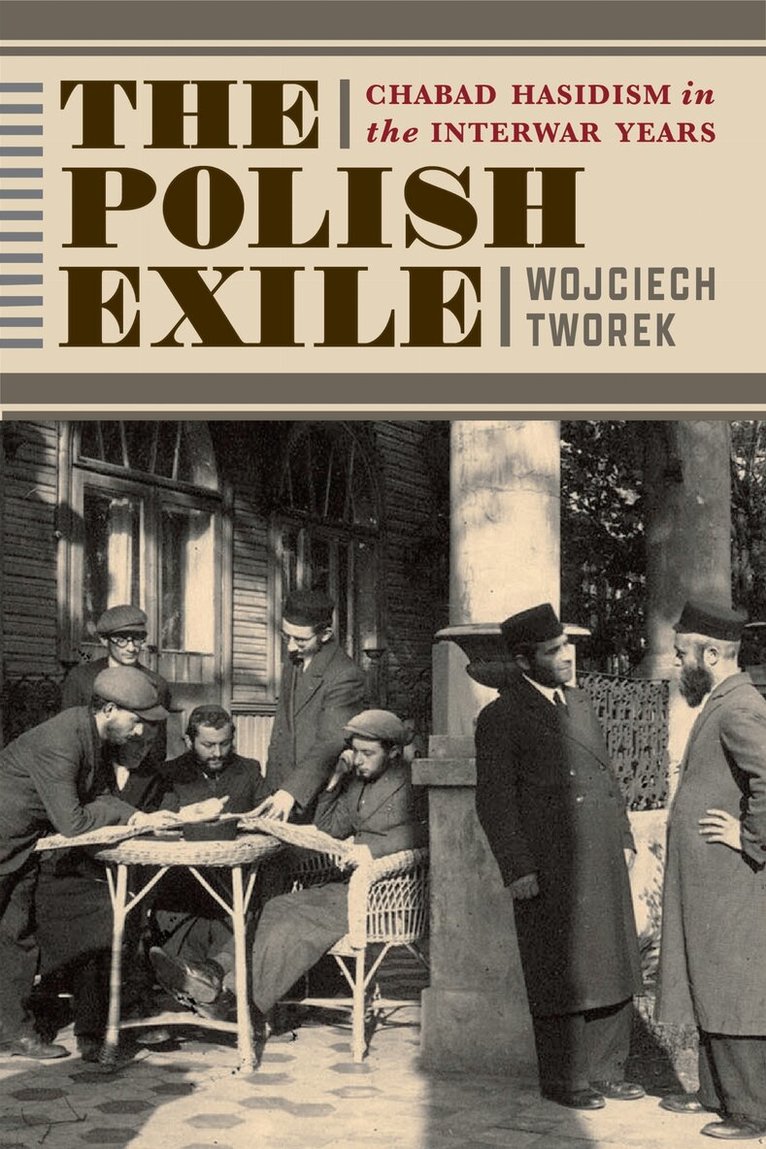
Polish Exile
Chabad Hasidism in the Interwar Years
Häftad, 2026
418 kr
Lägg i varukorg
Hasidism, a vibrant Jewish mystical movement, emerged in Eastern Europe in the eighteenth century. Among its branches, Chabad took root and flourished in tsarist Russia, radiating its distinct intellectual and spiritual approach from the Russian town of Lubavitch. But World War I, the October …
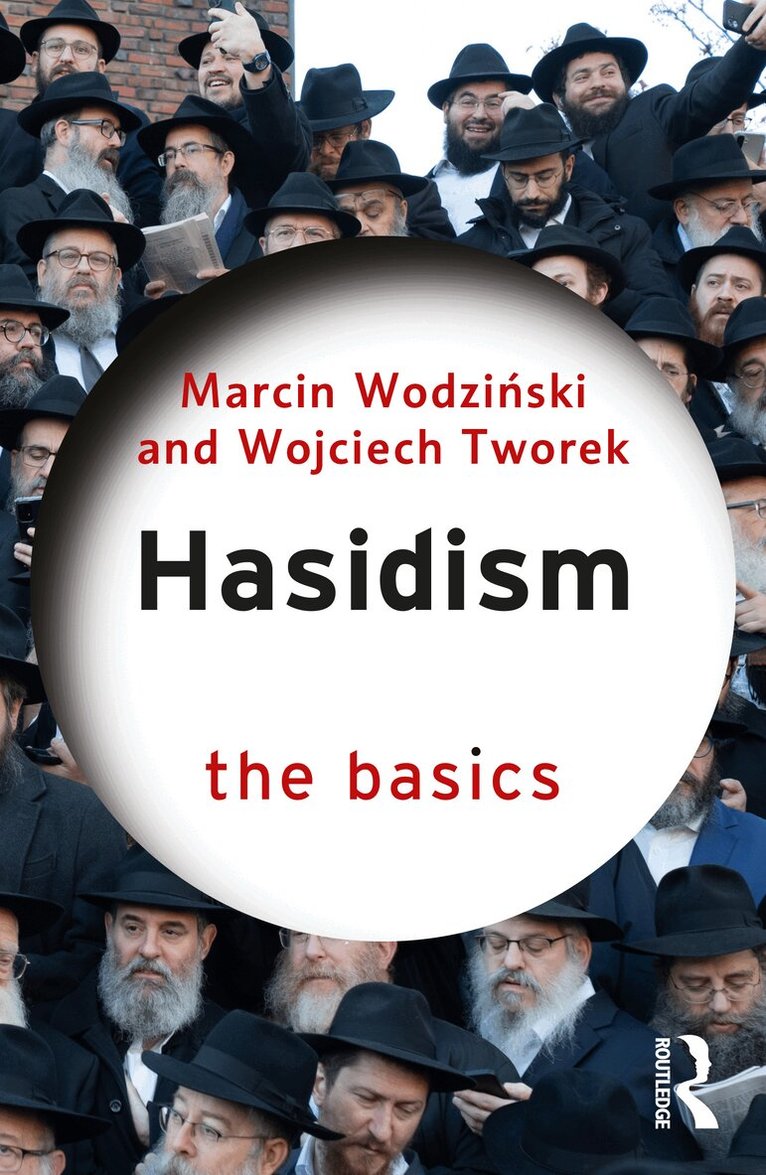
Hasidism: The Basics
Av Marcin Wodziński, Wojciech Tworek
Häftad, 2026
295 kr
Kommande
Hasidism: The Basics offers a clear and accessible introduction to one of the most influential socioreligious movements shaping Jewish religious, social, and cultural life from the eighteenth century to the present. The book outlines Hasidism as a dynamic movement that profoundly transformed …
Hasidism: The Basics
Av Marcin Wodziński, Wojciech Tworek
Inbunden, 2026
2483 kr
Kommande
Hasidism: The Basics offers a clear and accessible introduction to one of the most influential socioreligious movements shaping Jewish religious, social, and cultural life from the eighteenth century to the present. The book outlines Hasidism as a dynamic movement that profoundly transformed …
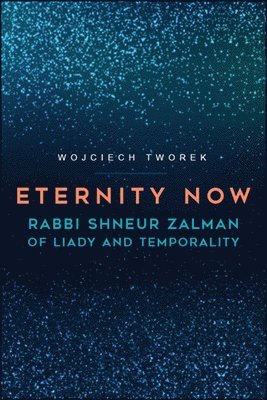
Eternity Now
Rabbi Shneur Zalman of Liady and Temporality
Häftad, 2020
453 kr
Lägg i varukorg
Demonstrates that Rabbi Shneur Zalman's teachings regarding time and history enabled Habad's growth into a mass Jewish movement.The Habad movement, formed in eighteenth-century Belarus, has developed into one of the most influential streams of Hasidic Judaism. Drawing on both mystical sermons and …
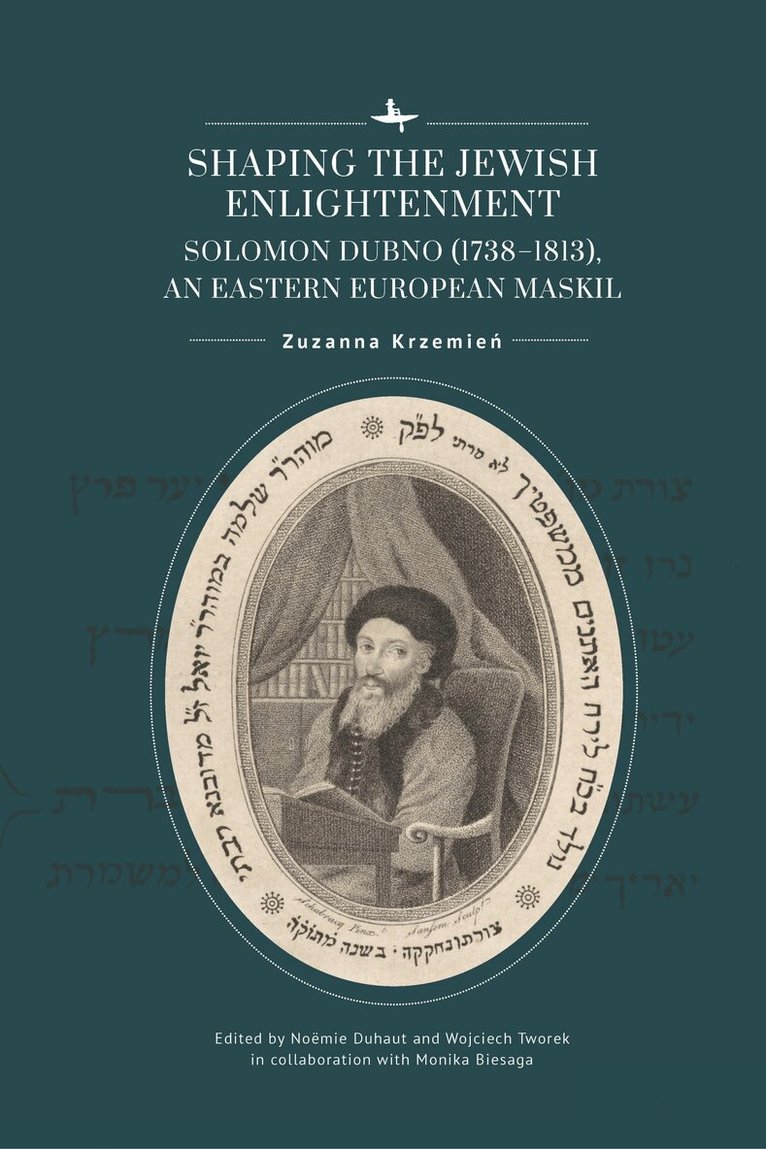
Shaping the Jewish Enlightenment
Solomon Dubno (1738–1813), an Eastern European Maskil
Av Zuzanna Krzemień, Noëmie Duhaut m. fl.
Inbunden, 2023
1856 kr
Lägg i varukorg
Drawing from diverse multilingual sources, Krzemień delves into Solomon Dubno's life (1738–1813), unraveling complexities of the Haskalah movement's ties to Eastern European Jewish culture. Dubno, a devout Polish Jew and adept Hebrew grammarian, played a pivotal role in Moses Mendelssohn's endeavor …
Shaping the Jewish Enlightenment
Solomon Dubno (1738–1813), an Eastern European Maskil
Av Zuzanna Krzemien, Wojciech Tworek m. fl.
E-bok, 2023
2845 kr
Lägg i varukorg
Drawing from diverse multilingual sources, Krzemień delves into Solomon Dubno''s life (1738–1813), unraveling complexities of the Haskalah movement''s ties to Eastern European Jewish culture. Dubno, a devout Polish Jew and adept Hebrew grammarian, played a pivotal role in Moses Mendelssohn''s …
Shaping the Jewish Enlightenment
Solomon Dubno (1738–1813), an Eastern European Maskil
Av Zuzanna Krzemien, Wojciech Tworek m. fl.
E-bok, 2024
2636 kr
Lägg i varukorg
Drawing from diverse multilingual sources, Krzemień delves into Solomon Dubno''s life (1738–1813), unraveling complexities of the Haskalah movement''s ties to Eastern European Jewish culture. Dubno, a devout Polish Jew and adept Hebrew grammarian, played a pivotal role in Moses Mendelssohn''s …
Eternity Now
Rabbi Shneur Zalman of Liady and Temporality
Inbunden, 2019
1111 kr
Tillfälligt slut
Demonstrates that Rabbi Shneur Zalman's teachings regarding time and history enabled Habad's growth into a mass Jewish movement.The Habad movement, formed in eighteenth-century Belarus, has developed into one of the most influential streams of Hasidic Judaism. Drawing on both mystical sermons and …