Wylin D. Wilson - Böcker
Visar alla böcker från författaren Wylin D. Wilson. Handla med fri frakt och snabb leverans.
4 produkter
4 produkter
985 kr
Skickas inom 10-15 vardagar
Offers Bioethics a bold approach to redress its failing of Black womenBlack people, and especially Black women, suffer and die from diseases at much higher rates than their white counterparts. The vast majority of these health disparities are not attributed to behavioral differences or biology, but to the pervasive devaluation of Black bodies.Womanist Bioethics addresses this crisis from a bioethical standpoint. It offers a critique of mainstream bioethics as having embraced the perspective of its mainly white, male progenitors, limiting the extent to which it is positioned to engage the issues that particularly affect vulnerable populations. This book makes the provocative but essential case that because African American women– across almost every health indicator– fare worse than others. We must not only include, but center, Black women's experiences and voices in bioethics discourse and practice.To this end, Womanist Bioethics develops the first specifically womanist form of bioethics, focused on the diverse vulnerabilities and multiple oppressions that women of color face. This innovative womanist bioethics is grounded in the Black Christian prophetic tradition, based on the ideas that God does not condone oppression and that it is imperative to defend those who are vulnerable. It also draws on womanist theology and Black liberation theology, which take similar stances. At its core, the volume offers a new, broad-based approach to bioethics that is meant as a corrective to mainstream bioethics' privileging of white, particularly male, experiences, and it outlines ways in which hospitals, churches, and the larger community can better respond to the healthcare needs of Black women.
319 kr
Skickas inom 7-10 vardagar
Offers Bioethics a bold approach to redress its failing of Black womenBlack people, and especially Black women, suffer and die from diseases at much higher rates than their white counterparts. The vast majority of these health disparities are not attributed to behavioral differences or biology, but to the pervasive devaluation of Black bodies.Womanist Bioethics addresses this crisis from a bioethical standpoint. It offers a critique of mainstream bioethics as having embraced the perspective of its mainly white, male progenitors, limiting the extent to which it is positioned to engage the issues that particularly affect vulnerable populations. This book makes the provocative but essential case that because African American women– across almost every health indicator– fare worse than others. We must not only include, but center, Black women's experiences and voices in bioethics discourse and practice.To this end, Womanist Bioethics develops the first specifically womanist form of bioethics, focused on the diverse vulnerabilities and multiple oppressions that women of color face. This innovative womanist bioethics is grounded in the Black Christian prophetic tradition, based on the ideas that God does not condone oppression and that it is imperative to defend those who are vulnerable. It also draws on womanist theology and Black liberation theology, which take similar stances. At its core, the volume offers a new, broad-based approach to bioethics that is meant as a corrective to mainstream bioethics' privileging of white, particularly male, experiences, and it outlines ways in which hospitals, churches, and the larger community can better respond to the healthcare needs of Black women.
1 273 kr
Skickas inom 10-15 vardagar
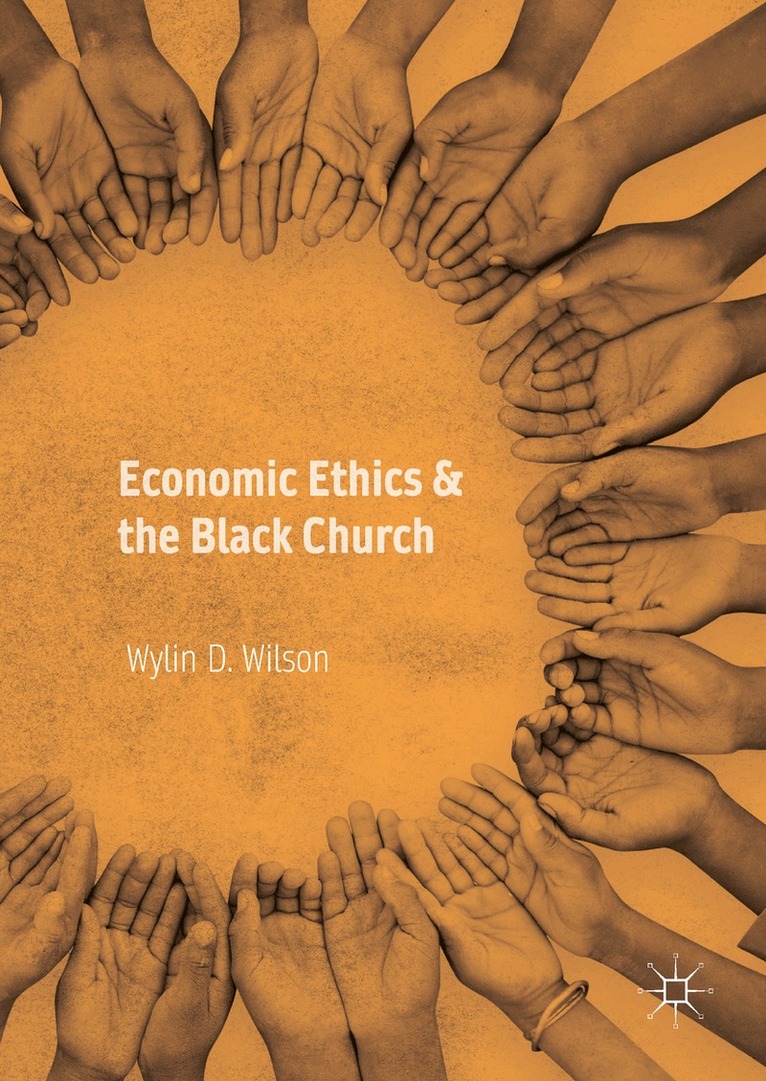
This book examines the relationship between race, religion, and economics within the black church. The book features unheard voices of individuals experiencing economic deprivation and the faith communities who serve as their refuge. Thus, this project examines the economic ethics of black churches in the rural South whose congregants and broader communities have long struggled amidst persistent poverty.Through a case study of communities in Alabama's Black Belt, this book argues that if the economic ethic of the Black Church remains accommodationist, it will continue to become increasingly irrelevant to communities that experience persistent poverty. Despite its historic role in combatting racial oppression and social injustice, the Church has also perpetuated ideologies that uncritically justify unjust social structures. Wilson shows how the Church can shift the conversation and reality of poverty by moving from a legacy of accommodationism and toward a legacy of empoweringliberating economic ethics.
1 273 kr
Skickas inom 10-15 vardagar
This book examines the relationship between race, religion, and economics within the black church. The book features unheard voices of individuals experiencing economic deprivation and the faith communities who serve as their refuge. Thus, this project examines the economic ethics of black churches in the rural South whose congregants and broader communities have long struggled amidst persistent poverty.Through a case study of communities in Alabama's Black Belt, this book argues that if the economic ethic of the Black Church remains accommodationist, it will continue to become increasingly irrelevant to communities that experience persistent poverty. Despite its historic role in combatting racial oppression and social injustice, the Church has also perpetuated ideologies that uncritically justify unjust social structures. Wilson shows how the Church can shift the conversation and reality of poverty by moving from a legacy of accommodationism and toward a legacy of empoweringliberating economic ethics.