Xiaomei Chen - Böcker
Visar alla böcker från författaren Xiaomei Chen. Handla med fri frakt och snabb leverans.
8 produkter
8 produkter
1 855 kr
Skickas inom 5-8 vardagar
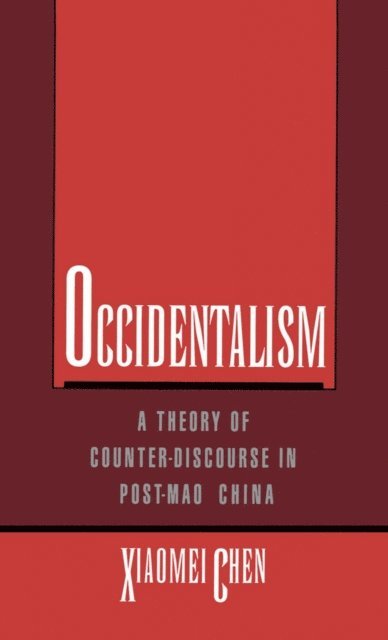
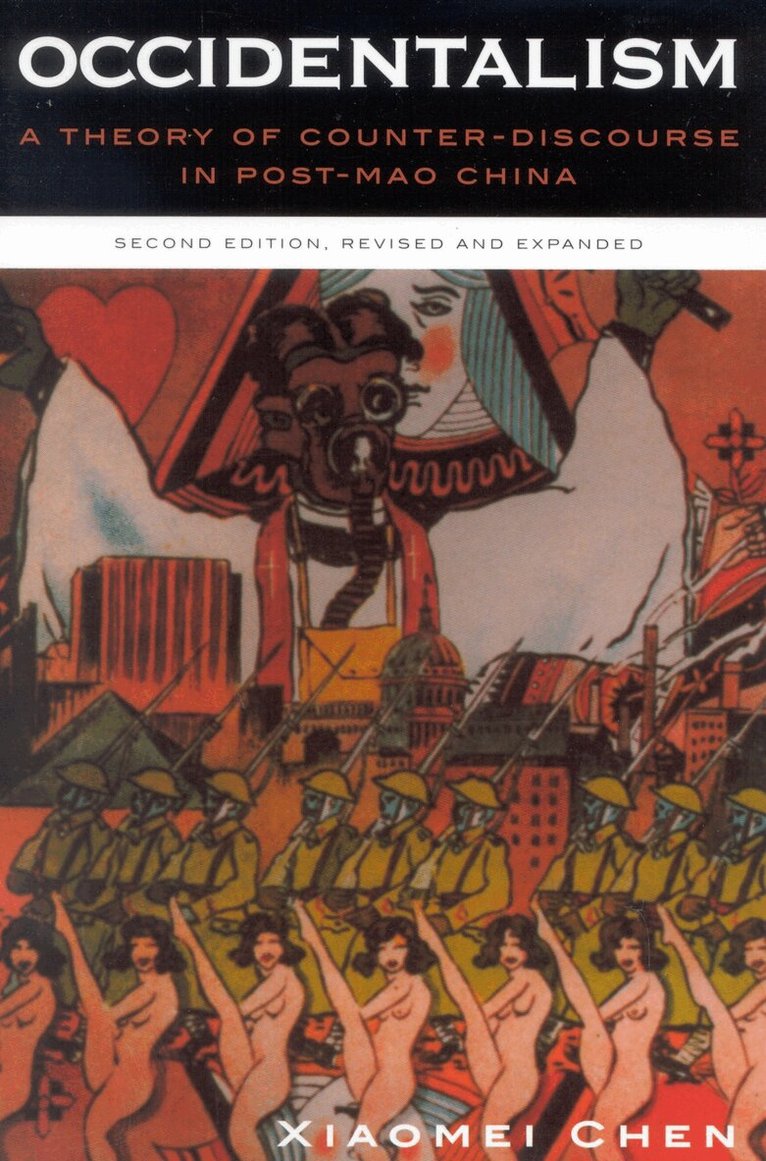
Xiaomei Chen offers an insightful account of the unremittingly favourable depiction of Western culture and its negative characterization of Chinese culture in post-Mao China from 1978-1988. Chen examines the cultural and political interrelations between the East and West from a vantage point more complex than that accommodated by most current theories of Western imperialism and colonialism. Going beyond Edward Said's construction in Orientalism of cross-cultural appropriations as a defining facet of Western imperialism, Chen argues that the appropriation of Western discourse--what she calls "Occidentalism"--can have a politically and ideologically liberating effect on contemporary non-Western culture. Using China as a focus of her analysis, Chen examines a variety of cultural media, from Shakespearean drama, to Western modernist poetry, to contemporary Chinese television. She thus places sinology in the general context of Western theoretical discourses, such as Eurocentrism, postcolonialism, nationalism, modernism, feminism, and literary hermeneutics, showing that it has a vital role to play in the study of Orient and Occident and their now unavoidable symbiotic relationship. Occidentalism presents a new model of comparative literary and cultural studies that re-envisions cross-cultural appropriation.
1 705 kr
Skickas inom 11-20 vardagar
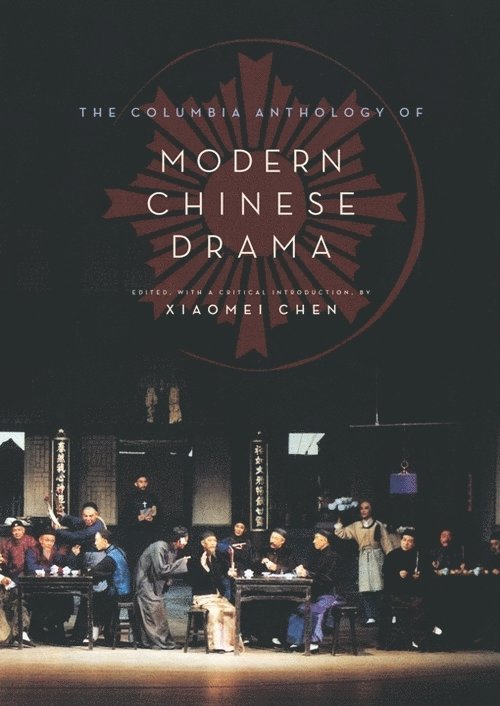
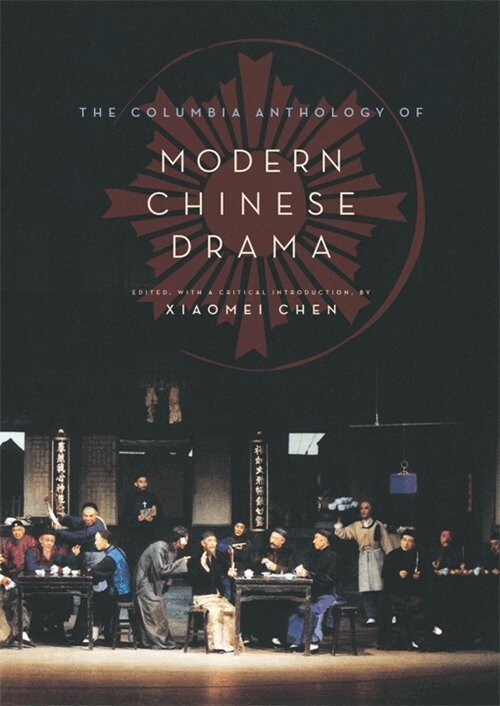
The first of its kind in English, this anthology translates twenty-two popular Chinese plays published between 1919 and 2000, accompanied by a critical introduction to the historical, cultural, and aesthetic evolution of twentieth-century Chinese spoken drama. Primarily comprising works from the People's Republic of China, though including representative plays from Hong Kong and Taiwan, this collection not only showcases the revolutionary rethinking of Chinese theater and performance that began in the late Qing dynasty. It also highlights the formation of Chinese national and gender identities during a period of tremendous social and political change, along with the genesis of contemporary attitudes toward the West. Early twentieth-century Chinese drama embodies the uncertainty and anxiety brought on by modernism, socialism, political conflict, and war. After 1949, PRC theater painted a complex portrait of the rise of communism in China, with the ideals of Chinese socialism juxtaposed against the sacrifices made for a new society.The Cultural Revolution promoted a "model theater" cultivated from the achievements of earlier, leftist spoken drama, even though this theater arose from the destruction of old culture. Post-Mao drama addresses the socialist legacy and the attempts of a wounded nation to reexamine its cultural roots. Taiwan's spoken drama synthesizes regional and foreign traditions, and Hong Kong's spoken drama sparkles as a hybrid of Chinese and Western influences. Immensely valuable for cross-disciplinary, comparative, and performance study, this anthology provides essential perspective on China's theatricality and representation of political life.
2 156 kr
Skickas inom 7-10 vardagar
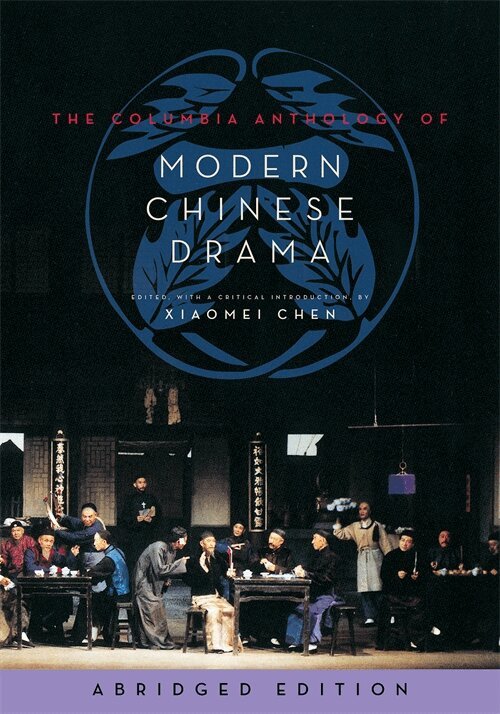
This condensed anthology reproduces close to a dozen plays from Xiaomei Chen's well-received original collection, The Columbia Anthology of Modern Chinese Drama, along with her critical introduction to the historical, cultural, and aesthetic evolution of twentieth-century Chinese spoken drama. Comprising representative works from the Republican era to postsocialist China, the book encapsulates the revolutionary rethinking of Chinese theater and performance that began in the late Qing dynasty and vividly portrays the uncertainty and anxiety brought on by modernism, socialism, political conflict, and war. Chosen works from 1919 to 1990 also highlight the formation of national and gender identities during a period of tremendous social, cultural, and political change in China and the genesis of contemporary attitudes toward the West. PRC theater tracks the rise of communism, juxtaposing ideals of Chinese socialism against the sacrifices made for a new society. Post-Mao drama addresses the nation's socialist legacy, its attempt to reexamine its cultural roots, and postsocialist reflections on critical issues such as nation, class, gender, and collective memories.An essential, portable guide for easy reference and classroom use, this abridgment provides a concise yet well-rounded survey of China's theatricality and representation of political life. The original work not only established a canon of modern Chinese drama in the West but also made it available for the first time in English in a single volume.
1 101 kr
Skickas inom 3-6 vardagar
This condensed anthology reproduces close to a dozen plays from Xiaomei Chen's well-received original collection, The Columbia Anthology of Modern Chinese Drama, along with her critical introduction to the historical, cultural, and aesthetic evolution of twentieth-century Chinese spoken drama. Comprising representative works from the Republican era to postsocialist China, the book encapsulates the revolutionary rethinking of Chinese theater and performance that began in the late Qing dynasty and vividly portrays the uncertainty and anxiety brought on by modernism, socialism, political conflict, and war. Chosen works from 1919 to 1990 also highlight the formation of national and gender identities during a period of tremendous social, cultural, and political change in China and the genesis of contemporary attitudes toward the West. PRC theater tracks the rise of communism, juxtaposing ideals of Chinese socialism against the sacrifices made for a new society. Post-Mao drama addresses the nation's socialist legacy, its attempt to reexamine its cultural roots, and postsocialist reflections on critical issues such as nation, class, gender, and collective memories.An essential, portable guide for easy reference and classroom use, this abridgment provides a concise yet well-rounded survey of China's theatricality and representation of political life. The original work not only established a canon of modern Chinese drama in the West but also made it available for the first time in English in a single volume.
533 kr
Skickas inom 7-10 vardagar
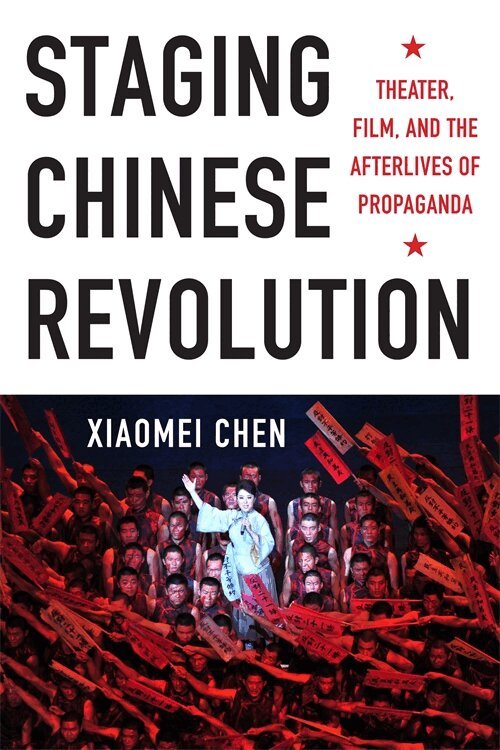
Staging Chinese Revolution surveys fifty years of theatrical propaganda performances in China, revealing a dynamic, commercial capacity in works often dismissed as artifacts of censorship. Spanning the 1960s through the 2010s, Xiaomei Chen reads films, plays, operas, and television shows from an interdisciplinary and comparative perspective, demonstrating how, in a socialist state with "capitalist characteristics," propaganda performance turns biographies, memoirs, and war stories into mainstream ideological commodities, legitimizing the state and its right to rule. Analyzing propaganda performance also brings contradictions and inconsistencies to light that throw common understandings about propaganda's purpose into question. Chen focuses on revisionist histories that stage the lives of the "founding fathers" of the Communist Party, such as Chen Duxiu, Mao Zedong, and Deng Xiaoping, and the engaging mix of elite and ordinary characters that animate official propaganda in the private and public sphere.Taking the form of "personal" memories and representing star and youth culture and cyberspace, contemporary Chinese propaganda appeals through multiple perspectives, complicating relations among self, subject, agent, state building, and national identity. Chen treats Chinese performance as an extended form of political theater confronting critical issues of commemoration, nostalgia, state rituals, and contested history. It is through these reenactments that three generations of revolutionary leaders loom in extraordinary ways over Chinese politics and culture.
533 kr
Skickas inom 7-10 vardagar
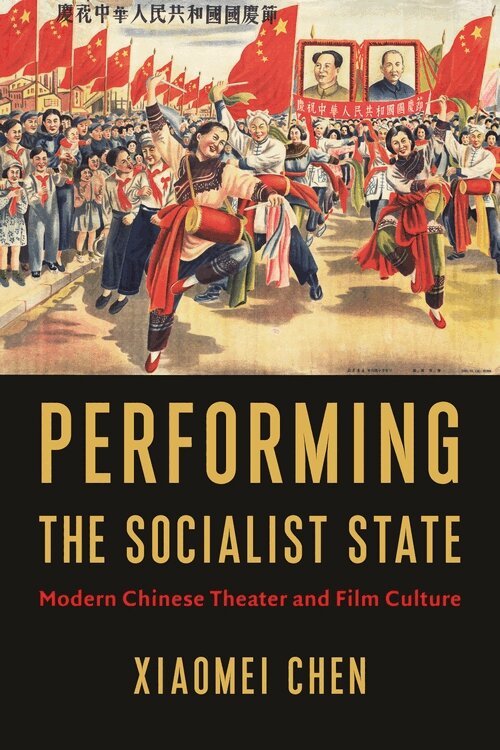
Performing the Socialist State offers an innovative account of the origins, evolution, and legacies of key trends in twentieth-century Chinese theater. Instead of seeing the Republican, high socialist, and postsocialist periods as radically distinct, it identifies key continuities in theatrical practices and shared aspirations for the social role and artistic achievements of performance across eras.Xiaomei Chen focuses on the long and remarkable careers of three founders of modern Chinese theater and film, Tian Han, Hong Shen, and Ouyang Yuqian, and their legacy, which helped shape theater cultures into the twenty-first century. They introduced Western plays and theories, adapted traditional Chinese operas, and helped develop a tradition of leftist theater in the Republican period that paved the way for the construction of a socialist canon after 1949. Chen investigates how their visions for a free, democratic China fared in the initial years after the founding of the People’s Republic, briefly thriving only to founder as artists had to adapt to the Communist Party’s demand to produce ideologically correct works. Bridging the faith play and “antiparty plays” of the 1950s, the “red classics” of the 1960s, and their reincarnations in the postsocialist period, she considers the transformations of the depictions of women, peasants, soldiers, scientists, and revolutionary history in plays, operas, and films and examines how the market economy, collective memories, star culture, social networks, and state sponsorship affected dramatic productions.Countering the view that state interference stifles artistic imagination, Chen argues that theater professionals have skillfully navigated shifting ruling ideologies to create works that are politically acceptable yet aesthetically ingenious. Emphasizing the power, dynamics, and complexities of Chinese performance cultures, Performing the Socialist State has implications spanning global theater, comparative literature, political and social histories, and Chinese cultural studies.
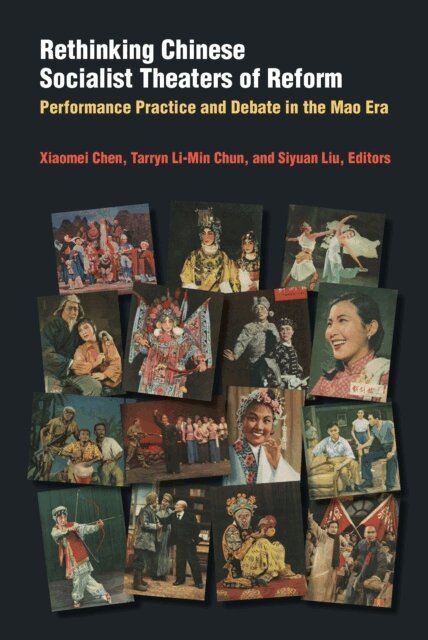
Rethinking Chinese Socialist Theaters of Reform
Performance Practice and Debate in the Mao Era
Inbunden, Engelska, 2021
1 090 kr
Skickas inom 7-10 vardagar
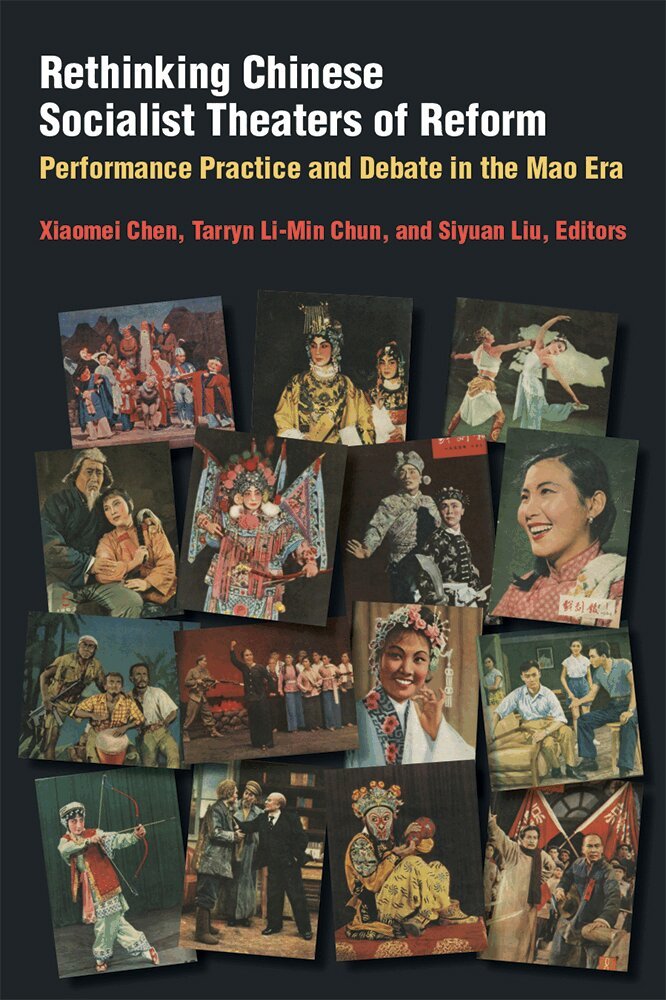
The profound political, economic, and social changes in China in the second half of the twentieth century have produced a wealth of scholarship; less studied however is how cultural events, and theater reforms in particular, contributed to the dynamic landscape of contemporary Chinese society. Rethinking Chinese Socialist Theaters of Reform fills this gap by investigating the theories and practice of socialist theater and their effects on a diverse range of genres, including Western-style spoken drama, Chinese folk opera, dance drama, Shanghai opera, Beijing opera, and rural theater. Focusing on the 1950s and ’60s, when theater art occupied a prominent political and cultural role in Maoist China, this book examines the efforts to remake theater in a socialist image. It explores the unique dynamics between official discourse, local politics, performance practice, and audience reception that emerged under the pressures of highly politicized cultural reform as well as the off-stage, lived impact of rapid policy change on individuals and troupes obscured by the public record. This multidisciplinary collection by leading scholars covers a wide range of perspectives, geographical locations, specific research methods, genres of performance, and individual knowledge and experience. The richly diverse approach leads readers through a nuanced and complex cultural landscape as it contributes significantly to our understanding of a crucial period in the development of modern Chinese theater and performance.
530 kr
Skickas inom 10-15 vardagar
This revised and expanded edition of the first comprehensive study of Occidentalism in post-Mao China includes a new preface, foreword, and chapter on Chinese diaspora writings in the Chinese language. Xiaomei Chen offers an insightful account of the unremittingly favorable depiction of Western culture and its negative characterization of Chinese culture in post-Mao China since 1978. She examines the cultural and political interrelationship between the East and West from a vantage point more complex than that accommodated by most current theories of Western imperialism and colonialism.Going beyond Edward Said's construction in Orientalism of cross-cultural appropriations as a defining facet of Western imperialism, Chen argues that the appropriation of Western discourse—what she calls "Occidentalism"—can actually have a politically and ideologically liberating effect on contemporary non-Western culture. She maintains that simplistic allegations of Orientalism frequently found in current critical discourses seriously underestimate the complexities of intercultural and multicultural relationships.Using China as the focus of her analysis, Chen examines a variety of cultural media, from Shakespearean drama, to modernist poetry, to contemporary Chinese television and popular fiction. She thus places sinology in the general context of Western theoretical discourses, such as Eurocentrism, postcolonialism, nationalism, modernism, feminism, and literary hermeneutics, showing that it has a vital role to play in the study of Orient and Occident and their now unavoidable symbiotic relationship.Occidentalism presents a new model of comparative literary and cultural studies that reenvisions cross-cultural appropriation. It will be indispensable to future discussions of Orientalism, Occidentalism, and postcolonialism, as well as subaltern studies, Asian studies, comparative literature, cultural studies, and non-Western drama.