Xiaoning Lu – författare
Visar alla böcker från författaren Xiaoning Lu. Handla med fri frakt och snabb leverans.
4 produkter
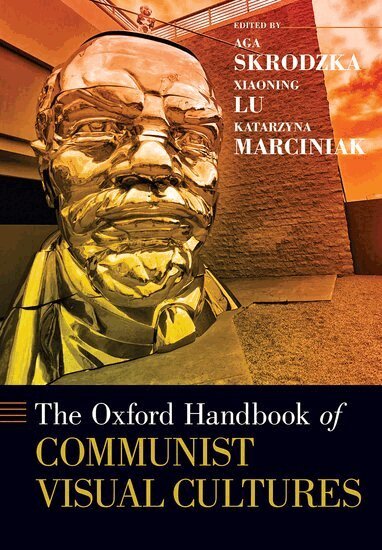
The Oxford Handbook of Communist Visual Cultures
Av Aga Skrodzka, Xiaoning Lu m. fl.
Inbunden, 2020
2492 kr
Lägg i varukorg
Stereotypes often cast communism as a defunct, bankrupt ideology and a relic of the distant past. However, recent political movements like Europe's anti-austerity protests, the Arab Spring, and Occupy Wall Street suggest that communism is still very much relevant and may even hold the key to a new, …
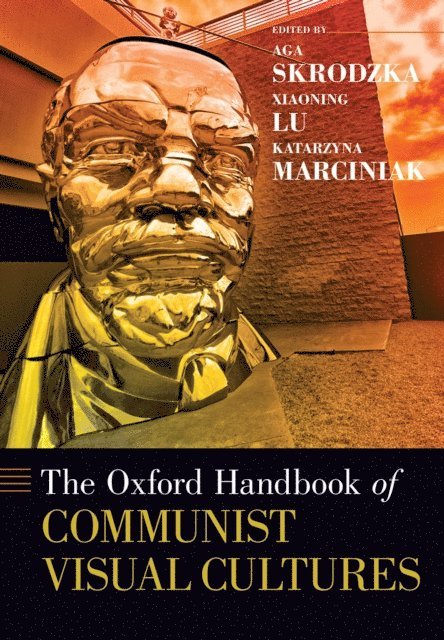
Oxford Handbook of Communist Visual Cultures
Av Katarzyna Marciniak, Xiaoning Lu m. fl.
E-bok, 2020
1962 kr
Lägg i varukorg
Stereotypes often cast communism as a defunct, bankrupt ideology and a relic of the distant past. However, recent political movements like Europe''s anti-austerity protests, the Arab Spring, and Occupy Wall Street suggest that communism is still very much relevant and may even hold the key to a …
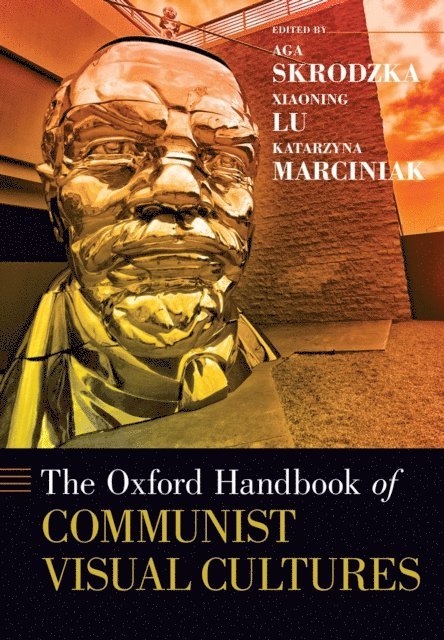
Oxford Handbook of Communist Visual Cultures
Av Katarzyna Marciniak, Xiaoning Lu m. fl.
E-bok, 2020
1962 kr
Lägg i varukorg
Stereotypes often cast communism as a defunct, bankrupt ideology and a relic of the distant past. However, recent political movements like Europe''s anti-austerity protests, the Arab Spring, and Occupy Wall Street suggest that communism is still very much relevant and may even hold the key to a …
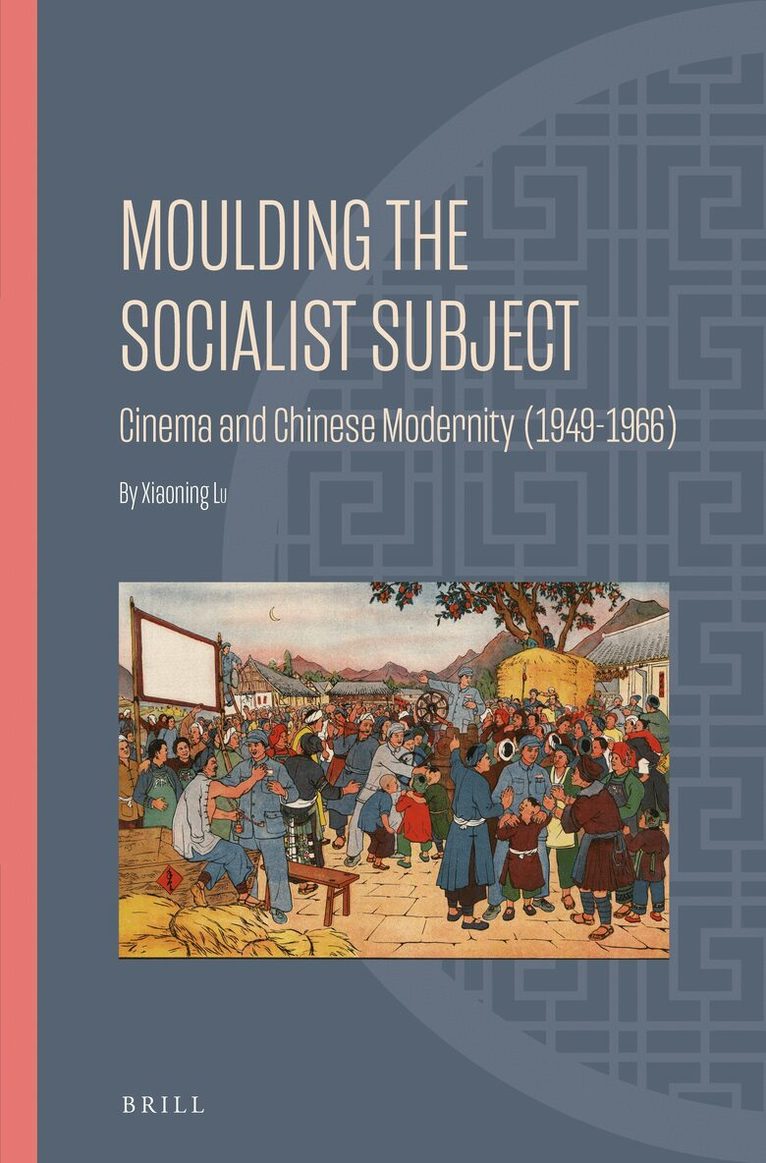
Moulding the Socialist Subject
Cinema and Chinese Modernity (1949-1966)
Av Xiaoning LU
Inbunden, 2020
2104 kr
Lägg i varukorg
What role did cinema play in the Chinese Communist Party’s political project of shaping ideal socialist citizens in the early People’s Republic? In Moulding the Socialist Subject, Xiaoning Lu deploys case studies from popular film genres, movie star culture and rural film exhibition practices to …