Yasmin Arshad - Böcker
Visar alla böcker från författaren Yasmin Arshad. Handla med fri frakt och snabb leverans.
3 produkter
3 produkter
1 698 kr
Skickas inom 10-15 vardagar
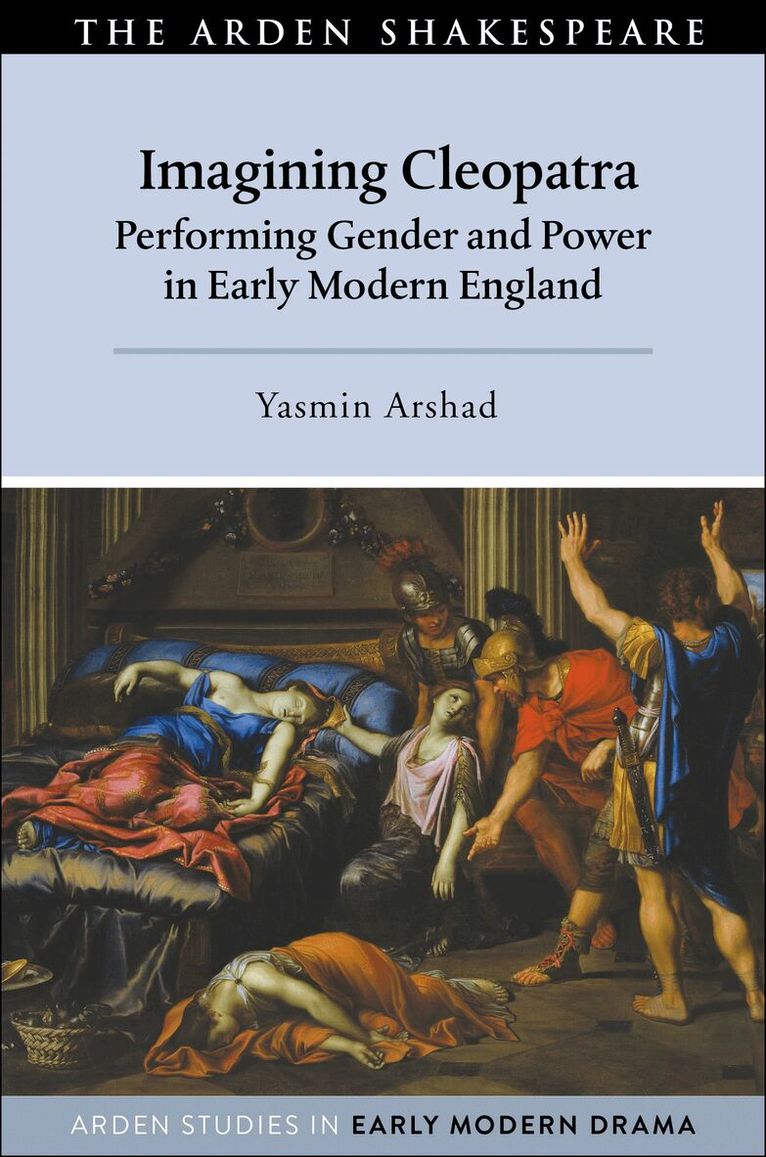
Shakespeare's characterization of Cleopatra may dominate the collective consciousness, but he was only one of several 16th-century writers fascinated by the enigmatic queen of Egypt. Early modern conceptions of Cleopatra offer a rich, complex, and variable set of models for understanding the period’s responses to race, female sovereignty, and classical antiquity. This interdisciplinary study investigates images of Cleopatra in the early modern period and examines how her story was mediated and used – from drawing lessons from history to being a symbol of female heroism. It draws on early historiographical works, political and philosophical treatises, coterie dramatic productions, and gender, race and performance studies, as well as evidence from material culture, to consider what was known and thought about Cleopatra in the period This book provides a new literary and cultural history of one of the world’s most contested and politically-charged iconic female figures. It combines a close reading of literary and dramatic works with historical and political contexts, paying particular attention to the three major early modern Cleopatra plays: Mary Sidney’s translation of Robert Garnier’s Marc Antoine, Samuel Daniel’s The Tragedie of Cleopatra, and Shakespeare’s Antony and Cleopatra. By examining these conflicting historical and fictional identities, Yasmin Arshad offers a diverse and ground-breaking study of Cleopatra’s ‘infinite variety’.
392 kr
Skickas inom 10-15 vardagar
Shakespeare's characterization of Cleopatra may dominate the collective consciousness, but he was only one of several 16th-century writers fascinated by the enigmatic queen of Egypt. Early modern conceptions of Cleopatra offer a rich, complex, and variable set of models for understanding the period’s responses to race, female sovereignty, and classical antiquity. This interdisciplinary study investigates images of Cleopatra in the early modern period and examines how her story was mediated and used – from drawing lessons from history to being a symbol of female heroism. It draws on early historiographical works, political and philosophical treatises, coterie dramatic productions, and gender, race and performance studies, as well as evidence from material culture, to consider what was known and thought about Cleopatra in the period This book provides a new literary and cultural history of one of the world’s most contested and politically-charged iconic female figures. It combines a close reading of literary and dramatic works with historical and political contexts, paying particular attention to the three major early modern Cleopatra plays: Mary Sidney’s translation of Robert Garnier’s Marc Antoine, Samuel Daniel’s The Tragedie of Cleopatra, and Shakespeare’s Antony and Cleopatra. By examining these conflicting historical and fictional identities, Yasmin Arshad offers a diverse and ground-breaking study of Cleopatra’s ‘infinite variety’.
1 533 kr
Kommande
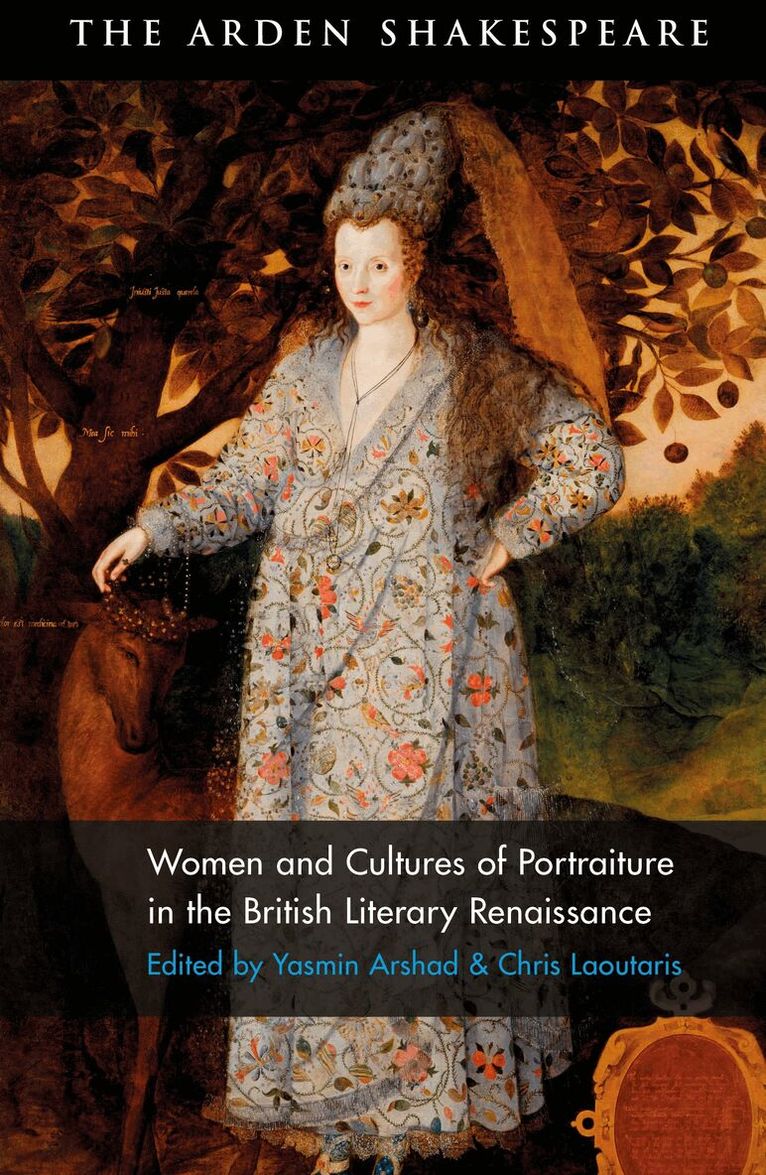
Were Renaissance women merely the silent subjects of the images of themselves they witnessed circulating in the visual cultures around them? Or did they have the opportunity to challenge these figurations? This collection of interdisciplinary essays examines the representation of women at the intersections between portraiture, literature and drama in Renaissance Britain. It explores how power, politics, patronage, agency and creativity were manifested across text, cultural inscription and ‘portraiture’ - defined in its broadest sense as a cultural artefact expressive of female image and identity. Forms of ‘portraiture’ discussed in this vibrant collection include portraits, miniatures, engravings, sculptures, embroideries, tapestries, murals, emblems, illuminated manuscripts, reliquaries, curated collections, theatrical props, calligraphy and other decorative features.Bringing together art historians, curators, heritage specialists and scholars of early modern history, drama and literature, this collection situates women both as the subjects and devisers of ‘cultures of portraiture’. The essays in this volume examine how power was negotiated through the royal icon; how self-portraiture became a means of navigating the dangerous worlds of religious and courtly factionalism; how the commissioning, collecting and curating of paintings, relics and life-writings fashioned shared testaments of faith and enabled female networks across political and pedagogical arenas; how drama staged the anxieties surrounding a threatening female agency; and how creativity wielded through narrative prose fiction, illuminated manuscripts and poetry, allowed women to co-opt and subvert prevailing visual tropes and stereotypes. In the process, it reveals how women were both the interrogators and active co-creators of their own self-images, re-defining their ‘portraits’ as forms of public identity-building and political commentary, as well as tools for social disruption and the realization of their dynastic ambitions.