
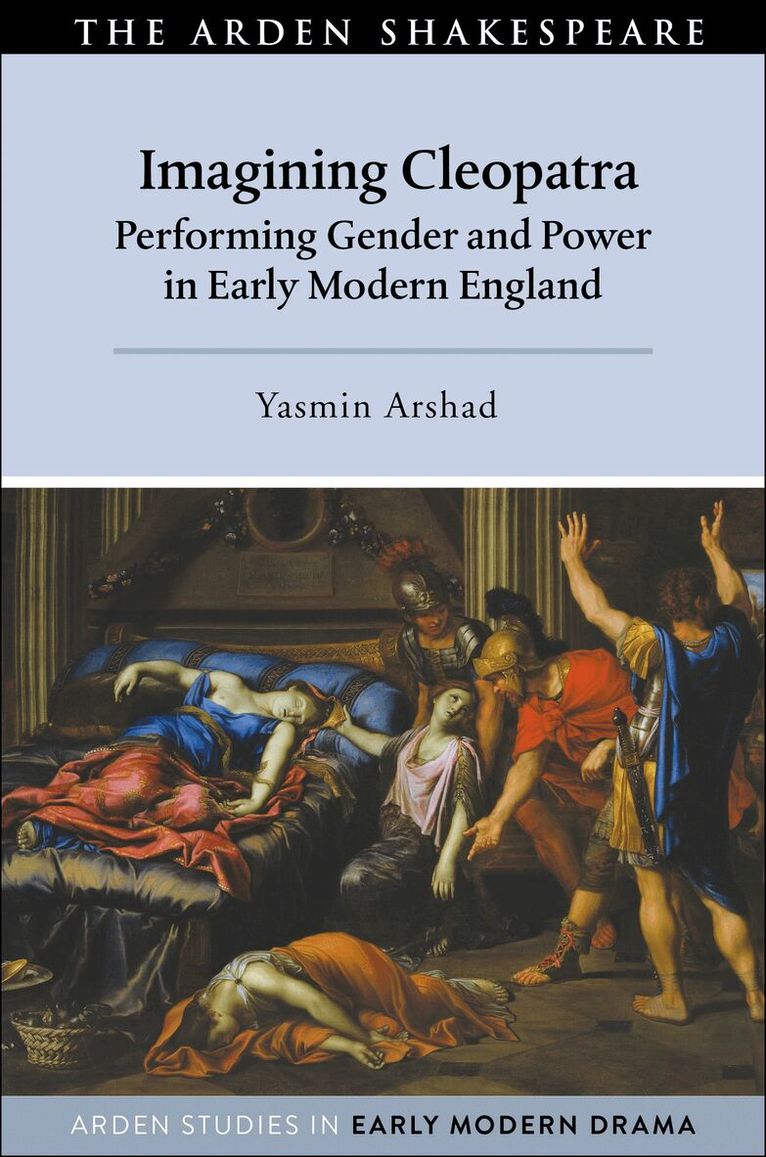
Women and Cultures of Portraiture in the British Literary Renaissance
AvYasmin Arshad,Chris Laoutaris
Inbunden, Engelska, 2026
Del i serien Arden Studies in Early Modern Material Culture
1 293 kr
Beställningsvara. Skickas inom 5-8 vardagar. Fri frakt över 249 kr.
Fler format och utgåvor
Beskrivning
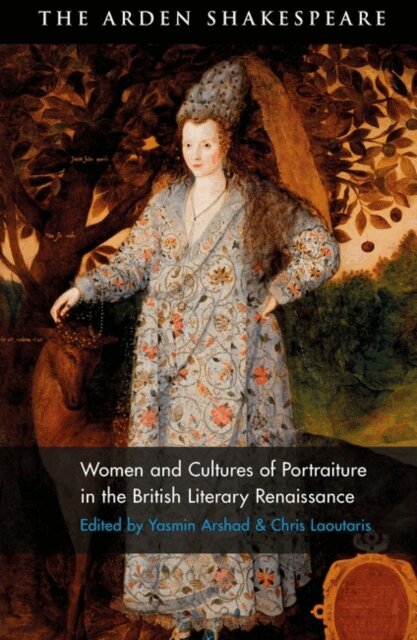
Were Renaissance women merely passive and voiceless subjects in the cultures of portraiture through which they were represented? Did they have the opportunity to challenge the prevailing visual tropes that reproduced gender stereotypes? Did they create iconographical programmes for their own social and political ends? This collection of interdisciplinary essays examines the representation of women at the intersection between portraiture, literature, drama, heritage and material culture in Renaissance Britain. It explores how power, politics and patronage manifested across text, cultural inscription and ‘portraiture’ – defined in its broadest sense as a cultural artefact expressive of the female image and identity. Contributors cover (self-)portraits, miniatures, engravings, sculptures, embroideries, murals, emblems, illuminated manuscripts, jewellery, coins, curated collections, theatrical props, calligraphy and other decorative and architectural features. Bringing together art historians, curators, heritage specialists and scholars of early modern history and literature, this volume situates women as the active subjects and creators of ‘cultures of portraiture’. It reveals how female power was negotiated through the royal icon; how women used patronage, pedagogy and encryption to forge female networks and navigate the dangerous worlds of religious and courtly factionalism; and how art, drama and literature reflected anxieties around women’s creative agency. It demonstrates that these practices were not purely localised, but that women’s portraiture connected England – conceptually, materially and ideologically – to Scotland, Wales, Ireland, France, Spain, Rome, the Netherlands, Africa, Persia and the Islamic world; that women employed an ‘activist intermediality’ to re-define their ‘portraits’ as tools for public identity-building, political commentary, social disruption and cross-national dialogue.
Produktinformation
Utforska kategorier
Mer om författaren
Recensioner i media
Innehållsförteckning
Hoppa över listan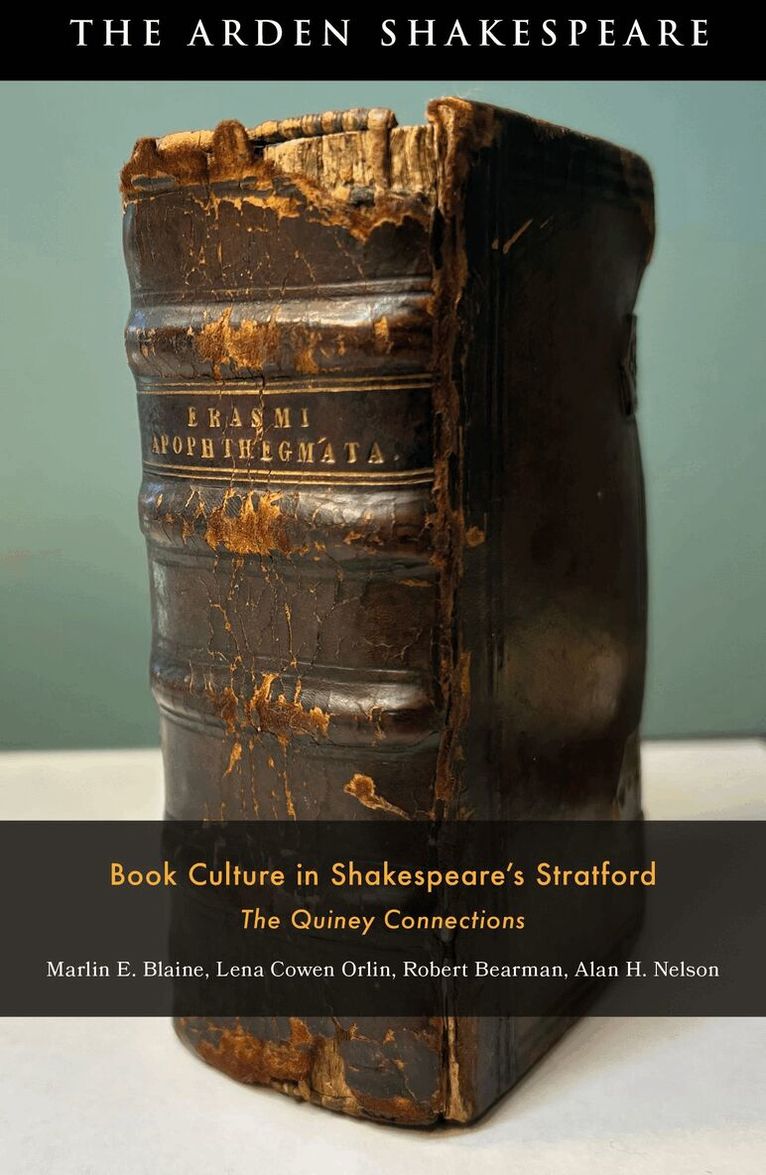
Mer från samma serie
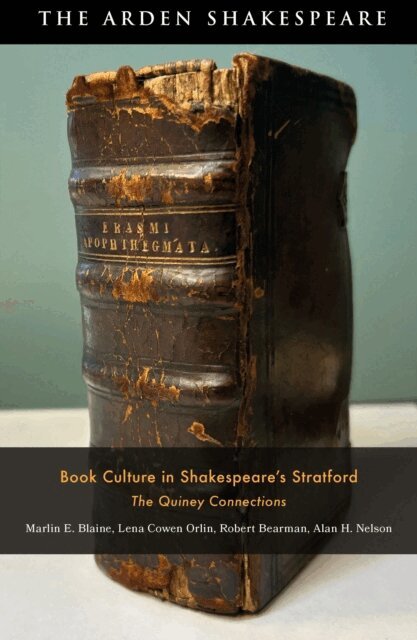
Book Culture in Shakespeare’s Stratford
Marlin E. Blaine, Lena Cowen Orlin, Robert Bearman, Alan H. Nelson, Catherine Richardson
Inbunden, 2025
1 284 kr
Book Culture in Shakespeare’s Stratford
Marlin E. Blaine, Lena Cowen Orlin, Robert Bearman, Alan H. Nelson
E-bok
20251 403 kr
Book Culture in Shakespeare’s Stratford
Marlin E. Blaine, Lena Cowen Orlin, Robert Bearman, Alan H. Nelson
E-bok
20251 392 kr
Hoppa över listan




Du kanske också är intresserad av
- 10% rabatt på allt
Women and Cultures of Portraiture in the British Literary Renaissance
Yasmin Arshad, Chris Laoutaris
E-bok
20261 399 kr
Women and Cultures of Portraiture in the British Literary Renaissance
Yasmin Arshad, Chris Laoutaris
E-bok
20261 403 kr
Book Culture in Shakespeare’s Stratford
Marlin E. Blaine, Lena Cowen Orlin, Robert Bearman, Alan H. Nelson, Catherine Richardson
Inbunden, 2025
1 284 kr
Shakespeare and the Countess: The Battle That Gave Birth to the Globe
Chris Laoutaris
Häftad, 2019
394 kr