Zoran Samardzija – författare
Visar alla böcker från författaren Zoran Samardzija. Handla med fri frakt och snabb leverans.
6 produkter
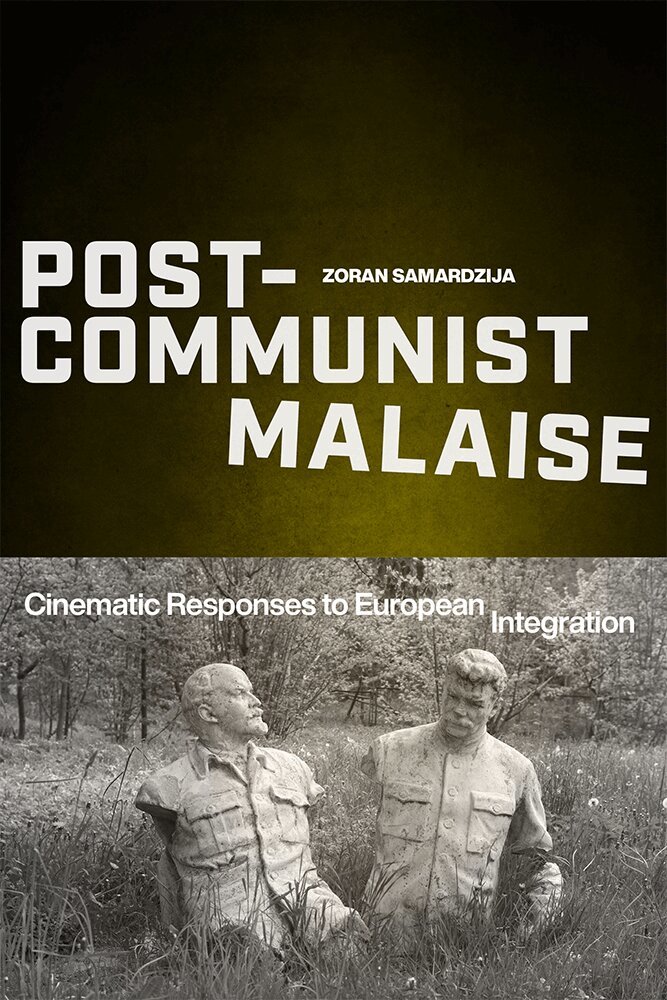
Post-Communist Malaise
Cinematic Responses to European Integration
Häftad, 2020
412 kr
Lägg i varukorg
The collapse of communism in the Soviet Union and Eastern Europe was supposed to bring about the "end of history" with capitalism and liberal democracy achieving decisive victories. Europe would now integrate and reconcile with its past. However, the aftershocks of the financial crisis of 2008—the …
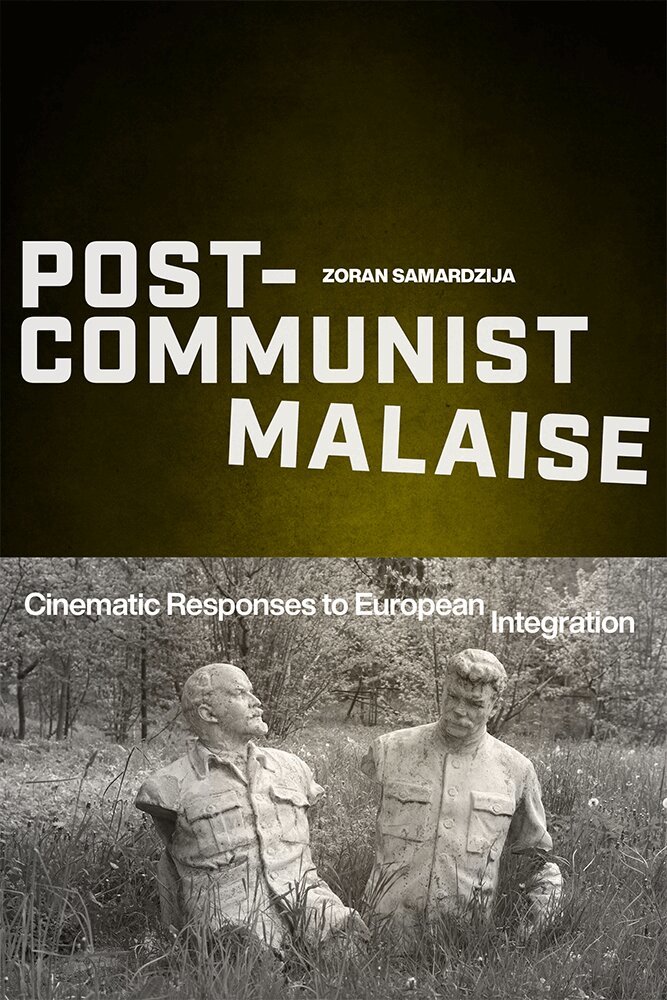
Post-Communist Malaise
Cinematic Responses to European Integration
Inbunden, 2020
1799 kr
Lägg i varukorg
The collapse of communism in the Soviet Union and Eastern Europe was supposed to bring about the "end of history" with capitalism and liberal democracy achieving decisive victories. Europe would now integrate and reconcile with its past. However, the aftershocks of the financial crisis of 2008—the …
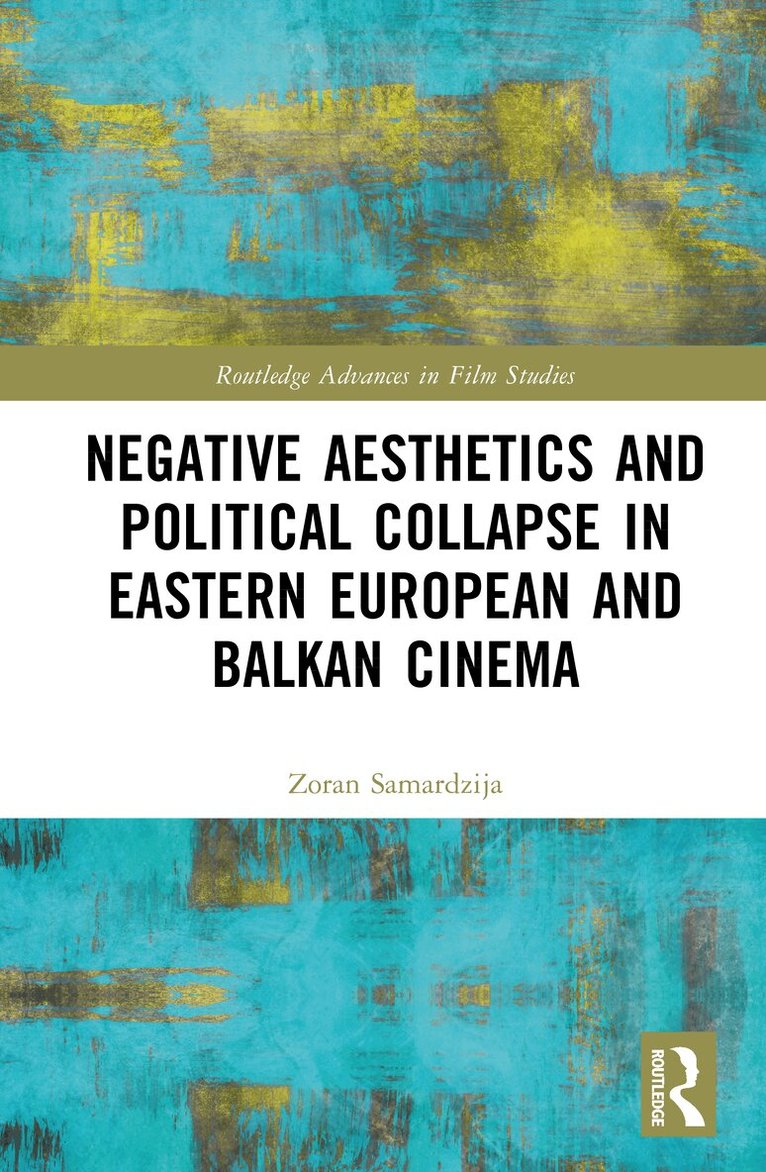
Negative Aesthetics and Political Collapse in Eastern European and Balkan Cinema
Inbunden, 2025
2513 kr
Lägg i varukorg
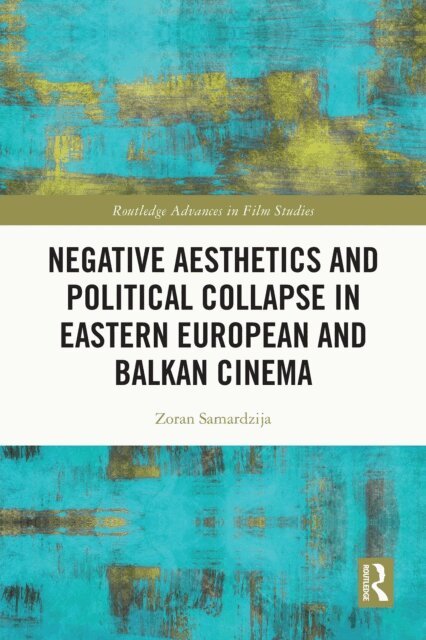
Negative Aesthetics and Political Collapse in Eastern European and Balkan Cinema examines the theme of political collapse in select contemporary Eastern European and Balkan art cinema and documentaries from the late eighties to the present.Engaging with debates in Marxism and contemporary film …
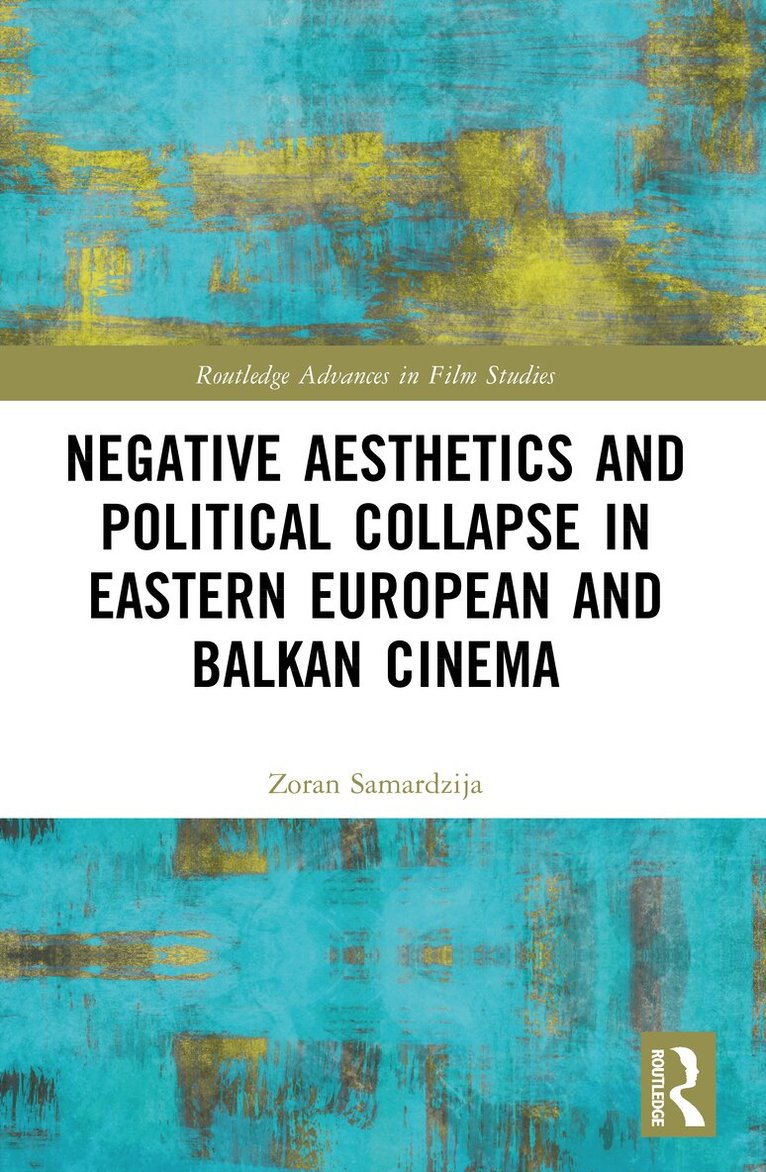
Negative Aesthetics and Political Collapse in Eastern European and Balkan Cinema
Häftad, 2026
706 kr
Lägg i varukorg
Negative Aesthetics and Political Collapse in Eastern European and Balkan Cinema examines the theme of political collapse in select contemporary Eastern European and Balkan art cinema and documentaries from the late eighties to the present.Engaging with debates in Marxism and contemporary film …
Negative Aesthetics and Political Collapse in Eastern European and Balkan Cinema
E-bok, 2025
745 kr
Lägg i varukorg
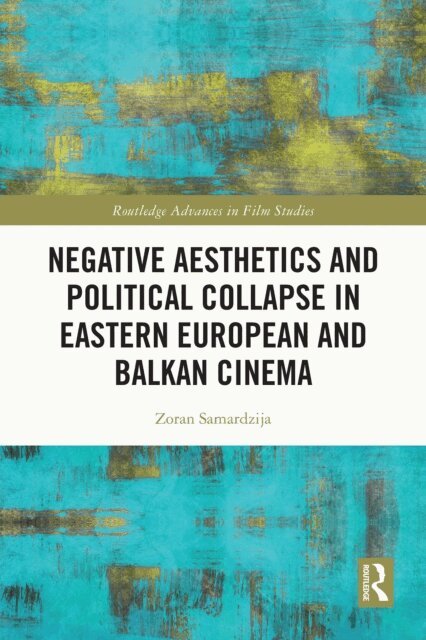
Negative Aesthetics and Political Collapse in Eastern European and Balkan Cinema examines the theme of political collapse in select contemporary Eastern European and Balkan art cinema and documentaries from the late eighties to the present. Engaging with debates in Marxism and contemporary film …
Negative Aesthetics and Political Collapse in Eastern European and Balkan Cinema
E-bok, 2025
745 kr
Lägg i varukorg
Negative Aesthetics and Political Collapse in Eastern European and Balkan Cinema examines the theme of political collapse in select contemporary Eastern European and Balkan art cinema and documentaries from the late eighties to the present. Engaging with debates in Marxism and contemporary film …