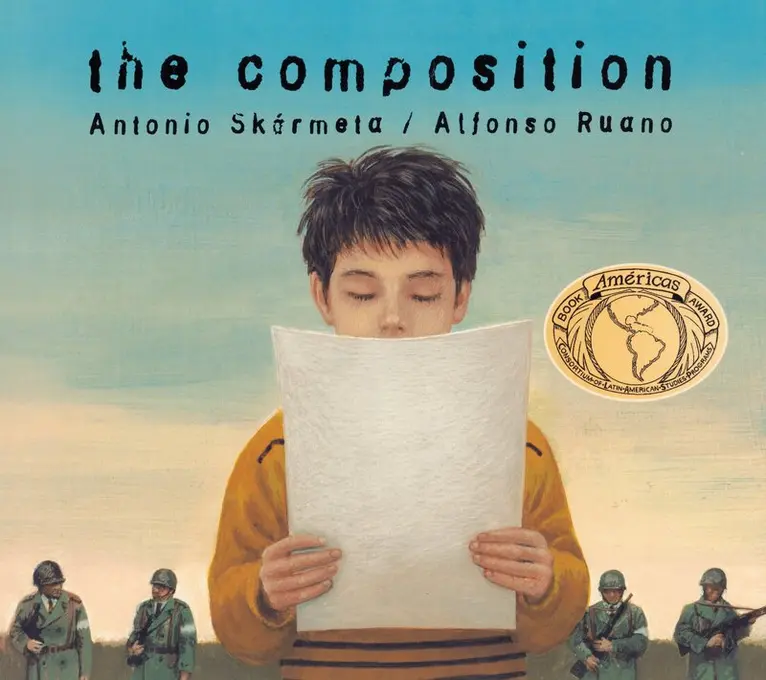
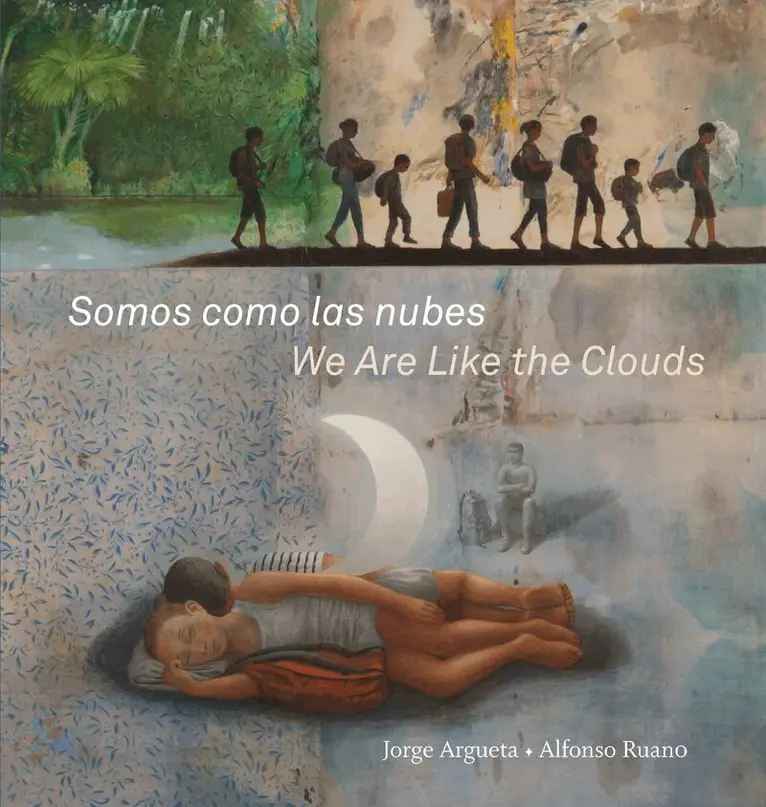
An eloquent and timely plea for understanding refugees.Why are young people leaving their country to walk to the United States to seek a new, safe home? Over 100,000 such children have left Central America. This book of poetry helps us to understand why and what it is like to be them.This powerful book by award-winning Salvadoran poet Jorge Argueta describes the terrible process that leads young people to undertake the extreme hardships and risks involved in the journey to what they hope will be a new life of safety and opportunity. A refugee from El Salvador’s war in the eighties, Argueta was born to explain the tragic choice confronting young Central Americans today who are saying goodbye to everything they know because they fear for their lives. This book brings home their situation and will help young people who are living in safety to understand those who are not.Compelling, timely and eloquent, this book is beautifully illustrated by master artist Alfonso Ruano who also illustrated The Composition, considered one of the 100 Greatest Books for Kids by Scholastic’s Parent and Child Magazine.Correlates to the Common Core State Standards in English Language Arts:CCSS.ELA-LITERACY.RL.2.1Ask and answer such questions as who, what, where, when, why, and how to demonstrate understanding of key details in a text.CCSS.ELA-LITERACY.RL.2.4Describe how words and phrases (e.g., regular beats, alliteration, rhymes, repeated lines) supply rhythm and meaning in a story, poem, or song.CCSS.ELA-LITERACY.RL.2.7Use information gained from the illustrations and words in a print or digital text to demonstrate understanding of its characters, setting, or plot.CCSS.ELA-LITERACY.RL.3.4Determine the meaning of words and phrases as they are used in a text, distinguishing literal from nonliteral language.CCSS.ELA-LITERACY.RL.3.5Refer to parts of stories, dramas, and poems when writing or speaking about a text, using terms such as chapter, scene, and stanza; describe how each successive part builds on earlier sections.CCSS.ELA-LITERACY.RL.3.7Explain how specific aspects of a text's illustrations contribute to what is conveyed by the words in a story (e.g., create mood, emphasize aspects of a character or setting)CCSS.ELA-LITERACY.RL.4.1Refer to details and examples in a text when explaining what the text says explicitly and when drawing inferences from the text.CCSS.ELA-LITERACY.RL.4.2Determine a theme of a story, drama, or poem from details in the text; summarize the text.CCSS.ELA-LITERACY.RL.4.5Explain major differences between poems, drama, and prose, and refer to the structural elements of poems (e.g., verse, rhythm, meter) and drama (e.g., casts of characters, settings, descriptions, dialogue, stage directions) when writing or speaking about a text.CCSS.ELA-LITERACY.RL.4.7Make connections between the text of a story or drama and a visual or oral presentation of the text, identifying where each version reflects specific descriptions and directions in the text.CCSS.ELA-LITERACY.RL.5.2Determine a theme of a story, drama, or poem from details in the text, including how characters in a story or drama respond to challenges or how the speaker in a poem reflects upon a topic; summarize the text.CCSS.ELA-LITERACY.RL.5.4Determine the meaning of words and phrases as they are used in a text, including figurative language such as metaphors and similes.CCSS.ELA-LITERACY.RL.5.7Analyze how visual and multimedia elements contribute to the meaning, tone, or beauty of a text (e.g., graphic novel, multimedia presentation of fiction, folktale, myth, poem).CCSS.ELA-LITERACY.RL.6.1Cite textual evidence to support analysis of what the text says explicitly as well as inferences drawn from the text.CCSS.ELA-LITERACY.RL.6.2Determine a theme or central idea of a text and how it is conveyed through particular details; provide a summary of the text distinct from personal opinions or judgments.CCSS.ELA-LITERACY.RL.6.4Determine the meaning of words and phrases as they are used in a text, including figurative and connotative meanings; analyze the impact of a specific word choice on meaning and toneCCSS.ELA-LITERACY.RL.6.5Analyze how a particular sentence, chapter, scene, or stanza fits into the overall structure of a text and contributes to the development of the theme, setting, or plot.CCSS.ELA-LITERACY.RL.6.7Compare and contrast the experience of reading a story, drama, or poem to listening to or viewing an audio, video, or live version of the text, including contrasting what they "see" and "hear" when reading the text to what they perceive when they listen or watch.CCSS.ELA-LITERACY.RL.6.9Compare and contrast texts in different forms or genres (e.g., stories and poems; historical novels and fantasy stories) in terms of their approaches to similar themes and topics.