Graham Sumner – Illustratör
Upptäck titlar med illustrationer av Graham Sumner.
7 produkter
7 produkter
153 kr
Skickas inom 10-15 vardagar
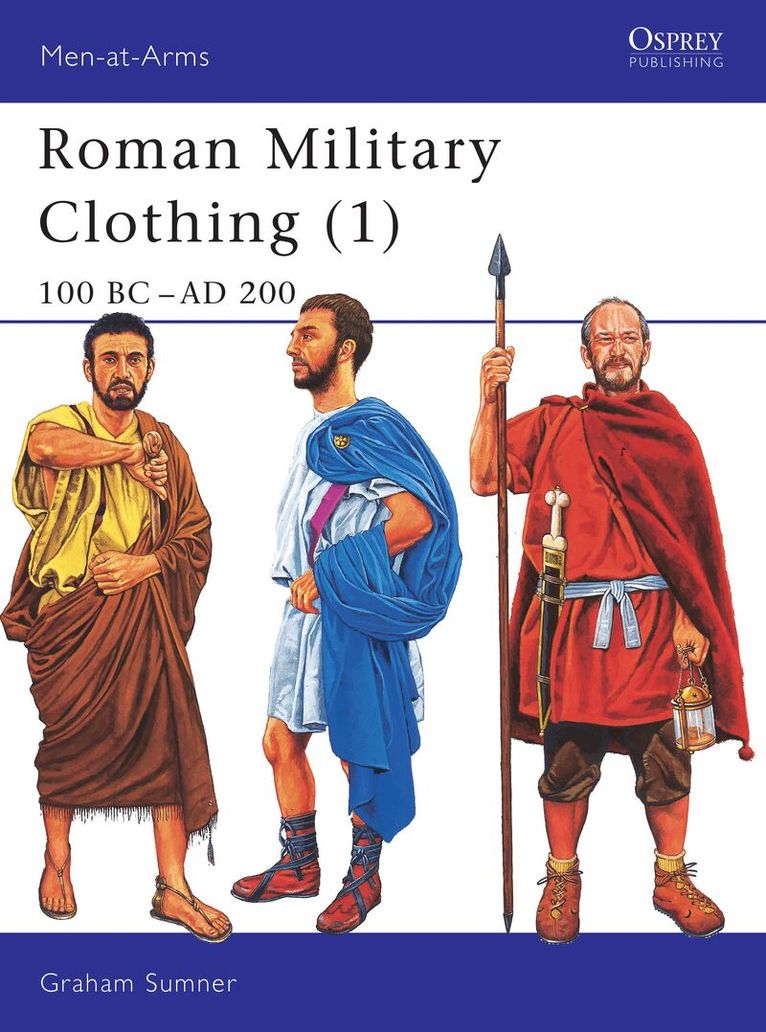
The armour and weapons of Rome's legionaries and auxiliaries have been the subject of intense research and speculation, and much has been published - but almost nothing to date on the actual clothing of Imperial soldiers.In this first part of a rigorous study of the literary, sculptural, pictorial and archaeological evidence, a specialist author-artist examines the clues which enable us to attempt reconstructions of tunics, cloaks, footwear and other items worn by officers and men all over the empire, from the late Republic to c.200 AD.His text is illustrated with meticulous drawings of surviving relief sculptures - particularly soldiers' gravestones - and eight striking colour plates.
153 kr
Skickas inom 10-15 vardagar
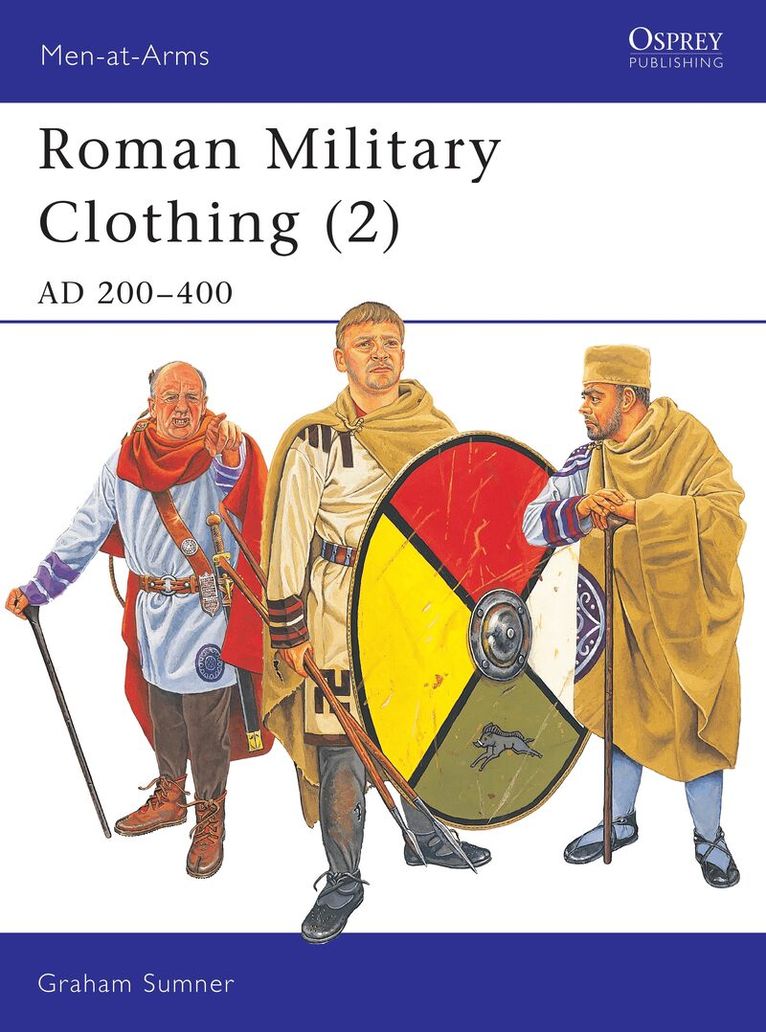
While much has been published on Roman arms and armour, the actual clothing of Imperial soldiers has largely been overlooked to date.In this second part of a rigorous study of the literary, sculptural, pictorial and archaeological evidence, specialist author-artist Graham Sumner examines the clues which enable us to attempt reconstructions of items worn by officers and men all over the empire during the two centuries between the reign of Septimius Severus and the twilight years of Stilicho.
153 kr
Skickas inom 10-15 vardagar
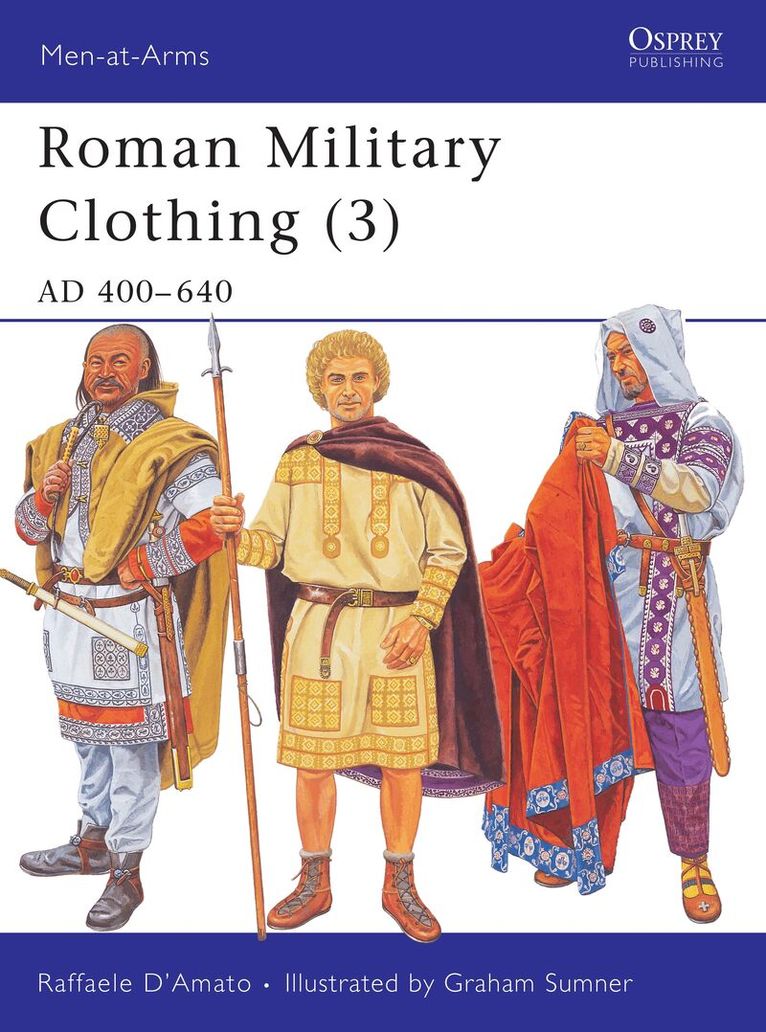
The conclusion to a rigorous study of the literary, sculptural, pictorial and archaeological evidence for Roman military clothing, covering the last days of the Western Empire and the Eastern, in the 5th to 7th centuries.The evidence from this enormously colourful period – when Germanic and Persian styles, first introduced by mercenaries, were widely adopted by Roman armies – is particularly rich. The text is illustrated with many photographs of rare textile finds, and mosaic artwork; with careful drawings of other figurative sources; and with Graham Sumner’s meticulous and dazzling colour reconstructions.
175 kr
Skickas inom 10-15 vardagar
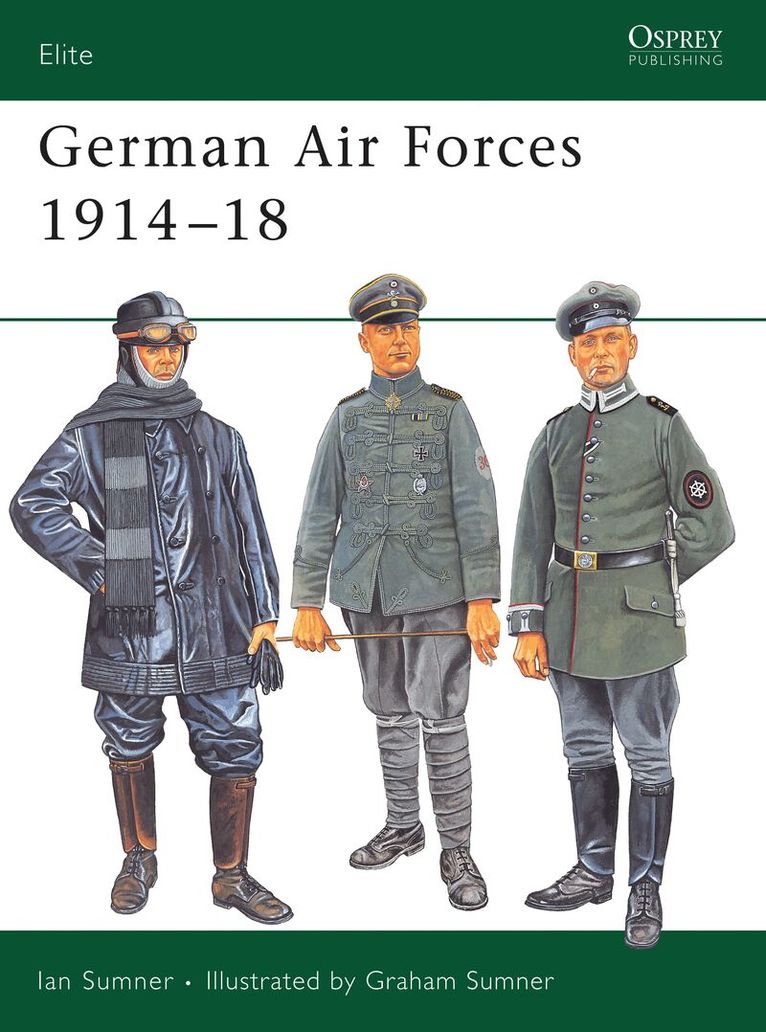
The Imperial German Army Air Service of World War I grew from just 500 men in 1914 to 80,000 in 1918, inventing in the process a wholly new form of warfare.The exploits of the first fighter ‘aces’ have been widely celebrated, and have tended to overshadow the other, equally important branches of the fighting air forces – the reconnaissance and ground attack units, the airships and strategic bombers. This concise but fact- packed guide to both the Army and Naval Air Services – their command, organization, strength, training, support services and operations – offers a morebalanced picture, while giving the heroes of the Jagdstaffeln their full due.Uniforms and flying clothing are described in detail, and illustrated with rare photographs and meticulous colour plates.
153 kr
Skickas inom 10-15 vardagar
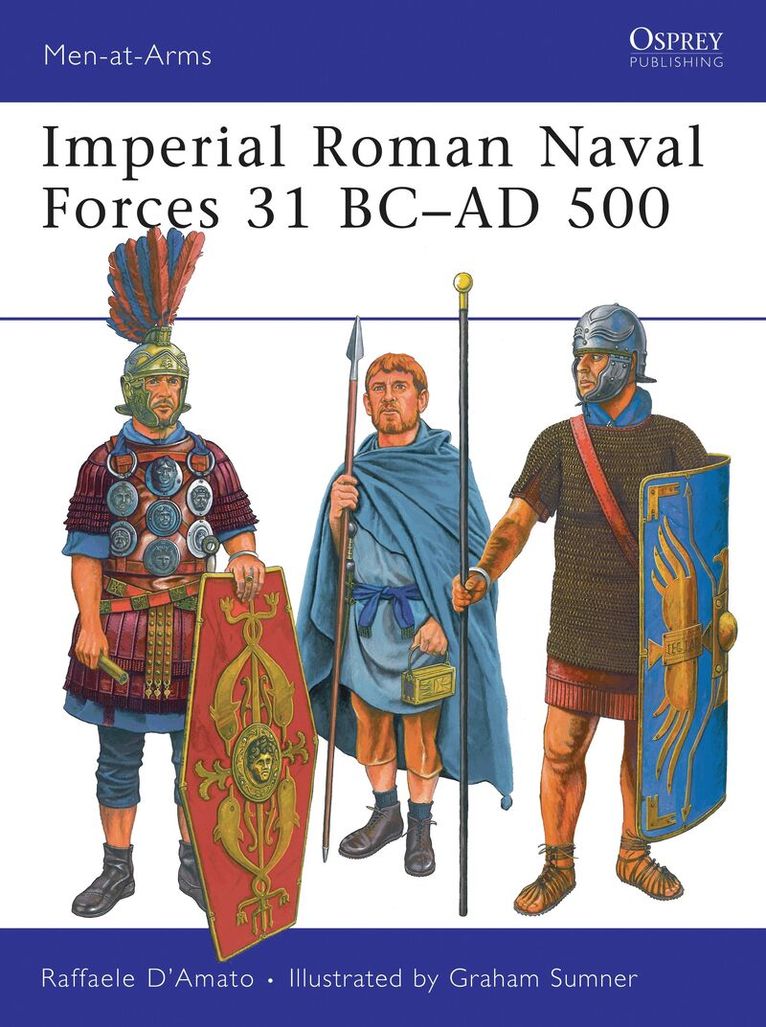
The Roman Navy, although somewhat overshadowed by the legions, played an important role for the Roman Empire.For the Army to conquer and rule its vast territories, control of the sea lanes was essential. The navy fleets needed to be structured and powerful in order to dominate the trade routes, transport legions and defend and attack against pirates and other enemies. Under Augustus in 31BC, the navy consisted of 800 warships with many being sent to Ravenna and Misenus in Italy, and smaller squadrons to the external coasts and to the major rivers to support land operations. This book provides a detailed re-evaluation of the vital contribution made by the Roman navy to Roman imperial power, covering the organisation of the fleets and the everyday life of the soldiers.Previously unpublished research is complemented by superb colour reconstructions of the uniforms and equipment, making this a central resource on a neglected piece of ancient history.
207 kr
Skickas
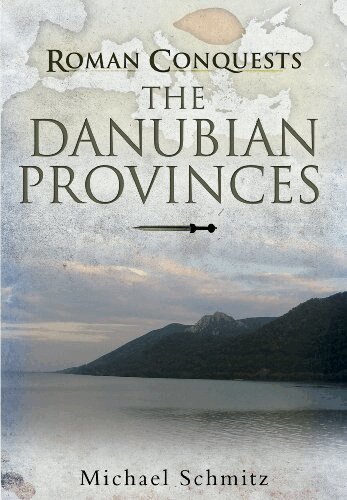
The Roman conquests of Macedonia in the 2nd century BC led directly to the extension of their authority over the troublesome tribes of Thrace to the south of the Danube. But their new neighbour on the other side of the mighty river, the kingdom of the Dacians, was to pose an increasing threat to the Roman empire. Inevitably this eventually provoked Roman attempts at invasion and conquest. It is a measure of Dacian prowess and resilience that several tough campaigns were required over more than a century before their kingdom was added to the Roman Empire. It was one of the Empire's last major acquisitions (and a short-lived one at that).Dr Michael Schmitz traces Roman involvement in the Danube region from first contact with the Thracians after the Third Macedonian War in the 2nd century BC to the ultimate conquest of Dacia by Trajan in the early years of the 2nd Century AD. Like the other volumes in this series, this book gives a clear narrative of the course of these wars, explaining how the Roman war machine coped with formidable new foes and the challenges of unfamiliar terrain and climate. Specially-commissioned colour plates bring the main troop types vividly to life in meticulously-researched detail.
148 kr
Skickas inom 3-6 vardagar