Perspectives on the History of Congress, 1789–1801 – serie
Visar alla böcker i serien Perspectives on the History of Congress, 1789–1801. Handla med fri frakt och snabb leverans.
4 produkter
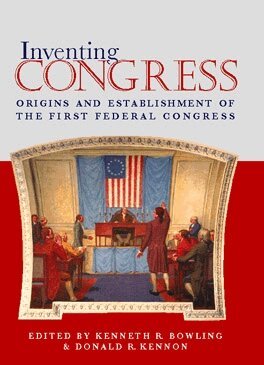
Inventing Congress
Origins and Establishment of the First Federal Congress
Av Kenneth R. Bowling, Kenneth R. Bowling m. fl.
Inbunden, 1999
616 kr
Lägg i varukorg
On March 4, 1789, New York City's church bells pealed, cannons fired, and flags snapped in the wind to celebrate the date set for the opening of the First Federal Congress. In many ways the establishment of Congress marked the culmination of the American Revolution as the ship of state was launched …
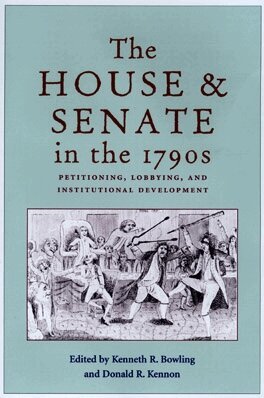
House and Senate in the 1790s
Petitioning, Lobbying, and Institutional Development
Av Kenneth R. Bowling, Kenneth R. Bowling m. fl.
Inbunden, 2002
789 kr
Lägg i varukorg
Amid the turbulent swirl of foreign intrigue, external and internal threats to the young nation's existence, and the domestic partisan wrangling of the 1790s, the United States Congress solidified its role as the national legislature. The ten essays in The House and Senate in the 1790s demonstrate …
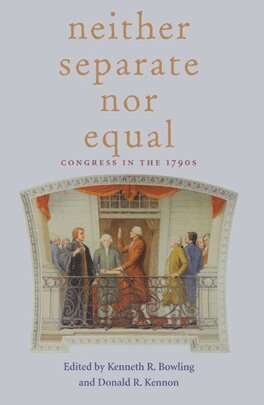
Neither Separate nor Equal
Congress in the 1790s
Av Kenneth R. Bowling, Kenneth R. Bowling m. fl.
Inbunden, 2000
611 kr
Tillfälligt slut
Scholars today take for granted the existence of a "wall of separation" dividing the three branches of the federal government. Neither Separate nor Equal: Congress in the 1790s demonstrates that such lines of separation among the legislative, executive, and judicial branches, however, were neither …
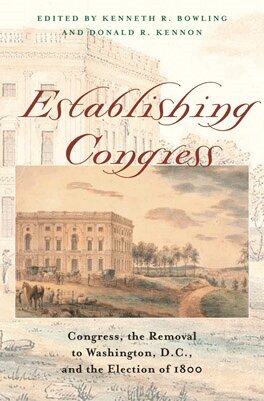
Establishing Congress
The Removal to Washington, D.C., and the Election of 1800
Av Kenneth R. Bowling, Donald R. Kennon
Inbunden, 2005
611 kr
Tillfälligt slut
Establishing Congress: The Removal to Washington, D.C., and the Election of 1800 focuses on the end of the 1790s, when, in rapid succession, George Washington died, the federal government moved to Washington, D.C., and the election of 1800 put Thomas Jefferson and the Democratic-Republican Party in …