Aarhus Studies in Mediterranean Antiquity – serie
Visar alla böcker i serien Aarhus Studies in Mediterranean Antiquity. Handla med fri frakt och snabb leverans.
4 produkter
4 produkter
Inbunden, Engelska, 2013
484 kr
Skickas inom 5-8 vardagar
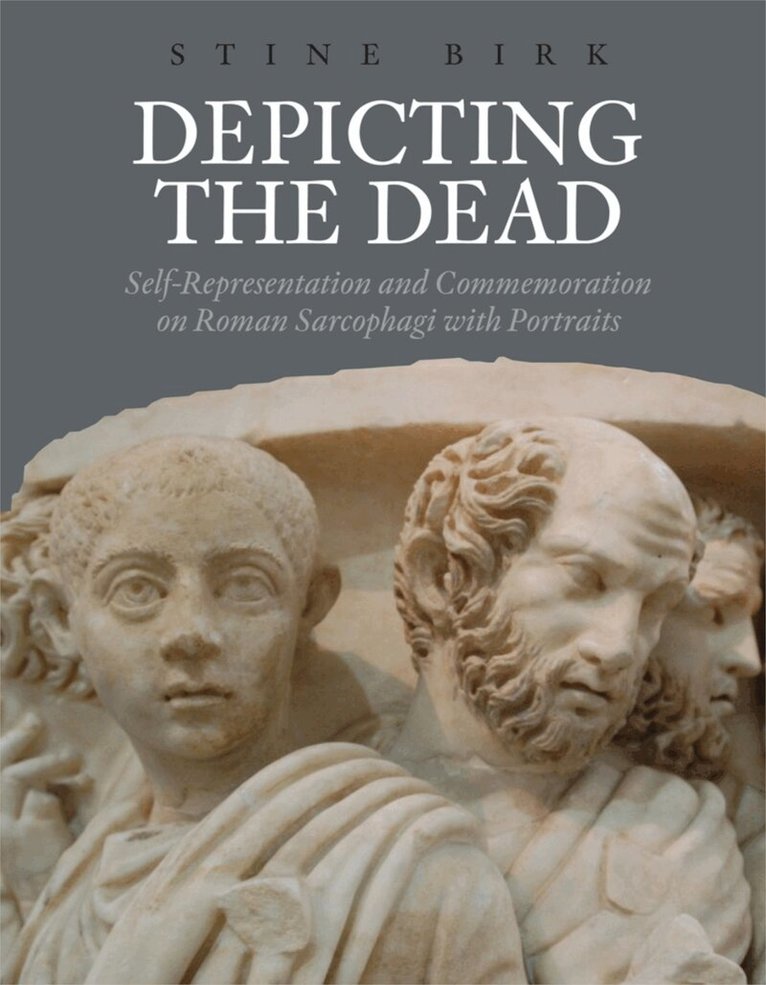
The present monograph takes its place in a now well-established tradition of seeing sarcophagi as visual statements of deceased individuals that used allegories to plot lives and personal memories against mythological and other idealised narratives. It focuses on Roman sarcophagi, often referred to as stadtrömisch, which reflects the fact that the field has traditionally been dominated by German scholars. The aim of the book is twofold: Firstly, it is an exploration of how to read Roman sarcophagi, which starts from those with portraits, but which can contribute more broadly to the study of sarcophagi in general. Secondly, this book investigates gender values as represented through images and how to locate the individual in standardised iconography.
Inbunden, Engelska, 2013
484 kr
Skickas inom 5-8 vardagar
Drawing on both textual and archaeological sources, this book discusses how Christians in Late Antiquity negotiated the sculptural environment of cities and sanctuaries in a variety of ways, ranging from creative transformations to iconoclastic performances. Their responses to pagan sculpture present a rich window into the mechanisms through which society and culture changed under the influence of Christianity. The book thus demonstrates how Christian responses to pagan sculpture rhetorically continued an old tradition of discussing visual practices and the materiality of divine representations. Focusing in particular on the Egypt and the Near East, it furthermore argues that Christian responses encompass much more than mindless violence and need to be contextualised against other social and political developments, as well as local traditions of representation.
Del 10 - Aarhus Studies in Mediterranean Antiquity
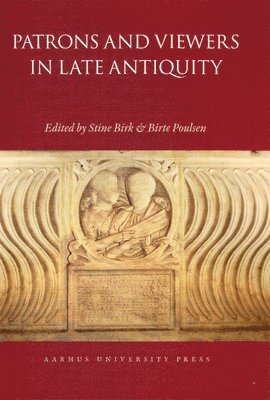
Patrons and Viewers in Late Antiquity
Inbunden, Engelska, 2012
771 kr
Skickas inom 3-6 vardagar
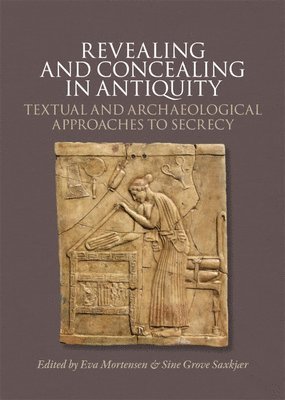
Antiquity was a multi-cultural and multi-religious world. Meetings and interactions between cultures in East and West, and the consequent widespread exchange of ideas had an enormous impact on cultural practices and the creation of identities. These cultural diversities are reflected by both the archaeological material and the written sources. Patrons of luxurious buildings, elaborate grave monuments, and churches used architecture and images to demonstrate political, social and religious power. These buildings and their embellishment with sculpture, mosaics and paintings were strong factors in communicating identity and attitudes both in the public and private spheres. The continuous production of mythological sculpture and mosaics coexisted, sometimes peacefully other times with violent consequences, with an increasing influence from new philosophical mind sets originating in the East, such as Christianity. In this period of rapid social and religious change new patrons appeared, such as bishops, who were responsible for the construction of churches commemorating the Christian triumph. The seminar focuses on the way patrons, pagan as well as Christian, conveyed messages through material culture and the responses of the viewers.
Inbunden, Engelska, 2006
489 kr
Tillfälligt slut
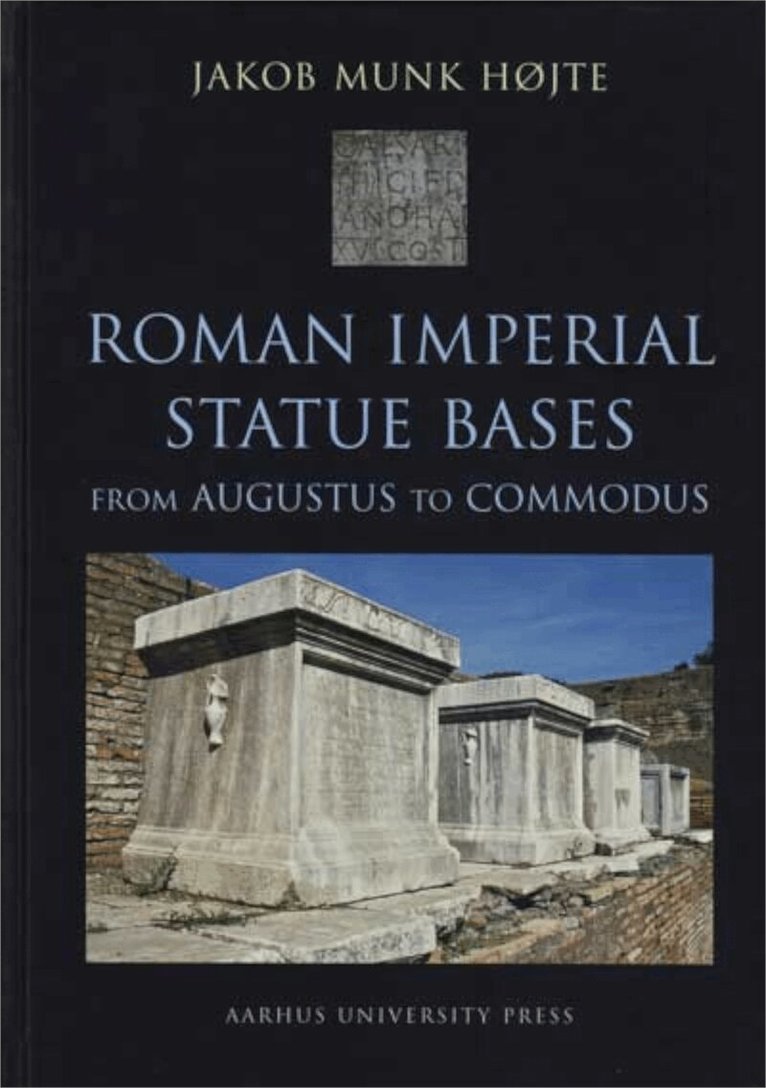
The study of Roman imperial statues has made remarkable strides in the last two decades. Yet the field's understandable focus on extant portraits has made it difficult to generalise accurately. Most notably, bronze was usually the material of choice, but its high scrap value meant that such statues were inevitably melted down, so that almost all surviving statues are of stone. By examining the much larger and more representative body of statue bases, Jakob Munk Højte is here able to situate the statues themselves in context. This volume includes a catalogue of 2300 known statue bases from nearly 800 sites throughout the Roman Empire. Moreover, since it covers a period of 250 years, it allows for the first time consistent geographic, chronological and commemorative patterns to emerge. Højte finds among other things that imperial portrait statues are connected chiefly with urban centres; that they were raised continuously during a given reign, with a higher concentration a couple years after accession; that a primary purpose was often to advertise a donor's merits; and that they increased six-fold in frequency from Augustus to Hadrian, an increase attributable to community dedications.