Stine Birk – författare
Visar alla böcker från författaren Stine Birk. Handla med fri frakt och snabb leverans.
3 produkter
3 produkter
E-bok
Engelska, 2021123 kr
Läs direkt efter köp
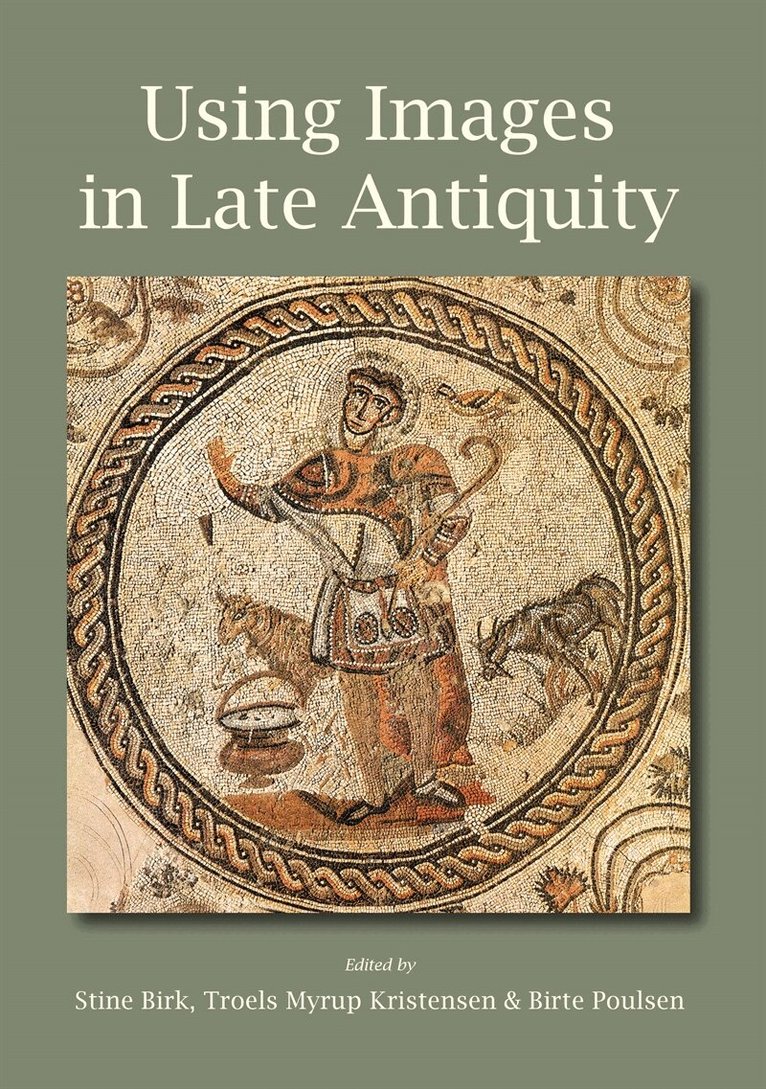
Fifteen papers focus on the active and dynamic uses of images during the first millennium AD. They bring together an international group of scholars who situate the period’s visual practices within their political, religious, and social contexts. The contributors present a diverse range of evidence, including mosaics, sculpture, and architecture from all parts of the Mediterranean, from Spain in the west to Jordan in the east. Contributions span from the depiction of individuals on funerary monuments through monumental epigraphy, Constantine’s expropriation and symbolic re-use of earlier monuments, late antique collections of Classical statuary, and city personifications in mosaics to the topic of civic prosperity during the Theodosian period and dynastic representation during the Umayyad dynasty. Together they provide new insights into the central role of visual culture in the constitution of late antique societies.
Inbunden, Engelska, 2013
484 kr
Skickas inom 5-8 vardagar
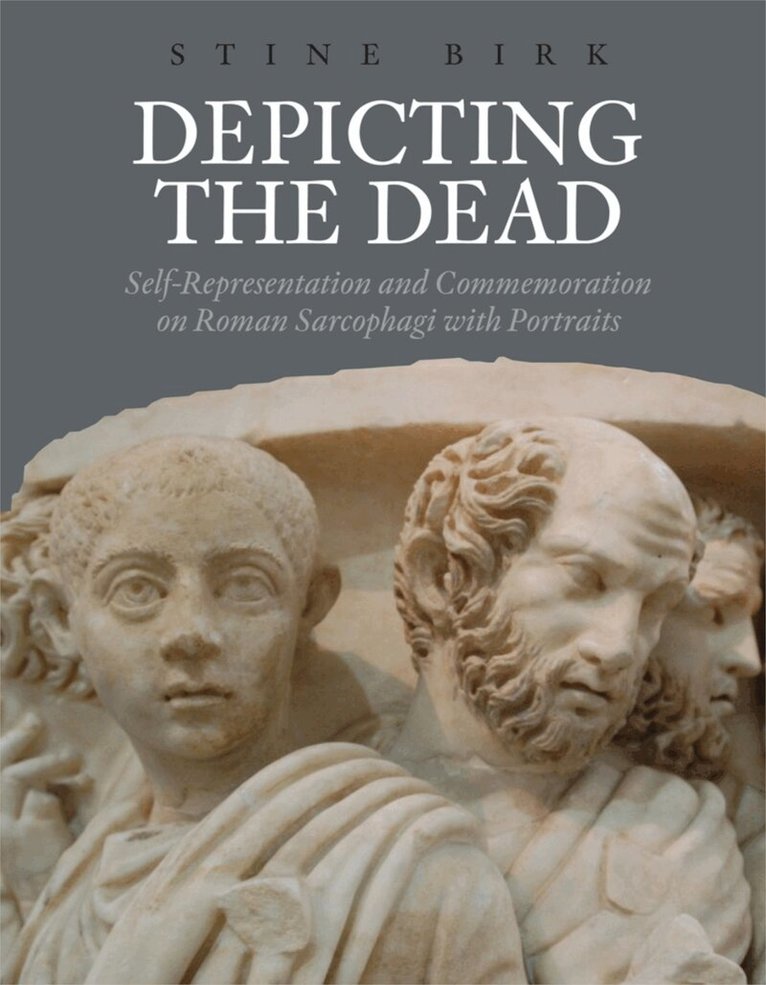
The present monograph takes its place in a now well-established tradition of seeing sarcophagi as visual statements of deceased individuals that used allegories to plot lives and personal memories against mythological and other idealised narratives. It focuses on Roman sarcophagi, often referred to as stadtrömisch, which reflects the fact that the field has traditionally been dominated by German scholars. The aim of the book is twofold: Firstly, it is an exploration of how to read Roman sarcophagi, which starts from those with portraits, but which can contribute more broadly to the study of sarcophagi in general. Secondly, this book investigates gender values as represented through images and how to locate the individual in standardised iconography.
Del 10 - Aarhus Studies in Mediterranean Antiquity
Patrons and Viewers in Late Antiquity
Inbunden, Engelska, 2012
771 kr
Skickas inom 3-6 vardagar
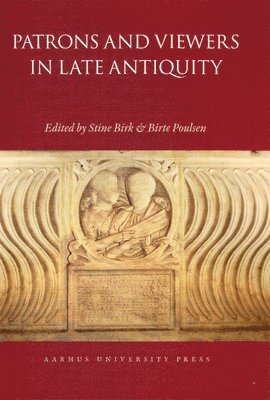
Antiquity was a multi-cultural and multi-religious world. Meetings and interactions between cultures in East and West, and the consequent widespread exchange of ideas had an enormous impact on cultural practices and the creation of identities. These cultural diversities are reflected by both the archaeological material and the written sources. Patrons of luxurious buildings, elaborate grave monuments, and churches used architecture and images to demonstrate political, social and religious power. These buildings and their embellishment with sculpture, mosaics and paintings were strong factors in communicating identity and attitudes both in the public and private spheres. The continuous production of mythological sculpture and mosaics coexisted, sometimes peacefully other times with violent consequences, with an increasing influence from new philosophical mind sets originating in the East, such as Christianity. In this period of rapid social and religious change new patrons appeared, such as bishops, who were responsible for the construction of churches commemorating the Christian triumph. The seminar focuses on the way patrons, pagan as well as Christian, conveyed messages through material culture and the responses of the viewers.