Advances in Primatology – serie
Visar alla böcker i serien Advances in Primatology. Handla med fri frakt och snabb leverans.
18 produkter
18 produkter
Inbunden, Engelska, 1985
2 173 kr
Skickas inom 10-15 vardagar
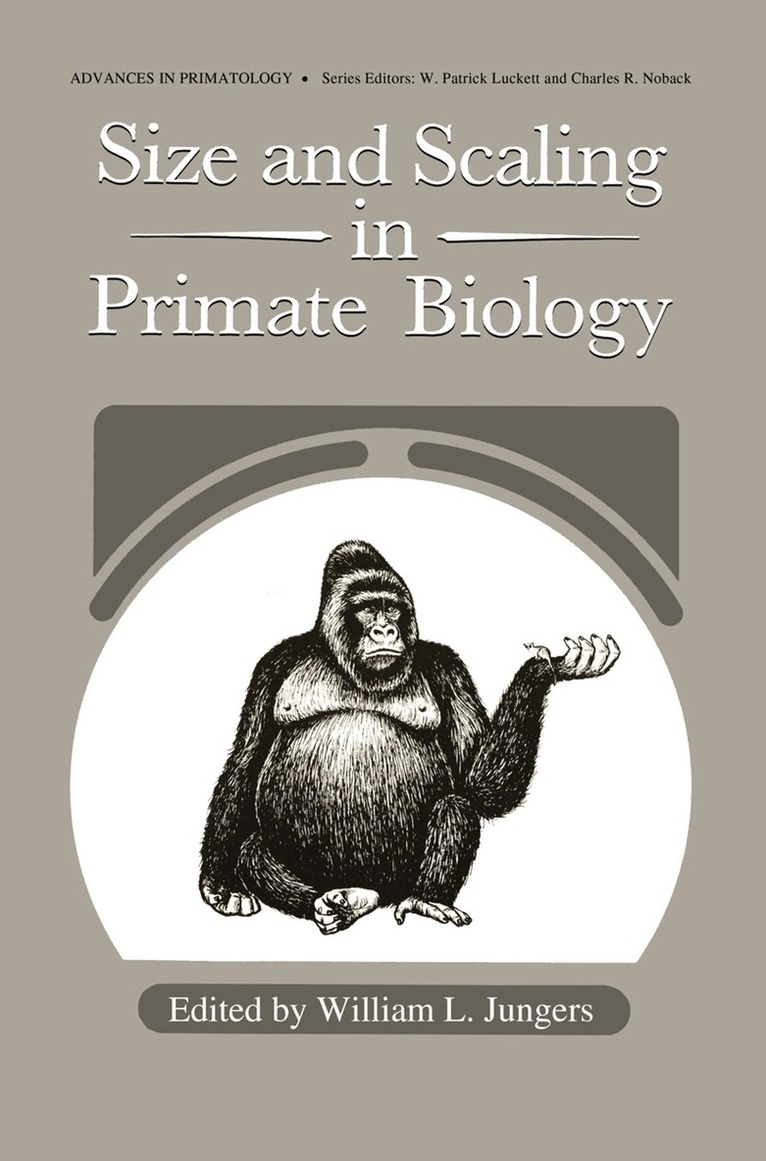
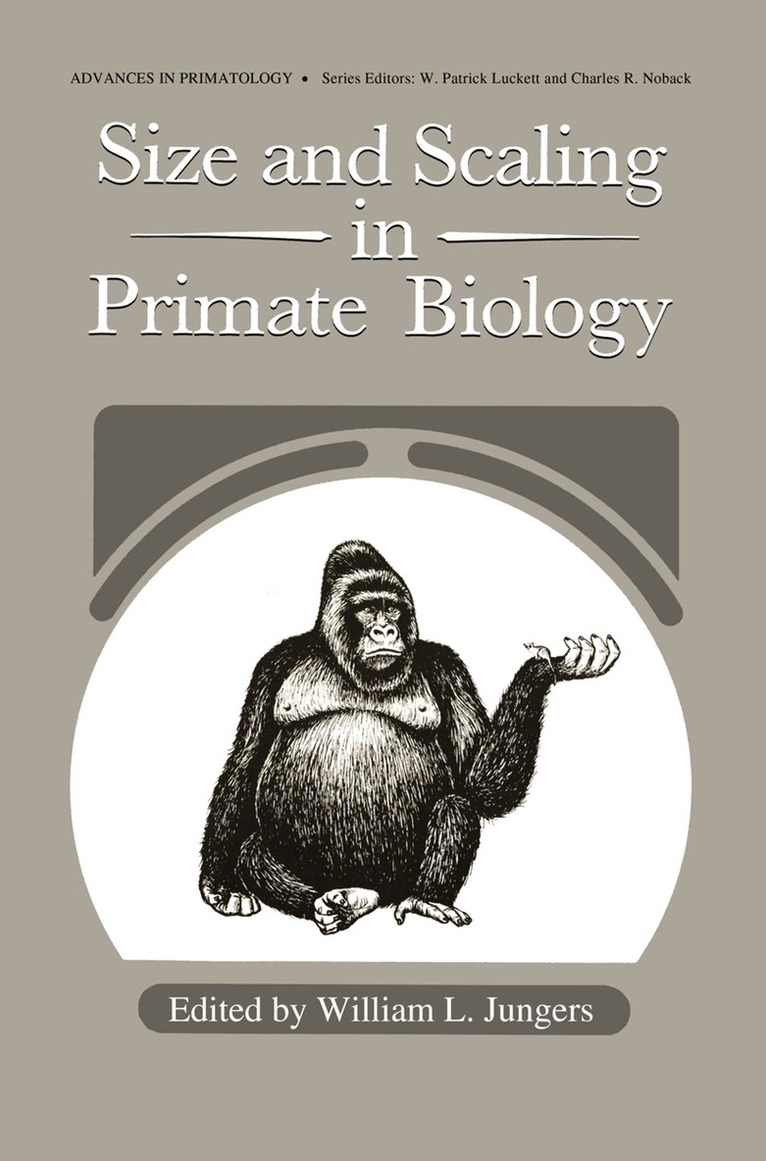
In very general terms, "scaling" can be defined as the structural and func tional consequences of differences in size (or scale) among organisms of more or less similar design. Interest in certain aspects of body size and scaling in primate biology (e. g. , relative brain size) dates to the turn of the century, and scientific debate and dialogue on numerous aspects of this general subject have continued to be a primary concern of primatologists, physical an thropologists, and other vertebrate biologists up to the present. Indeed, the intensity and scope of such research on primates have grown enormously in the past decade or so. Information continues to accumulate rapidly from many different sources, and the task of synthesizing the available data and theories on any given topic is becoming increasingly formidable. In addition to the formal exchange of new ideas and information among scientific experts in specific areas of scaling research, two of the major goals of this volume are an assessment of our progress toward understanding various size-related phe nomena in primates and the identification of future prospects for continuing advances in this realm. Although the subject matter and specific details of the issues considered in the 20 chapters that follow are very diversified, all topics share the same fundamental and unifying biological theme: body size variation in primates and its implications for behavior and ecology, anatomy and physiology, and evolution.
Inbunden, Engelska, 1993
2 173 kr
Skickas inom 10-15 vardagar
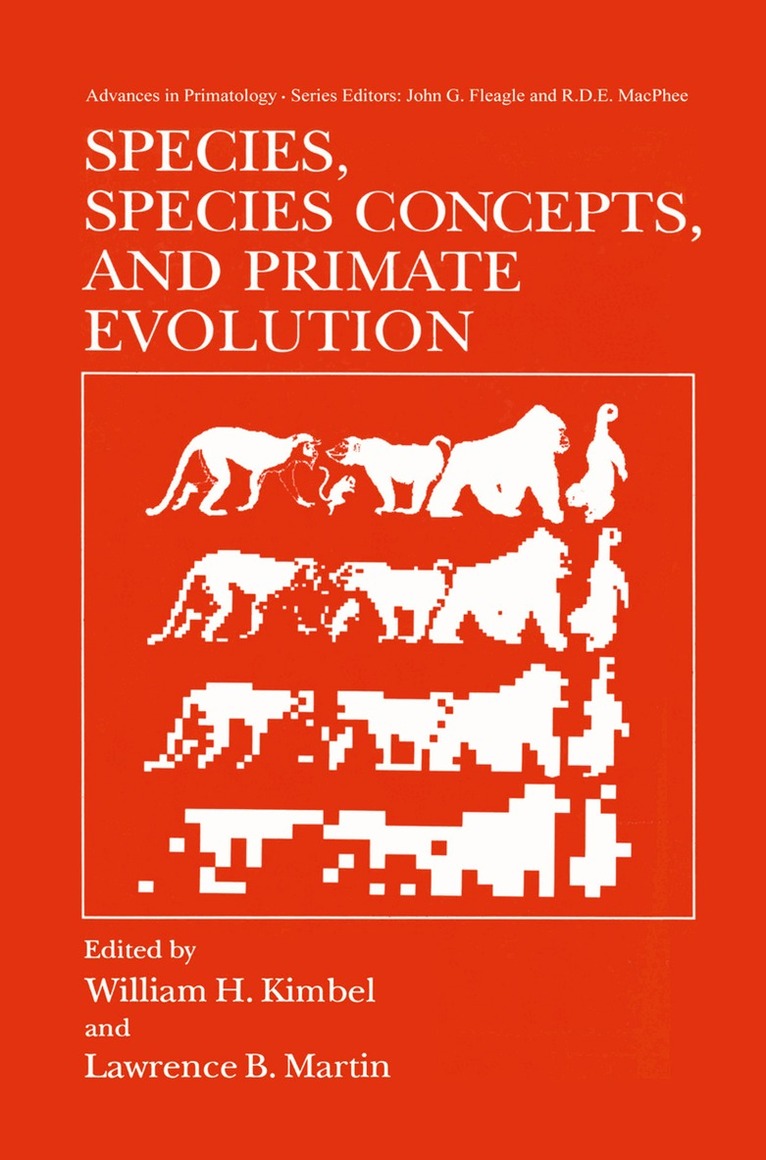
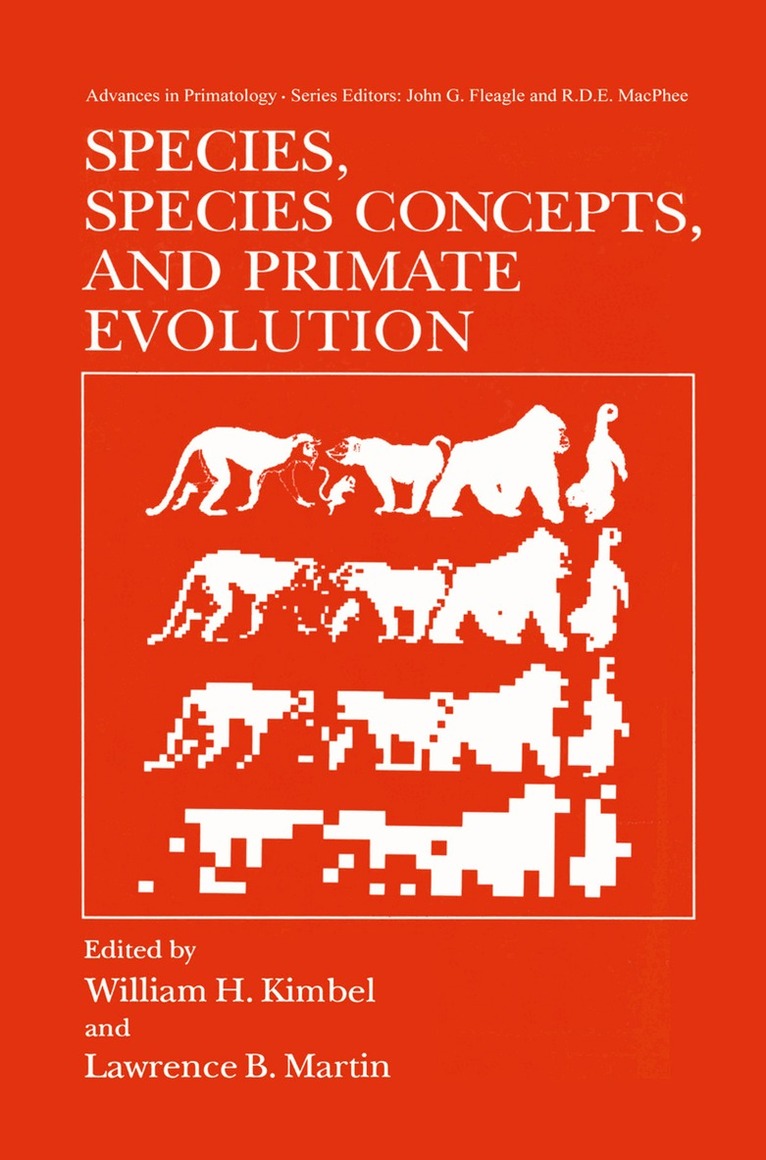
A world of categones devmd of spirit waits for life to return. Saul Bellow, Humboldt's Gift The stock-in-trade of communicating hypotheses about the historical path of evolution is a graphical representation called a phylogenetic tree. In most such graphics, pairs of branches diverge from other branches, successively marching across abstract time toward the present. To each branch is tied a tag with a name, a binominal symbol that functions as does the name given to an individual human being. On phylogenetic trees the names symbolize species. What exactly do these names signify? What kind of information is communicated when we claim to have knowledge of the following types? "Tetonius mathewzi was ancestral to Pseudotetonius ambiguus. " "The sample of fossils attributed to Homo habzlis is too variable to contain only one species. " "Interbreeding populations of savanna baboons all belong to Papio anubis. " "Hylobates lar and H. pileatus interbreed in zones of geographic overlap. " Whilethere is nearly universal agreement that the notion of the speczes is fundamental to our understanding of how evolution works, there is a very wide range of opinion on the conceptual content and meaning of such particular statements regarding species. This is because, oddly enough, evolutionary biolo gists are quite far from agreement on what a species is, how it attains this status, and what role it plays in evolution over the long term.
Inbunden, Engelska, 1993
1 631 kr
Skickas inom 10-15 vardagar
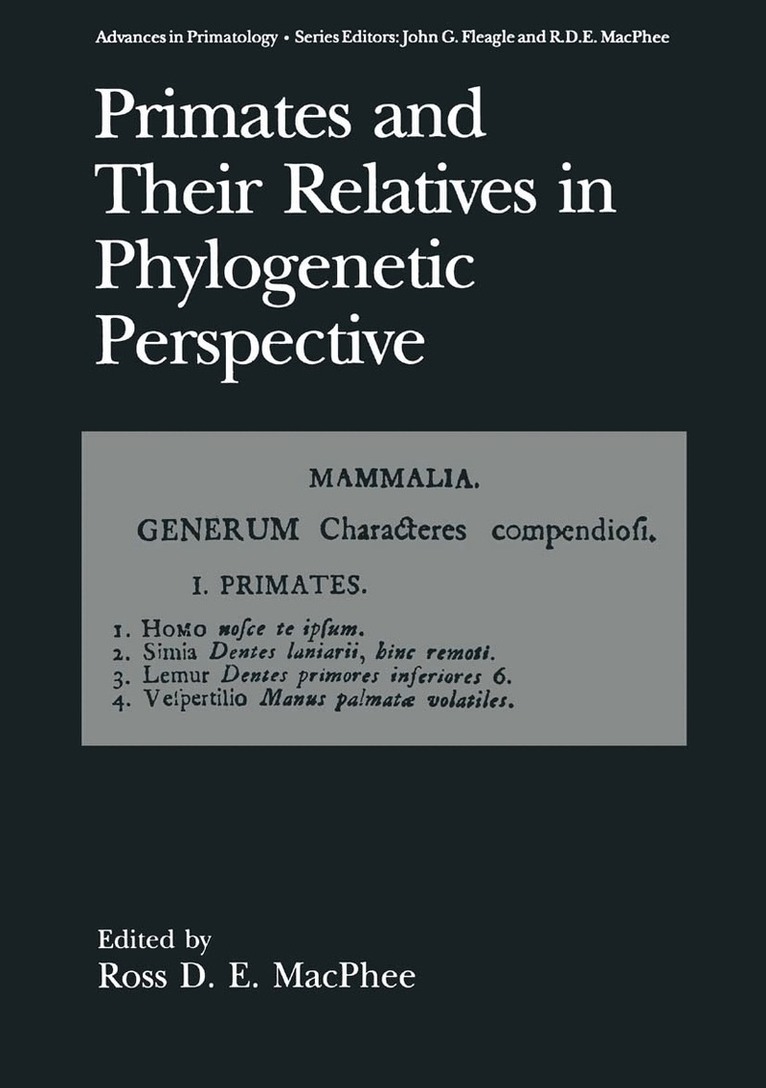
This book has the modest aim of bringing together methodological, theo- retical, and empirical studies that bear on the phylogenetic placement of primates and their relatives, and continues a tradition started by Phylogeny of the Primates: A Multidisciplinary Approach (edited by W. P. Luckett and F. S. Szalay; Plenum Press, 1975) and The Comparative Biology and Evolutionary Rela- tionships of Tree Shrews (edited by W. P. Luckett, Plenum Press, 1980). Although there are several recent compendia of studies of primate relationships, most of these are exclusively concerned with the internal arrangement of clades within the order, not with the place of primates and their relatives on the eutherian cladogram. Evolutionary theory predicts that primates must be more closely related to some non primate mammals than to others, but a continuing problem has been to find reliable procedures for recovering historical relationships among taxa. Before the 1970s, higher-level relationships among primates and euthe- rian mammals that might be closely related to them were rarely treated in detail. Outstanding exceptions, like Le Gros Clark's Antecedents of Man, were just that-exceptions.(Clark himself essentially stopped with making a case for tree shrews; he did not, for example, explore whether bats and colugos were also related to primates. ) In the 1970s and 1980s, the rise of cladistic techniques and advances in molecular methods began to transform primate systematics.
Inbunden, Engelska, 1994
3 256 kr
Skickas inom 10-15 vardagar
This volume brings together information about recent discoveries and current theories concerning the origin and early evolution of anthropoid primates monkeys, apes, and humans. Although Anthropoidea is one of the most dis tinctive groups of living primates, and the origin of the group is a frequent topic of discussion in the anthropological and paleontological literature, the topic of anthropoid origins has rarely been the foeus of direct discussion in primate evolution. Rather, diseussion of anthropoid origins appears as a ma jor side issue in volumes dealing with the origin of platyrrhines (Ciochon and Chiarelli, 1980), in discussions about the phylogenetic position of Tarsius, in descriptions of early anthropoid fossils, and in descriptions and revisions of various fossil prosimians. As a result, the literature on anthropoid origins has a long history of argument by advocacy, in which scholars with different views have expounded individual theories based on a small bit of evidence at hand, often with little consideration of alternative views and other types of evidence that have been used in their support. This type of scholarship struck us as a relatively unproductive approach to a critical issue in primate evolution.
Inbunden, Engelska, 1997
2 173 kr
Skickas inom 10-15 vardagar
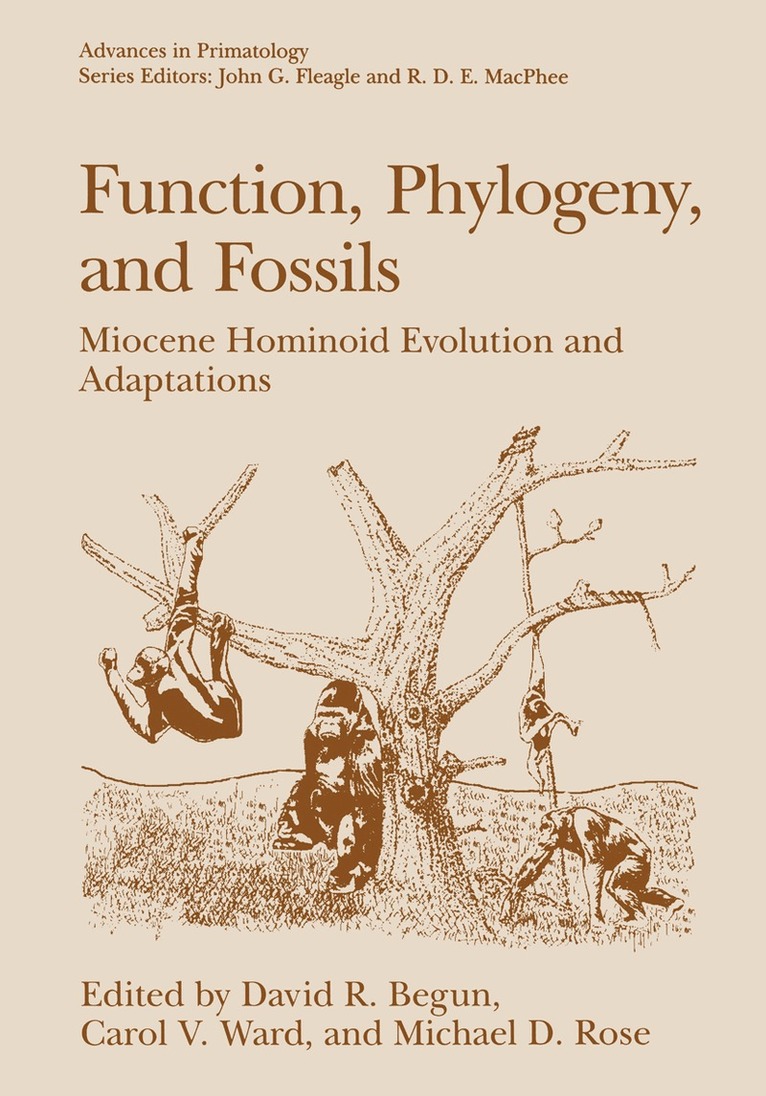
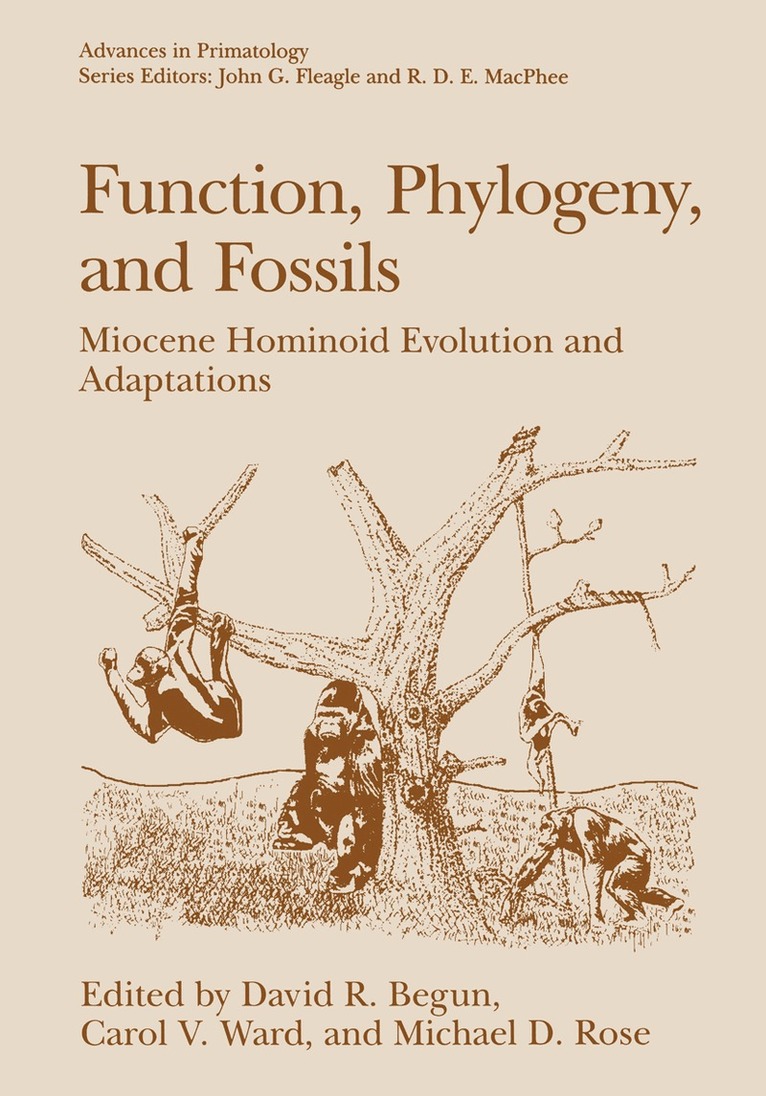
An insightful new work, Function, Phylogeny, and Fossils integrates two practices in paleobiology which are often separated - functional and phylogenetic analysis. The book summarizes the evidence on paleoenvironments at the most important Miocene hominoid sites and relates it to the pertinent fossil record. The contributors present the most up-to-date statements on the functional anatomy and likely behavior of the best known hominoids of this crucial period of ape and human evolution. A key feature is a comprehensive table listing 240 characteristics among 13 genera of living and extinct hominoids.
Inbunden, Engelska, 2001
1 631 kr
Skickas inom 10-15 vardagar
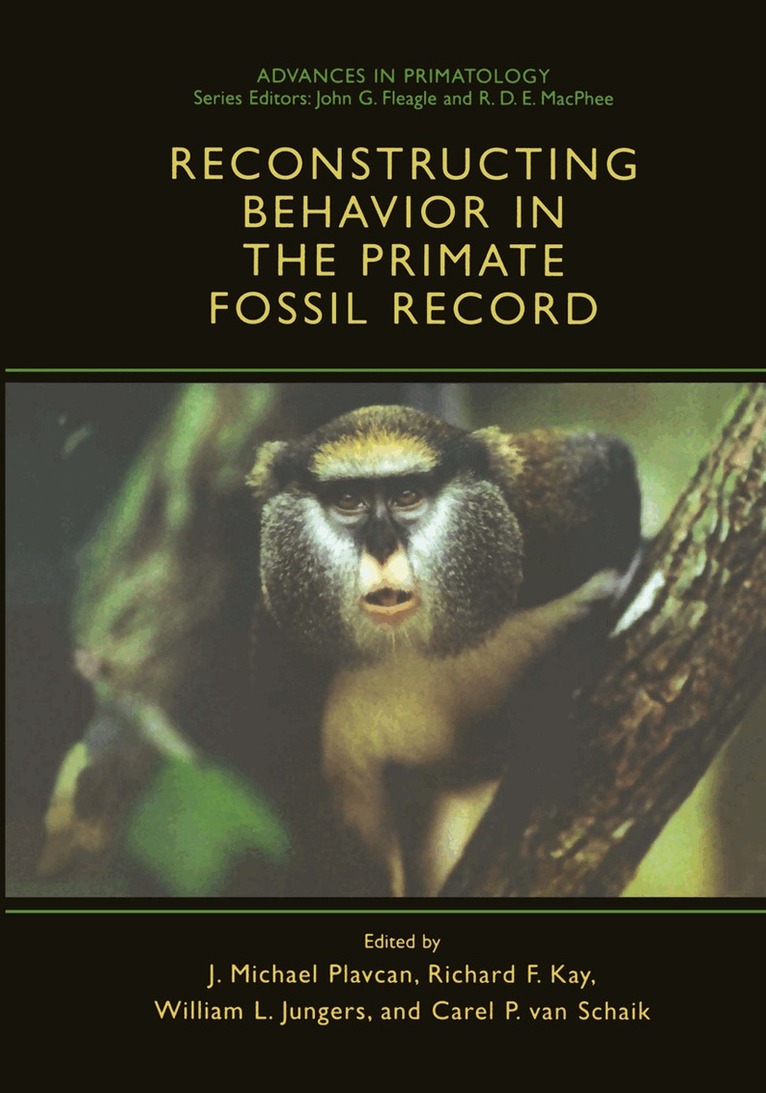
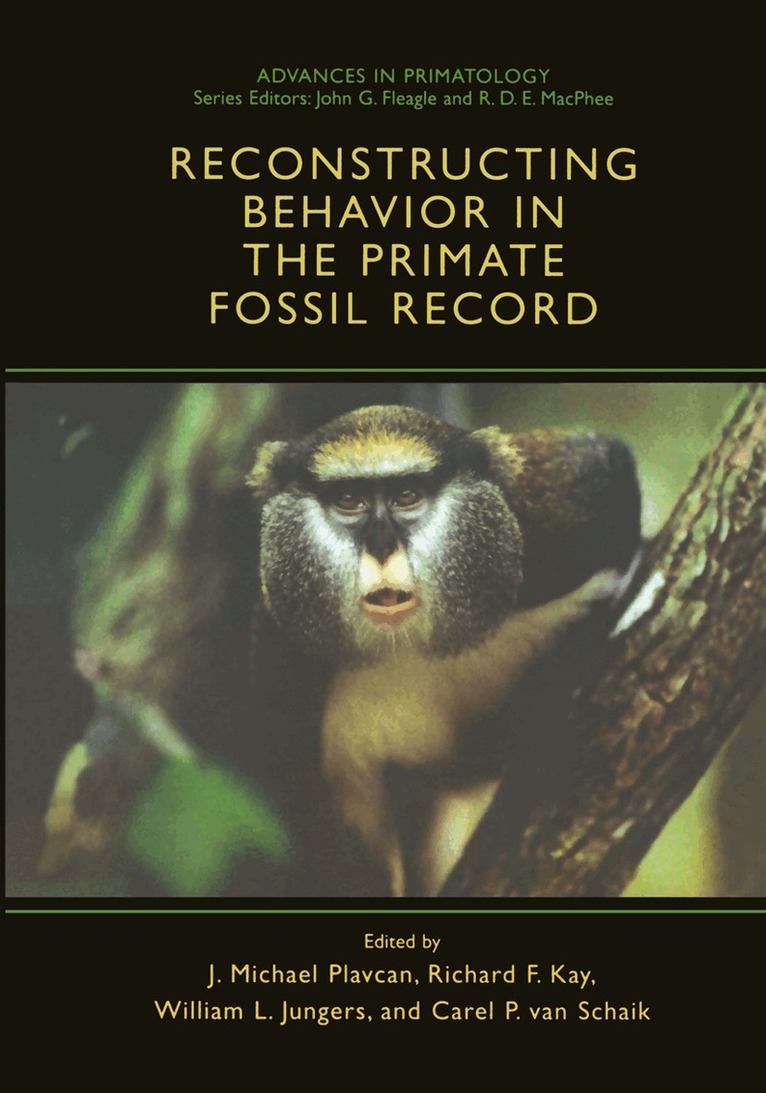
This volume brings together a series of papers that address the topic of reconstructing behavior in the primate fossil record. The literature devoted to reconstructing behavior in extinct species is ovelWhelming and very diverse. Sometimes, it seems as though behavioral reconstruction is done as an afterthought in the discussion section of papers, relegated to the status of informed speculation. But recent years have seen an explosion in studies of adaptation, functional anatomy, comparative sociobiology, and development. Powerful new comparative methods are now available on the internet. At the same time, we face a rapidly growing fossil record that offers more and more information on the morphology and paleoenvironments of extinct species. Consequently, inferences of behavior in extinct species have become better grounded in comparative studies of living species and are becoming increas ingly rigorous. We offer here a series of papers that review broad issues related to reconstructing various aspects of behavior from very different types of evi dence. We hope that in so doing, the reader will gain a perspective on the various types of evidence that can be brought to bear on reconstructing behavior, the strengths and weaknesses of different approaches, and, perhaps, new approaches to the topic. We define behavior as broadly as we can including life-history traits, locomotion, diet, and social behavior, giving the authors considerable freedom in choosing what, exactly, they wish to explore.
Häftad, Engelska, 2012
1 631 kr
Skickas inom 10-15 vardagar
This volume brings together a series of papers that address the topic of reconstructing behavior in the primate fossil record. The literature devoted to reconstructing behavior in extinct species is ovelWhelming and very diverse. Sometimes, it seems as though behavioral reconstruction is done as an afterthought in the discussion section of papers, relegated to the status of informed speculation. But recent years have seen an explosion in studies of adaptation, functional anatomy, comparative sociobiology, and development. Powerful new comparative methods are now available on the internet. At the same time, we face a rapidly growing fossil record that offers more and more information on the morphology and paleoenvironments of extinct species. Consequently, inferences of behavior in extinct species have become better grounded in comparative studies of living species and are becoming increas ingly rigorous. We offer here a series of papers that review broad issues related to reconstructing various aspects of behavior from very different types of evi dence. We hope that in so doing, the reader will gain a perspective on the various types of evidence that can be brought to bear on reconstructing behavior, the strengths and weaknesses of different approaches, and, perhaps, new approaches to the topic. We define behavior as broadly as we can including life-history traits, locomotion, diet, and social behavior, giving the authors considerable freedom in choosing what, exactly, they wish to explore.
Häftad, Engelska, 2013
1 090 kr
Skickas inom 10-15 vardagar
In 1962 at the Burg Wartenstein Symposium on "Classification and Human Evolution," Emile Zuckerkandl used the term "molecular anthropology" to characterize the study of primate phylogeny and human evolution through the genetic information contained in proteins and polynucleotides. Since that time, our knowledge of molecular evolution in primates and other organisms has grown considerably. The present volume examines this knowledge especially as it relates to the phyletic position of Homo sapiens in the order Primates and to the trends which shaped the direction of human evolution. Participants from the disciplines of protein and nucleotide chemistry, genetics, statistics, paleon tology, and physical anthropology held cross-disciplinary discussions and argued some of the major issues of molecular anthropology and the data upon which these arguments rest. Chief among these were the molecular clock controversy in hominoid evolution; the molecular evidence on phylogenetic relationships among primates; the evolution of gene expression regulation in primates; the relationship of fossil and molecular data in the Anthropoidea and other pri mates; the interpretation of the adaptive significance of evolutionary changes; and, finally, the impact on mankind of studies in molecular anthropology. Most of the papers in this volume were presented in a preliminary form at Symposium No. 65 on "Progress in Molecular Anthropology" held at Burg Wartenstein, Austria, from July 25 to August 1, 1975. These papers were subsequently revised and some additional papers related to the theme of the symposium were also contributed to this volume.
Häftad, Engelska, 2013
1 090 kr
Skickas inom 10-15 vardagar
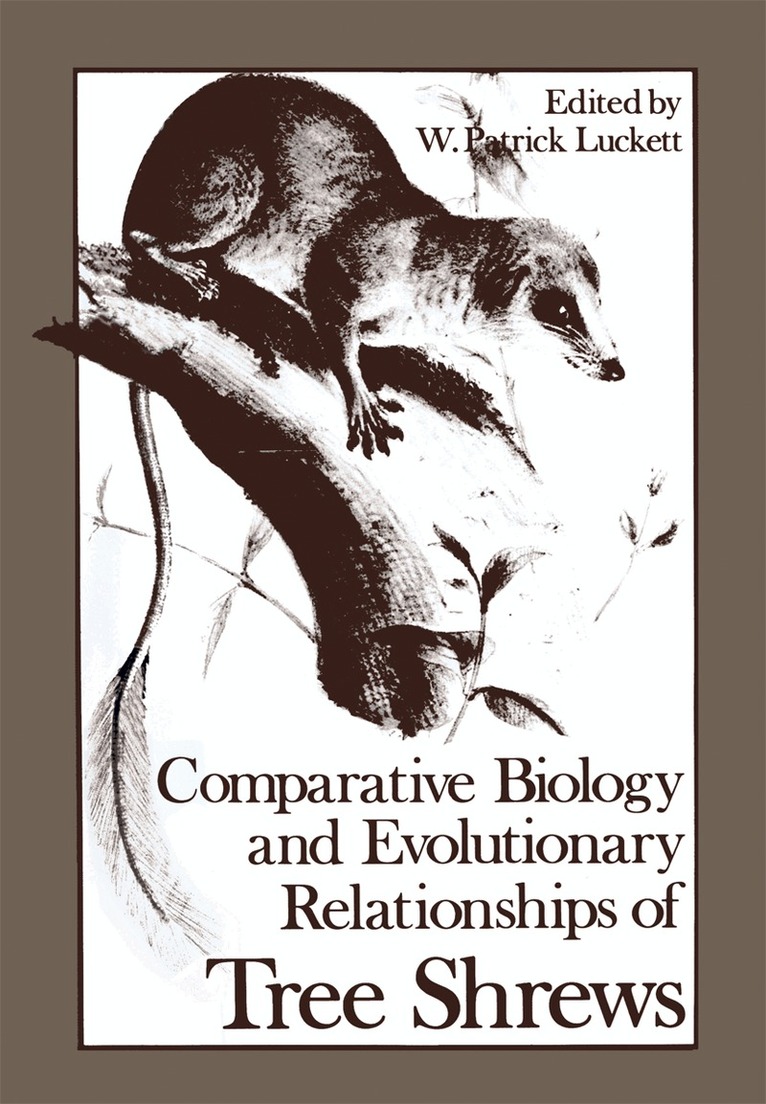
Tree shrews are small-bodied, scansorial, squirrel-like mammals that occupy a wide range of arboreal, semi-arboreal, and forest floor niches in Southeast Asia and adjacent islands. Comparative aspects of tree shrew biology have been the subject of extensive investigations during the past two decades. These studies were initiated in part because of the widely accepted belief that tupaiids are primitive primates, and, as such, might provide valuable insight into the evolutionary origin of complex patterns of primate behavior, locomotion, neurobiology, and reproduction. During the same period, there has been a renewed interest in the methodology of phylogenetic reconstruction and in the use of data from a variety of biological disciplines to test or formulate hypotheses of evolutionary relationships. In particular, interest in the com parative and systematic biology of mammals has focused on analysis of phy logenetic relationships among Primates and a search for their closest relatives. Assessment of the possible primate affinities of tree shrews has comprised an important part of these studies, and a considerable amount of dental, cranio skeletal, neuroanatomical, reproductive, developmental, and molecular evi dence has been marshalled to either corroborate or refute hypotheses of a special tupaiid-primate relationship. These contrasting viewpoints have re sulted from differing interpretations of the basic data, as well as alternative approaches to the evolutionary analysis of data.
Häftad, Engelska, 2012
1 090 kr
Skickas inom 10-15 vardagar
Primates are avid explorers that utilize a variety of sensory clues from the environment. The special senses of olfaction, audition, and particu larly vision are thus of paramount significance in the evolution and adaptive radiation of the primates. It was with this in mind that this volume was planned to present some recent research advances. The chapter on olfactory communication among primates affords new insights concerning a sense which, though primatologists have generally relegated it to a minor role, is of considerable significance in the primates. The chapters on the auditory system are organized to stress three aspects: the receptive organ, the neural pathways, and the role of audition in primate communication. The visual system, the dominant special sense of primates, is analyzed with respect to two regions of the brain, namely, the organization of the superior colliculus and the visual cortex. Finally, the chapter on endocasts in the study of primate brain evolution will alert neurobiologists to the relevant information that can be unearthed from fossils embedded in the terrane. I wish to thank the publishers, and especially Miss Phyllis Straw and Mr. Seymour Weingarten, for their support, patience, guidance, and professional assistance.
Häftad, Engelska, 2012
1 090 kr
Skickas inom 10-15 vardagar
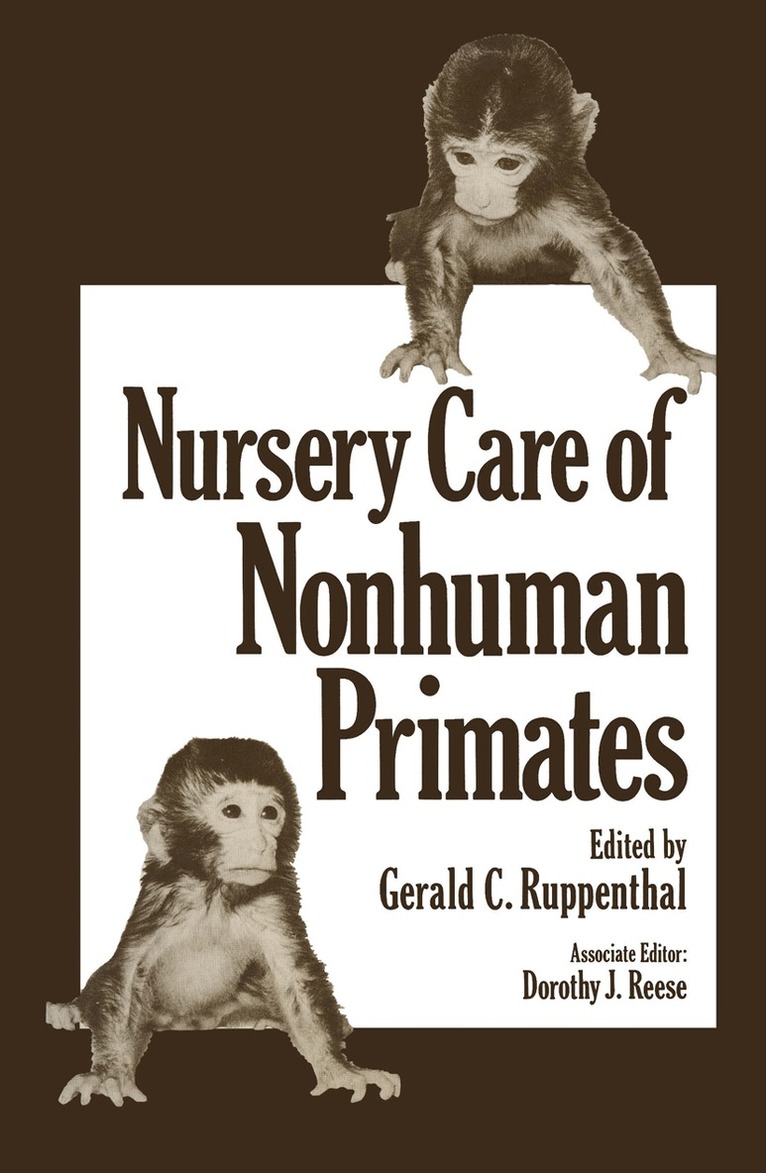
The Infant Primate Research Laboratory at the University of Washington was conceived in 1970 as a small research Wlit primarily for support of two individual's interests in early develop ment of nonhuman primates. Because of their research emphasis, a modest nursery was required to support a small population of animals for specific experimental studies. The laboratory experi enced rapid growth when others at the University became interested in the use of monkeys as models for early development and mental retardation in humans. In 1972 the Wlit was formally established as a core facility of the Child Development and Mental Retardation Center and the Regional Primate Research Center. This joint administrative and financial support allowed us to invest considerable effort in the development of normative data for rearing animals in our nursery as well as for identifying, documenting, and rearing subjects at high risk for neonatal death. As part of that effort, every attempt has been made to promote a multidisciplinary approach to ques tions associated with rearing nonhuman primates. This volume includes much of the information thus gathered. I feel that such an approach is essential to the promotion of scientific principles in rearing and has allowed the laboratory to contribute to prima tology.
Häftad, Engelska, 2013
1 090 kr
Skickas inom 10-15 vardagar
It is now well known that the concept of drifting continents became an estab lished theory during the 1960s. Not long after this "revolution in the earth sciences," researchers began applying the continental drift model to problems in historical biogeography. One such problem was the origin and dispersal of the New World monkeys, the Platyrrhini. Our interests in this subject began in the late 1960s on different conti nents quite independent of one another in the cities of Florence, Italy, and Berkeley, California. In Florence in 1968, A. B. Chiarelli, through stimulating discussions with R. von Koenigswald and B. de Boer, became intrigued with the possibility that a repositioning of the continents of Africa and South America in the early Cenozoic might alter previous traditional conceptions of a North American origin of the Platyrrhini. During the early 1970s this con cept was expanded and pursued by him through discussions with students while serving as visiting professor at the University of Toronto. By this time, publication of the Journal of Human Evolution was well underway, and Dr. Chiarelli as editor encouraged a dialogue emphasizing continental drift models of primate origins which culminated in a series of articles published in that journal during 1974-75. In early 1970, while attending the University of California at Berkeley, R. L. Ciochon was introduced to the concept of continental drift and plate tectonics and their concomitant applications to vertebrate evolution through talks with paleontologist W. A. Clemens and anthropologist S. L. Washburn.
Häftad, Engelska, 2013
1 631 kr
Skickas inom 10-15 vardagar
In the field of paleoanthropology there is perhaps no more compelling issue than the origin of the human lineage. From the 19th-Century proclamations of Darwin, Huxley, and Haeckel up to the present-day announcements of authorities such as Pilbeam, Johanson, and Leakey, controversy and debate have always surrounded the search for our earliest ancestors. Most authorities now agree that many important questions concerning ape and human ances- try will be solved by further investigation of the hominoid primates of the Miocene and Pliocene, and through exacting comparative anatomical and biomolecular analyses of their living representatives. Indeed, these studies will yield a better understanding of (1) the cladogenesis (branching order) of the hominoid primates, (2) the morphotype (structural components) of the last common ancestor of humans and the living apes, (3) the timing and geographical placement of the hominid-pongid (human-ape) divergence and (4) the adaptive nature and probable scenario for the initial differentiation of hominids from pongids.In this context we organized a symposium entitled "Miocene Hominoids and New Interpretations of Ape and Human Ancestry" which met July 2-4, 1980, in Florence, Italy,just prior to the convening of the VIII Congress ofthe International Primatological Society. This Pre-Congress Symposium was at- tended by a small group of anthropologists, anatomists, biochemists, ecolo- gists, and paleontologists, all dedicated to a reanalysis of the evolutionary position and a more parsimonious interpretation of the Miocene hominoids vis a vis modern apes and humans.
Häftad, Engelska, 2013
3 256 kr
Skickas inom 10-15 vardagar
This volume brings together information about recent discoveries and current theories concerning the origin and early evolution of anthropoid primates monkeys, apes, and humans.
Häftad, Engelska, 2013
2 173 kr
Skickas inom 10-15 vardagar
An insightful new work, Function, Phylogeny, and Fossils integrates two practices in paleobiology which are often separated - functional and phylogenetic analysis. The book summarizes the evidence on paleoenvironments at the most important Miocene hominoid sites and relates it to the pertinent fossil record. The contributors present the most up-to-date statements on the functional anatomy and likely behavior of the best known hominoids of this crucial period of ape and human evolution. A key feature is a comprehensive table listing 240 characteristics among 13 genera of living and extinct hominoids.
Häftad, Engelska, 2013
1 631 kr
Skickas inom 10-15 vardagar
This book has the modest aim of bringing together methodological, theo- retical, and empirical studies that bear on the phylogenetic placement of primates and their relatives, and continues a tradition started by Phylogeny of the Primates: A Multidisciplinary Approach (edited by W. P. Luckett and F. S. Szalay; Plenum Press, 1975) and The Comparative Biology and Evolutionary Rela- tionships of Tree Shrews (edited by W. P. Luckett, Plenum Press, 1980). Although there are several recent compendia of studies of primate relationships, most of these are exclusively concerned with the internal arrangement of clades within the order, not with the place of primates and their relatives on the eutherian cladogram. Evolutionary theory predicts that primates must be more closely related to some non primate mammals than to others, but a continuing problem has been to find reliable procedures for recovering historical relationships among taxa. Before the 1970s, higher-level relationships among primates and euthe- rian mammals that might be closely related to them were rarely treated in detail. Outstanding exceptions, like Le Gros Clark's Antecedents of Man, were just that-exceptions.(Clark himself essentially stopped with making a case for tree shrews; he did not, for example, explore whether bats and colugos were also related to primates. ) In the 1970s and 1980s, the rise of cladistic techniques and advances in molecular methods began to transform primate systematics.
Häftad, Engelska, 2014
2 173 kr
Skickas inom 10-15 vardagar
In very general terms, "scaling" can be defined as the structural and func tional consequences of differences in size (or scale) among organisms of more or less similar design. Interest in certain aspects of body size and scaling in primate biology (e. g. , relative brain size) dates to the turn of the century, and scientific debate and dialogue on numerous aspects of this general subject have continued to be a primary concern of primatologists, physical an thropologists, and other vertebrate biologists up to the present. Indeed, the intensity and scope of such research on primates have grown enormously in the past decade or so. Information continues to accumulate rapidly from many different sources, and the task of synthesizing the available data and theories on any given topic is becoming increasingly formidable. In addition to the formal exchange of new ideas and information among scientific experts in specific areas of scaling research, two of the major goals of this volume are an assessment of our progress toward understanding various size-related phe nomena in primates and the identification of future prospects for continuing advances in this realm. Although the subject matter and specific details of the issues considered in the 20 chapters that follow are very diversified, all topics share the same fundamental and unifying biological theme: body size variation in primates and its implications for behavior and ecology, anatomy and physiology, and evolution.
Häftad, Engelska, 2013
2 173 kr
Skickas inom 10-15 vardagar
A world of categones devmd of spirit waits for life to return. Saul Bellow, Humboldt's Gift The stock-in-trade of communicating hypotheses about the historical path of evolution is a graphical representation called a phylogenetic tree. In most such graphics, pairs of branches diverge from other branches, successively marching across abstract time toward the present. To each branch is tied a tag with a name, a binominal symbol that functions as does the name given to an individual human being. On phylogenetic trees the names symbolize species. What exactly do these names signify? What kind of information is communicated when we claim to have knowledge of the following types? "Tetonius mathewzi was ancestral to Pseudotetonius ambiguus. " "The sample of fossils attributed to Homo habzlis is too variable to contain only one species. " "Interbreeding populations of savanna baboons all belong to Papio anubis. " "Hylobates lar and H. pileatus interbreed in zones of geographic overlap. " Whilethere is nearly universal agreement that the notion of the speczes is fundamental to our understanding of how evolution works, there is a very wide range of opinion on the conceptual content and meaning of such particular statements regarding species. This is because, oddly enough, evolutionary biolo gists are quite far from agreement on what a species is, how it attains this status, and what role it plays in evolution over the long term.