John G. Fleagle – författare
Visar alla böcker från författaren John G. Fleagle. Handla med fri frakt och snabb leverans.
24 produkter
Primate Adaptation and Evolution
Av John G. Fleagle, Andrea L. Baden m. fl.
Inbunden, 2025
750 kr
Lägg i varukorg
**2026 Textbook and Academic Authors Association (TAA) McGuffey Longevity Award Winner** Primate Adaptation and Evolution, Fourth Edition provides key features of extant families and references to more detailed texts. The book sets the scene and creates space for a thorough updating of exciting …
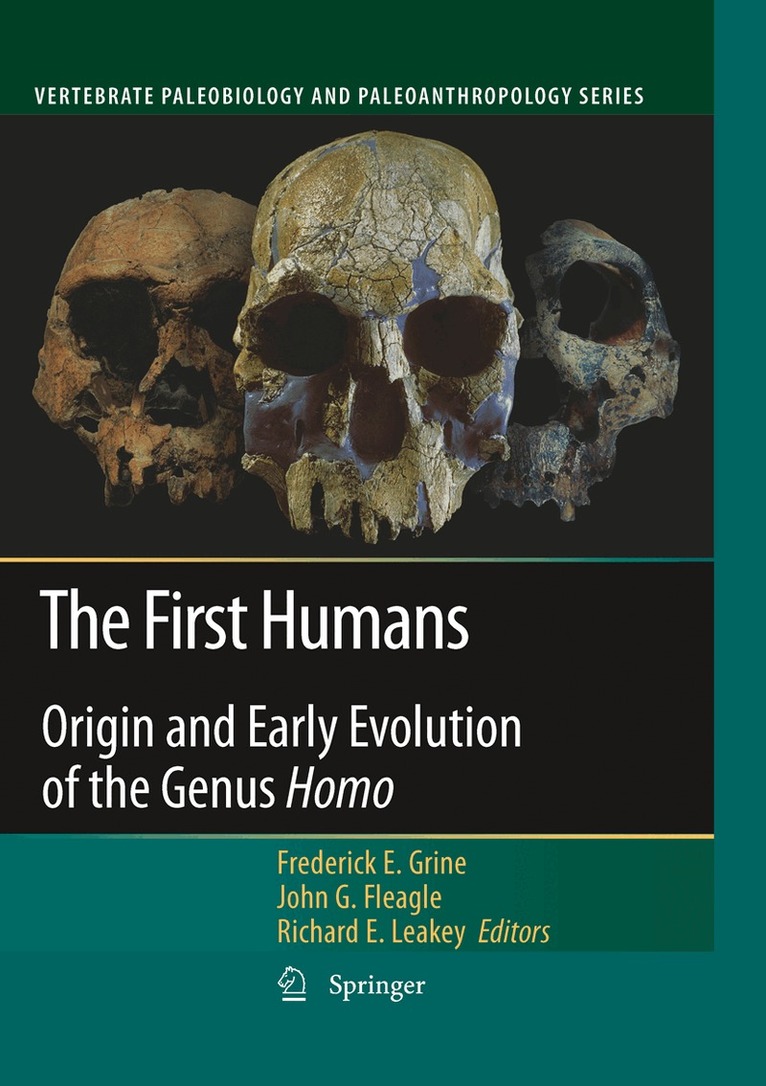
First Humans
Origin and Early Evolution of the Genus Homo
Av Frederick E. Grine, John G Fleagle m. fl.
Inbunden, 2009
1538 kr
Lägg i varukorg
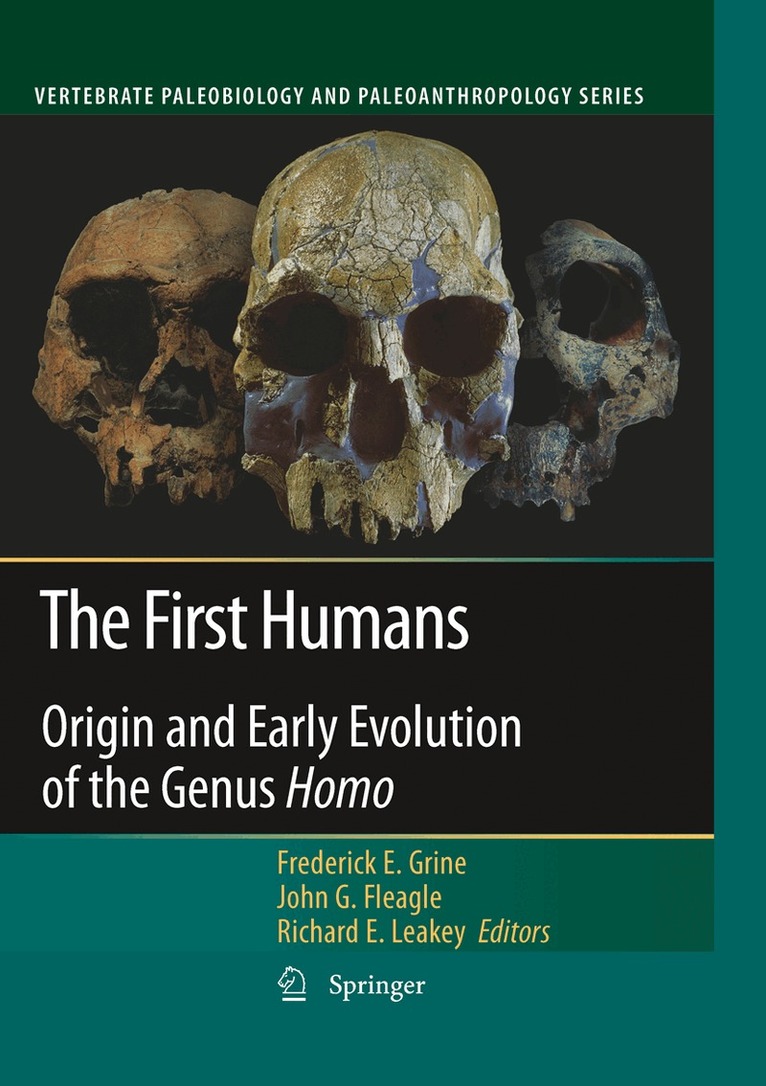
There are some issues in human paleontology that seem to be timeless. Most deal with the origin and early evolution of our own genus – something about which we should care. Some of these issues pertain to taxonomy and systematics. How many species of Homo were there in the Pliocene and Pleistocene? …
Primate Adaptation and Evolution
E-bok, 1998
839 kr
Lägg i varukorg
John Fleagle has improved on his 1988 text by reconceptualizing chapters and by bringing new findings in functional and evolutionary approaches to bear on his synthesis of comparative primate data. The Second Edition provides a foundation upon which students can develop an understanding of our …
Primate Adaptation and Evolution
E-bok, 2013
954 kr
Lägg i varukorg
Primate Adaptation and Evolution, Third Edition, is a thorough revision of the text of choice for courses in primate evolution. The book retains its grounding in the extant primate groups as the best way to understand the fossil trail and the evolution of these modern forms. However, this coverage …
Primate Adaptation and Evolution
Av Christopher C. Gilbert, Andrea L. Baden m. fl.
E-bok, 2024
734 kr
Lägg i varukorg
Primate Adaptation and Evolution, Fourth Edition provides key features of extant families and references to more detailed texts. The book sets the scene and creates space for a thorough updating of exciting developments in primate paleontology and a reconstruction through early hominid species of …
Anthropoid Origins
Av John G Fleagle, Richard F. Kay
Inbunden, 1994
3279 kr
Lägg i varukorg
This volume brings together information about recent discoveries and current theories concerning the origin and early evolution of anthropoid primates monkeys, apes, and humans. Although Anthropoidea is one of the most dis tinctive groups of living primates, and the origin of the group is a …
Primate Biogeography
Progress and Prospects
Av Shawn M. Lehman, John G Fleagle
Inbunden, 2006
1098 kr
Lägg i varukorg
Biogeography is a vital component in many aspects of Primatology, including studies of evolution, speciation systematics, population genetics, and community ecology. Despite its integral position in studies of primate evolution and ecology and the broad representation of research on this subject in …
Primate Biogeography
Progress and Prospects
Av John G Fleagle, Shawn M. Lehman
E-bok, 2006
1416 kr
Lägg i varukorg
Biogeography is a vital component in many aspects of Primatology, including studies of evolution, speciation systematics, population genetics, and community ecology. Despite its integral position in studies of primate evolution and ecology and the broad representation of research on this subject in …
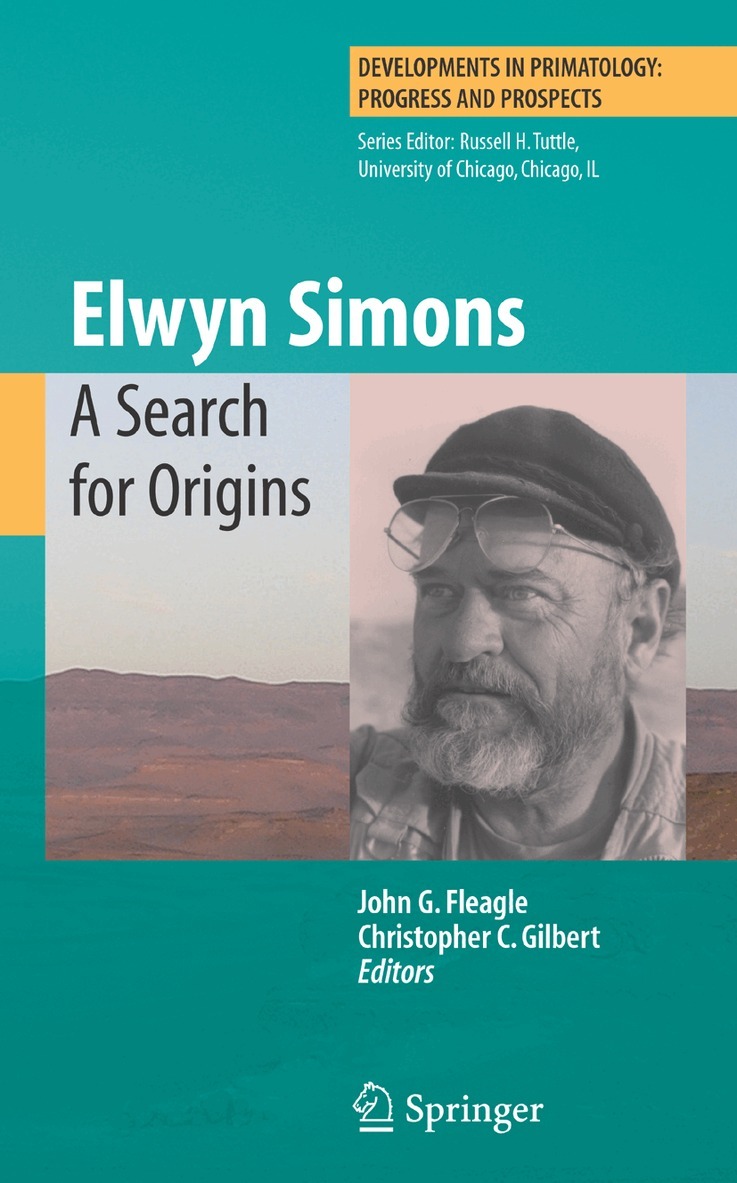
Elwyn Simons: A Search for Origins
Av John G Fleagle, Christopher C. Gilbert
Inbunden, 2007
1643 kr
Lägg i varukorg
Elwyn Simons has held professional appointments at Yale University (1960-1977), Duke University (1977-present), and was the Director of the Duke Primate Center (1977-1991) and Scientific Director (1991-2001). He has authored nearly 300 scientific publications and is the holder of many high honors. …
Elwyn Simons: A Search for Origins
Av Christopher C. Gilbert, John G Fleagle
E-bok, 2007
2111 kr
Lägg i varukorg
Elwyn Simons has held professional appointments at Yale University (1960-1977), Duke University (1977-present), and was the Director of the Duke Primate Center (1977-1991) and Scientific Director (1991-2001). He has authored nearly 300 scientific publications and is the holder of many high honors. …
First Humans
Origin and Early Evolution of the Genus Homo
Av Richard E. Leakey, John G Fleagle m. fl.
E-bok, 2009
1948 kr
Lägg i varukorg
There are some issues in human paleontology that seem to be timeless. Most deal with the origin and early evolution of our own genus – something about which we should care. Some of these issues pertain to taxonomy and systematics. How many species of Homo were there in the Pliocene and Pleistocene? …
Elwyn Simons: A Search for Origins
Av John G Fleagle, Christopher C. Gilbert
Häftad, 2010
1647 kr
Lägg i varukorg
Elwyn Simons has held professional appointments at Yale University (1960-1977), Duke University (1977-present), and was the Director of the Duke Primate Center (1977-1991) and Scientific Director (1991-2001). He has authored nearly 300 scientific publications and is the holder of many high honors. …
Primate Biogeography
Progress and Prospects
Av Shawn M. Lehman, John G Fleagle
Häftad, 2010
1101 kr
Lägg i varukorg
Biogeography is a vital component in many aspects of Primatology, including studies of evolution, speciation systematics, population genetics, and community ecology. Despite its integral position in studies of primate evolution and ecology and the broad representation of research on this subject in …
Anthropoid Origins
Av Richard F. Kay, John G Fleagle
E-bok, 2013
3978 kr
Lägg i varukorg
This volume brings together information about recent discoveries and current theories concerning the origin and early evolution of anthropoid primates monkeys, apes, and humans. Although Anthropoidea is one of the most dis tinctive groups of living primates, and the origin of the group is a …
Anthropoid Origins
Av John G Fleagle, Richard F. Kay
Häftad, 2013
3288 kr
Lägg i varukorg
This volume brings together information about recent discoveries and current theories concerning the origin and early evolution of anthropoid primates monkeys, apes, and humans. Although Anthropoidea is one of the most dis tinctive groups of living primates, and the origin of the group is a …
Platyrrhine Fossil Record
Av Alfred L. Rosenberger, John G. Fleagle
E-bok, 2013
807 kr
Lägg i varukorg
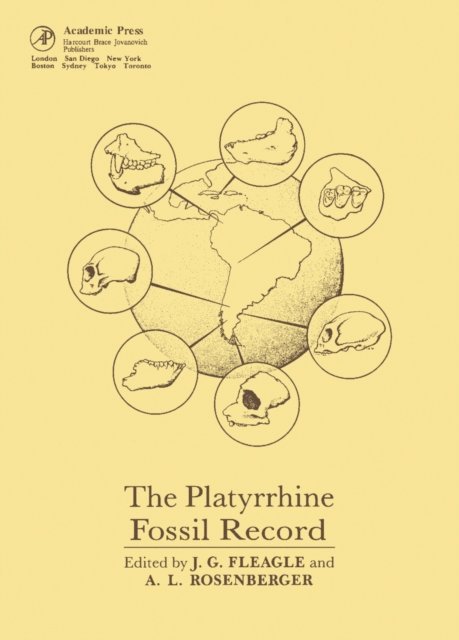
The Platyrrhine Fossil Record is a compendium of papers presented in a symposium of the 12th Congress of the International Congress of Primatology held in Brazil. One paper reviews evidence from fossil platyrrhines where the author concludes new dating and environmental data where these animals …
First Humans
Origin and Early Evolution of the Genus Homo
Av Frederick E. Grine, John G Fleagle m. fl.
Häftad, 2010
1534 kr
Lägg i varukorg
There are some issues in human paleontology that seem to be timeless. Most deal with the origin and early evolution of our own genus – something about which we should care. Some of these issues pertain to taxonomy and systematics. How many species of Homo were there in the Pliocene and Pleistocene? …
Out of Africa I
The First Hominin Colonization of Eurasia
Av John G Fleagle, John J. Shea m. fl.
Inbunden, 2010
1098 kr
Lägg i varukorg
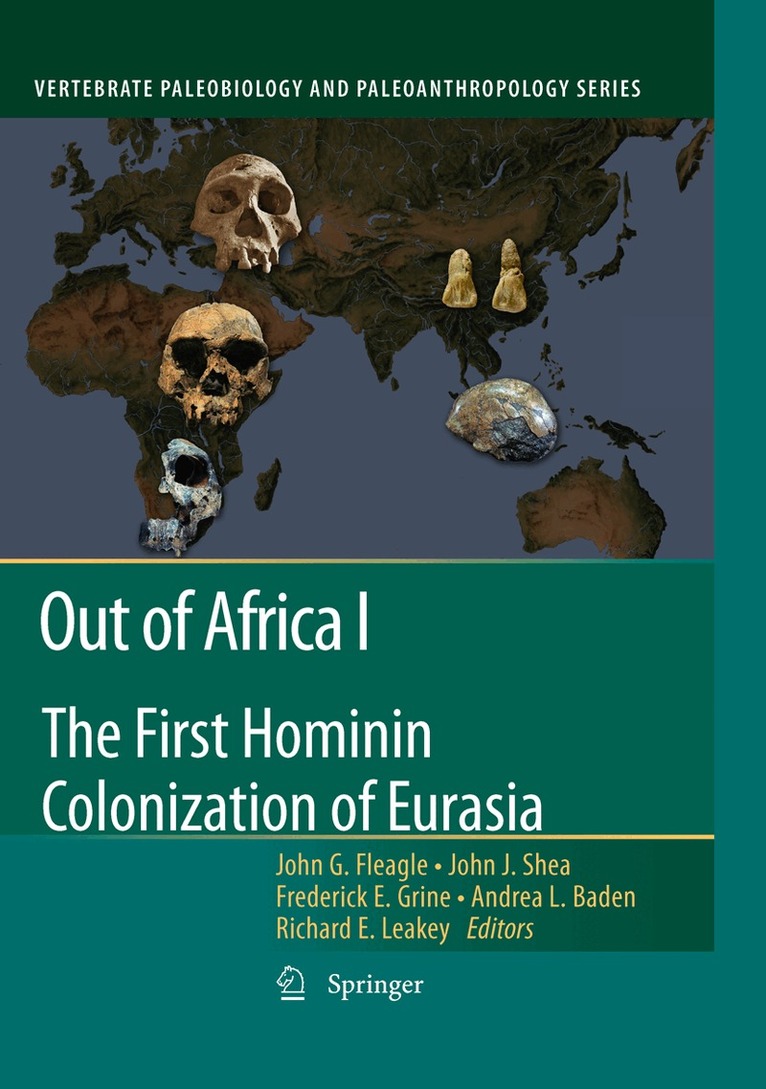
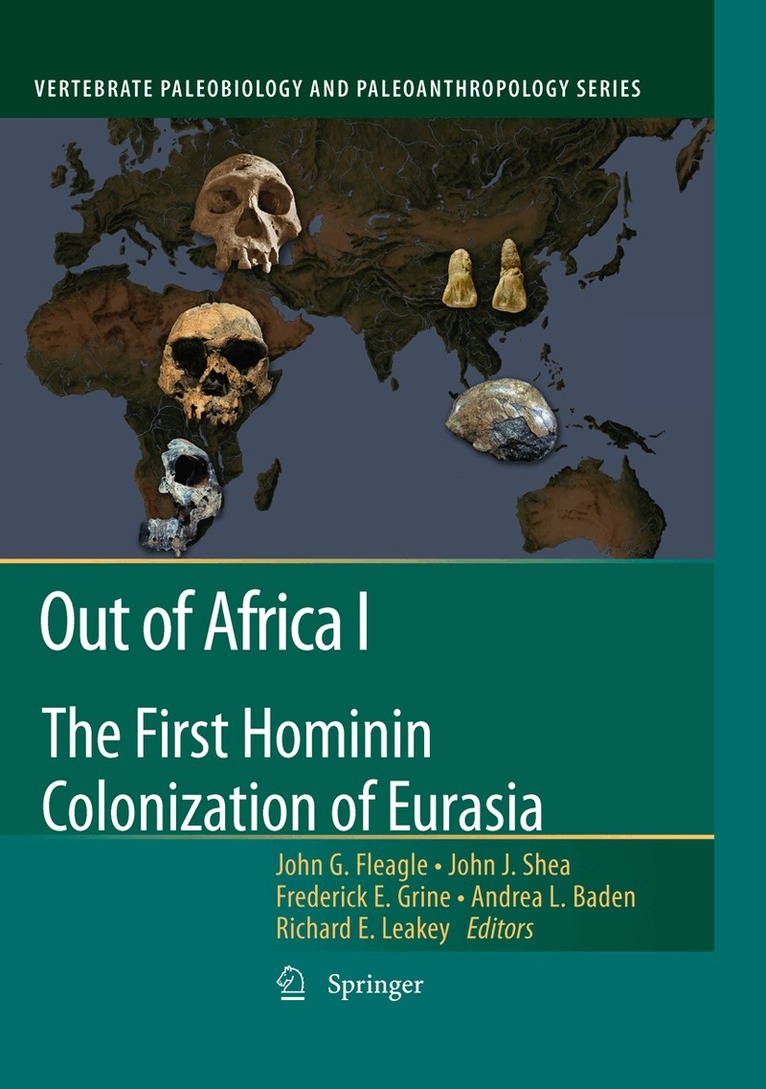
For the first two thirds of our evolutionary history, we hominins were restricted to Africa. Dating from about two million years ago, hominin fossils first appear in Eurasia. This volume addresses many of the issues surrounding this initial hominin intercontinental dispersal. Why did hominins first …
Out of Africa I
The First Hominin Colonization of Eurasia
Av Richard E. Leakey, Andrea L. Baden m. fl.
E-bok, 2010
1459 kr
Lägg i varukorg
For the first two thirds of our evolutionary history, we hominins were restricted to Africa. Dating from about two million years ago, hominin fossils first appear in Eurasia. This volume addresses many of the issues surrounding this initial hominin intercontinental dispersal. Why did hominins first …
Out of Africa I
The First Hominin Colonization of Eurasia
Av John G Fleagle, John J. Shea m. fl.
Häftad, 2012
1098 kr
Lägg i varukorg
For the first two thirds of our evolutionary history, we hominins were restricted to Africa. Dating from about two million years ago, hominin fossils first appear in Eurasia. This volume addresses many of the issues surrounding this initial hominin intercontinental dispersal. Why did hominins first …
Paleobiology of Australopithecus
Av Kaye E. Reed, John G Fleagle m. fl.
Inbunden, 2013
1098 kr
Lägg i varukorg
Australopithecus species have been the topic of much debate in palaeoanthropology since Raymond Dart described the first species, Australopithecus africanus, in 1925. This volume synthesizes the geological and paleontological context of the species in East and South Africa; covers individual sites, …
Paleobiology of Australopithecus
Av Richard E Leakey, John G Fleagle m. fl.
E-bok, 2013
1470 kr
Lägg i varukorg
Australopithecus species have been the topic of much debate in palaeoanthropology since Raymond Dart described the first species, Australopithecus africanus , in 1925. This volume synthesizes the geological and paleontological context of the species in East and South Africa; covers individual …
Paleobiology of Australopithecus
Av Kaye E. Reed, John G Fleagle m. fl.
Häftad, 2015
1098 kr
Lägg i varukorg
Australopithecus species have been the topic of much debate in palaeoanthropology since Raymond Dart described the first species, Australopithecus africanus, in 1925. This volume synthesizes the geological and paleontological context of the species in East and South Africa; covers individual sites, …