John J. Shea – författare
Visar alla böcker från författaren John J. Shea. Handla med fri frakt och snabb leverans.
18 produkter
Stone Tools in the Paleolithic and Neolithic Near East
A Guide
Av John J. Shea
Häftad, 2015
804 kr
Lägg i varukorg
Stone Tools in the Paleolithic and Neolithic Near East: A Guide surveys the lithic record for the East Mediterranean Levant (Lebanon, Syria, Israel, Jordan, and adjacent territories) from the earliest times to 6,500 years ago. It is intended both as an introduction to this lithic evidence for …
Finding God Again
Spirituality for Adults
Av John J. Shea
Inbunden, 2005
1349 kr
Lägg i varukorg
Growing out of two decades of teaching and practice, Finding God Again: Spirituality for Adults addresses, in an experiential and pastoral way, the need to re-envision God as we grow from an adolescent to adult spirituality. John Shea, a renowned pastoral counselor and teacher, shows how we can …
Finding God Again
Spirituality for Adults
Av John J. Shea
Häftad, 2005
289 kr
Lägg i varukorg
Growing out of two decades of teaching and practice, Finding God Again: Spirituality for Adults addresses, in an experiential and pastoral way, the need to re-envision God as we grow from an adolescent to adult spirituality. John Shea, a renowned pastoral counselor and teacher, shows how we can …
Stone Tools in the Paleolithic and Neolithic Near East
A Guide
Av John J. Shea
Inbunden, 2013
1805 kr
Lägg i varukorg
Stone Tools in the Paleolithic and Neolithic Near East: A Guide surveys the lithic record for the East Mediterranean Levant (Lebanon, Syria, Israel, Jordan, and adjacent territories) from the earliest times to 6,500 years ago. It is intended both as an introduction to this lithic evidence for …
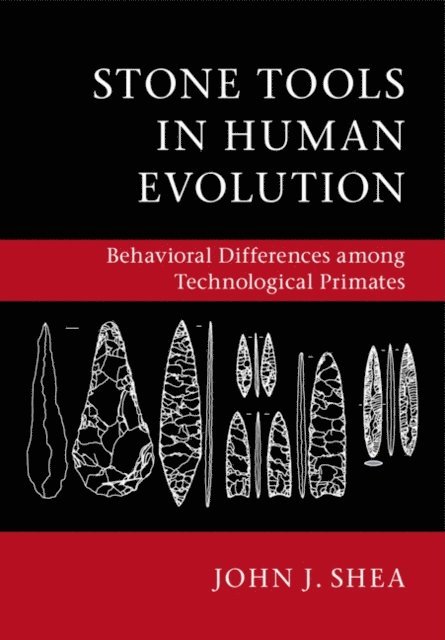
Stone Tools in Human Evolution
Behavioral Differences among Technological Primates
Av John J. Shea
Inbunden, 2016
1887 kr
Lägg i varukorg
In Stone Tools in Human Evolution, John J. Shea argues that over the last three million years hominins' technological strategies shifted from occasional tool use, much like that seen among living non-human primates, to a uniquely human pattern of obligatory tool use. Examining how the lithic …
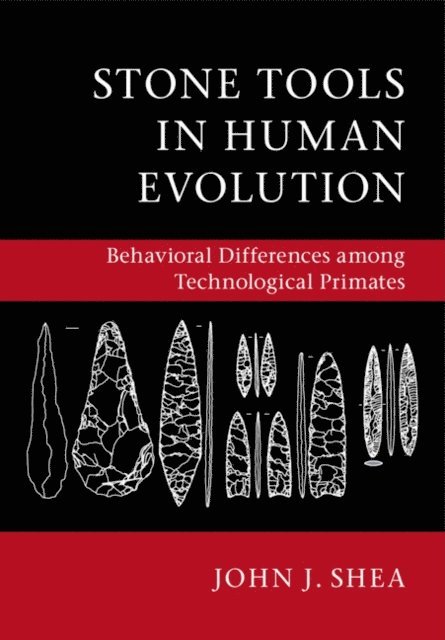
Stone Tools in Human Evolution
Behavioral Differences among Technological Primates
Av John J. Shea
Häftad, 2016
586 kr
Lägg i varukorg
In Stone Tools in Human Evolution, John J. Shea argues that over the last three million years hominins' technological strategies shifted from occasional tool use, much like that seen among living non-human primates, to a uniquely human pattern of obligatory tool use. Examining how the lithic …
Prehistoric Stone Tools of Eastern Africa
A Guide
Av John J. Shea
Inbunden, 2020
1445 kr
Lägg i varukorg
Stone tools are the least familiar objects that archaeologists recover from their excavations, and predictably, they struggle to understand them. Eastern Africa alone boasts a 3.4 million-year-long archaeological record but its stone tool evidence still remains disorganized, unsynthesized, and …
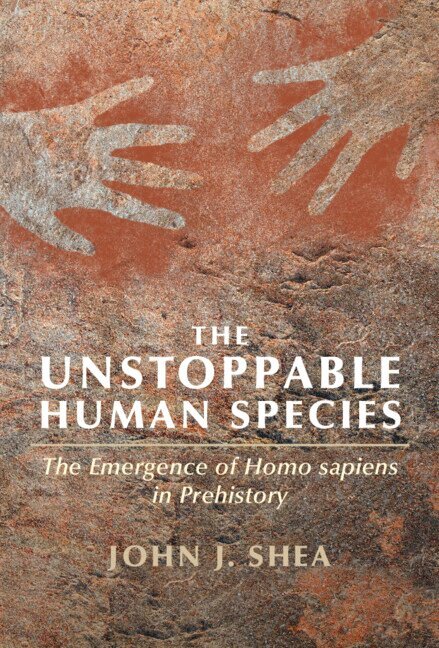
The Unstoppable Human Species
The Emergence of Homo Sapiens in Prehistory
Av John J. Shea
Inbunden, 2023
1376 kr
Lägg i varukorg
In The Unstoppable Human Species John Shea explains how the earliest humans achieved mastery over all but the most severe, biosphere-level, extinction threats. He explores how and why we humans owe our survival skills to our global geographic range, a diaspora that was achieved during prehistoric …
The Unstoppable Human Species
The Emergence of Homo Sapiens in Prehistory
Av John J. Shea
Häftad, 2023
454 kr
Lägg i varukorg
In The Unstoppable Human Species John Shea explains how the earliest humans achieved mastery over all but the most severe, biosphere-level, extinction threats. He explores how and why we humans owe our survival skills to our global geographic range, a diaspora that was achieved during prehistoric …
Unstoppable Human Species
The Emergence of Homo Sapiens in Prehistory
Av John J. Shea
E-bok, 2023
487 kr
Lägg i varukorg
In The Unstoppable Species John Shea explains how the earliest humans achieved mastery over all but the most severe, biosphere-level, extinction threats. He explores how and why we humans owe our survival skills to our global geographic range, a diaspora that was achieved during prehistoric times. …
Unstoppable Human Species
The Emergence of Homo Sapiens in Prehistory
Av John J. Shea
E-bok, 2023
472 kr
Lägg i varukorg
In The Unstoppable Species John Shea explains how the earliest humans achieved mastery over all but the most severe, biosphere-level, extinction threats. He explores how and why we humans owe our survival skills to our global geographic range, a diaspora that was achieved during prehistoric times. …
Stone Tools in Human Evolution
Behavioral Differences among Technological Primates
Av John J. Shea
E-bok, 2016
571 kr
Lägg i varukorg
In Stone Tools in Human Evolution, John J. Shea argues that over the last three million years hominins'' technological strategies shifted from occasional tool use, much like that seen among living non-human primates, to a uniquely human pattern of obligatory tool use. Examining how the lithic …
Stone Tools in Human Evolution
Behavioral Differences among Technological Primates
Av John J. Shea
E-bok, 2016
559 kr
Lägg i varukorg
In Stone Tools in Human Evolution, John J. Shea argues that over the last three million years hominins'' technological strategies shifted from occasional tool use, much like that seen among living non-human primates, to a uniquely human pattern of obligatory tool use. Examining how the lithic …
Reconstructing Late Pleistocene Human Behavior in the Jordan Rift Valley: The Middle Paleolithic Stone Tool Assemblage from Ar Rasfa
The Middle Paleolithic stone tool assemblage from Ar Rasfa
Av Ghufran Sabri Ahmad, John J Shea
Häftad, 2009
435 kr
Lägg i varukorg
Adulthood, Morality, and the Fully Human
A Mosaic of Peace
Av John J. Shea
Häftad, 2020
602 kr
Lägg i varukorg
In Adulthood, Morality, and the Fully Human, John J. Shea describes an adult, moral, and fully human self in terms of integrity and mutuality. Those who are fully human are caring and just. Violence is the absence of care and justice. Peace—the pinnacle of human development—is their embodiment. …
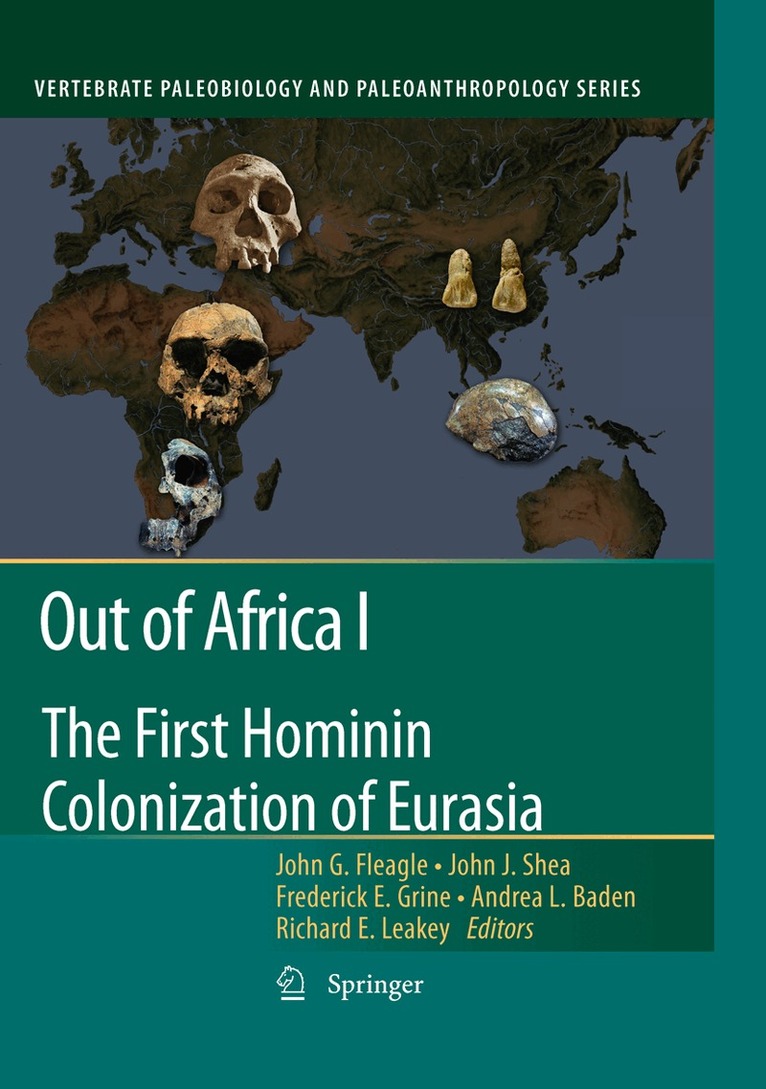
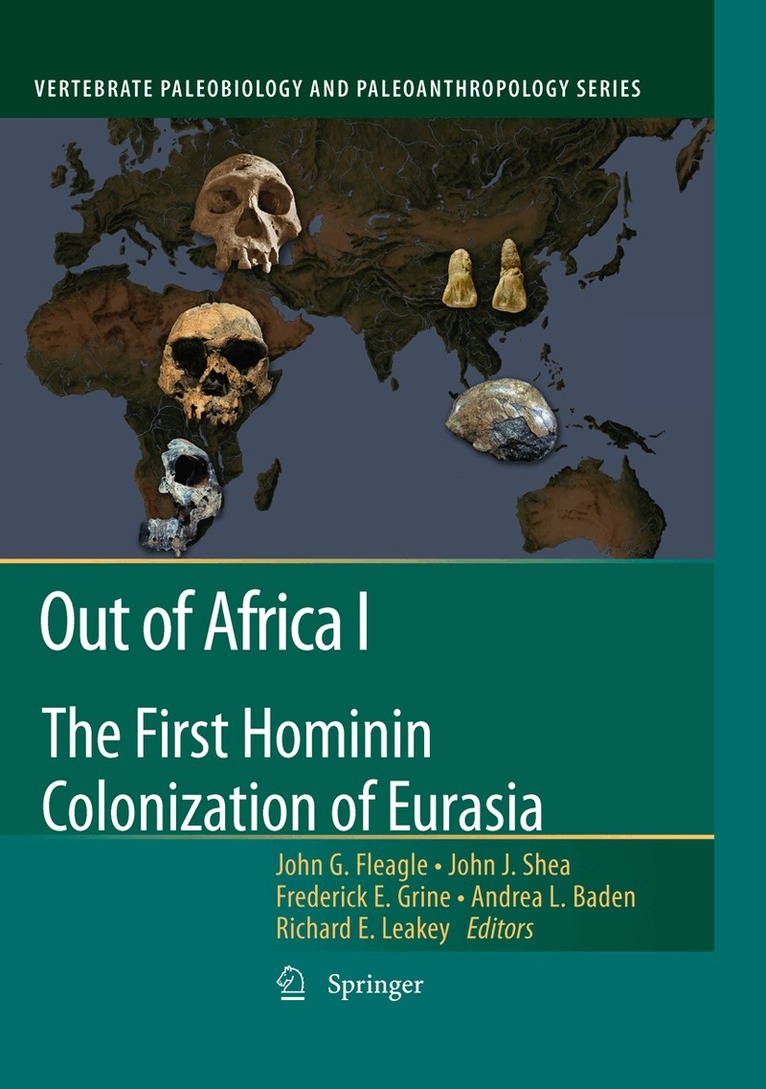
Out of Africa I
The First Hominin Colonization of Eurasia
Av John G Fleagle, John J. Shea m. fl.
Inbunden, 2010
1098 kr
Lägg i varukorg
For the first two thirds of our evolutionary history, we hominins were restricted to Africa. Dating from about two million years ago, hominin fossils first appear in Eurasia. This volume addresses many of the issues surrounding this initial hominin intercontinental dispersal. Why did hominins first …
Out of Africa I
The First Hominin Colonization of Eurasia
Av Richard E. Leakey, Andrea L. Baden m. fl.
E-bok, 2010
1459 kr
Lägg i varukorg
For the first two thirds of our evolutionary history, we hominins were restricted to Africa. Dating from about two million years ago, hominin fossils first appear in Eurasia. This volume addresses many of the issues surrounding this initial hominin intercontinental dispersal. Why did hominins first …
Out of Africa I
The First Hominin Colonization of Eurasia
Av John G Fleagle, John J. Shea m. fl.
Häftad, 2012
1098 kr
Lägg i varukorg
For the first two thirds of our evolutionary history, we hominins were restricted to Africa. Dating from about two million years ago, hominin fossils first appear in Eurasia. This volume addresses many of the issues surrounding this initial hominin intercontinental dispersal. Why did hominins first …