Richard E. Leakey – författare
Visar alla böcker från författaren Richard E. Leakey. Handla med fri frakt och snabb leverans.
13 produkter
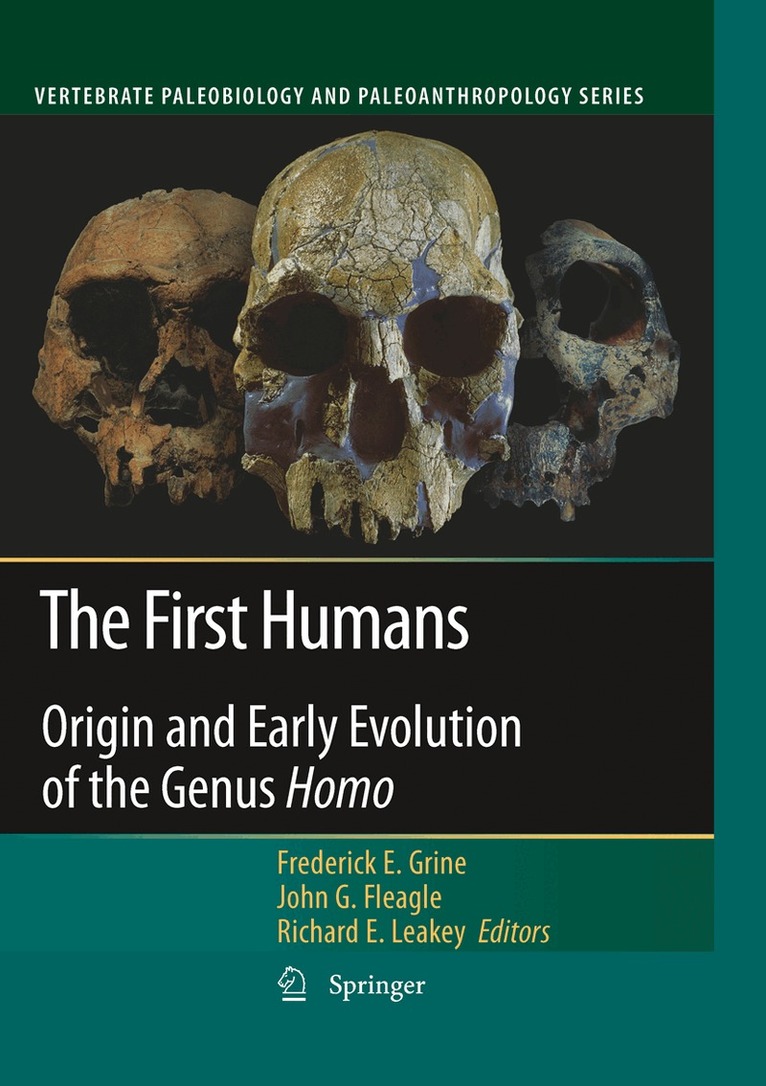
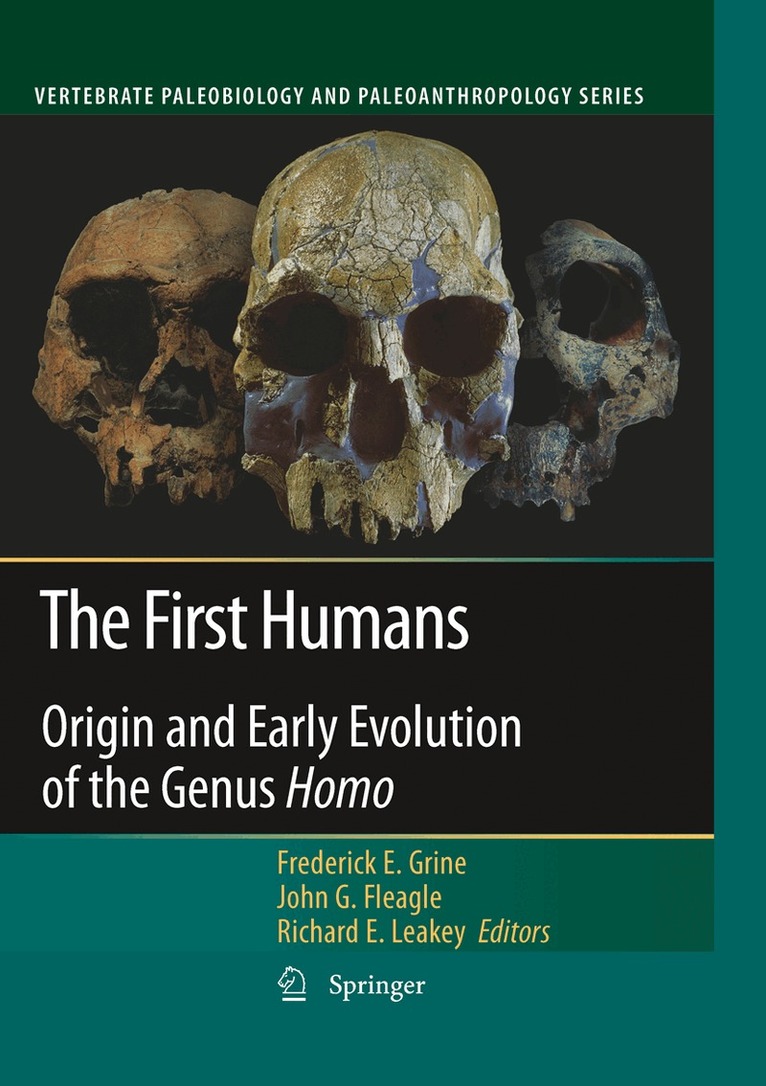
First Humans
Origin and Early Evolution of the Genus Homo
Av Frederick E. Grine, John G Fleagle m. fl.
Inbunden, 2009
1538 kr
Lägg i varukorg
There are some issues in human paleontology that seem to be timeless. Most deal with the origin and early evolution of our own genus – something about which we should care. Some of these issues pertain to taxonomy and systematics. How many species of Homo were there in the Pliocene and Pleistocene? …
Origin Of Humankind
Häftad, 1996
387 kr
Lägg i varukorg
The name Leakey is synonymous with the study of human origins," wrote The New York Times. The renowned family of paleontologists,Louis Leakey, Mary Leakey, and their son Richard Leakey,has vastly expanded our understanding of human evolution. The Origin of Humankind is Richard Leakey's personal …
First Humans
Origin and Early Evolution of the Genus Homo
Av Richard E. Leakey, John G Fleagle m. fl.
E-bok, 2009
1948 kr
Lägg i varukorg
There are some issues in human paleontology that seem to be timeless. Most deal with the origin and early evolution of our own genus – something about which we should care. Some of these issues pertain to taxonomy and systematics. How many species of Homo were there in the Pliocene and Pleistocene? …
Origin Of Humankind
Av Richard E. Leakey, Richard Leakey
E-bok, 2013
45 kr
Lägg i varukorg
A meticulously clear account of how early ape-men of the African savanna developed into fully human beings. Leakey has always been interested in far more than the mere physical features presented by fossils, and here he is particularly concerned with non-tangible human attributes, such as art, …
First Humans
Origin and Early Evolution of the Genus Homo
Av Frederick E. Grine, John G Fleagle m. fl.
Häftad, 2010
1534 kr
Lägg i varukorg
There are some issues in human paleontology that seem to be timeless. Most deal with the origin and early evolution of our own genus – something about which we should care. Some of these issues pertain to taxonomy and systematics. How many species of Homo were there in the Pliocene and Pleistocene? …
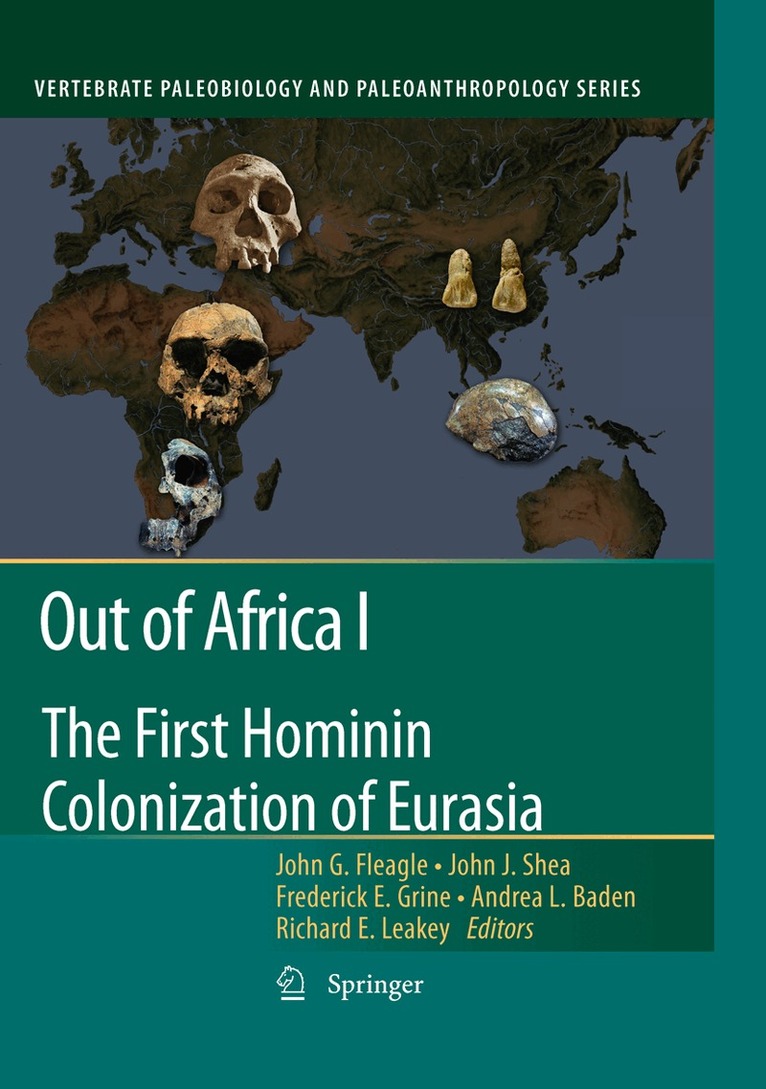
Out of Africa I
The First Hominin Colonization of Eurasia
Av John G Fleagle, John J. Shea m. fl.
Inbunden, 2010
1098 kr
Lägg i varukorg
For the first two thirds of our evolutionary history, we hominins were restricted to Africa. Dating from about two million years ago, hominin fossils first appear in Eurasia. This volume addresses many of the issues surrounding this initial hominin intercontinental dispersal. Why did hominins first …
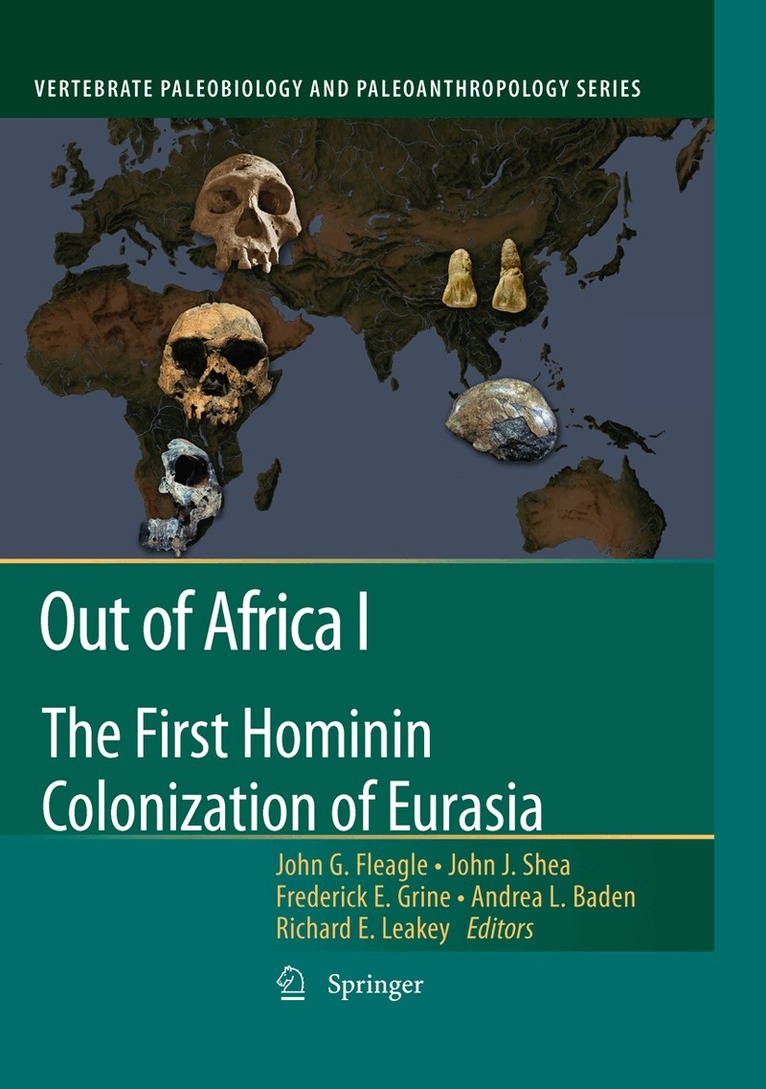
Out of Africa I
The First Hominin Colonization of Eurasia
Av Richard E. Leakey, Andrea L. Baden m. fl.
E-bok, 2010
1459 kr
Lägg i varukorg
For the first two thirds of our evolutionary history, we hominins were restricted to Africa. Dating from about two million years ago, hominin fossils first appear in Eurasia. This volume addresses many of the issues surrounding this initial hominin intercontinental dispersal. Why did hominins first …
Out of Africa I
The First Hominin Colonization of Eurasia
Av John G Fleagle, John J. Shea m. fl.
Häftad, 2012
1098 kr
Lägg i varukorg
For the first two thirds of our evolutionary history, we hominins were restricted to Africa. Dating from about two million years ago, hominin fossils first appear in Eurasia. This volume addresses many of the issues surrounding this initial hominin intercontinental dispersal. Why did hominins first …
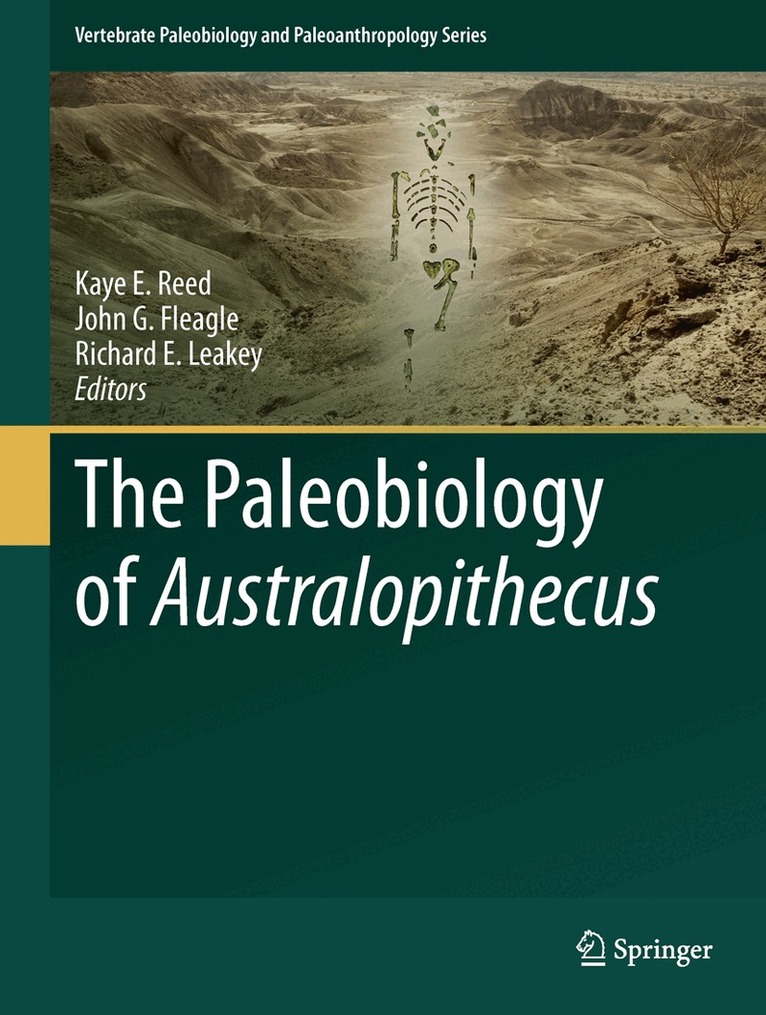
Paleobiology of Australopithecus
Av Kaye E. Reed, John G Fleagle m. fl.
Inbunden, 2013
1098 kr
Lägg i varukorg
Australopithecus species have been the topic of much debate in palaeoanthropology since Raymond Dart described the first species, Australopithecus africanus, in 1925. This volume synthesizes the geological and paleontological context of the species in East and South Africa; covers individual sites, …
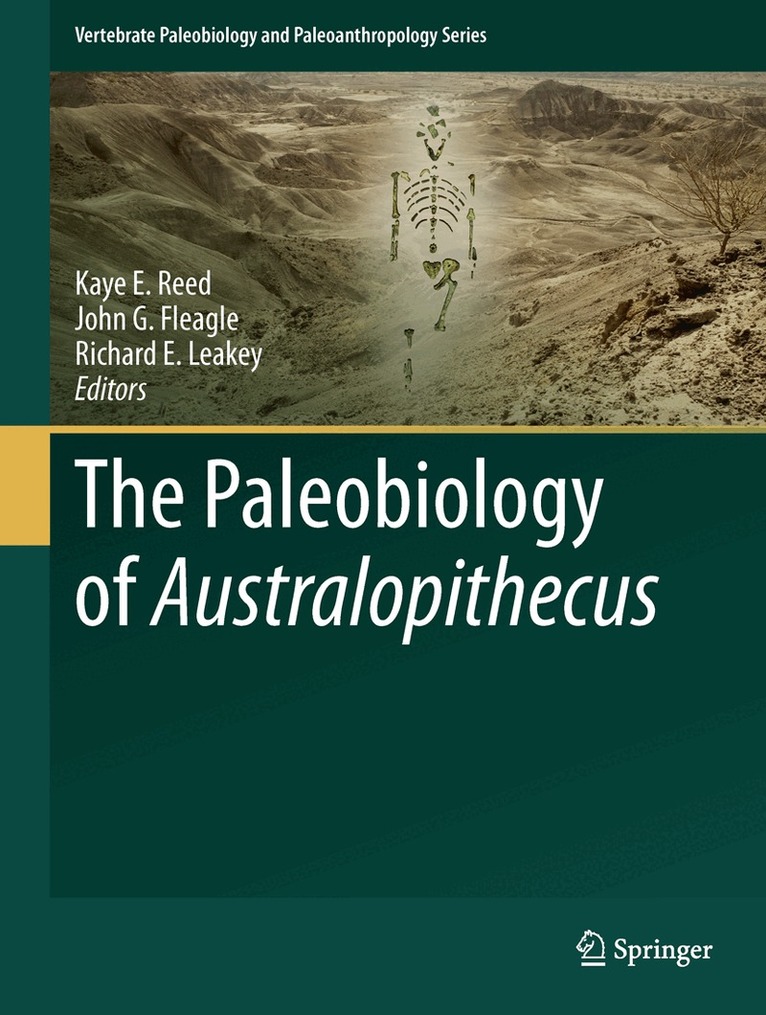
Paleobiology of Australopithecus
Av Richard E Leakey, John G Fleagle m. fl.
E-bok, 2013
1470 kr
Lägg i varukorg
Australopithecus species have been the topic of much debate in palaeoanthropology since Raymond Dart described the first species, Australopithecus africanus , in 1925. This volume synthesizes the geological and paleontological context of the species in East and South Africa; covers individual …
Paleobiology of Australopithecus
Av Kaye E. Reed, John G Fleagle m. fl.
Häftad, 2015
1098 kr
Lägg i varukorg
Australopithecus species have been the topic of much debate in palaeoanthropology since Raymond Dart described the first species, Australopithecus africanus, in 1925. This volume synthesizes the geological and paleontological context of the species in East and South Africa; covers individual sites, …