Africa in World History - Böcker
Visar alla böcker i serien Africa in World History. Handla med fri frakt och snabb leverans.
14 produkter
14 produkter
357 kr
Skickas inom 7-10 vardagar
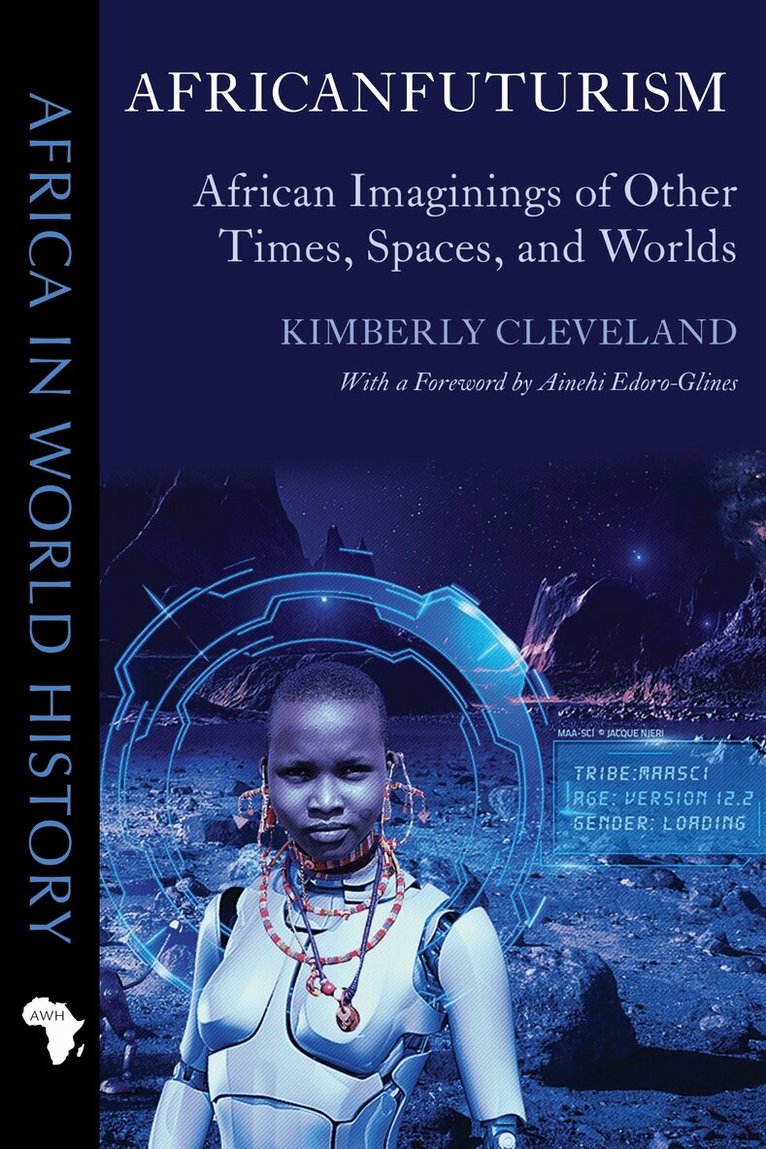
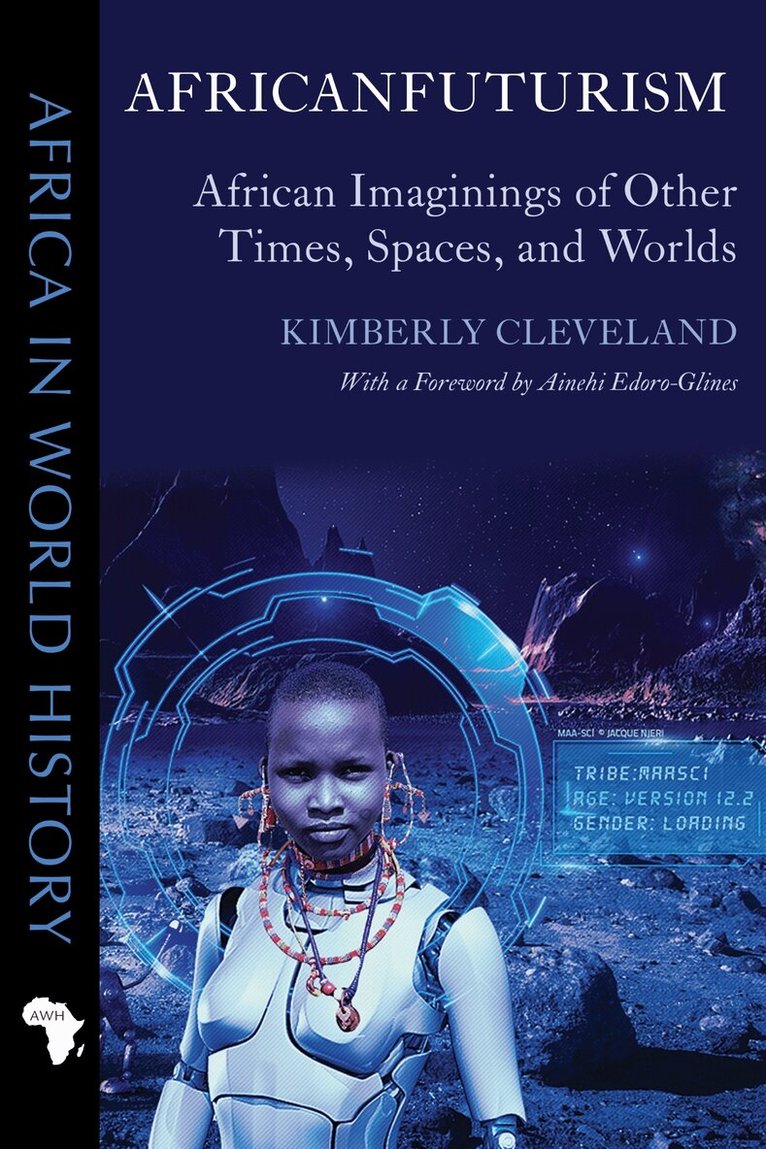
In the past few decades, Western studies of Afrofuturism have grown to encompass examples deriving from multiple sites across the diaspora, as well as from the African continent. However, an increasing number of Africans and Africanists have voiced their concerns about grouping African work under the larger umbrella of Afrofuturism without distinction and have emphasized the need to investigate the differences between African American and African production. This book offers an introduction to Africanfuturism-a body of African speculative works that is distinguishable from, albeit related to, US-based Afrofuturism.Kimberly Cleveland uses Africanfuturism as an intellectual lens to explore works that embody combinations of possibilities, challenges, and concerns related to what lies ahead for the continent and its peoples. This book highlights twenty-first-century film, video, painting, sculpture, photography, tapestry, novels, short stories, comic books, song lyrics, and architecture by African creatives of different nationalities, races, ethnicities, genders, and generations. Cleveland analyzes the ideas and opinions of African intellectuals and cultural producers, combining interviews with historical research. Each chapter features one of Africanfuturism’s most common themes: space and time exploration, creation of worlds, technology and the digital divide, Sankofa and remix, and mythmaking.This investigation of Africanfuturism is geared toward students, academics, and Afrofuturism enthusiasts, and its included discussion questions facilitate classroom use. The book illuminates Africa’s place in the worlds of science fiction and fantasy and how Africanfuturist work builds on the continent’s own traditions of speculative expression. Because these creative works disrupt the history of Western domination in Africa, Cleveland also connects Africanfuturism with the process of decolonization and addresses specific ways in which African creatives (re)center indigenous beliefs, strategies, and approaches in their production. Africanfuturism encourages both imaginative possibilities and potential real-world outcomes, highlighting the rich contributions of Africans to the vision of future worlds.
277 kr
Skickas inom 5-8 vardagar
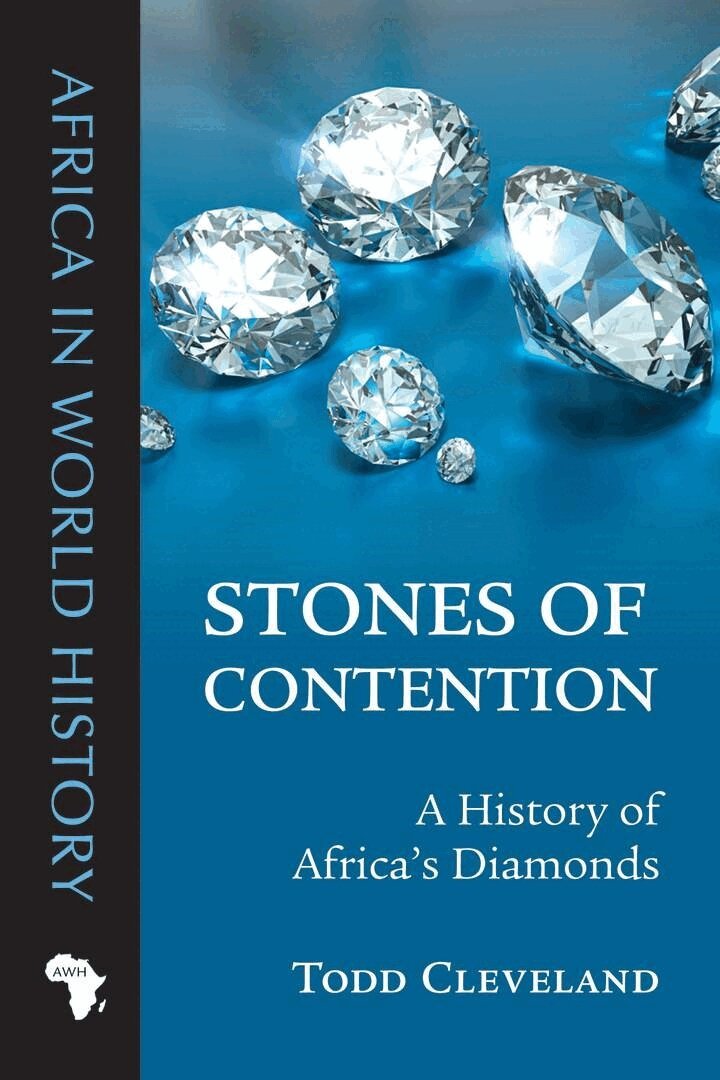
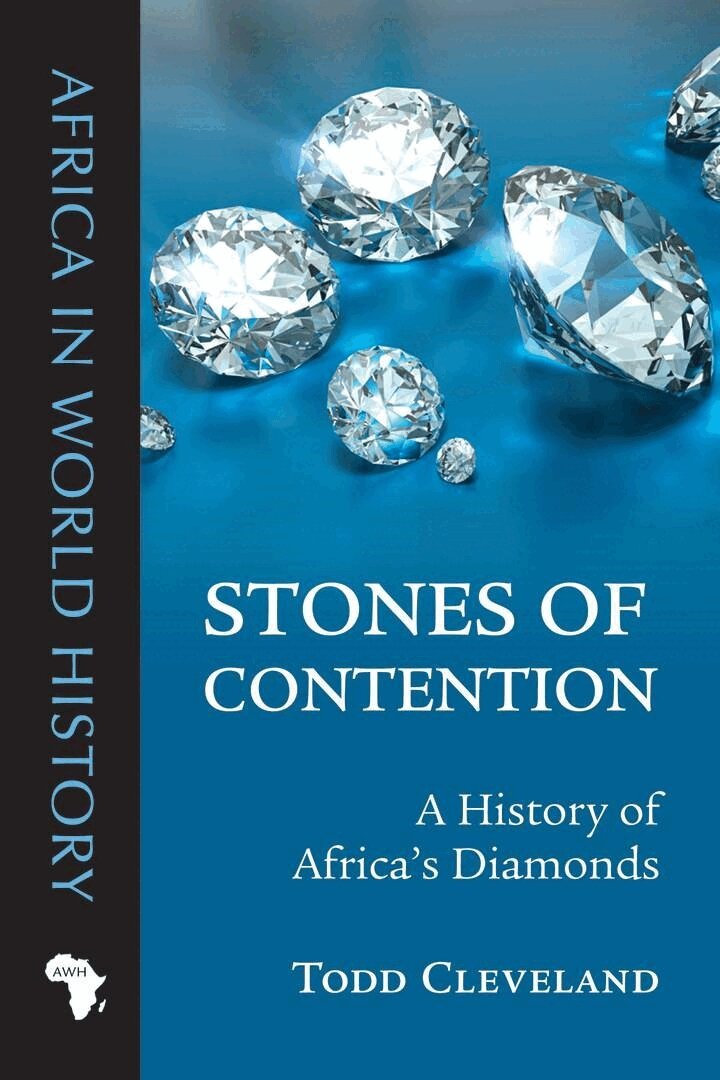
Africa supplies the majority of the world's diamonds, yet consumers generally know little about the origins and history of these precious stones beyond sensationalized media accounts of so-called blood diamonds.Stones of Contention explores the major developments in the remarkable history of Africa's diamonds, from the earliest stirrings of international interest in the continent's mineral wealth in the first millennium A.D. to the present day. In the European colonial period, the discovery of diamonds in South Africa ushered in an era of unprecedented greed during which monopolistic enterprises exploited both the mineral resources and the indigenous workforce. In the aftermath of World War II, the governments of newly independent African states, both democratic and despotic, joined industry giant De Beers and other corporations to oversee and profit from mining activity on the continent.The book also considers the experiences of a wide array of Africans—from informal artisanal miners, company mineworkers, and indigenous authorities to armed rebels, mining executives, and premiers of mineral-rich states—and their relationships to the stones that have the power to bring both wealth and misery. With photos and maps, Stones of Contention illustrates the scope and complexity of the African diamond trade as well as its impact on individuals and societies.
822 kr
Skickas inom 7-10 vardagar
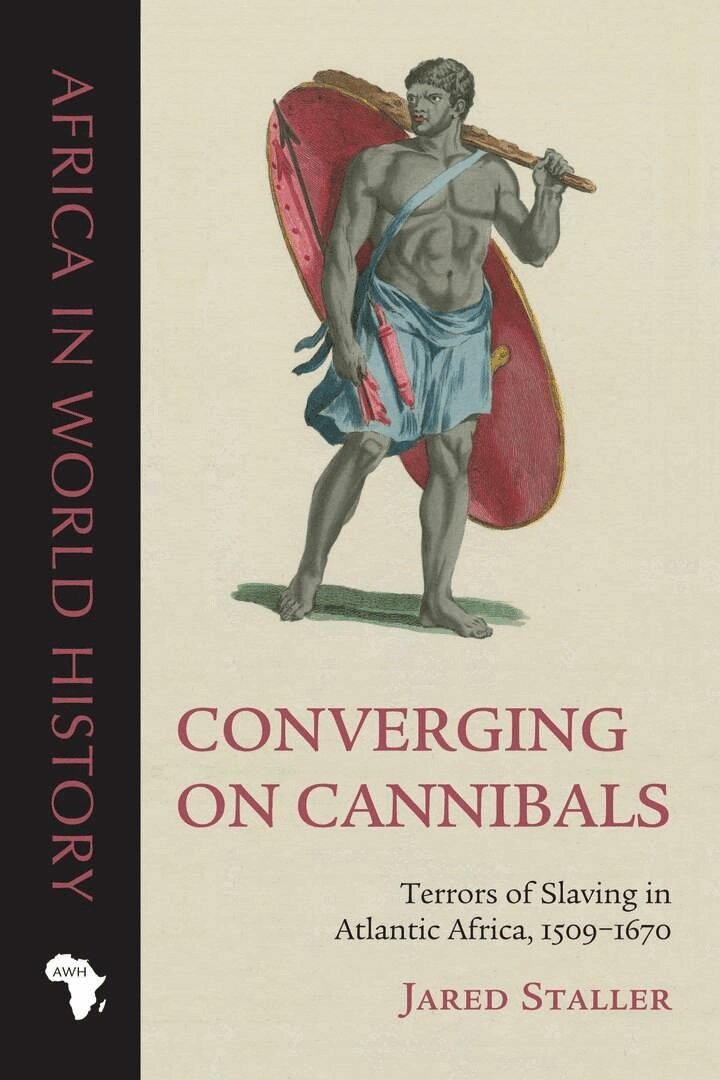
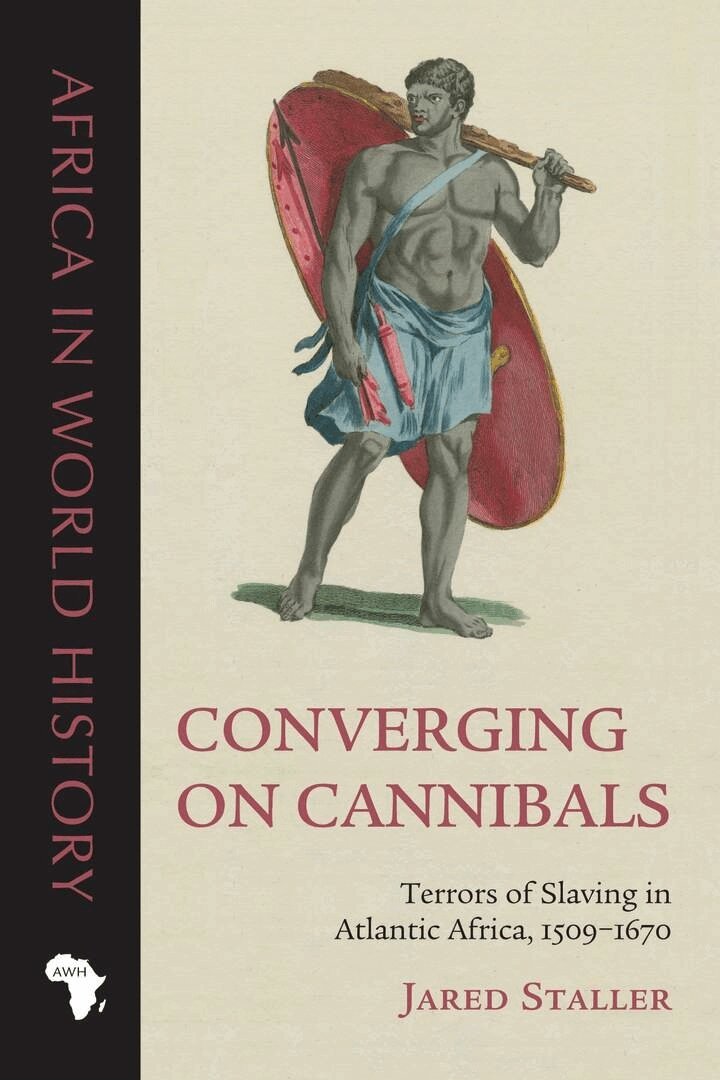
In Converging on Cannibals, Jared Staller demonstrates that one of the most terrifying discourses used during the era of transatlantic slaving—cannibalism—was coproduced by Europeans and Africans. When these people from vastly different cultures first came into contact, they shared a fear of potential cannibals. Some Africans and European slavers allowed these rumors of themselves as man-eaters to stand unchallenged. Using the visual and verbal idioms of cannibalism, people like the Imbangala of Angola rose to power in a brutal world by embodying terror itself.Beginning in the Kongo in the 1500s, Staller weaves a nuanced narrative of people who chose to live and behave as "jaga," alleged cannibals and terrorists who lived by raiding and enslaving others, culminating in the violent political machinations of Queen Njinga as she took on the mantle of "Jaga" to establish her power. Ultimately, Staller tells the story of Africans who confronted worlds unknown as cannibals, how they used the concept to order the world around them, and how they were themselves brought to order by a world of commercial slaving that was equally cannibalistic in the human lives it consumed.
319 kr
Skickas inom 7-10 vardagar
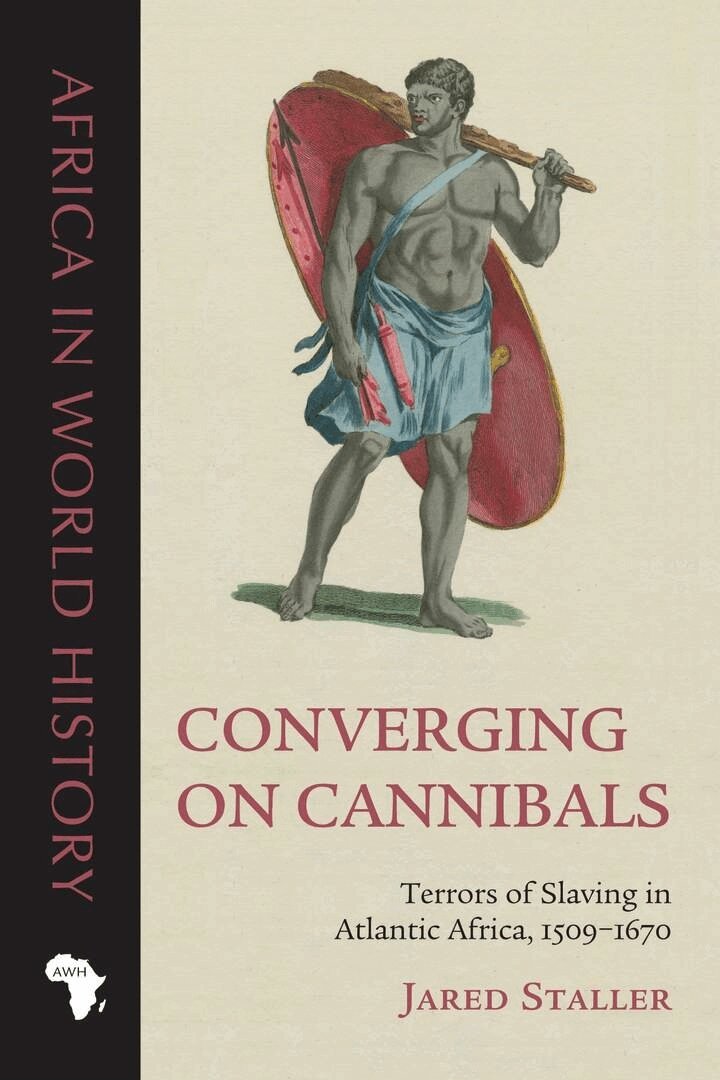
In Converging on Cannibals, Jared Staller demonstrates that one of the most terrifying discourses used during the era of transatlantic slaving—cannibalism—was coproduced by Europeans and Africans. When these people from vastly different cultures first came into contact, they shared a fear of potential cannibals. Some Africans and European slavers allowed these rumors of themselves as man-eaters to stand unchallenged. Using the visual and verbal idioms of cannibalism, people like the Imbangala of Angola rose to power in a brutal world by embodying terror itself.Beginning in the Kongo in the 1500s, Staller weaves a nuanced narrative of people who chose to live and behave as "jaga," alleged cannibals and terrorists who lived by raiding and enslaving others, culminating in the violent political machinations of Queen Njinga as she took on the mantle of "Jaga" to establish her power. Ultimately, Staller tells the story of Africans who confronted worlds unknown as cannibals, how they used the concept to order the world around them, and how they were themselves brought to order by a world of commercial slaving that was equally cannibalistic in the human lives it consumed.
318 kr
Skickas
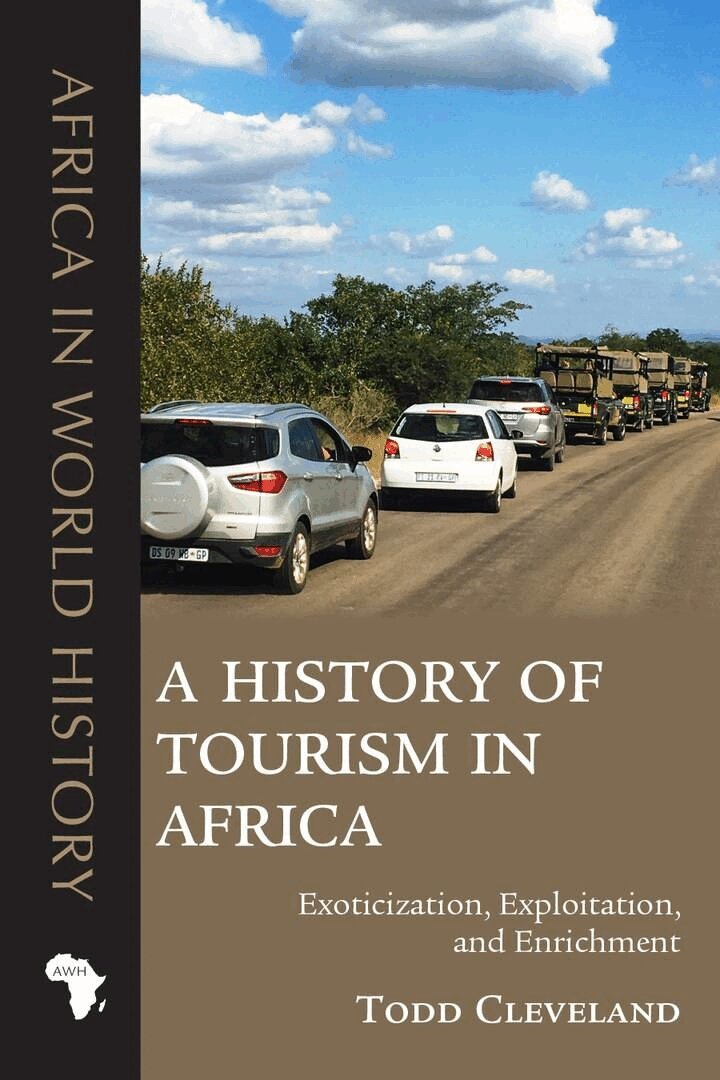
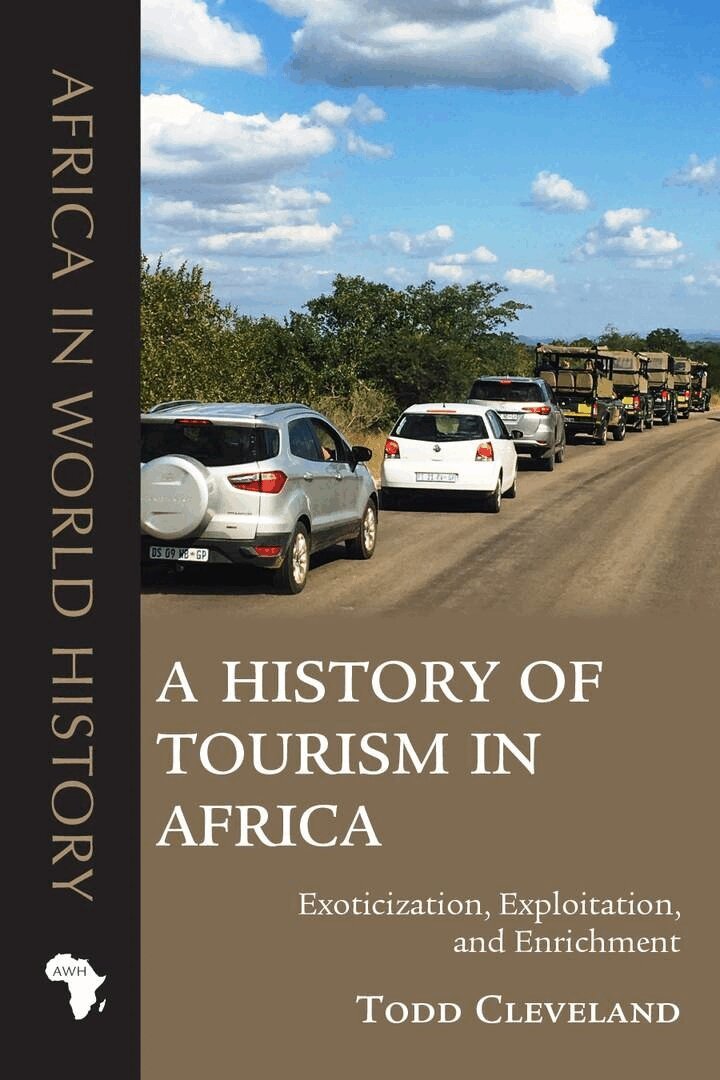
An engaging social history of foreign tourists' dreams, the African tourism industry's efforts to fulfill them, and how both sides affect each other. Since the nineteenth century, foreign tourists and resident tourism workers in Africa have mutually relied upon notions of exoticism, but from vastly different perspectives. Many of the countless tourists who have traveled to the African continent fail to acknowledge or even realize that skilled African artists in the tourist industry repeatedly manufacture "authentic" experiences in order to fulfill foreigners' often delusional, or at least uninformed, expectations. These carefully nurtured and controlled performances typically reinforce tourists' reductive impressions—formed over centuries—of the continent, its peoples, and even its wildlife. In turn, once back in their respective homelands, tourists' accounts of their travels often substantiate, and thereby reinforce, prevailing stereotypes of "exotic" Africa. Meanwhile, Africans' staged performances not only impact their own lives, primarily by generating remunerative opportunities, but also subject the continent's residents to objectification, exoticization, and myriad forms of exploitation.
684 kr
Kommande
Histories of Global Health in Africa offers a concise and compelling introduction to the development and practice of global health on the African continent over the past century. Rather than centering institutions, the book foregrounds the people whose lives and labor have shaped global health-including African communities receiving care and the practitioners and experts who have long driven biomedical work across the region.Drawing on cutting‑edge scholarship, the book traces the colonial roots of global health and examines how these legacies continue to influence contemporary interventions, from vaccination campaigns and disease eradication efforts to epidemic responses. Its accessible thematic chapters explore key topics, including data collection, demography, ethics, and equity.Designed for classroom use and ideal for nonspecialists, Histories of Global Health in Africa provides a flexible structure and a rich suite of teaching materials, including online multimedia components. It is an essential resource for students and readers seeking to understand how global health has evolved-and why its future depends on confronting its past.
392 kr
Skickas inom 5-8 vardagar
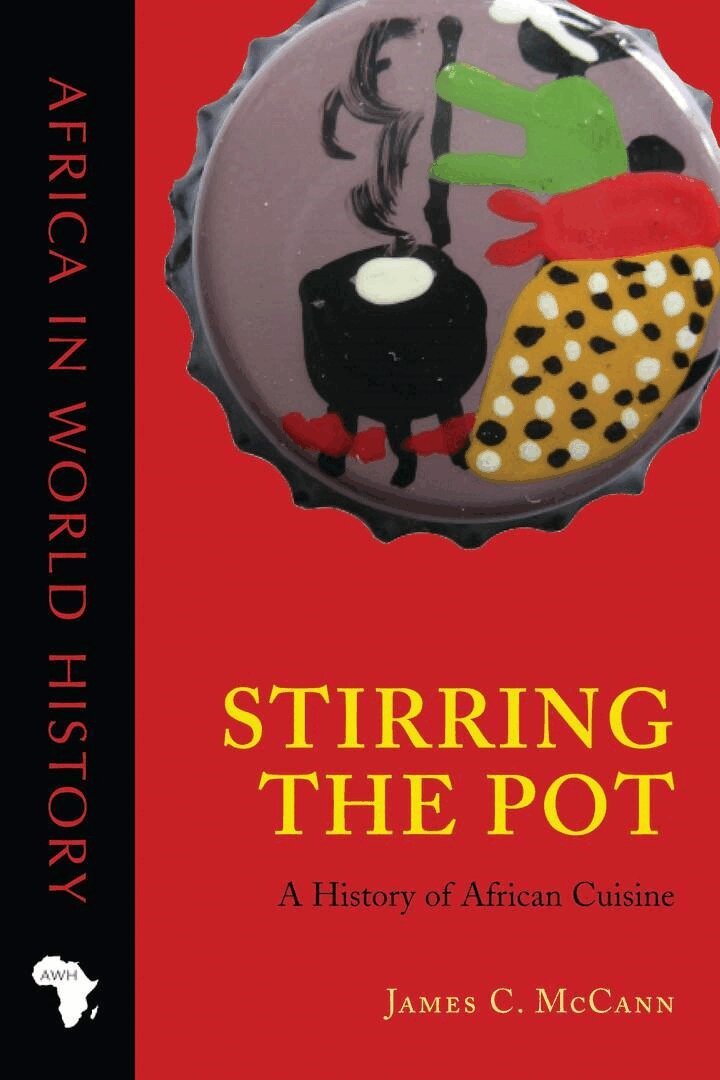
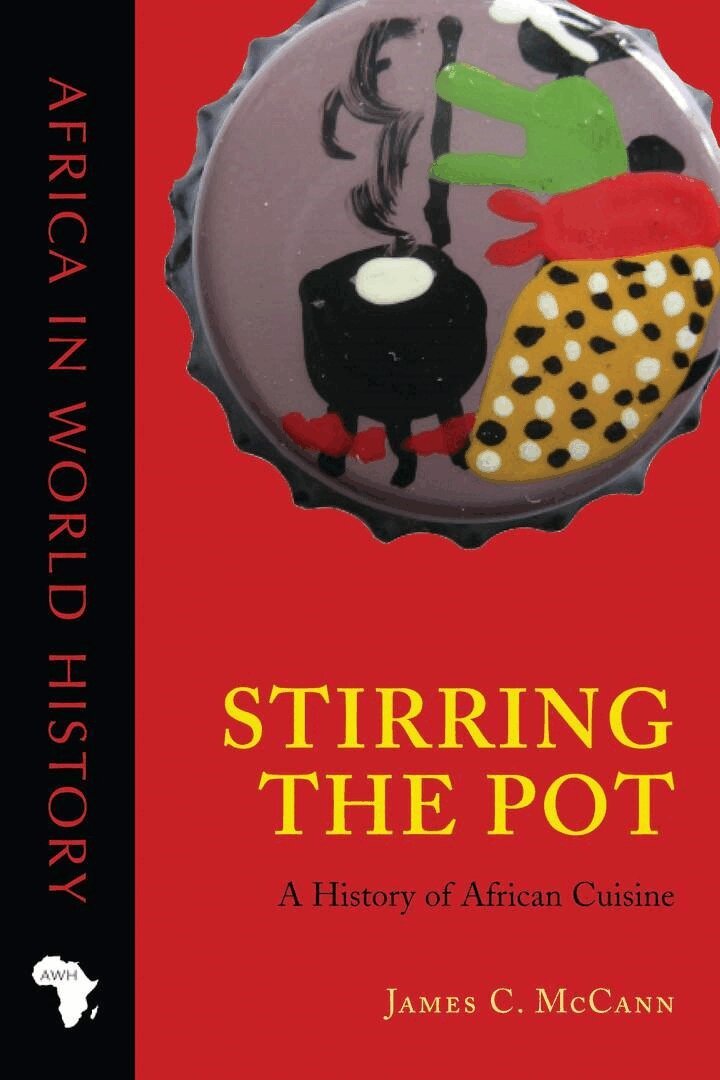
Africa's art of cooking is a key part of its history. All too often Africa is associated with famine, but in Stirring the Pot, James C. McCann describes how the ingredients, the practices, and the varied tastes of African cuisine comprise a body of historically gendered knowledge practiced and perfected in households across diverse human and ecological landscape. McCann reveals how tastes and culinary practices are integral to the understanding of history and more generally to the new literature on food as social history.Stirring the Pot offers a chronology of African cuisine beginning in the sixteenth century and continuing from Africa's original edible endowments to its globalization. McCann traces cooks' use of new crops, spices, and tastes, including New World imports like maize, hot peppers, cassava, potatoes, tomatoes, and peanuts, as well as plantain, sugarcane, spices, Asian rice, and other ingredients from the Indian Ocean world. He analyzes recipes, not as fixed ahistorical documents,but as lively and living records of historical change in women's knowledge and farmers' experiments. A final chapter describes in sensuous detail the direct connections of African cooking to New Orleans jambalaya, Cuban rice and beans, and the cooking of African Americans' "soul food."Stirring the Pot breaks new ground and makes clear the relationship between food and the culture, history, and national identity of Africans.
423 kr
Skickas inom 5-8 vardagar
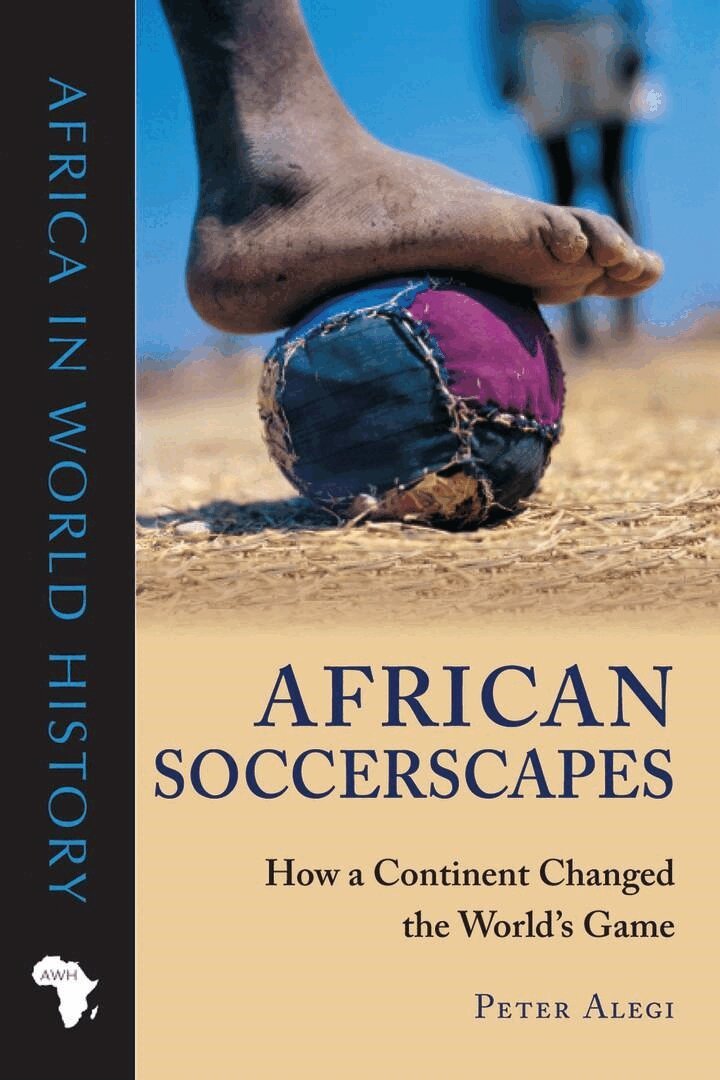
From Accra and Algiers to Zanzibar and Zululand, Africans have wrested control of soccer from the hands of Europeans, and through the rise of different playing styles, the rituals of spectatorship, and the presence of magicians and healers, have turned soccer into a distinctively African activity.African Soccerscapes explores how Africans adopted soccer for their own reasons and on their own terms. Soccer was a rare form of "national culture" in postcolonial Africa, where stadiums and clubhouses became arenas in which Africans challenged colonial power and expressed a commitment to racial equality and self-determination. New nations staged matches as part of their independence celexadbrations and joined the world body, FIFA. The Confédération africaine de football democratized the global game through antiapartheid sanctions and increased the number of African teams in the World Cup finals.In this compact, highly readable book Alegi shows that the result of this success has been the departure of huge numbers of players to overseas clubs and the growing influence of private commercial interests on the African game. But the growth of women's soccer and South Africa's hosting of the 2010 World Cup also challenge the one-dimensional notion of Africa as a backward, "tribal" continent populated by victims of war, corruption, famine, and disease.
847 kr
Skickas inom 7-10 vardagar
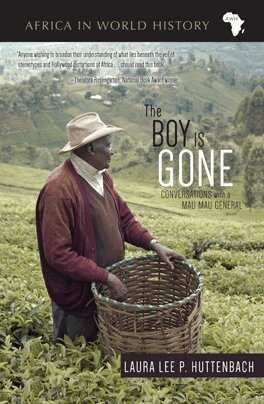
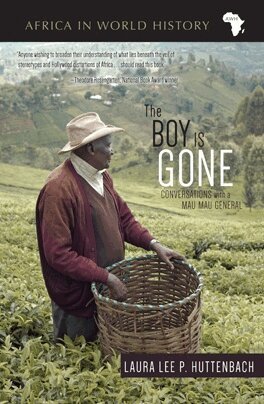
A story with the power to change how people view the last years of colonialism in East Africa, The Boy Is Gone portrays the struggle for Kenyan independence in the words of a freedom fighter whose life spanned the twentieth century's most dramatic transformations. Born into an impoverished farm family in the Meru Highlands, Japhlet Thambu grew up wearing goatskins and lived to stand before his community dressed for business in a pressed suit, crisp tie, and freshly polished shoes. For most of the last four decades, however, he dressed for work in the primary school classroom and on his lush tea farm.The General, as he came to be called from his leadership of the Mau Mau uprising sixty years ago, narrates his life story in conversation with Laura Lee Huttenbach, a young American who met him while backpacking in Kenya in 2006. A gifted storyteller with a keen appreciation for language and a sense of responsibility as a repository of his people's history, the General talks of his childhood in the voice of a young boy, his fight against the British in the voice of a soldier, and his long life in the voice of shrewd elder. While his life experiences are his alone, his story adds immeasurably to the long history of decolonization as it played out across Africa, Asia, and the Americas.
329 kr
Skickas inom 7-10 vardagar
A story with the power to change how people view the last years of colonialism in East Africa, The Boy Is Gone portrays the struggle for Kenyan independence in the words of a freedom fighter whose life spanned the twentieth century's most dramatic transformations. Born into an impoverished farm family in the Meru Highlands, Japhlet Thambu grew up wearing goatskins and lived to stand before his community dressed for business in a pressed suit, crisp tie, and freshly polished shoes. For most of the last four decades, however, he dressed for work in the primary school classroom and on his lush tea farm.The General, as he came to be called from his leadership of the Mau Mau uprising sixty years ago, narrates his life story in conversation with Laura Lee Huttenbach, a young American who met him while backpacking in Kenya in 2006. A gifted storyteller with a keen appreciation for language and a sense of responsibility as a repository of his people's history, the General talks of his childhood in the voice of a young boy, his fight against the British in the voice of a soldier, and his long life in the voice of shrewd elder. While his life experiences are his alone, his story adds immeasurably to the long history of decolonization as it played out across Africa, Asia, and the Americas.
833 kr
Skickas inom 10-15 vardagar
Swahili was once an obscure dialect of an East African Bantu language. Today more than one hundred million people use it: Swahili is to eastern and central Africa what English is to the world. From its embrace in the 1960s by the black freedom movement in the United States to its adoption in 2004 as the African Union's official language, Swahili has become a truly international language. How this came about and why, of all African languages, it happened only to Swahili is the story that John M. Mugane sets out to explore.The remarkable adaptability of Swahili has allowed Africans and others to tailor the language to their needs, extending its influence far beyond its place of origin. Its symbolic as well as its practical power has evolved from its status as a language of contact among diverse cultures, even as it embodies the history of communities in eastern and central Africa and throughout the Indian Ocean world.The Story of Swahili calls for a reevaluation of the widespread assumption that cultural superiority, military conquest, and economic dominance determine a language's prosperity. This sweeping history gives a vibrant, living language its due, highlighting its nimbleness from its beginnings to its place today in the fast-changing world of global communication.
324 kr
Skickas inom 10-15 vardagar
Swahili was once an obscure dialect of an East African Bantu language. Today more than one hundred million people use it: Swahili is to eastern and central Africa what English is to the world. From its embrace in the 1960s by the black freedom movement in the United States to its adoption in 2004 as the African Union's official language, Swahili has become a truly international language. How this came about and why, of all African languages, it happened only to Swahili is the story that John M. Mugane sets out to explore.The remarkable adaptability of Swahili has allowed Africans and others to tailor the language to their needs, extending its influence far beyond its place of origin. Its symbolic as well as its practical power has evolved from its status as a language of contact among diverse cultures, even as it embodies the history of communities in eastern and central Africa and throughout the Indian Ocean world.The Story of Swahili calls for a reevaluation of the widespread assumption that cultural superiority, military conquest, and economic dominance determine a language's prosperity. This sweeping history gives a vibrant, living language its due, highlighting its nimbleness from its beginnings to its place today in the fast-changing world of global communication.
324 kr
Skickas inom 10-15 vardagar
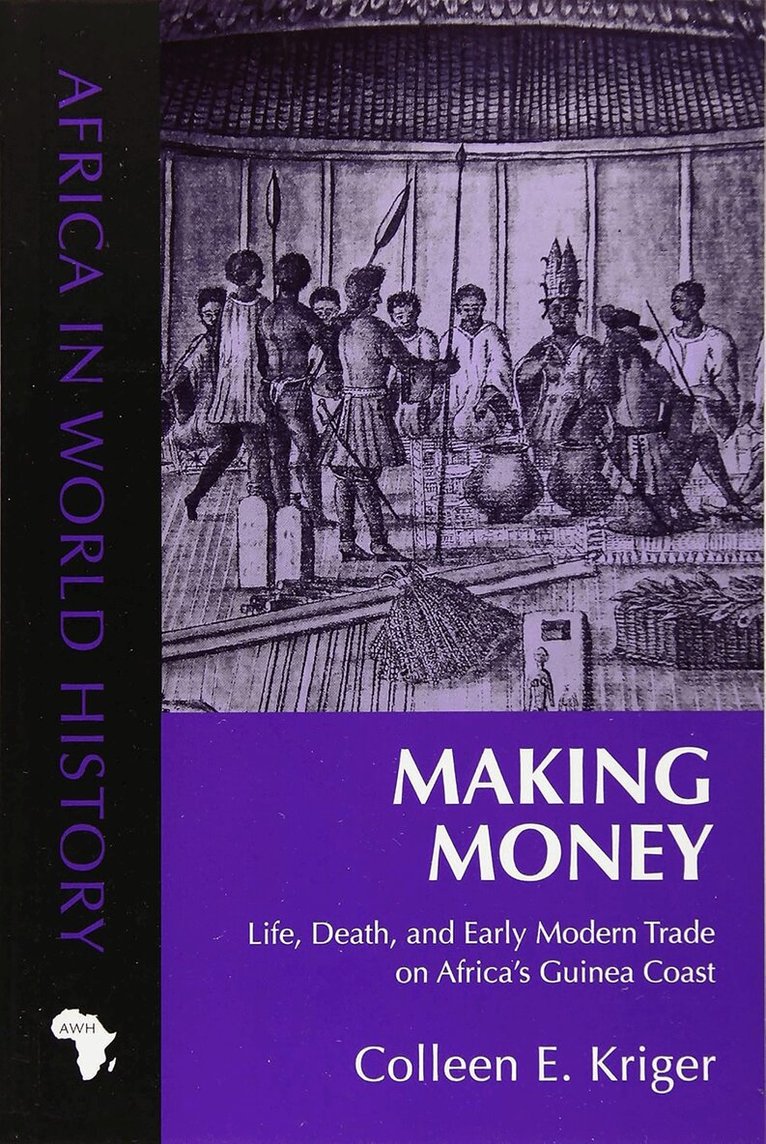
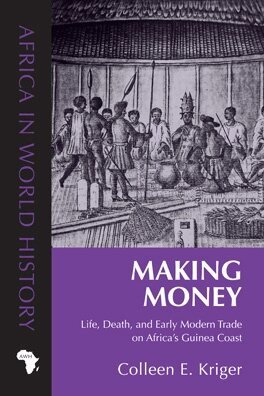
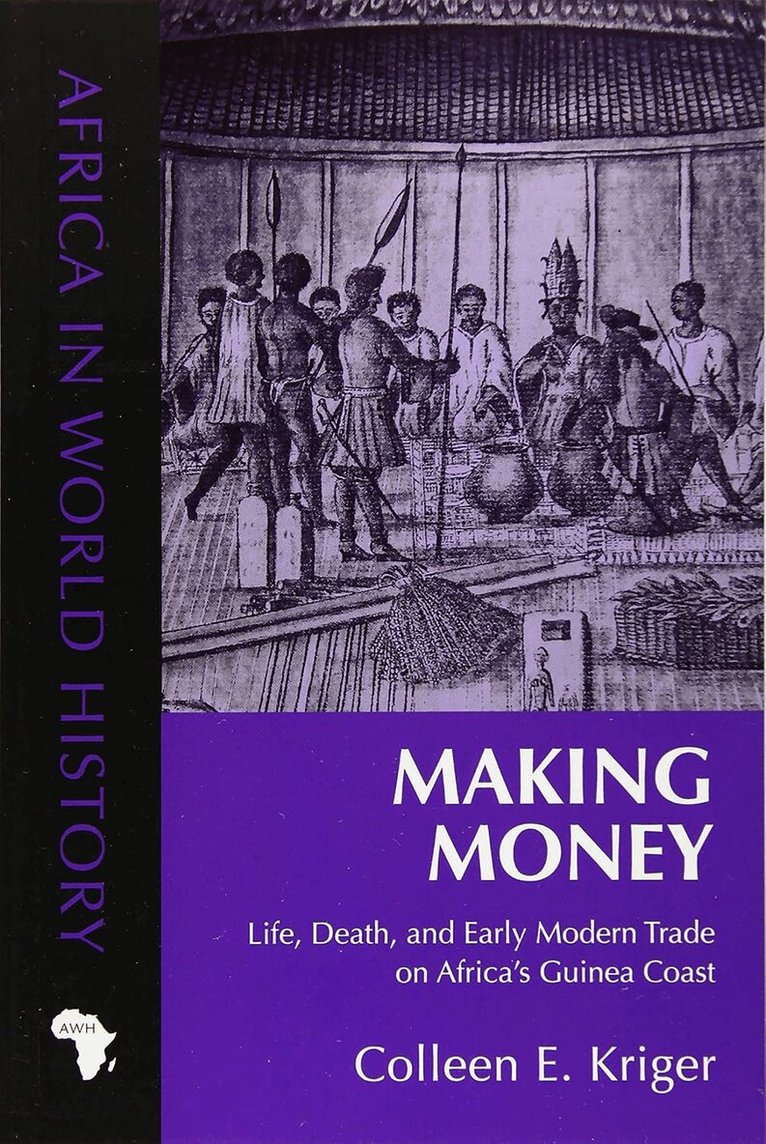
A new era in world history began when Atlantic maritime trade among Africa, Asia, Europe, and the Americas opened up in the fifteenth century, setting the stage for massive economic and cultural change. In Making Money, Colleen Kriger examines the influence of the global trade on the Upper Guinea Coast two hundred years later—a place and time whose study, in her hands, imparts profound insights into Anglo-African commerce and its wider milieu.A stunning variety of people lived in this coastal society, struggling to work together across deep cultural divides and in the process creating a dynamic creole culture. Kriger digs further than any previous historian of Africa into the records of England's Royal African Company to illuminate global trade patterns, the interconnectedness of Asian, African, and European markets, and—most remarkably—the individual lives that give Making Money its human scale.By inviting readers into the day-to-day workings of early modern trade in the Atlantic basin, Kriger masterfully reveals the rich social relations at its core. Ultimately, this accessible book affirms Africa's crucial place in world history during a transitional period, the early modern era.
833 kr
Skickas inom 10-15 vardagar
A new era in world history began when Atlantic maritime trade among Africa, Asia, Europe, and the Americas opened up in the fifteenth century, setting the stage for massive economic and cultural change. In Making Money, Colleen Kriger examines the influence of the global trade on the Upper Guinea Coast two hundred years later—a place and time whose study, in her hands, imparts profound insights into Anglo-African commerce and its wider milieu.A stunning variety of people lived in this coastal society, struggling to work together across deep cultural divides and in the process creating a dynamic creole culture. Kriger digs further than any previous historian of Africa into the records of England's Royal African Company to illuminate global trade patterns, the interconnectedness of Asian, African, and European markets, and—most remarkably—the individual lives that give Making Money its human scale.By inviting readers into the day-to-day workings of early modern trade in the Atlantic basin, Kriger masterfully reveals the rich social relations at its core. Ultimately, this accessible book affirms Africa's crucial place in world history during a transitional period, the early modern era.