African Humanities and the Arts - Böcker
Visar alla böcker i serien African Humanities and the Arts. Handla med fri frakt och snabb leverans.
15 produkter
15 produkter
364 kr
Skickas inom 7-10 vardagar
Stray Truths is a stirring introduction to the poetry of Euphrase Kezilahabi, one of Africa’s major living authors, published here for the first time in English. Born in 1944 on Ukerewe Island in Tanzania (then the Territory of Tanganyika), Kezilahabi came of age in the newly independent nation. His poetry confronts the task of postcolonial nation building and its conundrums, and explores personal loss in parallel with nationwide disappointments. Kezilahabi sparked controversy when he published his first poetry collection in 1974, introducing free verse into Swahili. His next two volumes of poetry (published in 1988 and 2008) confirmed his status as a pioneering and modernizing literary force. Stray Truths draws on each of those landmark collections, allowing readers to encounter the myriad forms and themes significant to this poet over a span of more than three decades. Even as these poems jettison the constraints of traditional Swahili forms, their use of metaphor connects them to traditional Swahili poetics, and their representational strategies link them to indigenous African arts more broadly. To date, translations of Swahili poetry have been focused on scholarly interpretations. This literary translation, in contrast, invites a wide audience of readers to appreciate the verbal art of this seminal modernist writer.
562 kr
Skickas inom 7-10 vardagar
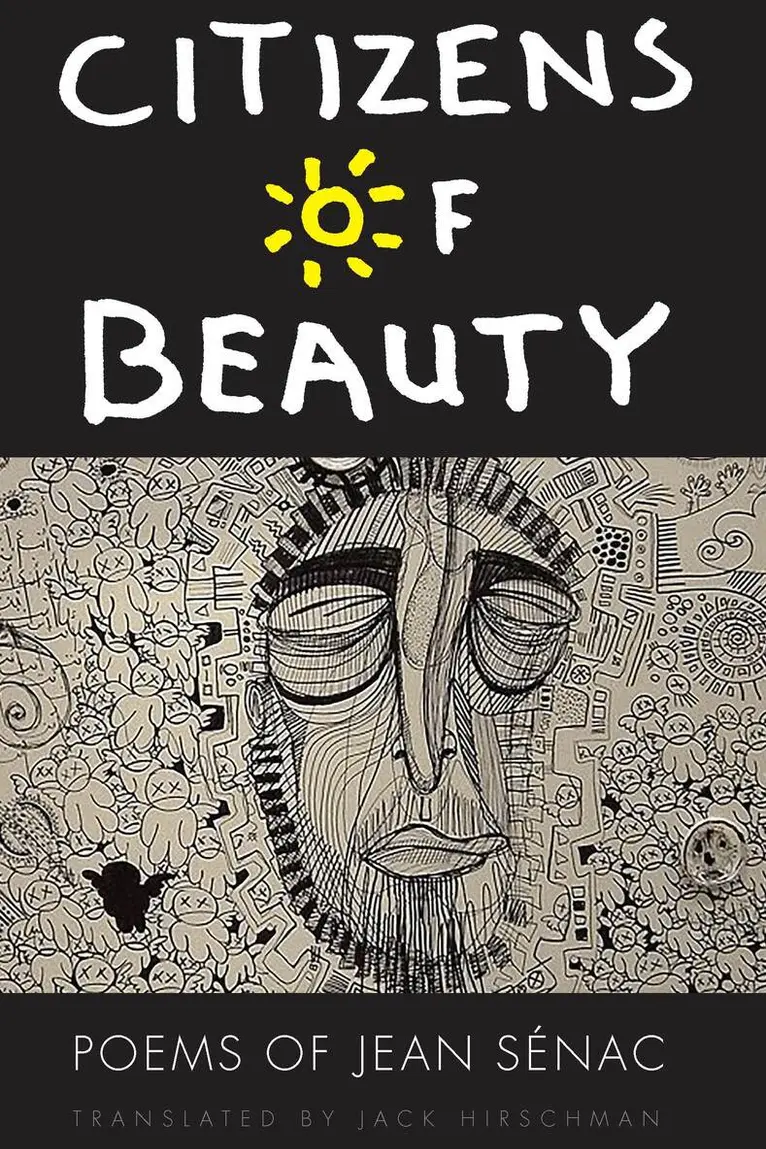
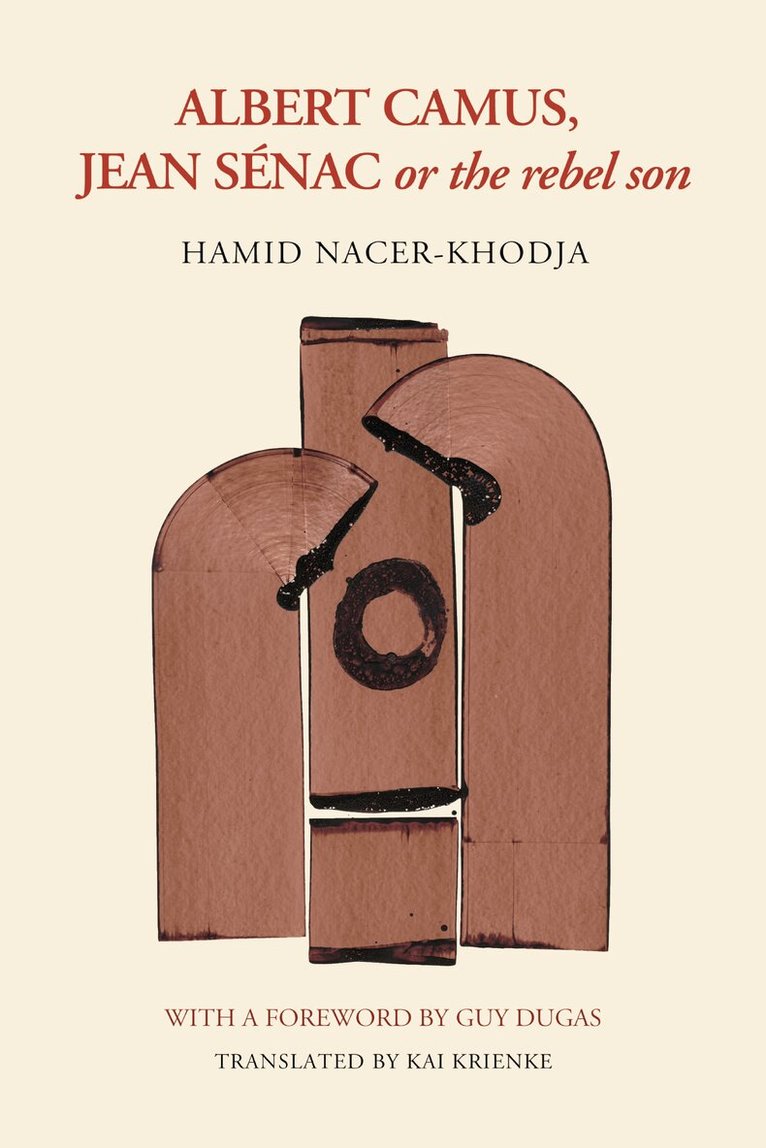
Now available in English for the first time, translated by the poet Jack Hirschman, this beautiful collection of poems by the Algerian poet Jean Sénac (1926–1973) was originally published when he was forty-one. Sénac represented the hope of the new generation of Algerians who were celebrating their independence from France after 130 years of colonialism, and in the tradition of René Char and the early Albert Camus, he portrayed an Algeria whose land and people would finally sing with their own voice. Sénac celebrates revolution, love, and the body, beginning with the resonant verses: “And now we’ll sing love / for there’s no Revolution without love.” He sang, as well, of beauty: “No morning without smiling. / Beauty on our lips is one continuous fruit.”
542 kr
Skickas inom 7-10 vardagar
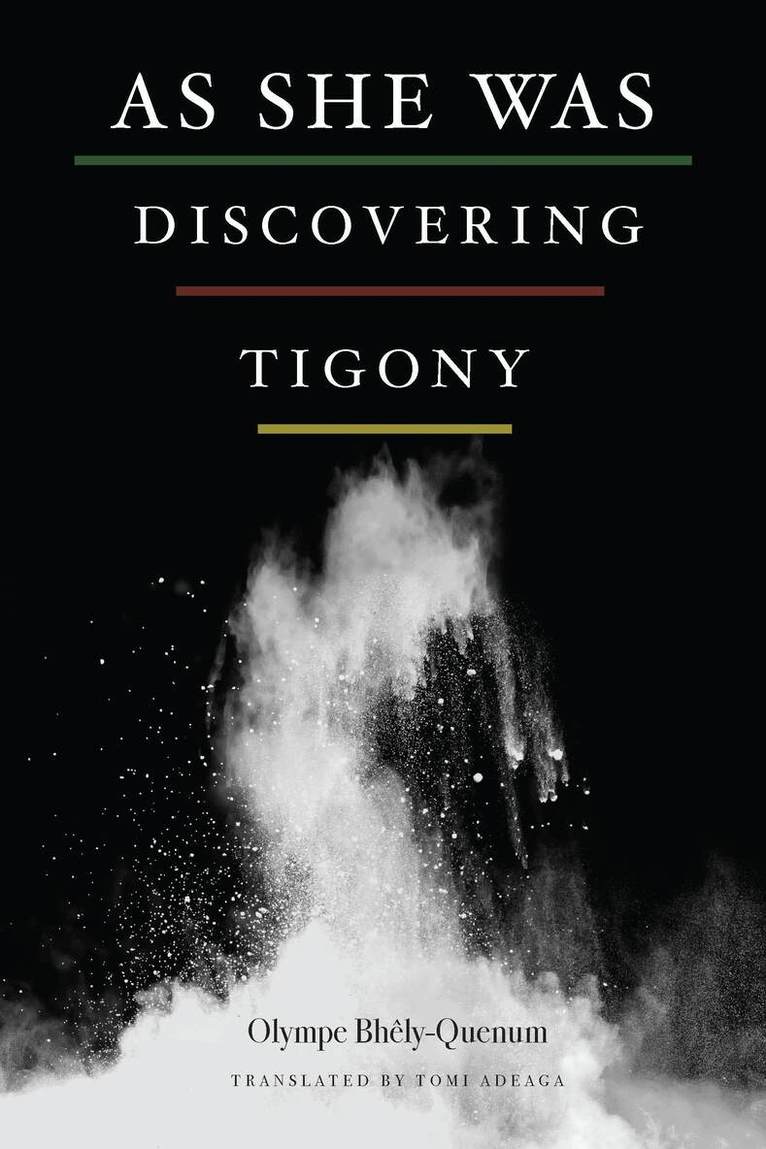
Dorcas Keurléonan-Moricet is a brilliant white geophysicist posted on assignment in Africa. She falls in love with a young African man, Ségué n’Di, and enters into an extramarital affair with him. In her professional work, she discovers deposits of minerals of inestimable worth. Reading the current age of globalization and neoliberalism as one in which the riches of Africa are again being cynically exploited by multinational companies—including her own—Keurléonan-Moricet’s views and her life gradually change. As the popular resistance against the dictatorial regime in power grows, she comes to play a key role in the unfolding political drama.
461 kr
Skickas inom 7-10 vardagar
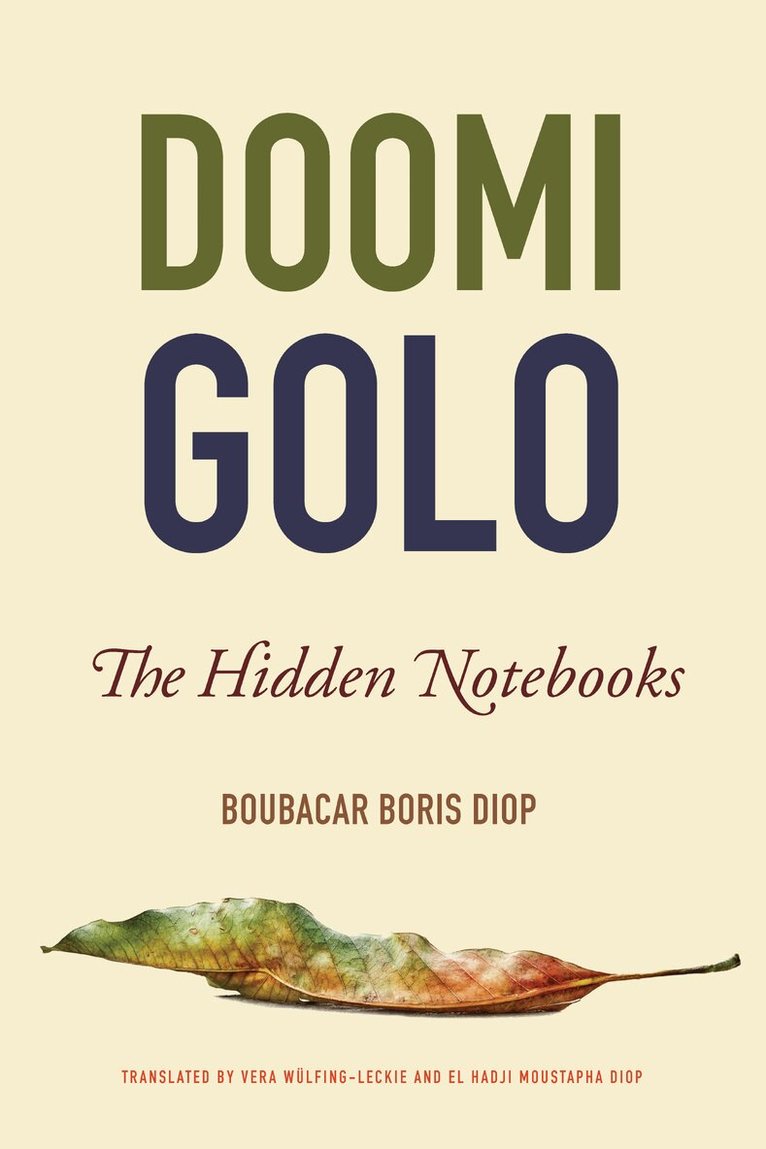
The first novel to be translated from Wolof to English, Doomi Golo—The Hidden Notebooks is a masterful work that conveys the story of Nguirane Faye and his attempts to communicate with his grandson before he dies. With a narrative structure that beautifully imitates the movements of a musical piece, Diop relates Faye’s trauma of losing his only son, Assane Tall, which is compounded by his grandson Badou’s migration to an unknown destination. While Faye feels certain that his grandson will return one day, he also is convinced that he will no longer be alive by then. Faye spends his days sitting under a mango tree in the courtyard of his home, reminiscing and observing his surroundings. He speaks to Badou through his seven notebooks, six of which are revealed to the reader, while the seventh, the “Book of Secrets,” is highly confidential and reserved for Badou’s eyes only. In the absence of letters from Badou, the notebooks form the only possible means of communication between the two, carrying within them tunes and repetitions that give this novel its unusual shape: loose and meandering on the one hand, coherent and tightly interwoven on the other. Translated by Vera Wülfing-Leckie and El Hadji Moustapha Diop.
364 kr
Skickas inom 7-10 vardagar
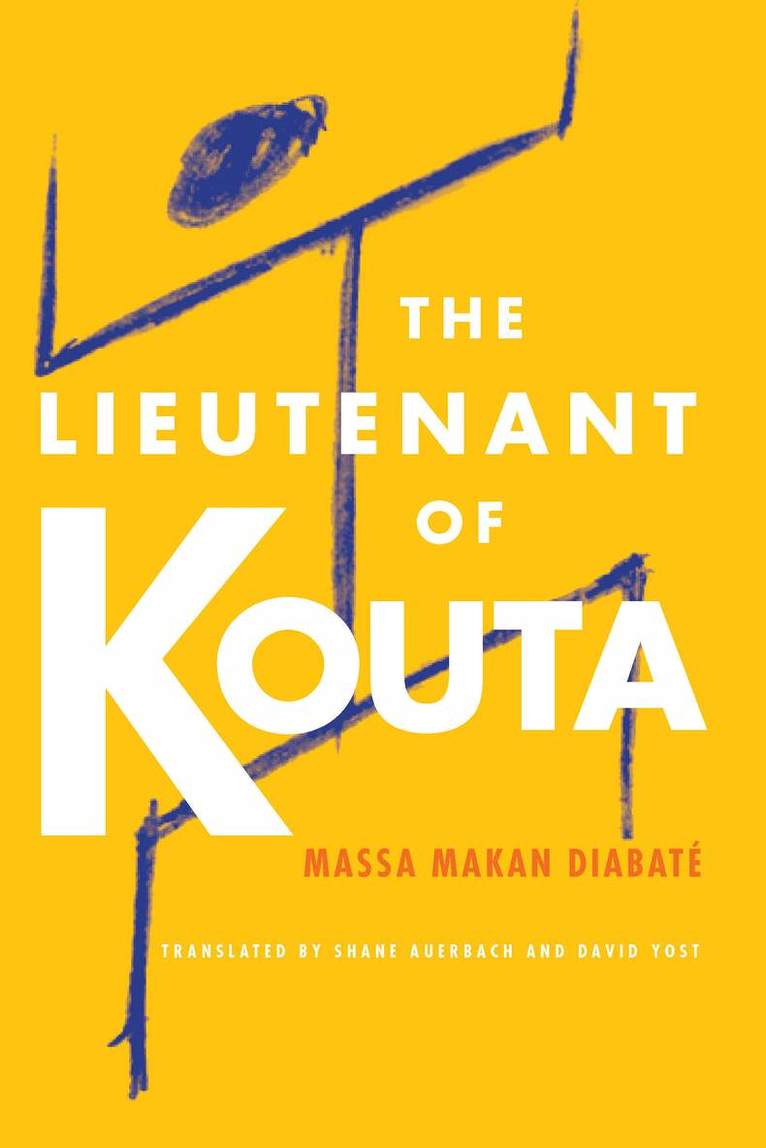
The Lieutenant of Kouta is the first novel in Massa Makan Diabaté’s award-winning trilogy. Featuring an introduction by leading Diabaté scholar Cheick M. Chérif Keïta and Shane Auerbach, it tells the story, part tragicomic and part hagiographic, of an African lieutenant in the French Army who returns as a decorated hero from the battlefields of Europe to Kouta, a fictionalized version of the author’s own birthplace, the Malian town of Kita. Upon his return, Siriman Keita finds it difficult to adjust to village life as he navigates traditional customs in his attempts to create his place in the predominantly Muslim Kouta. The novel offers a rich and nuanced representation of Mali on the brink of independence; it is a tapestry of traditional Mandinka society and the French colonial apparatus, illustrating the dynamic interplay between the two. This text is, ultimately, a story of one man’s transformation coinciding with that of his country.
758 kr
Skickas inom 7-10 vardagar
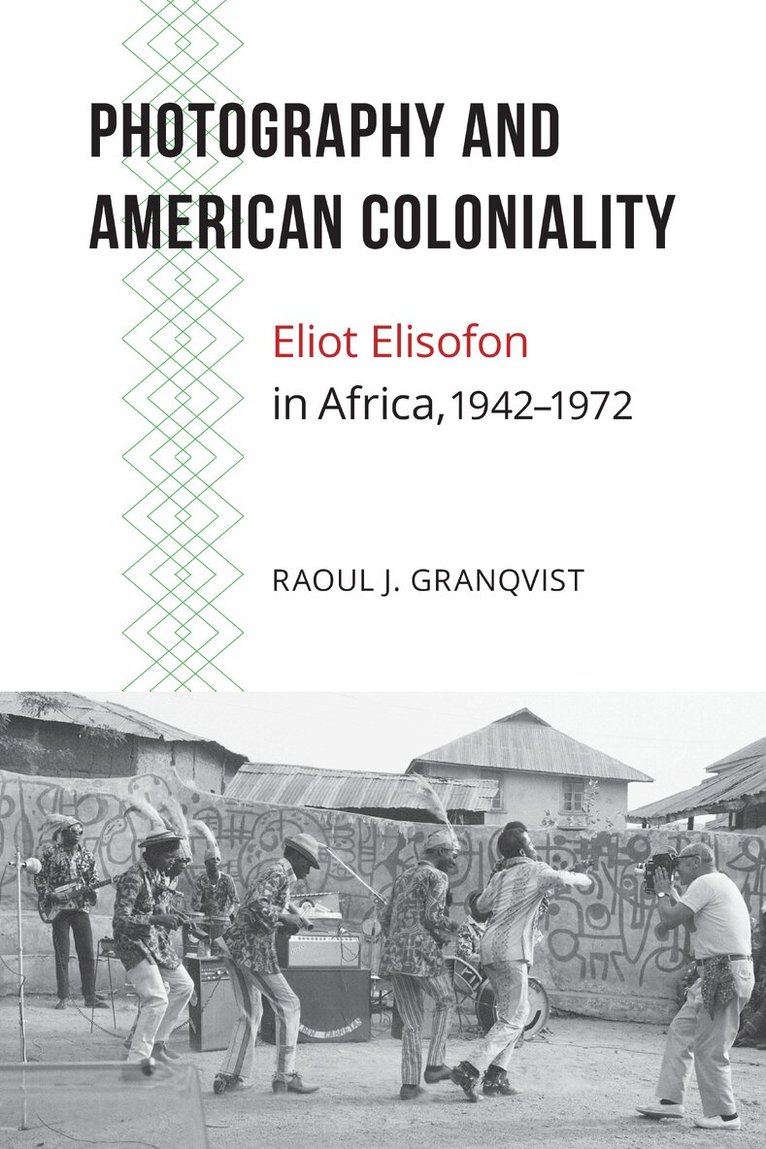
This book is the first to question both why and how the colonialist mythologies represented by the work of photographer Eliot Elisofon persist. It documents and discusses a heterogeneous practice of American coloniality of power as it explores Elisofon’s career as war photographer-correspondent and staff photographer for LIFE, filmmaker, author, artist, and collector of “primitive art” and sculpture. It focuses on three areas: Elisofon’s narcissism, voyeurism, and sexism; his involvement in the homogenizing of Western social orders and colonial legacies; and his enthused mission of “sending home” a mass of still-life photographs, annexed African artifacts, and assumed vintage knowledge. The book does not challenge his artistic merit or his fascinating personality; what it does question is his production and imagining of “difference.” As the text travels from World War II to colonialism, postcolonialism, and the Cold War, from Casablanca to Leopoldville (Kinshasa), it proves to be a necessarily strenuous and provocative trip.
326 kr
Skickas inom 7-10 vardagar
This volume attempts to join the disparate worlds of Egyptian, Maghrebian, South African, Francophone, and Anglophone African cinema—that is, five “formations” of African cinema. These five areas are of particular significance—each in its own way. The history of South Africa, heavily marked by apartheid and its struggles, differs considerably from that of Egypt, which early on developed its own “Hollywood on the Nile.” The history of French colonialism impacted the three countries of the Maghreb—Tunisia, Algeria, and Morocco—differently than those in sub-Saharan Africa, where Senegal and Sembène had their own great effect on the Sahelian region. Anglophone Africa, particularly the films of Ghana and Nigeria, has dramatically altered the ways people have perceived African cinema for decades. History, geography, production, distribution, and exhibition are considered alongside film studies concerns about ideology and genre. This volume provides essential information for all those interested in the vital worlds of cinema in Africa since the time of the Lumière brothers.
664 kr
Skickas inom 7-10 vardagar
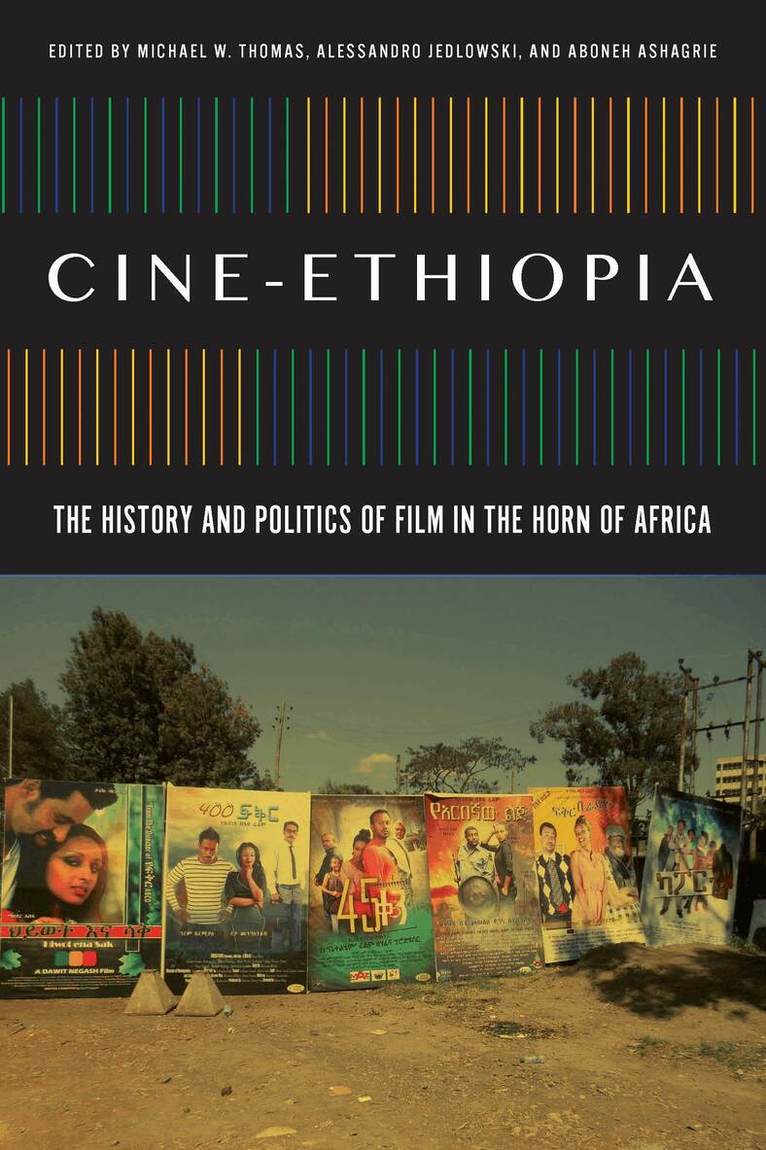
Over the past decade, Ethiopian films have come to dominate the screening schedules of the many cinemas in Ethiopia’s capital city of Addis Ababa, as well as other urban centers. Despite undergoing an unprecedented surge in production and popularity in Ethiopia and in the diaspora, this phenomenon has been broadly overlooked by African film and media scholars and Ethiopianists alike. This collection of essays and interviews on cinema in Ethiopia represents the first work of its kind and establishes a broad foundation for furthering research on this topic. Taking an interdisciplinary approach to the topic and bringing together contributions from both Ethiopian and international scholars, the collection offers new and alternative narratives for the development of screen media in Africa. The book’s relevance reaches far beyond its specific locale of Ethiopia as contributions focus on a broad range of topics—such as commercial and genre films, diaspora filmmaking, and the role of women in the film industry—while simultaneously discussing multiple forms of screen media, from satellite TV to “video films.” Bringing both historical and contemporary moments of cinema in Ethiopia into the critical frame offers alternative considerations for the already radically changing critical paradigm surrounding the understandings of African cinema.
918 kr
Skickas inom 7-10 vardagar
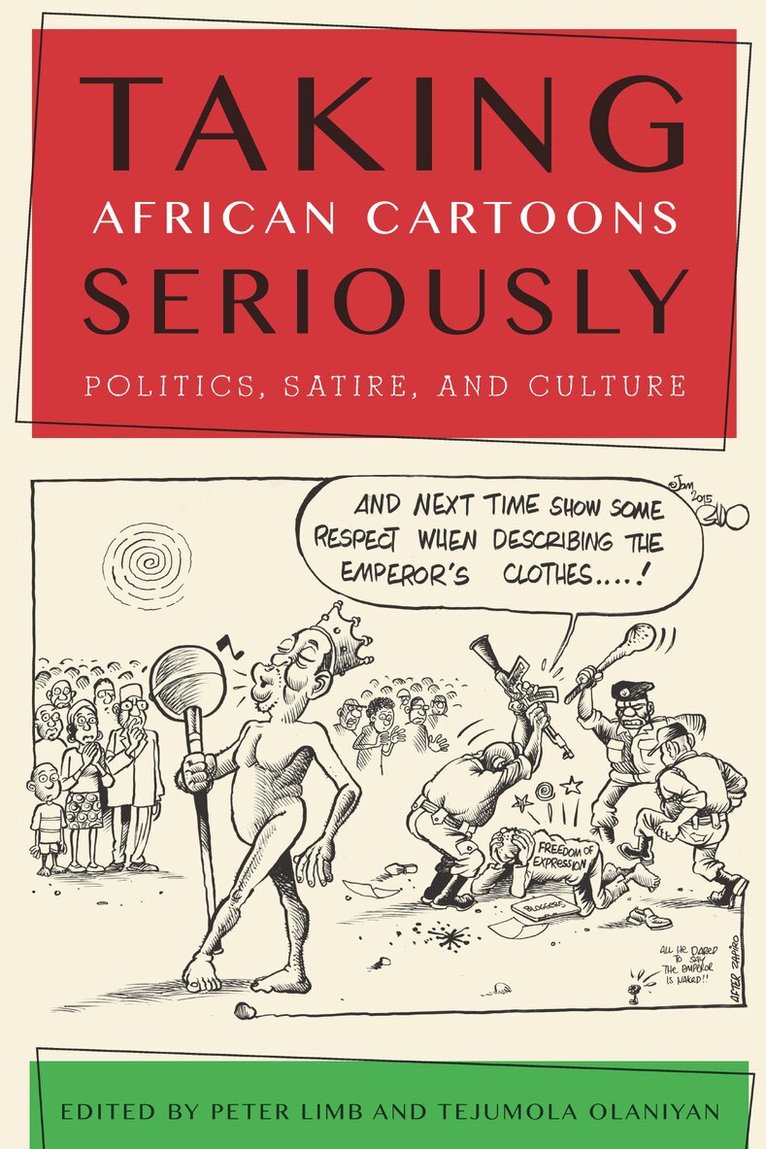
Cartoonists make us laugh—and think—by caricaturing daily events and politics. The essays, interviews, and cartoons presented in this innovative book vividly demonstrate the rich diversity of cartooning across Africa and highlight issues facing its cartoonists today, such as sociopolitical trends, censorship, and use of new technologies. Celebrated African cartoonists including Zapiro of South Africa, Gado of Kenya, and Asukwo of Nigeria join top scholars and a new generation of scholar-cartoonists from the fields of literature, comic studies and fine arts, animation studies, social sciences, and history to take the analysis of African cartooning forward. Taking African Cartoons Seriously presents critical thematic studies to chart new approaches to how African cartoonists trade in fun, irony, and satire. The book brings together the traditional press editorial cartoon with rapidly diverging subgenres of the art in the graphic novel and animation, and applications on social media. Interviews with bold and successful cartoonists provide insights into their work, their humor, and the dilemmas they face. This book will delight and inform readers from all backgrounds, providing a highly readable and visual introduction to key cartoonists and styles, as well as critical engagement with current themes to show where African political cartooning is going and why.
542 kr
Skickas inom 7-10 vardagar
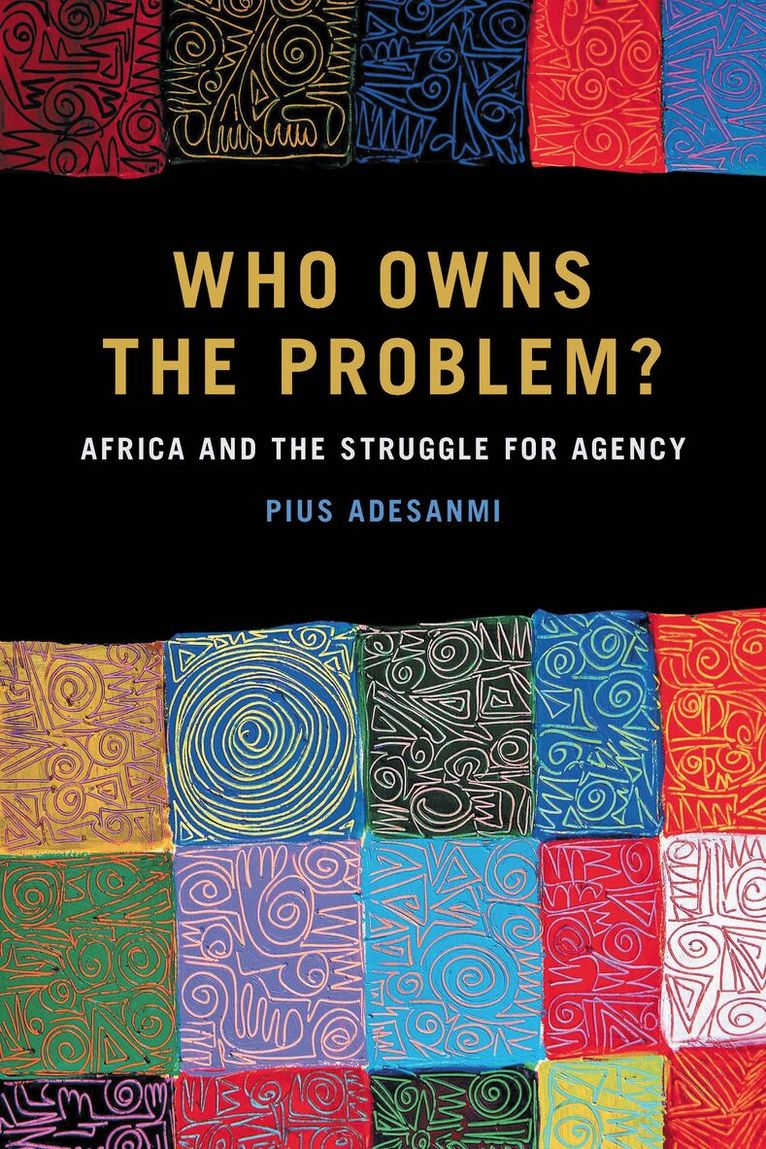
How may we conceptualize Africa in the driver’s seat of her own destiny in the twenty-first century? How practically may her cultures become the foundation and driving force of her innovation, development, and growth in the age of the global knowledge economy? How may the Africanist disciplines in the humanities, the social sciences, and the natural sciences be revamped to rise up to these challenges through new imaginaries of intersectional reflection? This book assembles lectures given by Pius Adesanmi that address these questions. Adesanmi sought to create an African world of signification in which verbal artistry interpellates performer and audience in a heuristic process of knowledge production. The narrative and delivery of his arguments, the antiphonal call and response, and the aspects of Yoruba oratory and verbal resources all combine with diction and borrowings from Nigerian popular culture to create a distinct African performative mode. This mode becomes a form of resistance, specifically against the pressure to conform to Western ideals of the packaging, standardization, and delivery of knowledge. Together, these short essays preserve thecommitted and passionate voice of an African writer lost far too soon. Adesanmi urges his readers to commit themselves to Africa’s cultural agency.
919 kr
Skickas inom 7-10 vardagar
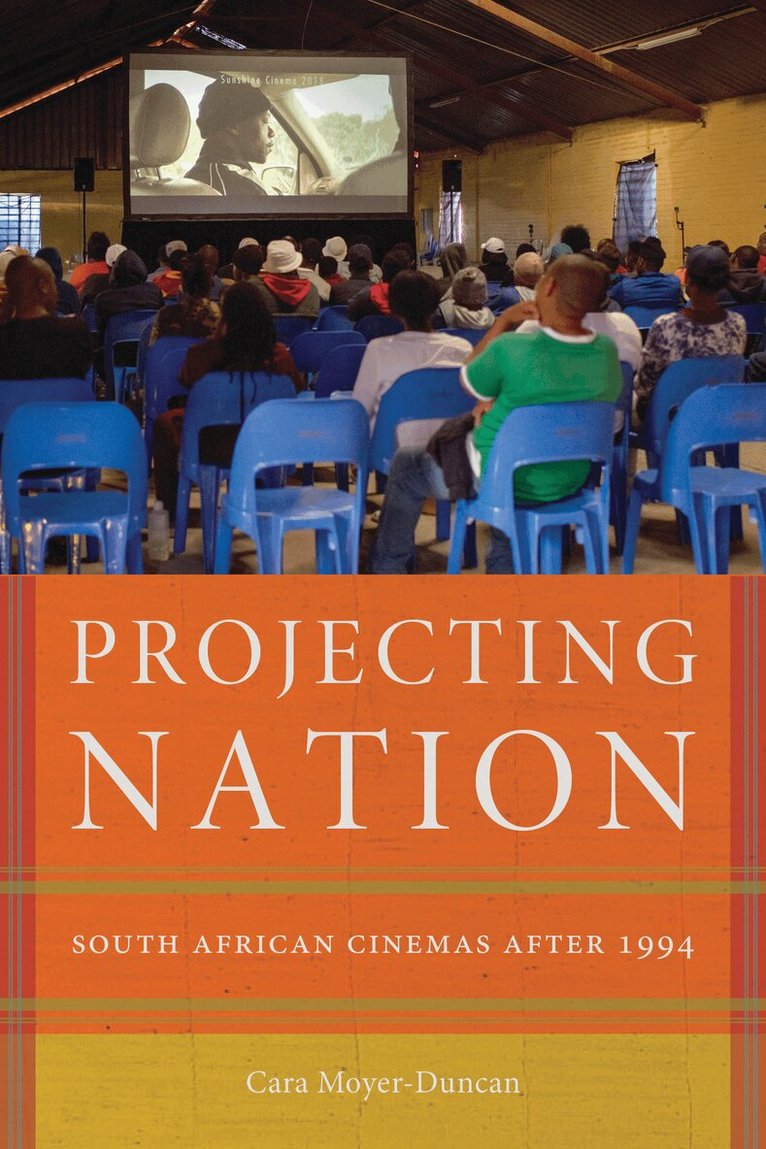
In 1994, not long after South Africa made its historic transition to multiracial democracy, the nation’s first black-majority government determined that film had the potential to promote social cohesion, stimulate economic development, and create jobs. In 1999 the new National Film and Video Foundation was charged with fostering a vibrant, socially engaged, and self-sufficient film industry. What are the results of this effort to create a truly national cinematic enterprise? Projecting Nation: South African Cinemas after 1994 answers that question by examining the ways in which national and transnational forces have shaped the representation of race and nation in feature-length narrative fiction films. Offering a systematic analysis of cinematic texts in the context of the South African film industry, author Cara Moyer-Duncan analyzes both well-known works like District 9 (2009) and neglected or understudied films like My Shit Father and My Lotto Ticket (2008) to show how the ways filmmakers produce cinema and the ways diverse audiences experience it—whether they watch major releases in theaters in predominantly white suburban enclaves or straight-to-DVD productions in their own homes—are informed by South Africans’ multiple experiences of nation in a globalizing world.
919 kr
Skickas inom 7-10 vardagar
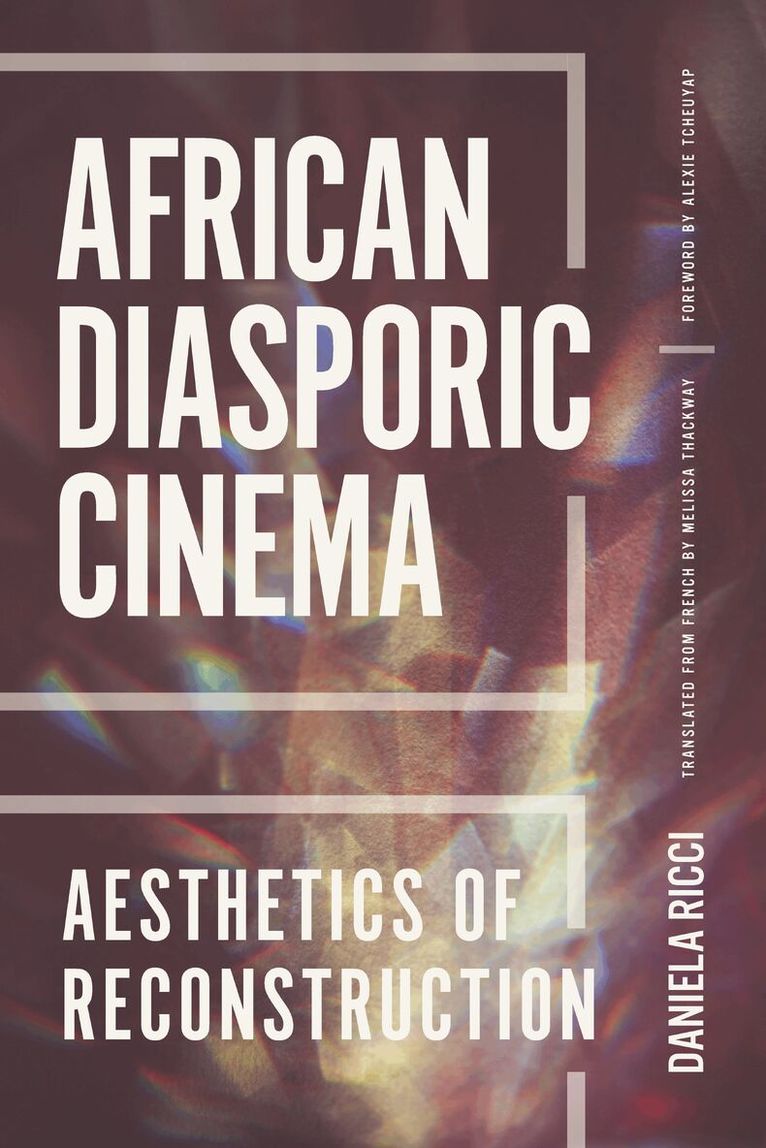
African Diasporic Cinema: Aesthetics of Reconstruction analyzes the aesthetic strategies adopted by contemporary African diasporic filmmakers to express the reconstruction of identity. Having left the continent, these filmmakers see Africa as a site of representation and cultural circulation. The diasporic experience displaces the center and forges new syncretic identities. Through migratory movement, people become foreigners, Others—and in this instance, black. The African diasporic condition in the Western world is characterized by the intersection of various factors: being African and bearing the historical memory of the continent; belonging to a black minority in majority-white societies; and finally, having historically been the object of negative, stereotyped representation. As a result, quests for the self and self-reconstruction are frequent themes in the films of the African diaspora, and yet the filmmakers refuse to remain trapped in the confines of an assigned, rigid identity. Reflecting these complex circumstances, this book analyzes the contemporary diaspora through the prism of cultural hybridization and the processes of recomposing fragmented identities, out of which new identities emerge.
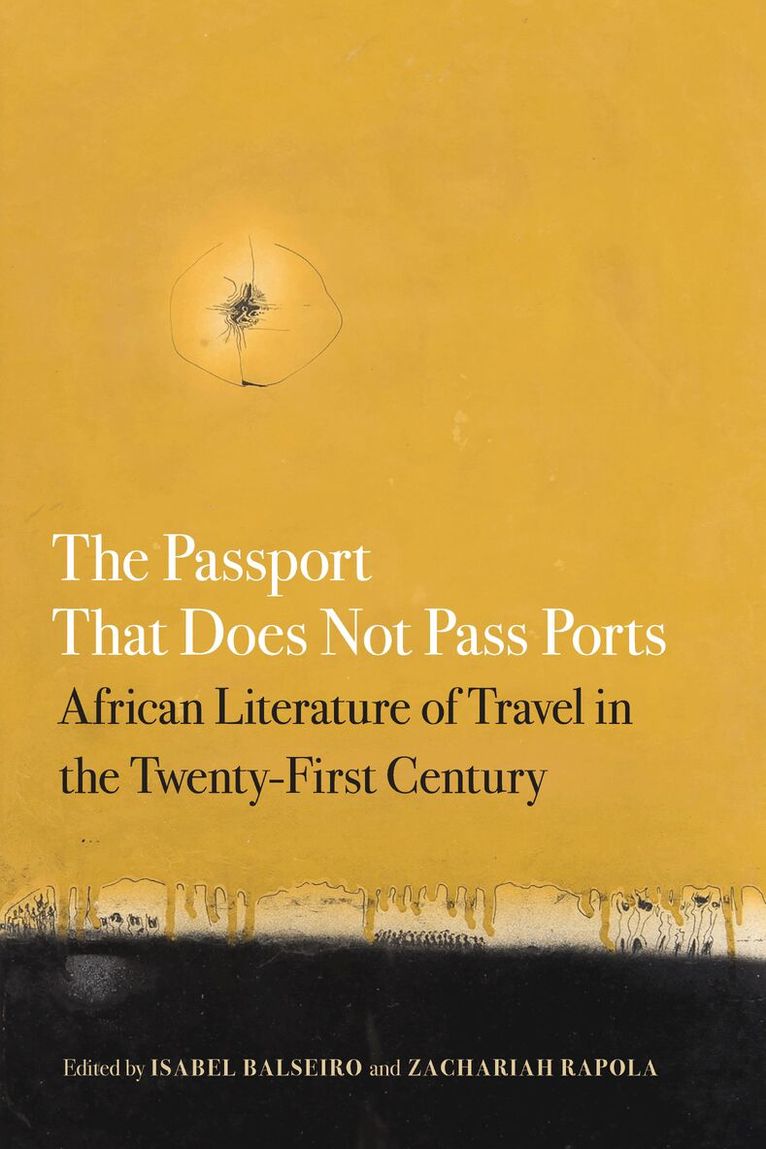
Passport That Does Not Pass Ports
African Literature of Travel in the Twenty-First Century
Häftad, Engelska, 2020
639 kr
Skickas inom 7-10 vardagar
These seventeen pieces on travel in Africa by leading African authors take readers to places at once homelike and foreign. Against the tropes of travel writing, this book offers the acuity of vision of particular types of travelers. These are travelers whose mother tongue may find the hint of familiarity across otherwise unintelligible languages and for whom a foreign land isn’t necessarily strange; in it they perceive vestiges of the familiar. For them, the act of traveling extends a canvas on which to depict someone else’s reality—a reality never too distant from their own. What makes these writings coalesce is a reflection about the act of being in motion, about reconfiguring place; a consciousness of how geography redirects the focus of one’s gaze and, in turn, how that altered gaze filters inward. Having absorbed the landscape, inhaled the scents, paid heed to accents, and accepted the condition of being out of place, these travelers reconstitute individual consciousness and join a collective sense of existing beyond borders. Place inhabits this renewed sense of self; literature enables its expression. An inviting introduction to travel writing on Africa, The Passport That Does Not Pass Ports is absorbing reading for travelers and students of literature alike.
781 kr
Skickas inom 7-10 vardagar
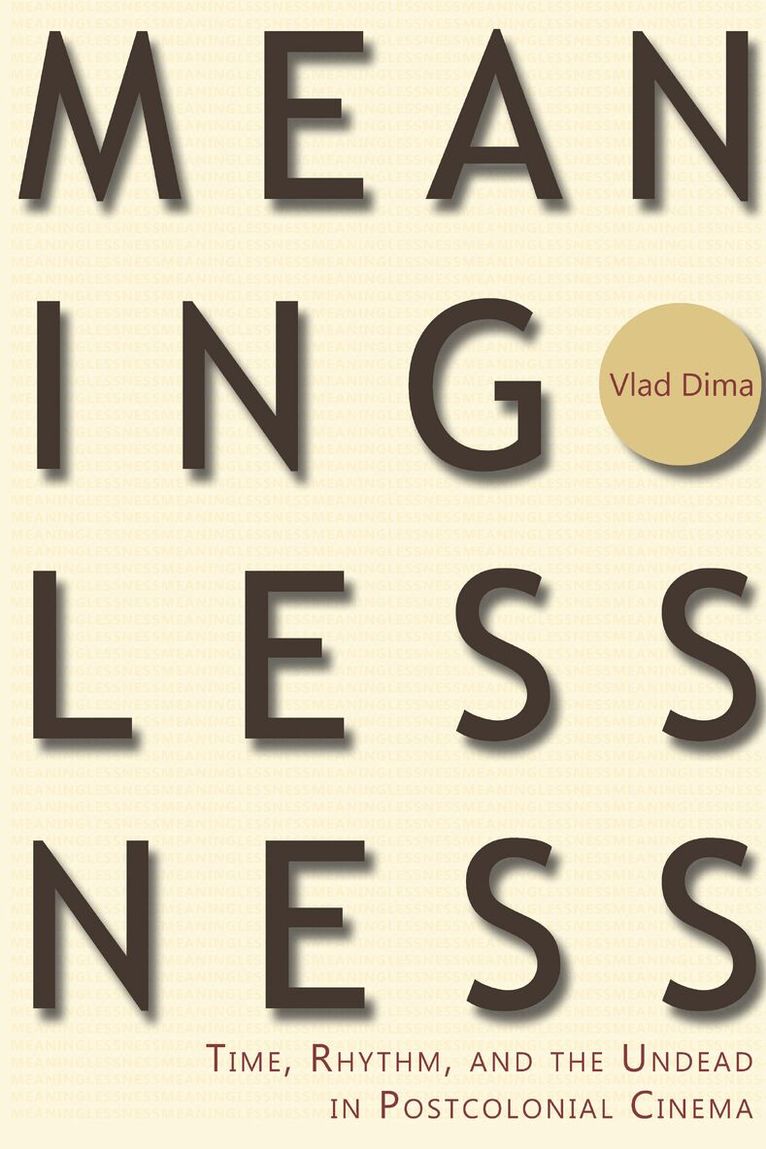
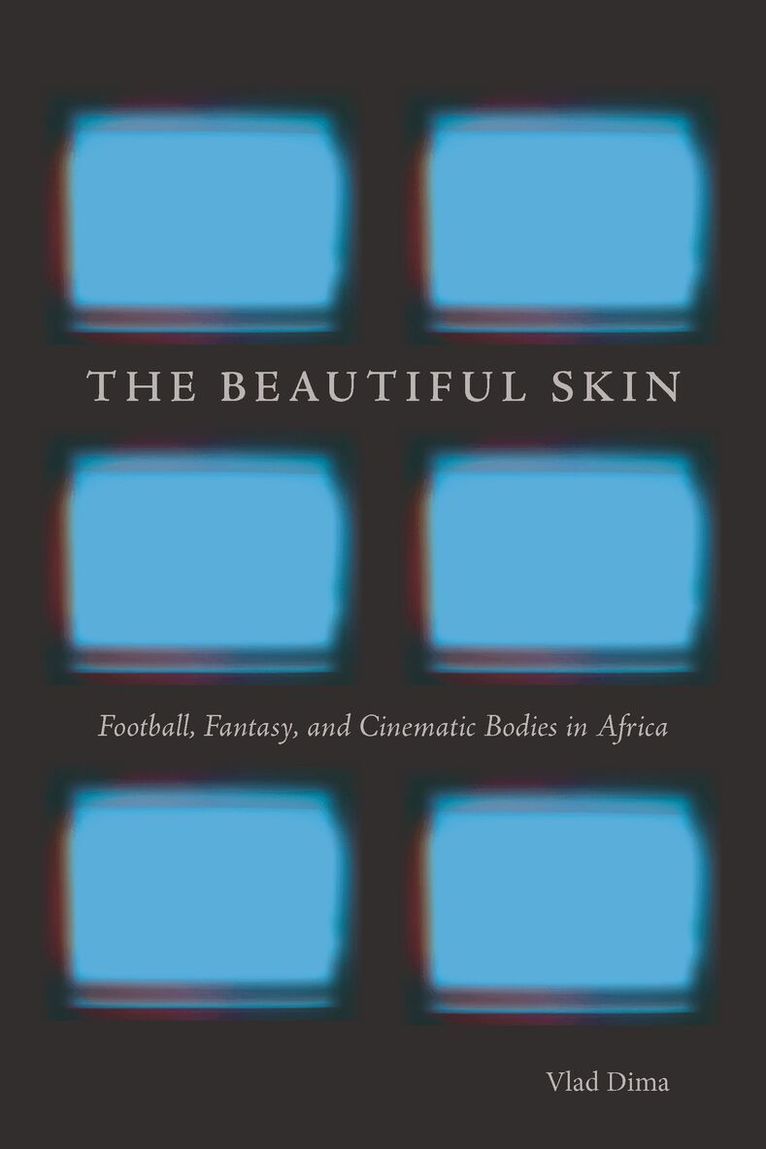
For too long, the approach to seemingly universal experiences like love, death, and even time in film has been dominated by the Global North. But what if such explorations developed horizontally instead? Drawing from both European and African cultural theorists, including Gilles Deleuze and Wole Soyinka, Vlad Dima invites us to consider what happens to postcolonial African film if we no longer privilege the idea of time. How else might we understand the cinematic image, and how would its meanings change? Meaninglessness: Time, Rhythm, and the Undead in Postcolonial Cinema is a study of meaning and meaninglessness through the figure of the undead, beginning with francophone Africa and extending to postcolonial France. Through the analysis of films like Mati Diop’s Atlantics and Jean-Pierre Bekolo’s Miraculous Weapons, Dima shows how the African cinematic image may produce meaning without any attachment to European time, and how that meaning is connected instead to the philosophy of negritude and to the notion of rhythm. Meaninglessness introduces the concept of the rhythm-sequence as a new way to understand the African moving image.
898 kr
Skickas inom 7-10 vardagar
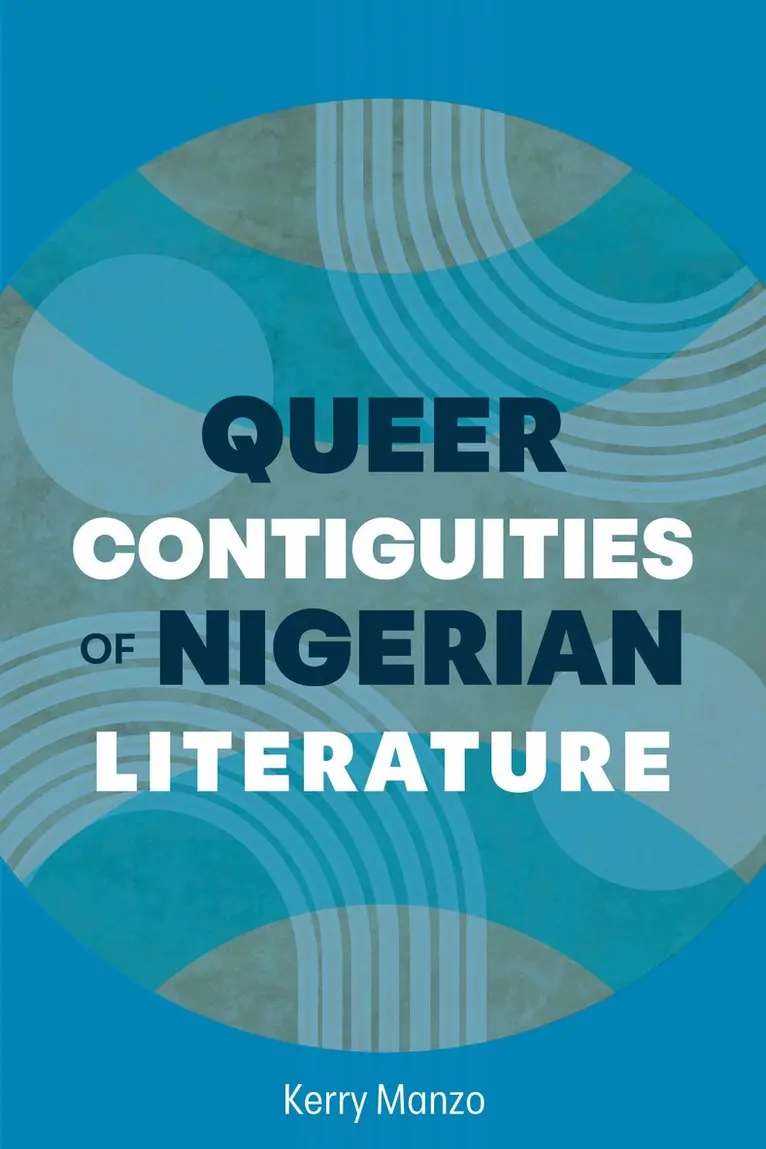
Queer Contiguities of Nigerian Literature explores how normative ideas of sex and gender have shaped the development of Nigerian literature. Tracing this influence from the rise of mid-twentieth-century modernist writing to the contemporary appearance of LGBTQIA literature, Kerry Manzo presents a new framework for understanding Nigerian literature, one in which sexuality and gender—or more specifically, their containment through national discourses of heteronormativity in colonial and postcolonial Nigeria—are central to its problematics and poetics. Drawing on interdisciplinary research and archival materials, including institutional records, personal letters, small publications, and other ephemera, Manzo illuminates the historical and material conditions that have placed limitations on the literary representation of women and sexual minorities and shaped the national masculine tradition of letters.