American Thought and Culture - Böcker
Visar alla böcker i serien American Thought and Culture. Handla med fri frakt och snabb leverans.
17 produkter
17 produkter
1 476 kr
Skickas inom 10-15 vardagar
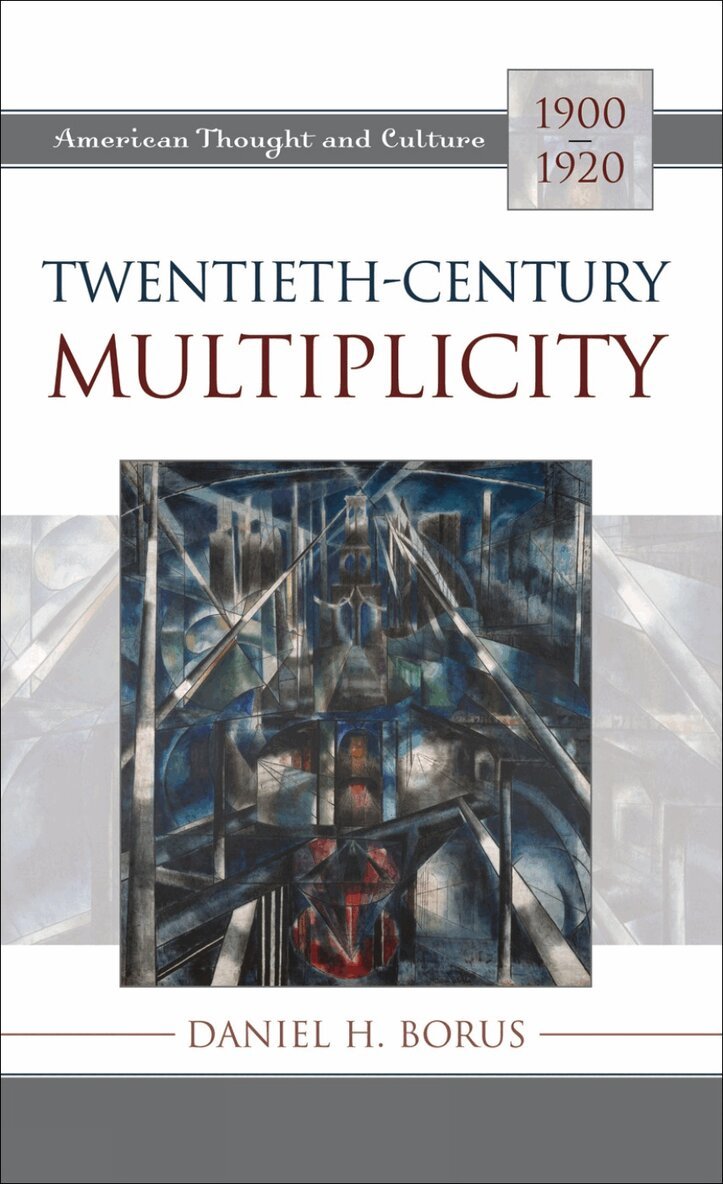
Twentieth-Century Multiplicity explores the effect of the culture-wide sense that prevailing syntheses failed to account fully for the complexities of modern life. As Daniel H. Borus documents the belief that there were many truths, many beauties, and many values—a condition that the historian Henry Adams labeled multiplicity—rather than singular ones prompted new departures in a myriad of discourses and practices ranging from comic strips to politics to sociology. The new emphasis on contingency and context prompted Americans to rethink what counted as truth and beauty, how the self was constituted and societies cohered and functioned. The challenge to absolutes and universals, Borus shows, gave rise to a culture in which standards were not always firm and fixed and previously accepted hierarchies were not always valid. Although itself strenuously challenged, especially during the First World War, early twentieth-century multiplicity bequeathed to American cultural life an abiding sense of the complexity and diversity of things.
568 kr
Skickas inom 10-15 vardagar
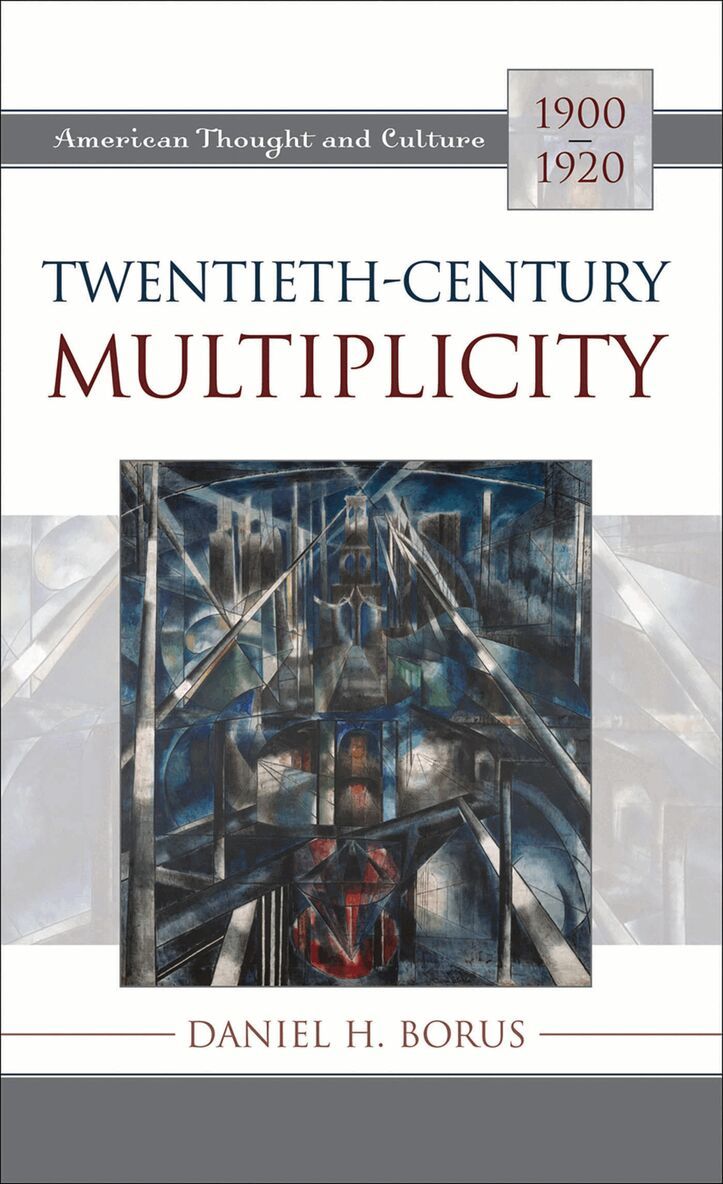
Twentieth-Century Multiplicity explores the effect of the culture-wide sense that prevailing syntheses failed to account fully for the complexities of modern life. As Daniel H. Borus documents the belief that there were many truths, many beauties, and many values—a condition that the historian Henry Adams labeled multiplicity—rather than singular ones prompted new departures in a myriad of discourses and practices ranging from comic strips to politics to sociology. The new emphasis on contingency and context prompted Americans to rethink what counted as truth and beauty, how the self was constituted and societies cohered and functioned. The challenge to absolutes and universals, Borus shows, gave rise to a culture in which standards were not always firm and fixed and previously accepted hierarchies were not always valid. Although itself strenuously challenged, especially during the First World War, early twentieth-century multiplicity bequeathed to American cultural life an abiding sense of the complexity and diversity of things.
2 089 kr
Skickas inom 5-8 vardagar
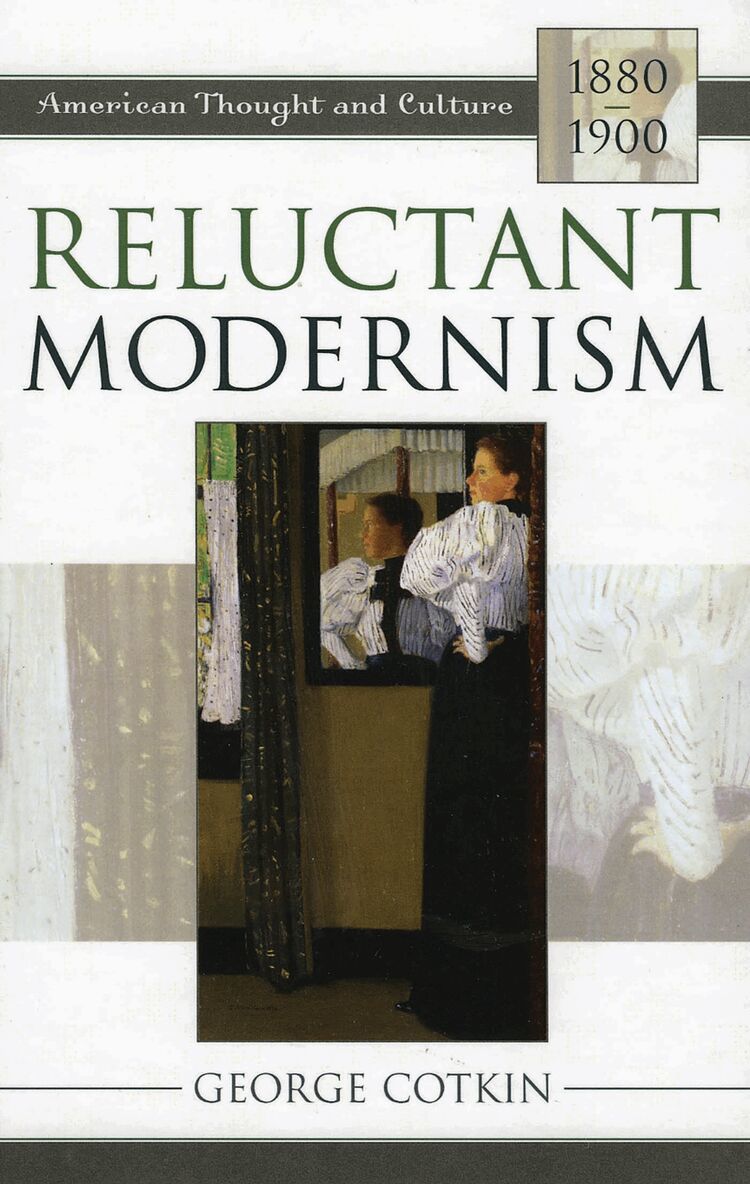
In the last two decades of the nineteenth century, Americans were faced with the challenges and uncertainties of a new era. The comfortable Victorian values of continuity, progress, and order clashed with the unsettling modern notions of constant change, relative truth, and chaos. Attempting to embrace the intellectual challenges of modernism, American thinkers of the day were yet reluctant to welcome the wholesale rejection of the past and destruction of traditional values. In Reluctant Modernism: American Thought and Culture, 1880–1900, George Cotkin surveys the intellectual life of this crucial transitional period. His story begins with the Darwinian controversies, since the mainstream of American culture was just beginning to come to grips with the implications of the Origins of Species, published in 1859. Cotkin demonstrates the effects of this shift in thinking on philosophy, anthropology, and the newly developing field of psychology. Drawing on his extensive knowledge of these fields, he explains clearly and concisely the essential tenets of such major thinkers and writers as William James, Franz Boas, Charlotte Perkins Gilman, Henry Adams, and Kate Chopin. Throughout this fascinating, readable history of the American fin de siècle run the contrasting themes of continuity and change, faith and rationalism, despair over the meaninglessness of life and, ultimately, a guarded optimism about the future.
695 kr
Skickas inom 10-15 vardagar
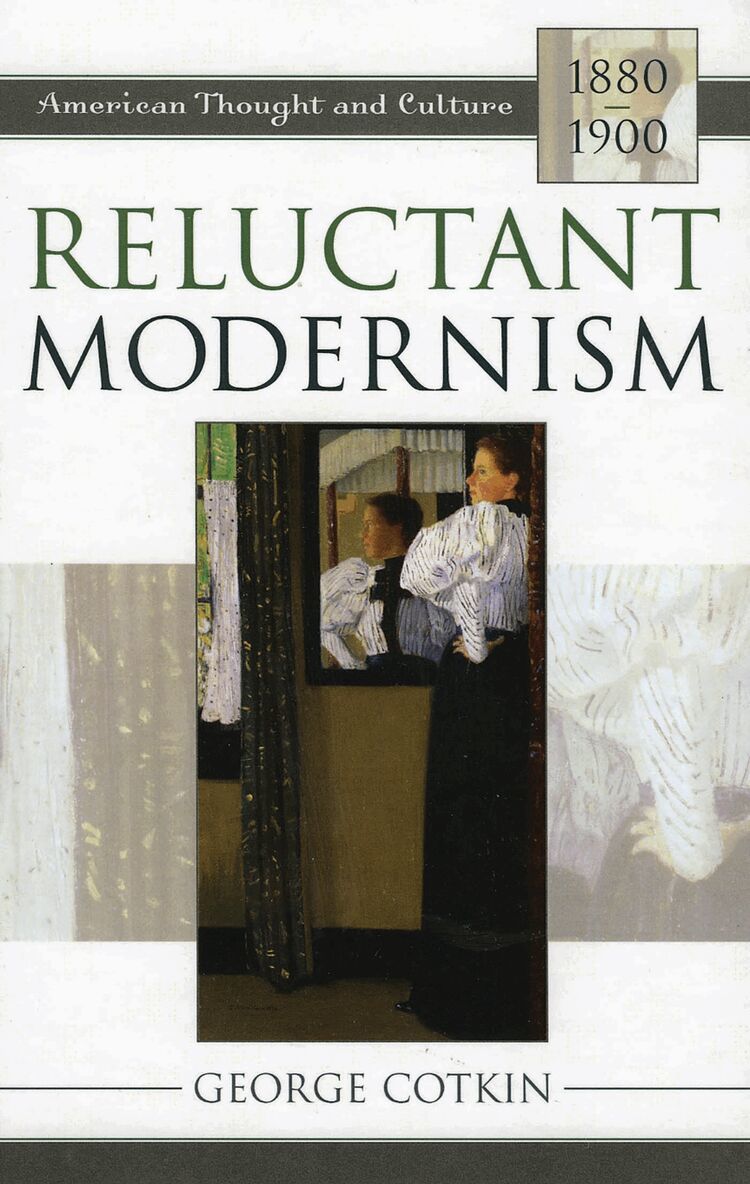
In the last two decades of the nineteenth century, Americans were faced with the challenges and uncertainties of a new era. The comfortable Victorian values of continuity, progress, and order clashed with the unsettling modern notions of constant change, relative truth, and chaos. Attempting to embrace the intellectual challenges of modernism, American thinkers of the day were yet reluctant to welcome the wholesale rejection of the past and destruction of traditional values. In Reluctant Modernism: American Thought and Culture, 1880–1900, George Cotkin surveys the intellectual life of this crucial transitional period. His story begins with the Darwinian controversies, since the mainstream of American culture was just beginning to come to grips with the implications of the Origins of Species, published in 1859. Cotkin demonstrates the effects of this shift in thinking on philosophy, anthropology, and the newly developing field of psychology. Drawing on his extensive knowledge of these fields, he explains clearly and concisely the essential tenets of such major thinkers and writers as William James, Franz Boas, Charlotte Perkins Gilman, Henry Adams, and Kate Chopin. Throughout this fascinating, readable history of the American fin de siècle run the contrasting themes of continuity and change, faith and rationalism, despair over the meaninglessness of life and, ultimately, a guarded optimism about the future.
1 619 kr
Skickas inom 10-15 vardagar
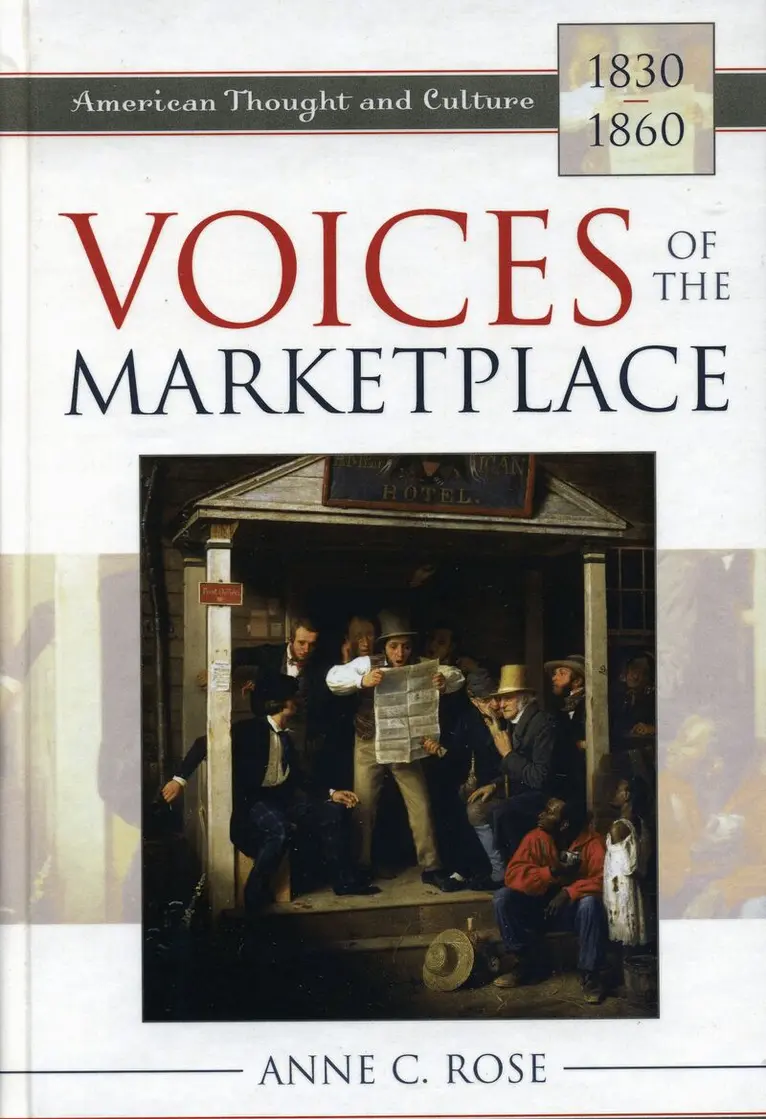
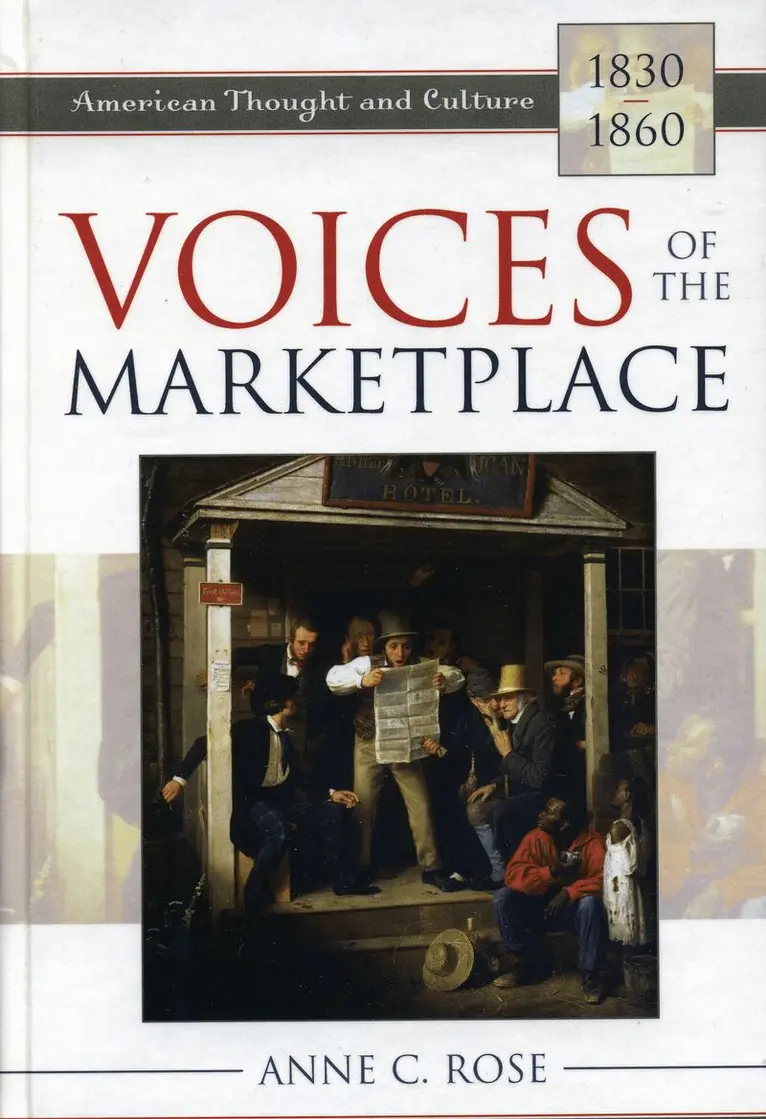
The three decades before the Civil War have long been recognized as a time of crucial change in American society. In this comprehensive and insightful reinterpretation of antebellum culture, Anne C. Rose analyzes the major shifts in intellectual life that occurred between 1830 and 1860 while exploring three sets of concepts that provided common languages_Christianity, democracy, capitalism. Whereas many interpretations of American culture in this period have emphasized a single theme or have been preoccupied with the ensuing Civil War, Rose considers sharply divergent tendencies in religion and politics and a wide range of reformers, authors, and other public figures. She contends that although the key characteristic of the society in which Americans explored their ideas was openness, the freedom and creativity of antebellum thought depended on conditions of cultural security. Including works by African Americans, Irish Americans, Native Americans, and Jewish Americans that have seldom been seen in relation to the era's more famous masterpieces, Voices of the Marketplace provides a clearer portrait of antebellum America.
892 kr
Skickas inom 5-8 vardagar
The three decades before the Civil War have long been recognized as a time of crucial change in American society. In this comprehensive and insightful reinterpretation of antebellum culture, Anne C. Rose analyzes the major shifts in intellectual life that occurred between 1830 and 1860 while exploring three sets of concepts that provided common languages_Christianity, democracy, capitalism. Whereas many interpretations of American culture in this period have emphasized a single theme or have been preoccupied with the ensuing Civil War, Rose considers sharply divergent tendencies in religion and politics and a wide range of reformers, authors, and other public figures. She contends that although the key characteristic of the society in which Americans explored their ideas was openness, the freedom and creativity of antebellum thought depended on conditions of cultural security. Including works by African Americans, Irish Americans, Native Americans, and Jewish Americans that have seldom been seen in relation to the era's more famous masterpieces, Voices of the Marketplace provides a clearer portrait of antebellum America.
1 770 kr
Skickas inom 5-8 vardagar
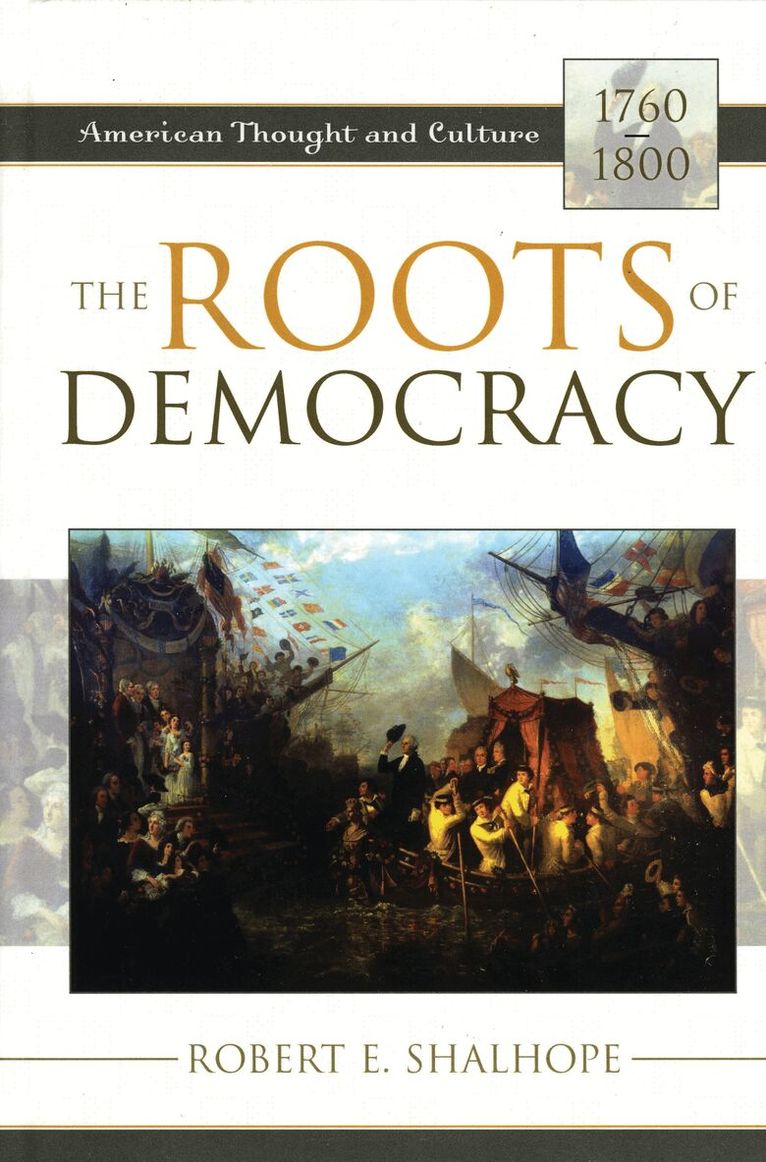
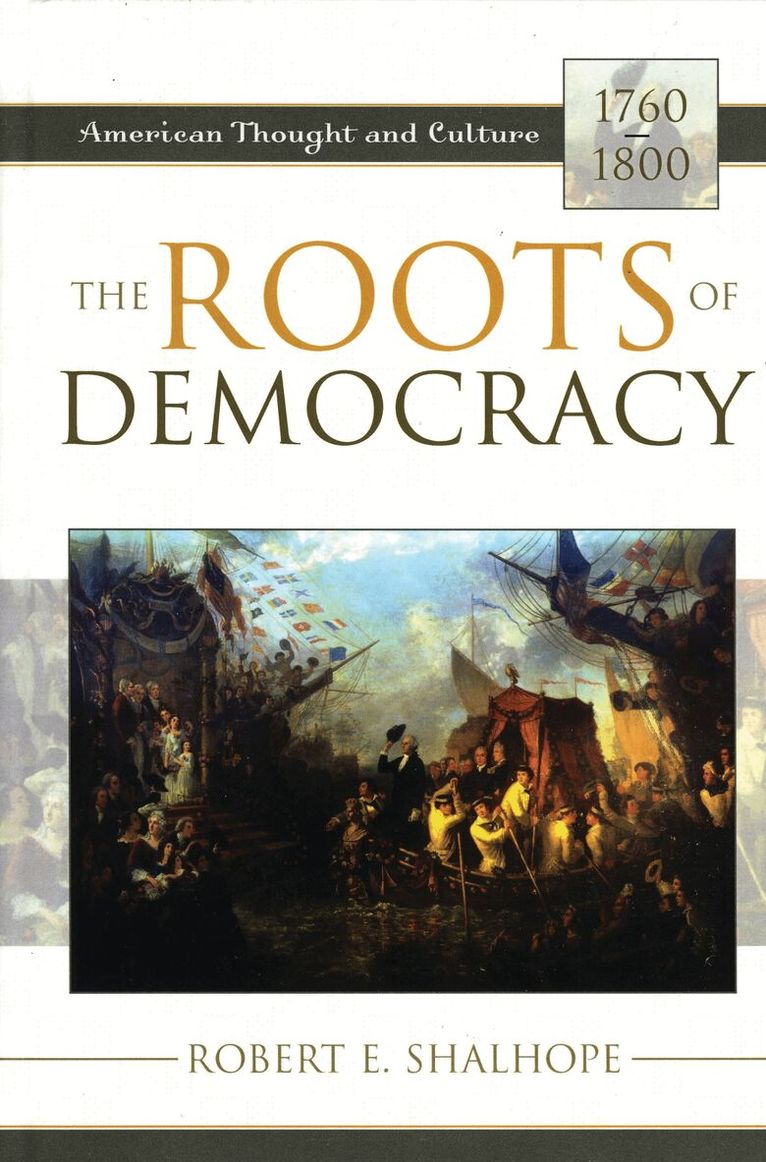
The last half of the eighteenth century was a period of enormous cultural and intellectual ferment in America-an era of fundamental transformation in law, politics, and religion, as well as deep changes in the American social order. At the center of the turmoil was the American Revolution, an event with roots reaching far back into the colonial period and effects extending well into the nineteenth century. In The Roots of Democracy: American Thought and Culture, 1760-1800 Robert E. Shalhope traces the dramatic shifts in attitudes and behavior from before the Revolution, through the war itself, the creation of republican governments, and the conflicts of the 1790s. This outstanding synthesis addresses a number of recurrent themes in American cultural history, including the persistence of conflict between democratic impulses and elitist tendencies-a conflict that has resurfaced in our own time. Anyone seeking to understand American political thought will find this straightforward and provocative book a useful entry into the subject and will come away with a deeper awareness of the origins and meaning of American democracy. The Roots of Democracy is an outstanding synthesis that provides provocative insights into a vital time in which the forces that formed modern American democracy took shape.
685 kr
Skickas inom 5-8 vardagar
The last half of the eighteenth century was a period of enormous cultural and intellectual ferment in America-an era of fundamental transformation in law, politics, and religion, as well as deep changes in the American social order. At the center of the turmoil was the American Revolution, an event with roots reaching far back into the colonial period and effects extending well into the nineteenth century. In The Roots of Democracy: American Thought and Culture, 1760-1800 Robert E. Shalhope traces the dramatic shifts in attitudes and behavior from before the Revolution, through the war itself, the creation of republican governments, and the conflicts of the 1790s. This outstanding synthesis addresses a number of recurrent themes in American cultural history, including the persistence of conflict between democratic impulses and elitist tendencies-a conflict that has resurfaced in our own time. Anyone seeking to understand American political thought will find this straightforward and provocative book a useful entry into the subject and will come away with a deeper awareness of the origins and meaning of American democracy. The Roots of Democracy is an outstanding synthesis that provides provocative insights into a vital time in which the forces that formed modern American democracy took shape.
1 754 kr
Skickas inom 10-15 vardagar
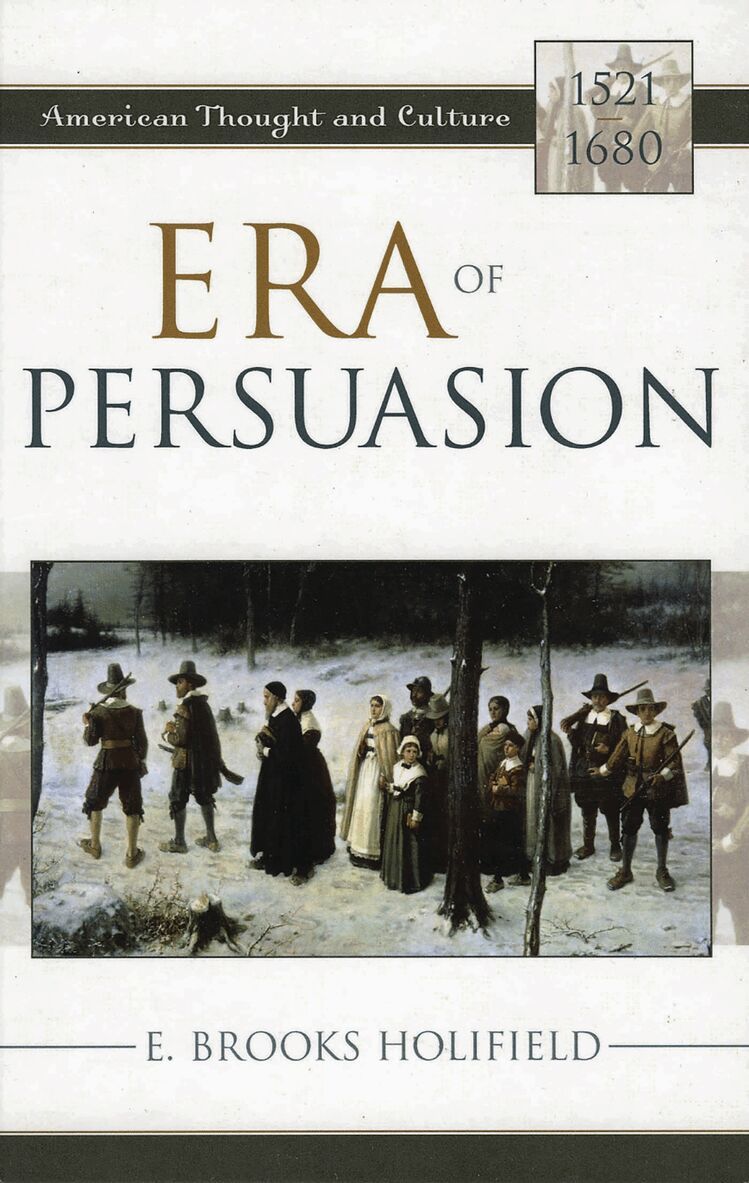
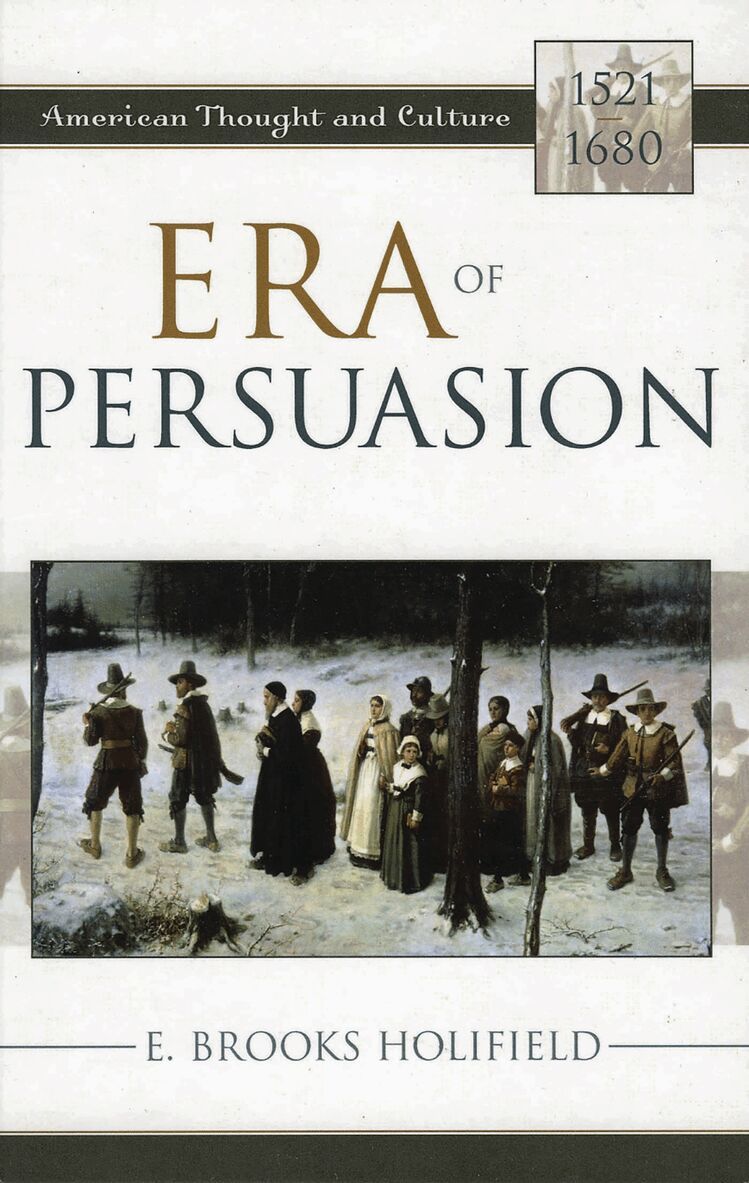
Pre-eighteenth century America was a uniquely pragmatic, utopian society—a new world in which the expectations of a new beginning brought by explorers, traders, and settlers often conflicted violently the Native Americans they encountered. In Era of Persuasion: American Thought and Culture 1521–1680, E. Brooks Holifield identifies the act of persuasion as the common ground on which these disparate groups stood. As he clearly documents and persuasively interprets an America that some readers may not recognize, Holifield includes compelling insights into the social expressions of Native Americans and Africans as well as Europeans. His view extends from the pueblos of New Mexico and the missions of France to the plantations of Virginia and the towns of New England. Era of Persuasion portrays an early American society populated by passionate visionaries with urgently persuasive purposes who lived by applied philosophy and inspired action, and will be appreciated by the curious reader and avid historian alike.
599 kr
Skickas inom 10-15 vardagar
Pre-eighteenth century America was a uniquely pragmatic, utopian society—a new world in which the expectations of a new beginning brought by explorers, traders, and settlers often conflicted violently the Native Americans they encountered. In Era of Persuasion: American Thought and Culture 1521–1680, E. Brooks Holifield identifies the act of persuasion as the common ground on which these disparate groups stood. As he clearly documents and persuasively interprets an America that some readers may not recognize, Holifield includes compelling insights into the social expressions of Native Americans and Africans as well as Europeans. His view extends from the pueblos of New Mexico and the missions of France to the plantations of Virginia and the towns of New England. Era of Persuasion portrays an early American society populated by passionate visionaries with urgently persuasive purposes who lived by applied philosophy and inspired action, and will be appreciated by the curious reader and avid historian alike.
695 kr
Skickas inom 10-15 vardagar
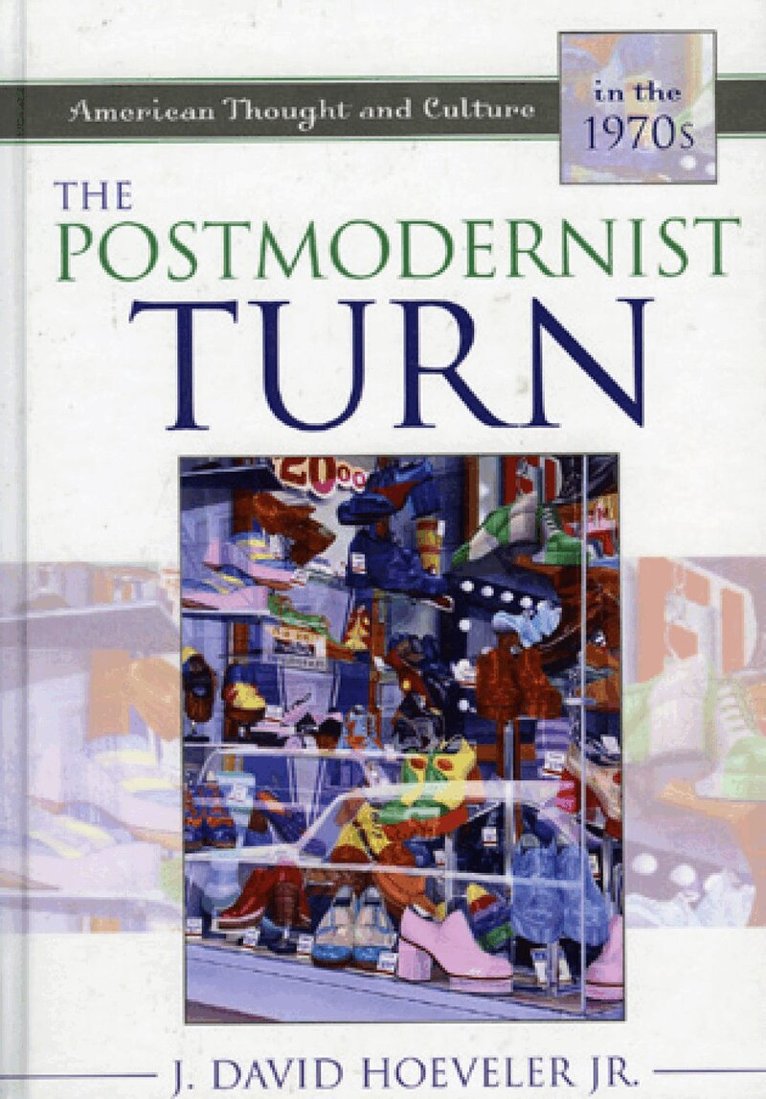
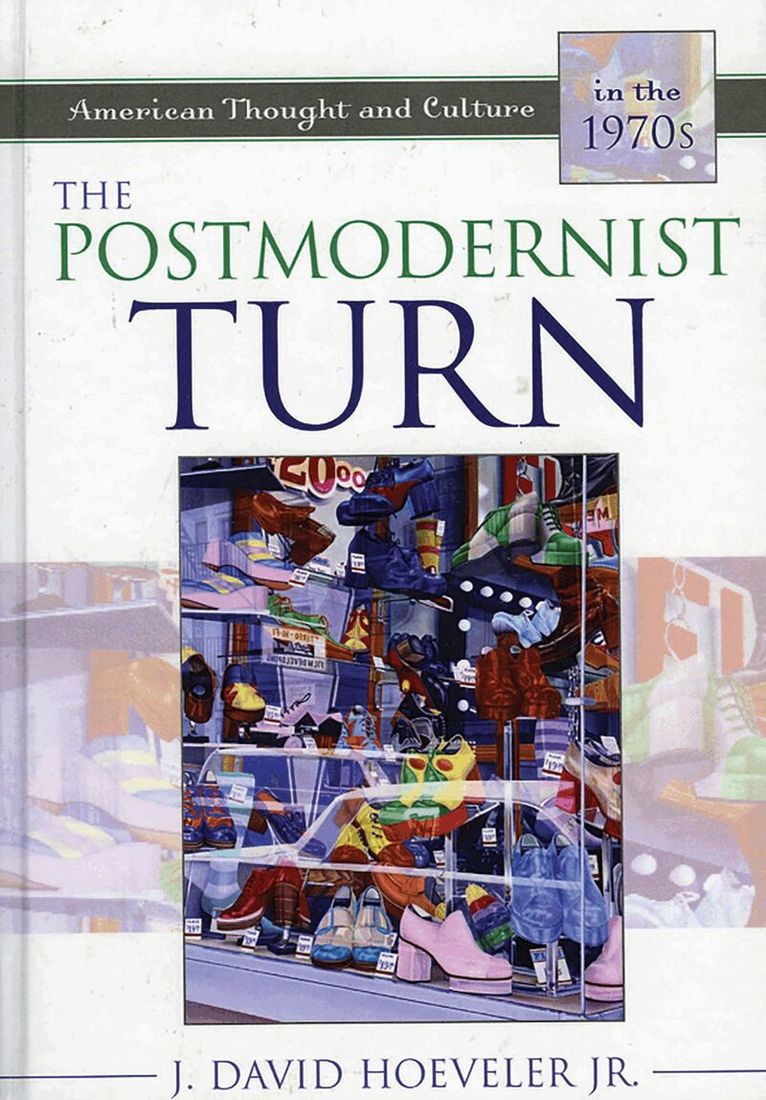
During the 1970s, the United States became the world's preeminent postindustrial society. The new conditions changed the way Americans lived and worked, and even their perceptions of reality. Americans struggled to find their place in a world where symbol became more important than fact, appearance more important than reality, where image supplanted essence.In this reassessment of a little studied decade, J. David Hoeveler, Jr., finds that the sense of detachment and dislocation that characterizes the postindustrial society serves as a paradigm for American thought and culture in the 1970s. The book examines major developments in literary theory, philosophy, architecture, and painting as expressions of a 1970s consciousness. Hoeveler also explores the rival "political" readings of these subjects and considers the postmodernist phenomenon as it became an ideological battleground in the decade. Clear and engaging, the work will be of great interest to historians, theorists, and everyone who wants to further explore the 1970s.
World Turned Inside Out
American Thought and Culture at the End of the 20th Century
Inbunden, Engelska, 2009
972 kr
Skickas inom 5-8 vardagar
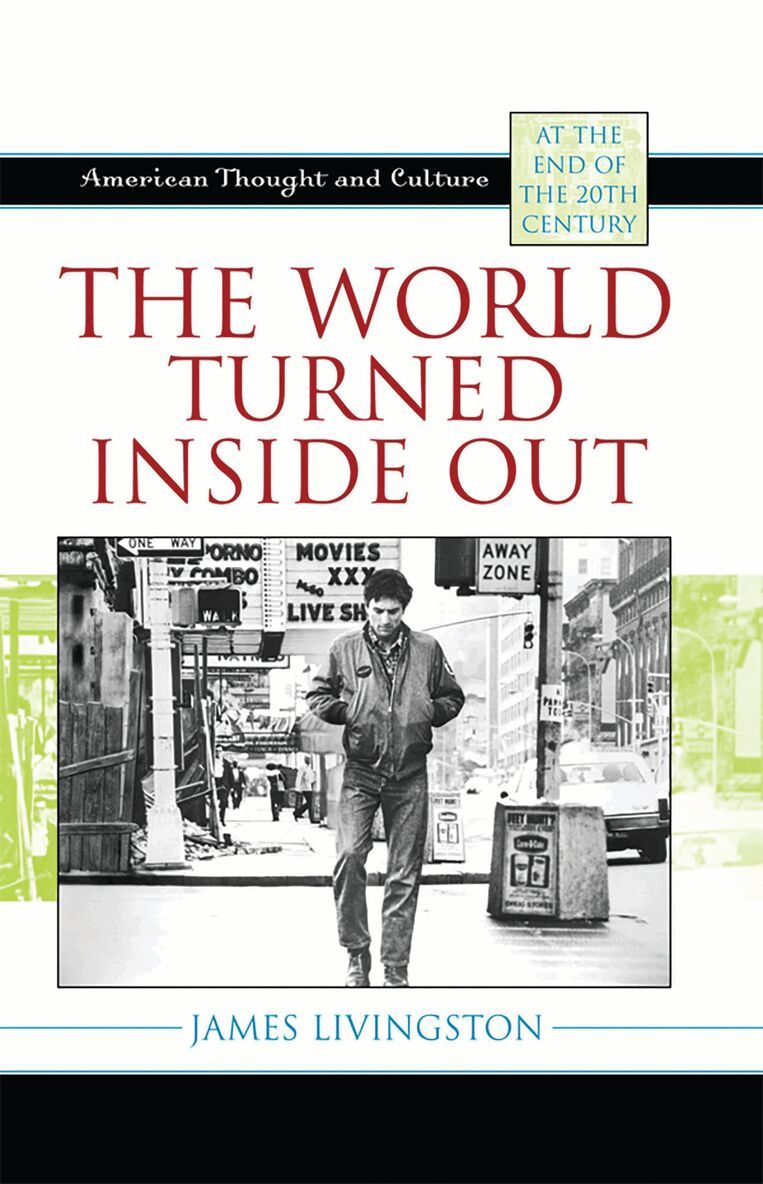
The World Turned Inside Out explores American thought and culture in the formative moment of the late twentieth century in the aftermath of the fabled Sixties. The overall argument here is that the tendencies and sensibilities we associate with that earlier moment of upheaval decisively shaped intellectual agendas and cultural practices—from the all-volunteer Army to the cartoon politics of Disney movies—in the 1980s and 90s. By this accounting, the so-called Reagan Revolution was not only, or even mainly, a conservative event. By the same accounting, the Left, having seized the commanding heights of higher education, was never in danger of losing the so-called culture wars. At the end of the twentieth century, the argument goes, the United States was much less conservative than it had been in 1975. The book takes supply-side economics and South Park equally seriously. It treats Freddy Krueger, Buffy the Vampire Slayer, and Ronald Reagan as comparable cultural icons.
World Turned Inside Out
American Thought and Culture at the End of the 20th Century
Häftad, Engelska, 2011
589 kr
Skickas inom 5-8 vardagar
The World Turned Inside Out explores American thought and culture in the formative moment of the late twentieth century in the aftermath of the fabled Sixties. The overall argument here is that the tendencies and sensibilities we associate with that earlier moment of upheaval decisively shaped intellectual agendas and cultural practices—from the all-volunteer Army to the cartoon politics of Disney movies—in the 1980s and 90s. By this accounting, the so-called Reagan Revolution was not only, or even mainly, a conservative event. By the same accounting, the Left, having seized the commanding heights of higher education, was never in danger of losing the so-called culture wars. At the end of the twentieth century, the argument goes, the United States was much less conservative than it had been in 1975. The book takes supply-side economics and South Park equally seriously. It treats Freddy Krueger, Buffy the Vampire Slayer, and Ronald Reagan as comparable cultural icons.
2 089 kr
Skickas inom 5-8 vardagar
During the 1970s, the United States became the world's preeminent postindustrial society. The new conditions changed the way Americans lived and worked, and even their perceptions of reality. Americans struggled to find their place in a world where symbol became more important than fact, appearance more important than reality, where image supplanted essence.In this reassessment of a little studied decade, J. David Hoeveler, Jr., finds that the sense of detachment and dislocation that characterizes the postindustrial society serves as a paradigm for American thought and culture in the 1970s. The book examines major developments in literary theory, philosophy, architecture, and painting as expressions of a 1970s consciousness. Hoeveler also explores the rival "political" readings of these subjects and considers the postmodernist phenomenon as it became an ideological battleground in the decade. Clear and engaging, the work will be of great interest to historians, theorists, and everyone who wants to further explore the 1970s.
502 kr
Skickas inom 10-15 vardagar
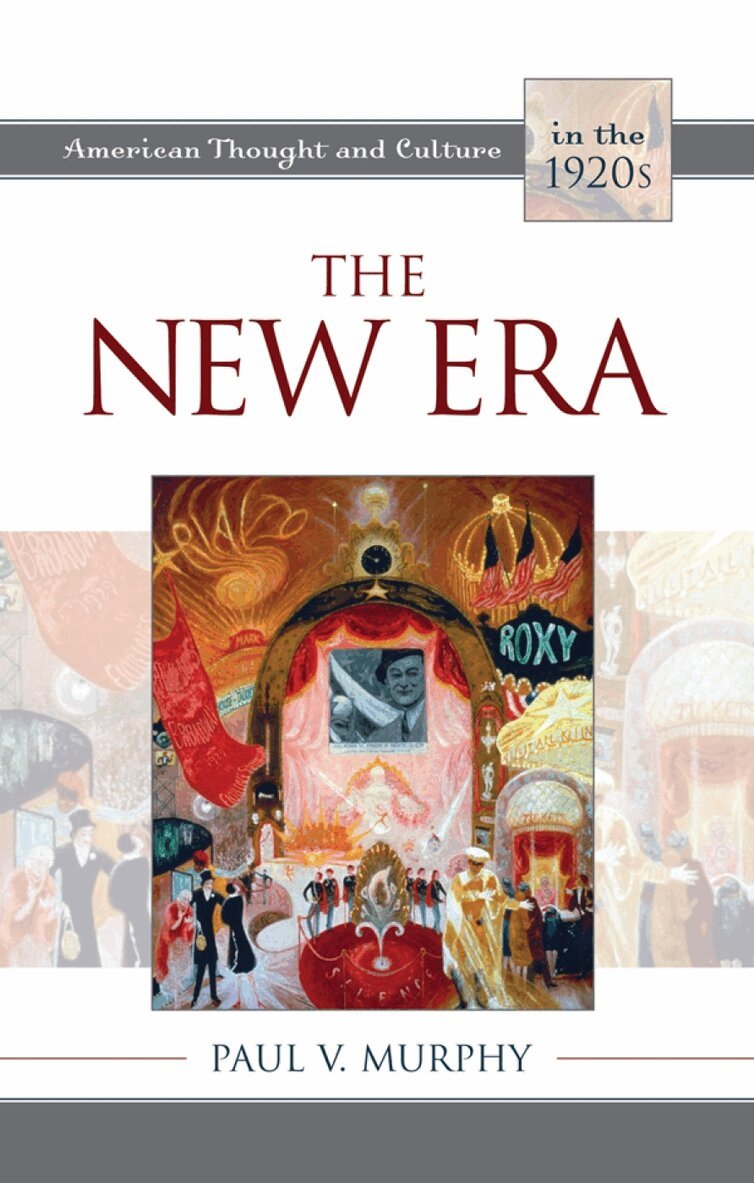
In the 1920s, Americans talked of their times as “modern,” which is to say, fundamentally different, in pace and texture, from what went before—a new era. With the end of World War I, an array of dizzying inventions and trends pushed American society from the Victorian era into modernity.The New Era provides a history of American thought and culture in the 1920s through the eyes of American intellectuals determined to move beyond an older role as gatekeepers of cultural respectability and become tribunes of openness, experimentation, and tolerance instead. Recognizing the gap between themselves and the mainstream public, younger critics alternated between expressions of disgust at American conformity and optimistic pronouncements of cultural reconstruction. The book tracks the emergence of a new generation of intellectuals who made culture the essential terrain of social and political action and who framed a new set of arguments and debates—over women’s roles, sex, mass culture, the national character, ethnic identity, race, democracy, religion, and values—that would define American public life for fifty years.
1 383 kr
Skickas inom 10-15 vardagar
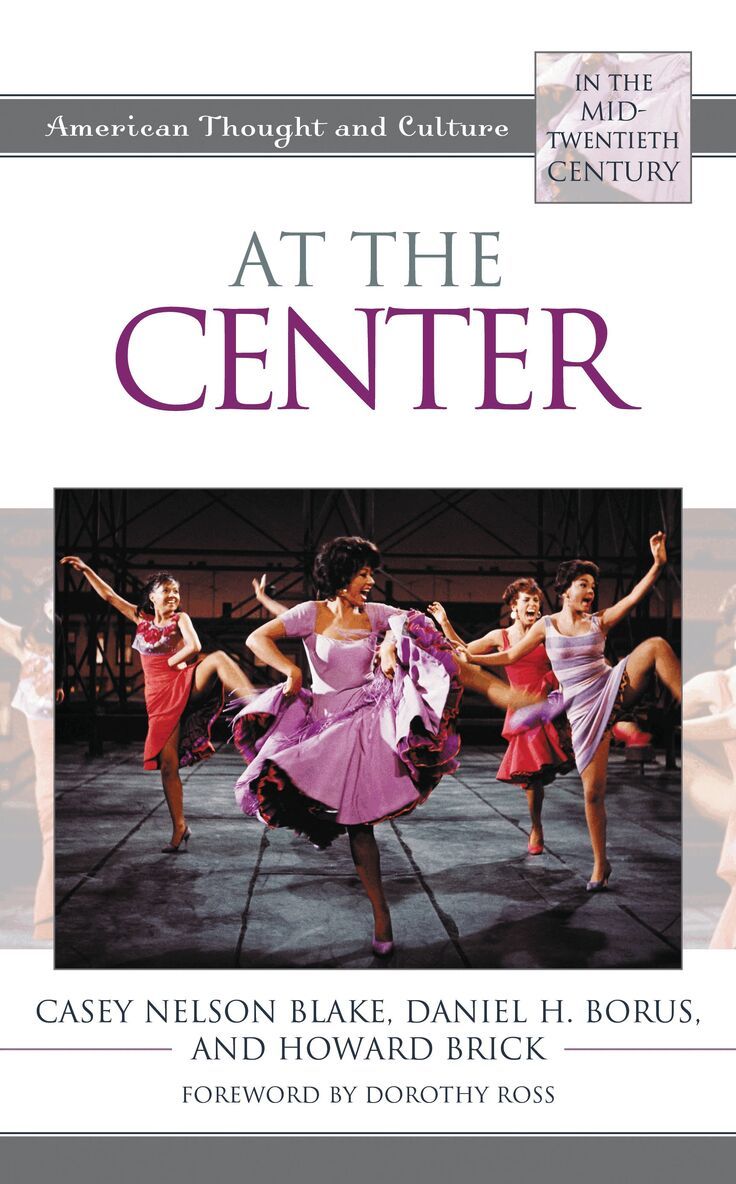
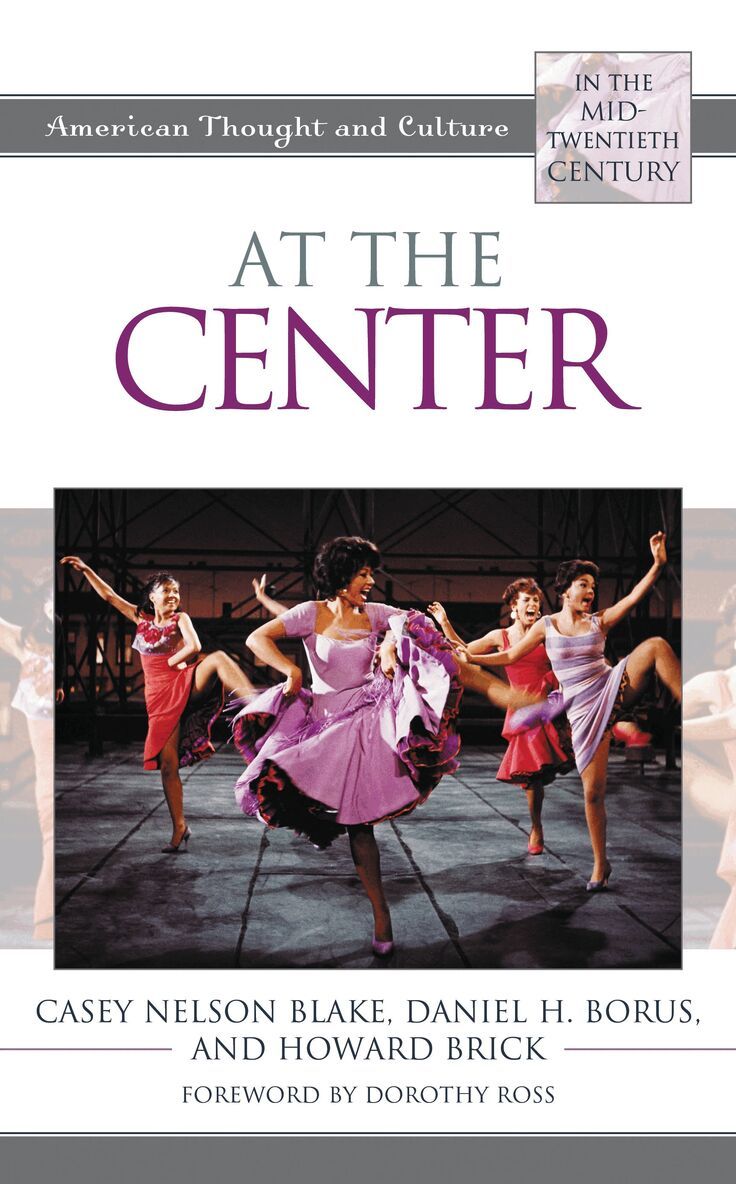
At a time when American political and cultural leaders asserted that the nation stood at “the center of world awareness,” thinkers and artists sought to understand and secure principles that lay at the center of things. From the onset of the Cold War in 1948 through 1963, they asked: What defined the essential character of “American culture”? Could permanent moral standards guide human conduct amid the flux and horrors of history? In what ways did a stable self emerge through the life cycle? Could scientific method rescue truth from error, illusion, and myth? Are there key elements to democracy, to the integrity of a society, to order in the world? Answers to such questions promised intellectual and moral stability in an age haunted by the memory of world war and the possibility of future devastation on an even greater scale. Yet other key figures rejected the search for a center, asserting that freedom lay in the dispersion of cultural energies and the plurality of American experiences. In probing the centering impulse of the era, At the Center offers a unique perspective on the United States at the pinnacle of its power.
544 kr
Skickas inom 10-15 vardagar
At a time when American political and cultural leaders asserted that the nation stood at “the center of world awareness,” thinkers and artists sought to understand and secure principles that lay at the center of things. From the onset of the Cold War in 1948 through 1963, they asked: What defined the essential character of “American culture”? Could permanent moral standards guide human conduct amid the flux and horrors of history? In what ways did a stable self emerge through the life cycle? Could scientific method rescue truth from error, illusion, and myth? Are there key elements to democracy, to the integrity of a society, to order in the world? Answers to such questions promised intellectual and moral stability in an age haunted by the memory of world war and the possibility of future devastation on an even greater scale. Yet other key figures rejected the search for a center, asserting that freedom lay in the dispersion of cultural energies and the plurality of American experiences. In probing the centering impulse of the era, At the Center offers a unique perspective on the United States at the pinnacle of its power.