Ancient languages - Böcker
Visar alla böcker i serien Ancient languages. Handla med fri frakt och snabb leverans.
3 produkter
3 produkter
133 kr
Skickas inom 7-10 vardagar
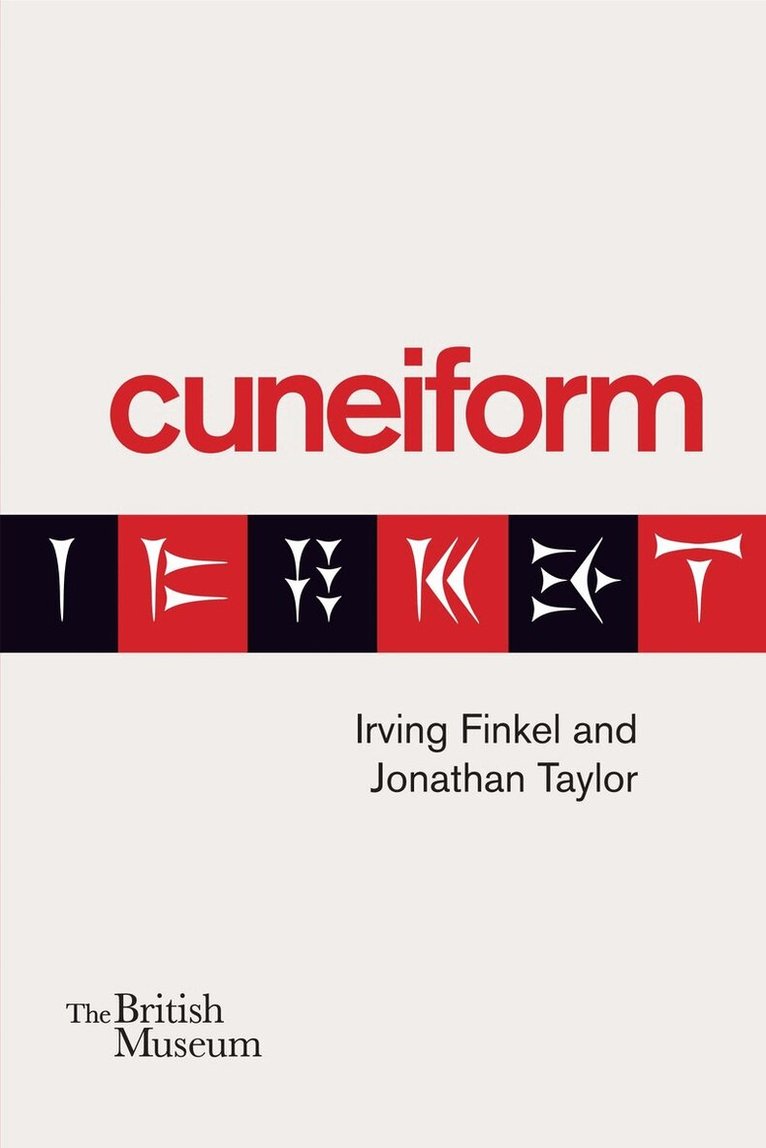
Cuneiform script on tablets of clay is, as far as we know, the oldest form of writing in the world. The choice of clay as writing medium in ancient Mesopotamia meant that records of all kinds could survive down to modern times, preserving fascinating documents from ancient civilization, written by a variety of people and societies. From reading these tablets we can understand not only the history and economics of the time but also the beliefs, ideas and superstitions. This fascinating book will bring the world in which the cuneiform was written to life for the non-expert reader, revealing how ancient inscriptions can lead to a new way of thinking about the past. It will explain how this pre-alphabetic writing really worked and how it was possible to use cuneiform signs to record so many different languages so long ago. Richly illustrated with a wealth of fresh examples ranging from elementary school exercises to revealing private letters or beautifully calligraphic literature for the royal library, we will meet people that aren’t so very different from ourselves. We will read the work of many scribes – from mundane record keepers to state fortune tellers, using tricks from puns to cryptography. For the first time cuneiform tablets and their messages are not remote and inaccessible, but wonderfully human documents that resonate today.
128 kr
Skickas inom 7-10 vardagar
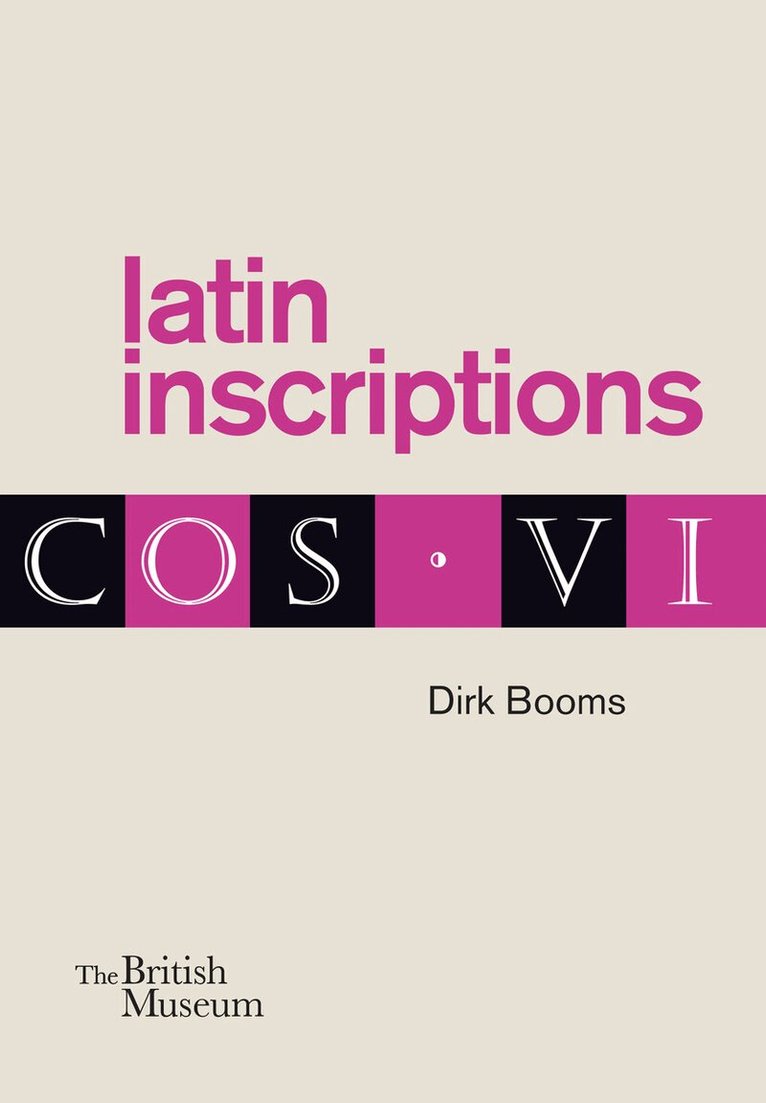
Latin inscriptions can appear daunting – a jumble of letters without any structure or meaning. However, once you know how, most are easy to read as they follow strict rules of grammar and abbreviation. This book will teach readers how to ‘decipher’ them and will highlight how even the smallest piece of information that an inscription may provide can help classicists and archaeologists to reconstruct the daily life of ordinary Romans. While surviving literature often only relates to the lives of the elite (who could afford books), inscriptions were texts used by all and meant to be seen by all. Thus, they shed light on the lives of those classes of people less visible in the archaeological record – the poor, slaves and women. Illustrated with the best examples of inscriptions from the British Museum’s Roman collection, this book will explore the meaning of putting up public inscriptions and the standardised system of abbreviation that was used to ensure Romans from all areas of the Empire could read them. Written in the simple everyday-life Latin, they also reflect linguistic changes within society, allowing the modern day scholar to uncover the introduction of slang words and new spellings of Latin words. We may also stumble across spelling mistakes, for not everyone knew how to write Latin fluently, and often we find that words had been written phonetically. If the text of the inscriptions can give us one part of the information, often the style of decoration around the inscription, the accompanying images, or the original location can tell us even more. Every aspect of an inscribed monument was carefully chosen by the person commissioning the inscription, and thus carried specific meaning, and so combined with the texts of the inscriptions, it is possible to reconstruct pieces of the lives of everyday Romans that were thought most valuable to be remembered.
100 kr
Skickas inom 7-10 vardagar
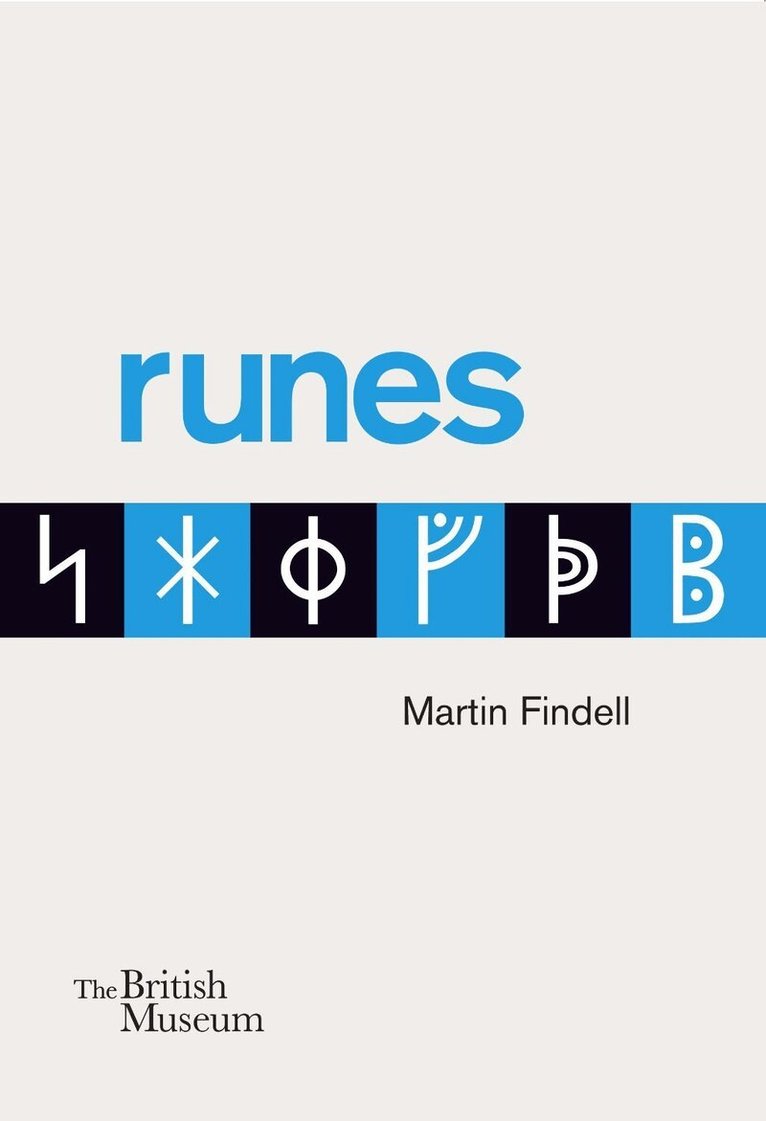
From late antiquity through to the early middle ages, people across north-western Europe were inscribing runes on a range of different objects. Once identified and interpreted by experts, runes provide us with invaluable evidence for the early ‘Germanic’ languages – including English, Dutch, German and the Scandinavian languages – and reveal a wealth of information about our early civilisations. Runes employ many techniques from informal scratchings to sophisticated inlaid designs on weapons, or the exquisite relief carvings of the Franks Casket. The task of reading and understanding them involves a good deal of detective-work, calling on expertise from a number of academic disciplines: archaeology, art history, linguistics, and even forensic science. This book tells the story of runes from their mysterious origins, their development as a script, to their use and meaning in the modern world. Illustrated with a range of beautiful objects from jewellery to tools and weapons, Runes will reveal memorials for the dead, business messages, charms and curses, insults and prayers, giving us a glimpse into the languages and cultures of Europeans over a thousand years ago.