Dirk Booms - Böcker
Visar alla böcker från författaren Dirk Booms. Handla med fri frakt och snabb leverans.
2 produkter
2 produkter
128 kr
Skickas inom 7-10 vardagar
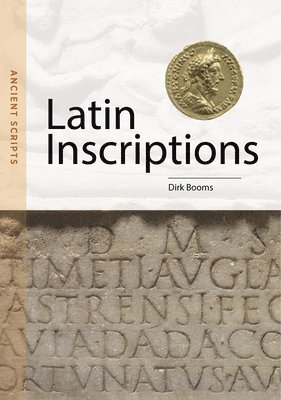
Latin inscriptions can appear daunting – a jumble of letters without any structure or meaning. However, once you know how, most are easy to read as they follow strict rules of grammar and abbreviation. This book will teach readers how to ‘decipher’ them and will highlight how even the smallest piece of information that an inscription may provide can help classicists and archaeologists to reconstruct the daily life of ordinary Romans. While surviving literature often only relates to the lives of the elite (who could afford books), inscriptions were texts used by all and meant to be seen by all. Thus, they shed light on the lives of those classes of people less visible in the archaeological record – the poor, slaves and women. Illustrated with the best examples of inscriptions from the British Museum’s Roman collection, this book will explore the meaning of putting up public inscriptions and the standardised system of abbreviation that was used to ensure Romans from all areas of the Empire could read them. Written in the simple everyday-life Latin, they also reflect linguistic changes within society, allowing the modern day scholar to uncover the introduction of slang words and new spellings of Latin words. We may also stumble across spelling mistakes, for not everyone knew how to write Latin fluently, and often we find that words had been written phonetically. If the text of the inscriptions can give us one part of the information, often the style of decoration around the inscription, the accompanying images, or the original location can tell us even more. Every aspect of an inscribed monument was carefully chosen by the person commissioning the inscription, and thus carried specific meaning, and so combined with the texts of the inscriptions, it is possible to reconstruct pieces of the lives of everyday Romans that were thought most valuable to be remembered.
287 kr
Skickas inom 7-10 vardagar
Sicily’s central location and natural resources have meant that various peoples have sought to conquer, control and settle on the island throughout its 3000-year history. Its Italian identity, with which we are familiar today, emerges only comparatively recently. It was under the rule of the ancient Greeks and medieval Normans that Sicily really flourished – golden eras when it became a serious political player and one of the wealthiest and most culturally prosperous places in Europe. Through an engaging text, exploring themes such as art, architecture and culture, and a remarkable selection of objects, from monumental metopes and beautiful mosaics to reliquary pendants and chess pieces (many revealing a distinct Sicilian character and style), this book provides a visually stunning insight into the key periods of Sicily’s extraordinary past.