Articulations: Studies in Race, Immigration, and Capitalism – serie
Visar alla böcker i serien Articulations: Studies in Race, Immigration, and Capitalism. Handla med fri frakt och snabb leverans.
8 produkter
8 produkter
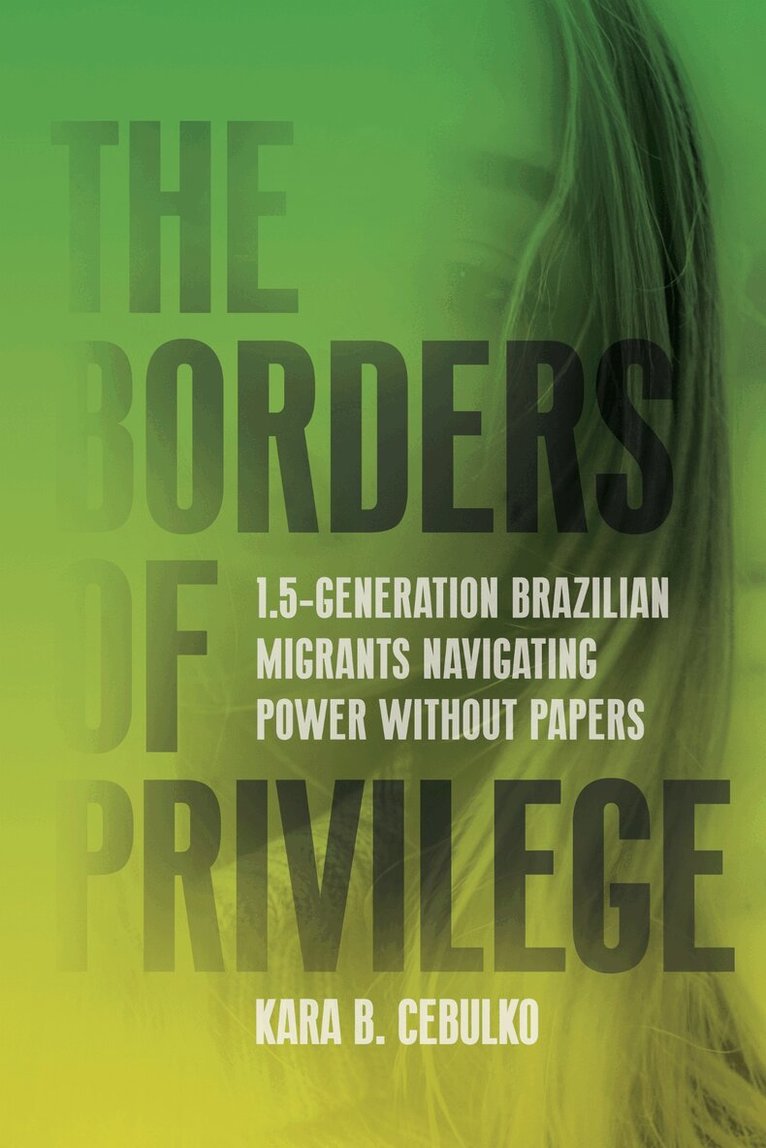
Borders of Privilege
1.5-Generation Brazilian Migrants Navigating Power Without Papers
Inbunden, Engelska, 2025
1 167 kr
Skickas inom 7-10 vardagar
Because whiteness is not a given for Brazilians in the U.S., some immigrants actively construct it as a protective mechanism against the stigma normally associated with illegality. In The Borders of Privilege, Kara Cebulko tells the stories of a group of 1.5-generation Brazilians to show how their ability to be perceived as white—their power without papers—shapes their everyday interactions. By strategically creating boundaries with other racialized groups, these immigrants navigate life-course rituals like college, work, and marriage without legal documentation. Few identify as white in the U.S., even as they benefit from the privileges of whiteness. The legal exclusion they feel as undocumented immigrants from Latin America makes them feel a world apart from their white citizen peers. However, their constructed whiteness benefits them when it comes to interactions with law enforcement and professional advancement, challenging narratives that frame legality as a "master-status." Understanding these experiences requires us to explore interlocking systems of power, including white supremacy and capitalism, as well as global histories of domination. Cebulko traces the experiences of her interviewees across various stages of life, applying a "power without paper" lens, and making the case for integrating this perspective into future scholarship, collective broad-based movements for social justice, and public policy.
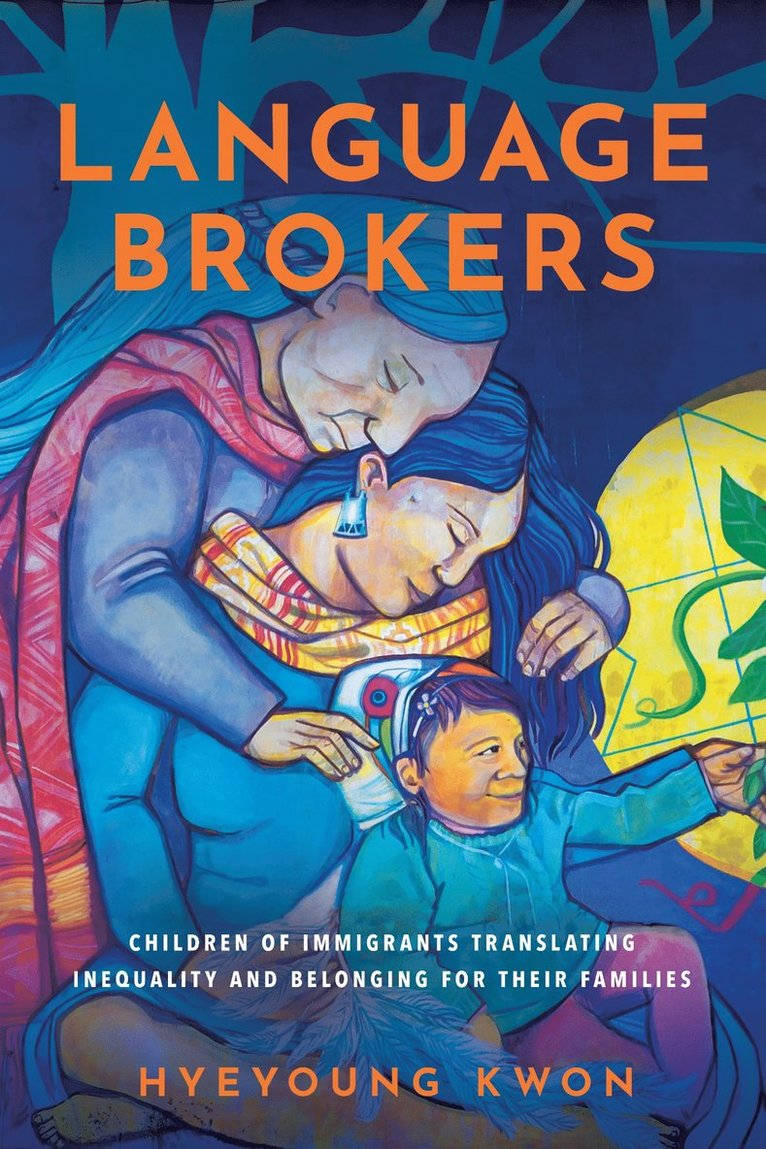
Language Brokers
Children of Immigrants Translating Inequality and Belonging for Their Families
Inbunden, Engelska, 2024
1 147 kr
Skickas inom 7-10 vardagar
In a nation lacking a comprehensive social safety net, people often scramble to find private solutions to structural problems. While existing scholarship primarily focuses on how adults, particularly mothers, navigate systematic gaps in social support, Language Brokers shifts our attention to bilingual children securing crucial resources for their families. Drawing upon interviews with working-class Mexican and Korean American language brokers, as well as healthcare providers, and months of participant observation in a Southern California police station, Hyeyoung Kwon reveals how children of immigrants translate more than simple verbal exchanges. Living at the intersection of multiple forms of inequality, these youth creatively use their in-between status to resolve structural problems to ensure their families' basic citizenship rights are upheld in interactions with teachers, social workers, landlords, doctors, and police officers. In an era of widespread racialized nativism, Language Brokers provides a critical examination of American culture, laying bare the contradictions between the ideals of equality and the exclusion of immigrants. Kwon underscores that dichotomous and racialized understandings of "deserving" and "undeserving" immigrants—which are embedded in everyday interactions and institutional practices—inform the routine ways in which immigrant youth attempt to cultivate belonging for their families.
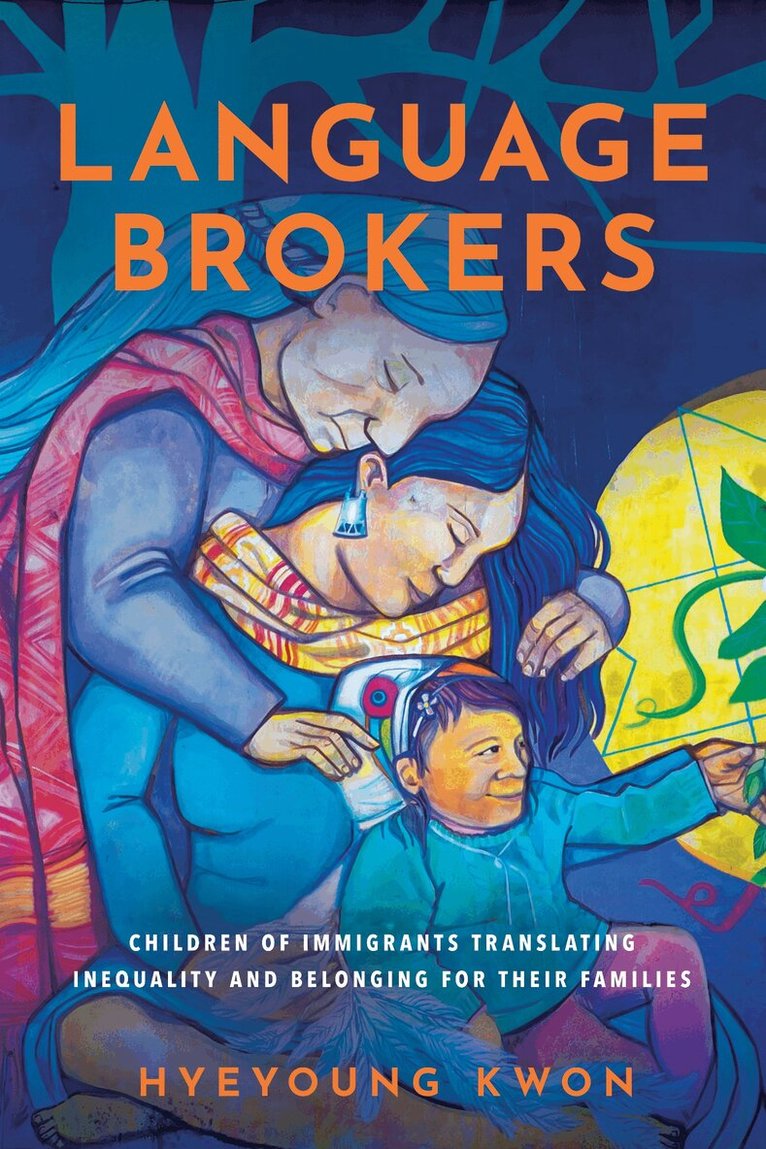
Language Brokers
Children of Immigrants Translating Inequality and Belonging for Their Families
Häftad, Engelska, 2024
279 kr
Skickas inom 7-10 vardagar
In a nation lacking a comprehensive social safety net, people often scramble to find private solutions to structural problems. While existing scholarship primarily focuses on how adults, particularly mothers, navigate systematic gaps in social support, Language Brokers shifts our attention to bilingual children securing crucial resources for their families. Drawing upon interviews with working-class Mexican and Korean American language brokers, as well as healthcare providers, and months of participant observation in a Southern California police station, Hyeyoung Kwon reveals how children of immigrants translate more than simple verbal exchanges. Living at the intersection of multiple forms of inequality, these youth creatively use their in-between status to resolve structural problems to ensure their families' basic citizenship rights are upheld in interactions with teachers, social workers, landlords, doctors, and police officers. In an era of widespread racialized nativism, Language Brokers provides a critical examination of American culture, laying bare the contradictions between the ideals of equality and the exclusion of immigrants. Kwon underscores that dichotomous and racialized understandings of "deserving" and "undeserving" immigrants—which are embedded in everyday interactions and institutional practices—inform the routine ways in which immigrant youth attempt to cultivate belonging for their families.
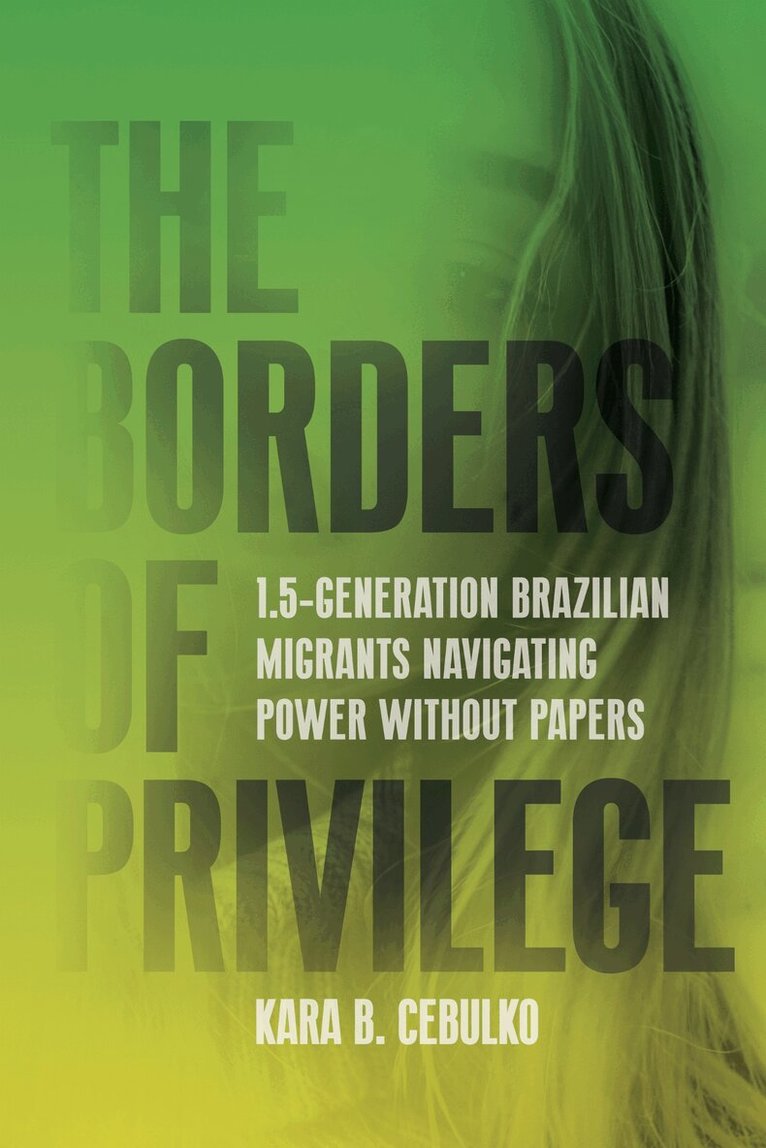
Borders of Privilege
1.5-Generation Brazilian Migrants Navigating Power Without Papers
Häftad, Engelska, 2025
271 kr
Skickas
Because whiteness is not a given for Brazilians in the U.S., some immigrants actively construct it as a protective mechanism against the stigma normally associated with illegality. In The Borders of Privilege, Kara Cebulko tells the stories of a group of 1.5-generation Brazilians to show how their ability to be perceived as white—their power without papers—shapes their everyday interactions. By strategically creating boundaries with other racialized groups, these immigrants navigate life-course rituals like college, work, and marriage without legal documentation. Few identify as white in the U.S., even as they benefit from the privileges of whiteness. The legal exclusion they feel as undocumented immigrants from Latin America makes them feel a world apart from their white citizen peers. However, their constructed whiteness benefits them when it comes to interactions with law enforcement and professional advancement, challenging narratives that frame legality as a "master-status." Understanding these experiences requires us to explore interlocking systems of power, including white supremacy and capitalism, as well as global histories of domination. Cebulko traces the experiences of her interviewees across various stages of life, applying a "power without paper" lens, and making the case for integrating this perspective into future scholarship, collective broad-based movements for social justice, and public policy.
1 025 kr
Skickas inom 7-10 vardagar
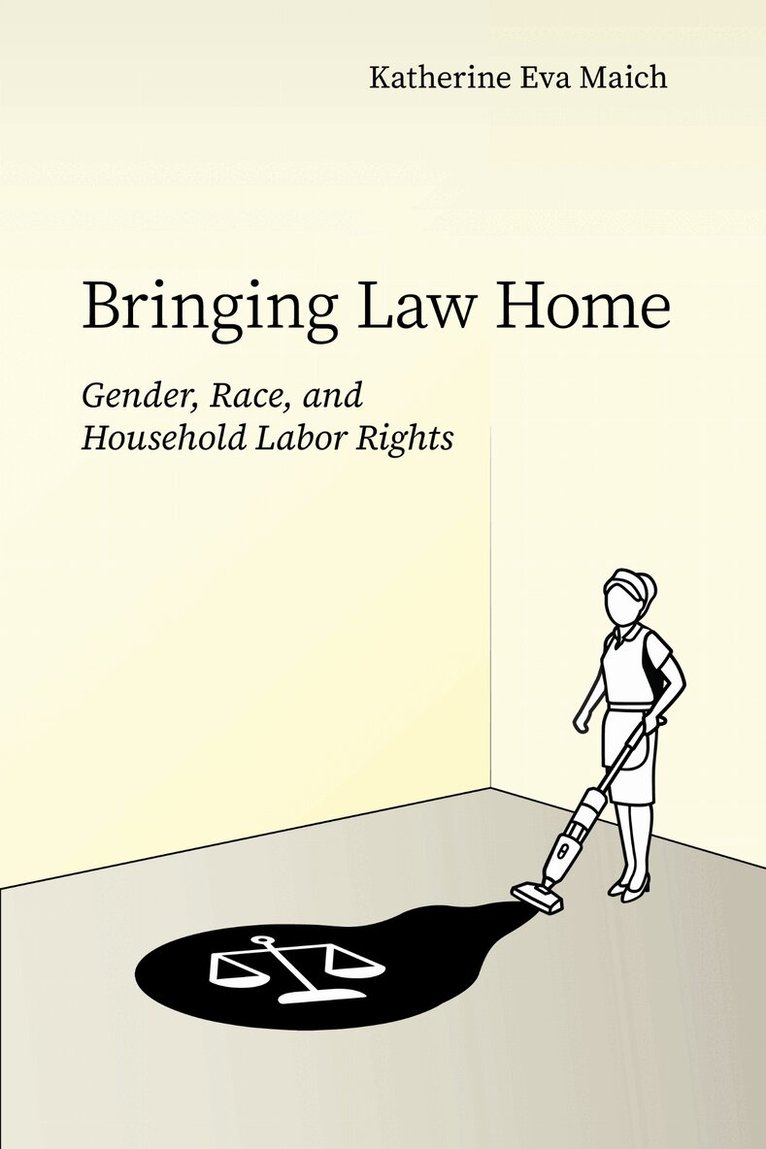
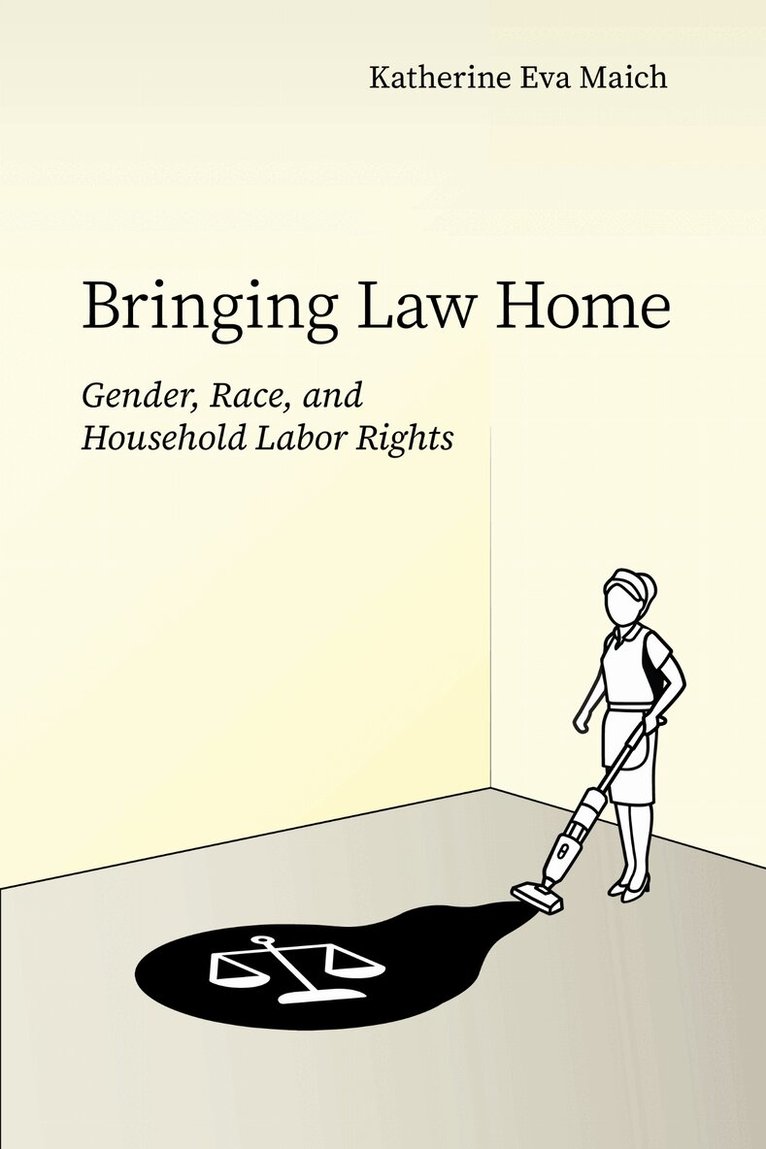
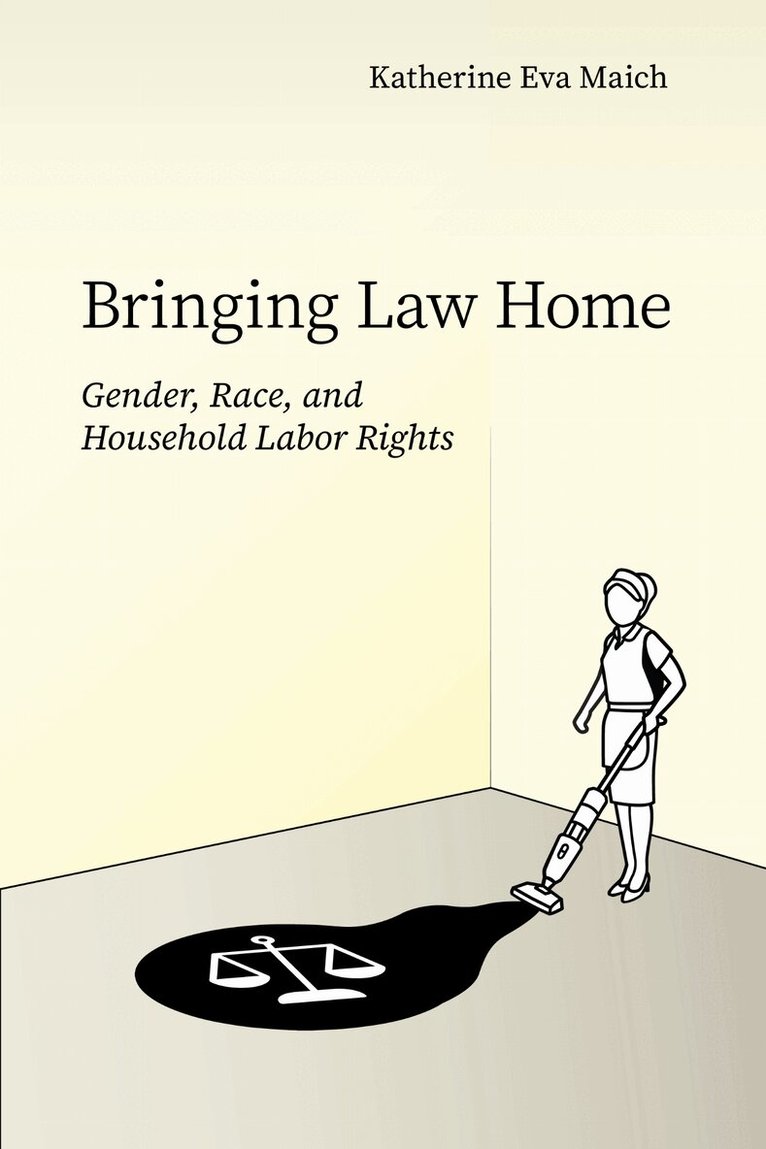
The personal nature of domestic labor, and its location in the privacy of the employer's home, means that domestic workers have long struggled for equitable and consistent labor rights. The dominant discourse regards the home as separate from work, so envisioning what its legal regulation would look like is remarkably challenging. In Bringing Law Home, Katherine Eva Maich offers a uniquely comparative and historical study of labor struggles for domestic workers in New York City and Lima, Peru. She argues that if the home is to be a place of work then it must also be captured in the legal infrastructures that regulate work. Yet, even progressive labor laws for domestic workers in each city are stifled by historically entrenched patterns of gendered racialization and labor informality. Peruvian law extends to household workers only half of the labor protections afforded to other occupations. In New York City, the law grants negligible protections and deliberately eschews language around immigration. Maich finds that coloniality is deeply embedded in contemporary relations of service, revealing important distinctions in how we understand power, domination, and inequality in the home and the workplace.
1 419 kr
Skickas inom 7-10 vardagar
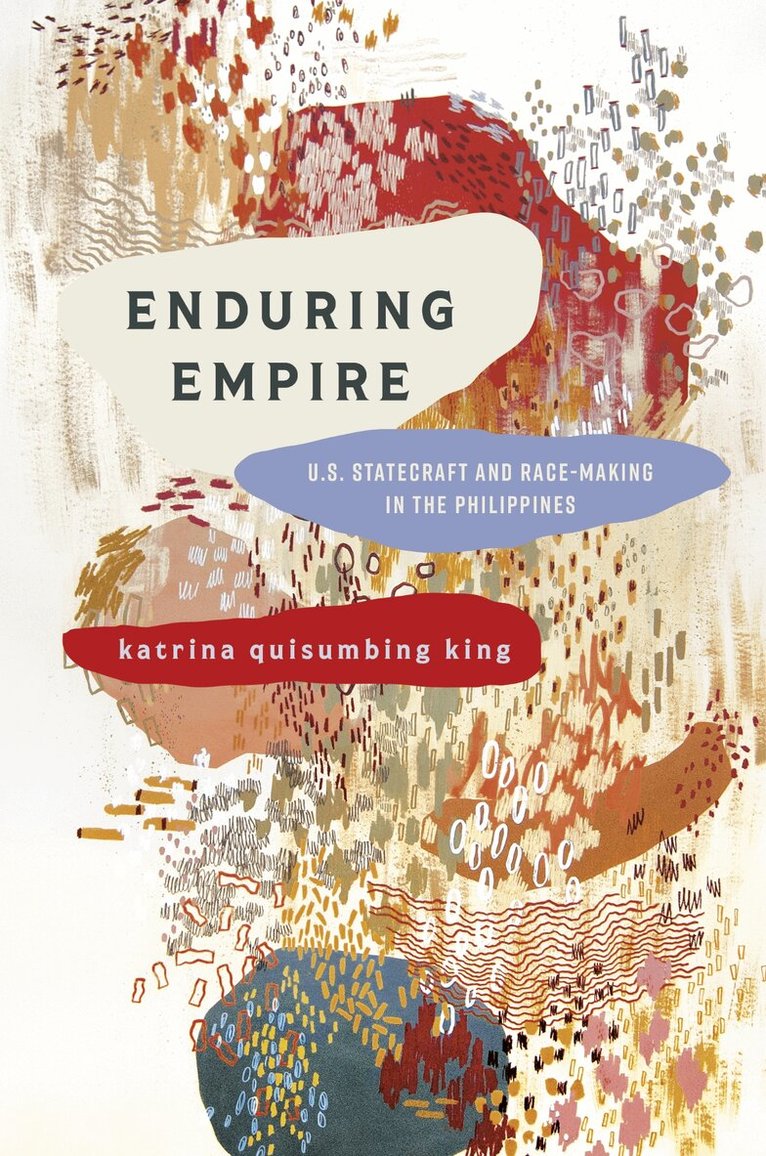
In 1898 the United States became a formal overseas empire and claimed sovereignty over the Philippine islands, justifying its rule in explicitly racial terms. Less than fifty years later, in 1946, Philippine independence was recognized by the United States, even as it continued to exert influence over the domestic and foreign affairs of the newly decolonized Republic. Despite some differences, U.S. control remained racial and imperial. Enduring Empire shows how U.S. federal state actors translated their ideas of race into state structures. Through innovating constitutional law, bureaucratic administration, and legislation, state actors built a durable and flexible system of racial-imperial rule that not only lasted beyond the period of formal empire but continues to this day. katrina quisumbing king traces debates among U.S. presidents, federal legislators, administrators, and justices about what kind of state the United States should be, the place of nonwhite people in the polity, and the best way to maintain U.S. white hegemony. In charting how state actors' positions—some nativist, isolationist, and protectionist and others expansionist, interventionist, and imperialist—evolved, quisumbing king identifies key moments when they cemented racial ideas into law and reshaped the terms of U.S. racial-imperial formation.
249 kr
Skickas inom 7-10 vardagar
The personal nature of domestic labor, and its location in the privacy of the employer's home, means that domestic workers have long struggled for equitable and consistent labor rights. The dominant discourse regards the home as separate from work, so envisioning what its legal regulation would look like is remarkably challenging. In Bringing Law Home, Katherine Eva Maich offers a uniquely comparative and historical study of labor struggles for domestic workers in New York City and Lima, Peru. She argues that if the home is to be a place of work then it must also be captured in the legal infrastructures that regulate work. Yet, even progressive labor laws for domestic workers in each city are stifled by historically entrenched patterns of gendered racialization and labor informality. Peruvian law extends to household workers only half of the labor protections afforded to other occupations. In New York City, the law grants negligible protections and deliberately eschews language around immigration. Maich finds that coloniality is deeply embedded in contemporary relations of service, revealing important distinctions in how we understand power, domination, and inequality in the home and the workplace.
331 kr
Skickas
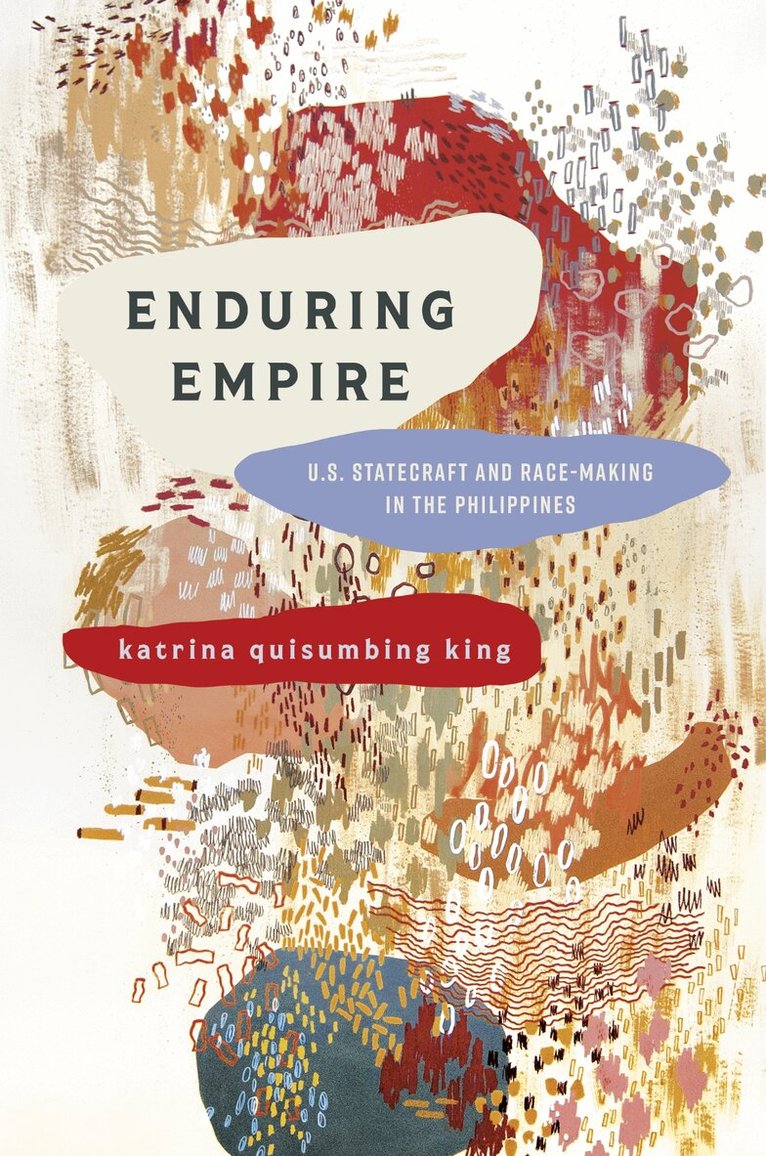
In 1898 the United States became a formal overseas empire and claimed sovereignty over the Philippine islands, justifying its rule in explicitly racial terms. Less than fifty years later, in 1946, Philippine independence was recognized by the United States, even as it continued to exert influence over the domestic and foreign affairs of the newly decolonized Republic. Despite some differences, U.S. control remained racial and imperial. Enduring Empire shows how U.S. federal state actors translated their ideas of race into state structures. Through innovating constitutional law, bureaucratic administration, and legislation, state actors built a durable and flexible system of racial-imperial rule that not only lasted beyond the period of formal empire but continues to this day. katrina quisumbing king traces debates among U.S. presidents, federal legislators, administrators, and justices about what kind of state the United States should be, the place of nonwhite people in the polity, and the best way to maintain U.S. white hegemony. In charting how state actors' positions—some nativist, isolationist, and protectionist and others expansionist, interventionist, and imperialist—evolved, quisumbing king identifies key moments when they cemented racial ideas into law and reshaped the terms of U.S. racial-imperial formation.