Image, Text, and Culture in Classical Antiquity - Böcker
Visar alla böcker i serien Image, Text, and Culture in Classical Antiquity. Handla med fri frakt och snabb leverans.
10 produkter
10 produkter
2 106 kr
Skickas inom 10-15 vardagar
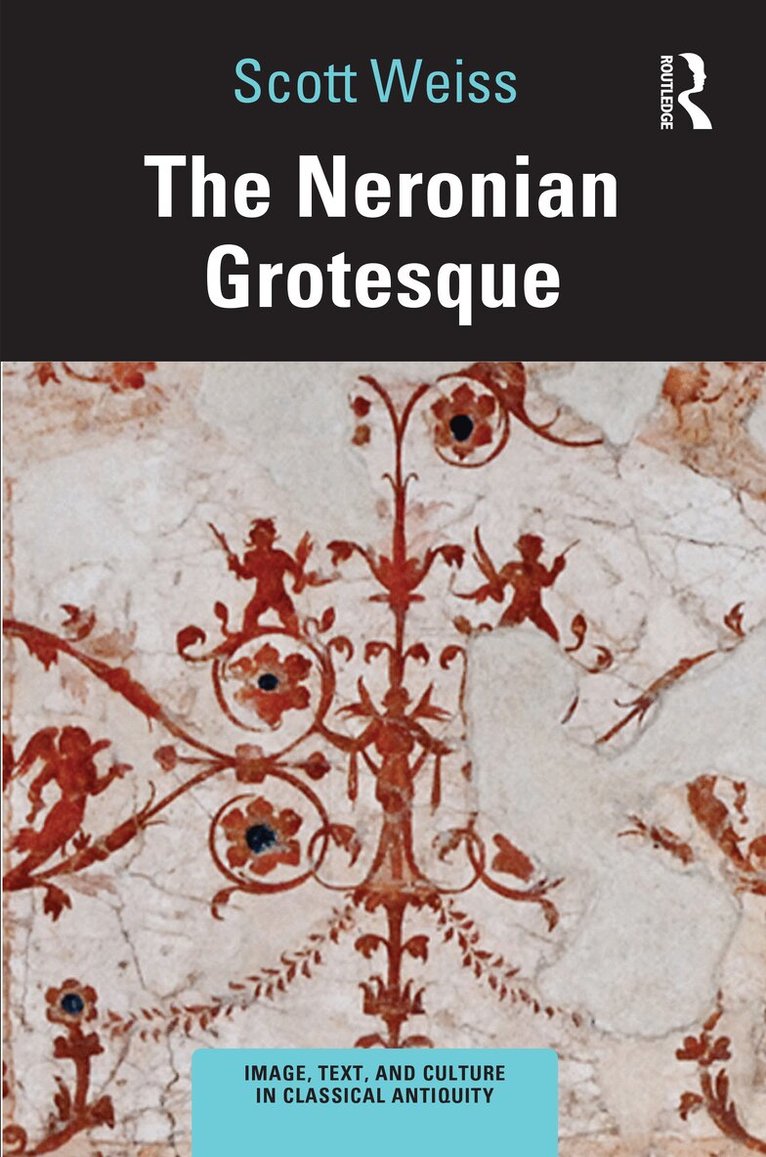
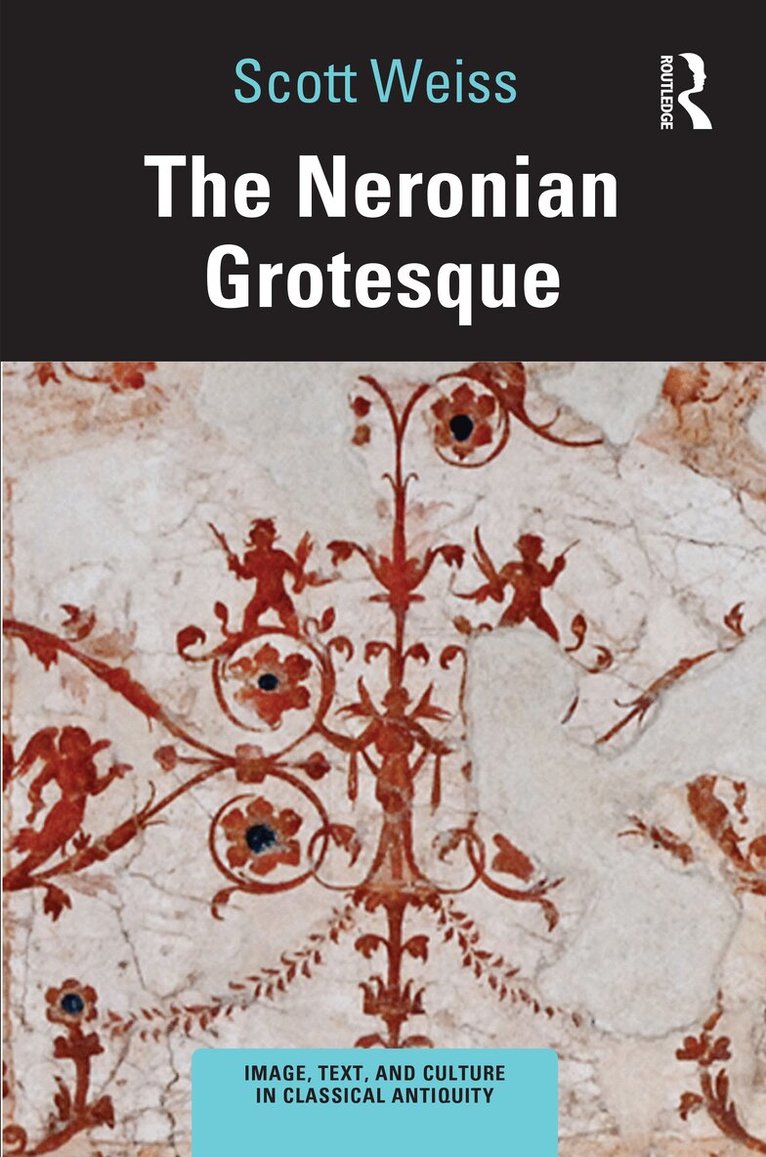
During the reign of Nero, Roman culture produced some of its most spectacular works of art and literature, and some of its strangest. This study explores these effects across textual and visual media in an integrated way.Weiss' analysis allows for appreciation of the shared strategies of composition, overlaps between literary and visual rhetoric, the role of context in shaping the reception of a work, and the authority of the reader/viewer to generate meaning. The volume offers an account of Roman visual-literary interactions in the mid-first century ᴄᴇ that considers these dynamics as informing broad cultural phenomena. The results reveal features pervasive in a literary and artistic culture invested in exploring the edges of expression.The Neronian Grotesque is a fascinating study on the literary and artistic production in the Neronian period, and has wider implications for anyone working in the field of Roman cultural history and visual studies more broadly.
632 kr
Skickas inom 10-15 vardagar
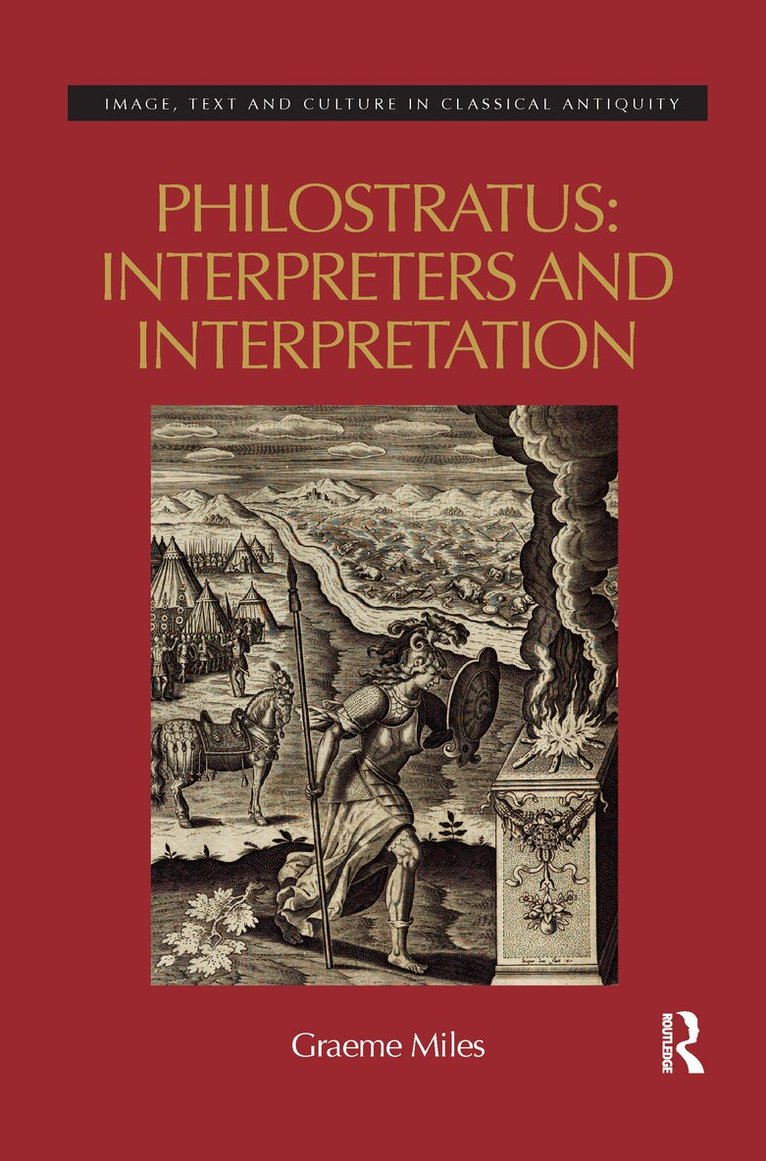
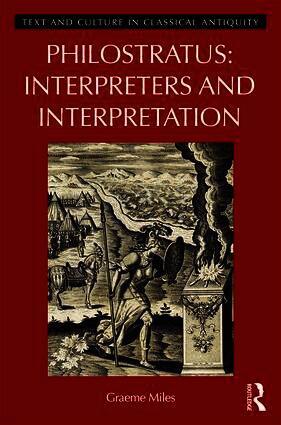
Philostratus is one of the greatest examples of the vitality and inventiveness of the Greek culture of his period, at once a one-man summation of contemporary tastes and interests and a strikingly individual re-inventor of the traditions in which he was steeped. This Roman-era engagement with the already classical past set important precedents for later understandings of classical art, literature and culture. This volume examines the ways in which the labyrinthine Corpus Philostrateum represents and interrogates the nature of interpretation and the interpreting subject. Taking ‘interpretation’ broadly as the production of meaning from objects that are considered to bear some less than obvious significance, it examines the very different interpreter figures presented: Apollonius of Tyana as interpreter of omens, dreams and art-works; an unnamed Vinetender and the dead Protesilaus as interpreters of heroes; and the sophist who emotively describes a gallery full of paintings, depicting in the process both the techniques of educated viewing and the various errors and illusions into which a viewer can fall.
2 045 kr
Skickas inom 10-15 vardagar
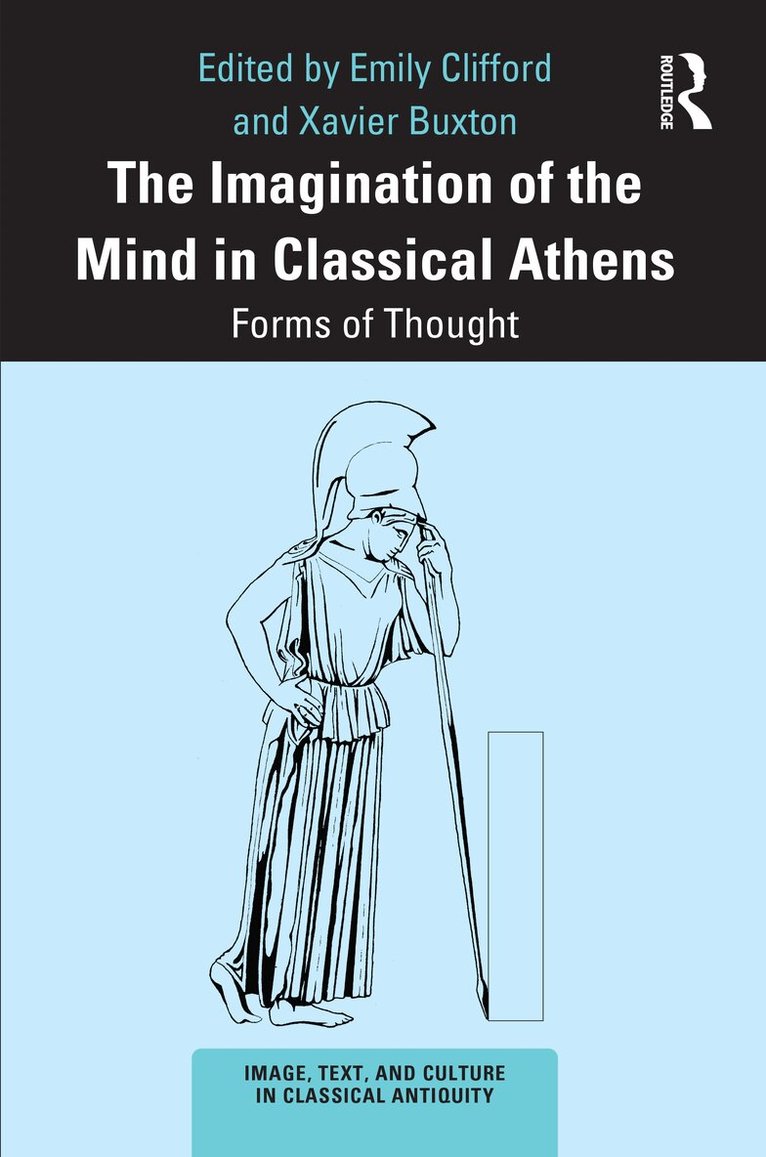
This book explores the imaginative processes at work in the artefacts of Classical Athens. When ancient Athenians strove to grasp ‘justice’ or ‘war’ or ‘death’, when they dreamt or deliberated, how did they do it? Did they think about what they were doing? Did they imagine an imagining mind?European histories of the imagination have often begun with thinkers like Plato and Aristotle. By contrast, this volume is premised upon the idea that imaginative activity, and especially efforts to articulate it, can take place in the absence of technical terminology. In exploring an ancient culture of imagination mediated by art and literature, the book scopes out the roots of later, more explicit, theoretical enquiry. Chapters hone in on a range of visual and verbal artefacts from the Classical period. Approaching the topic from different angles – philosophical, historical, philological, literary, and art historical – they also investigate how these artefacts stimulate affective, sensory, meditative – in short, ‘imaginative’ – encounters between imagining bodies and their world.The Imagination of the Mind in Classical Athens offers a ground-breaking reassessment of ‘imagination’ in ancient Greek culture and thought: it will be essential reading for those interested in not only philosophies of mind, but also ancient Greek image, text, and culture more broadly.
618 kr
Skickas inom 10-15 vardagar
This book explores the imaginative processes at work in the artefacts of Classical Athens. When ancient Athenians strove to grasp ‘justice’ or ‘war’ or ‘death’, when they dreamt or deliberated, how did they do it? Did they think about what they were doing? Did they imagine an imagining mind?European histories of the imagination have often begun with thinkers like Plato and Aristotle. By contrast, this volume is premised upon the idea that imaginative activity, and especially efforts to articulate it, can take place in the absence of technical terminology. In exploring an ancient culture of imagination mediated by art and literature, the book scopes out the roots of later, more explicit, theoretical enquiry. Chapters hone in on a range of visual and verbal artefacts from the Classical period. Approaching the topic from different angles – philosophical, historical, philological, literary, and art historical – they also investigate how these artefacts stimulate affective, sensory, meditative – in short, ‘imaginative’ – encounters between imagining bodies and their world.The Imagination of the Mind in Classical Athens offers a ground-breaking reassessment of ‘imagination’ in ancient Greek culture and thought: it will be essential reading for those interested in not only philosophies of mind, but also ancient Greek image, text, and culture more broadly.
2 176 kr
Skickas inom 10-15 vardagar
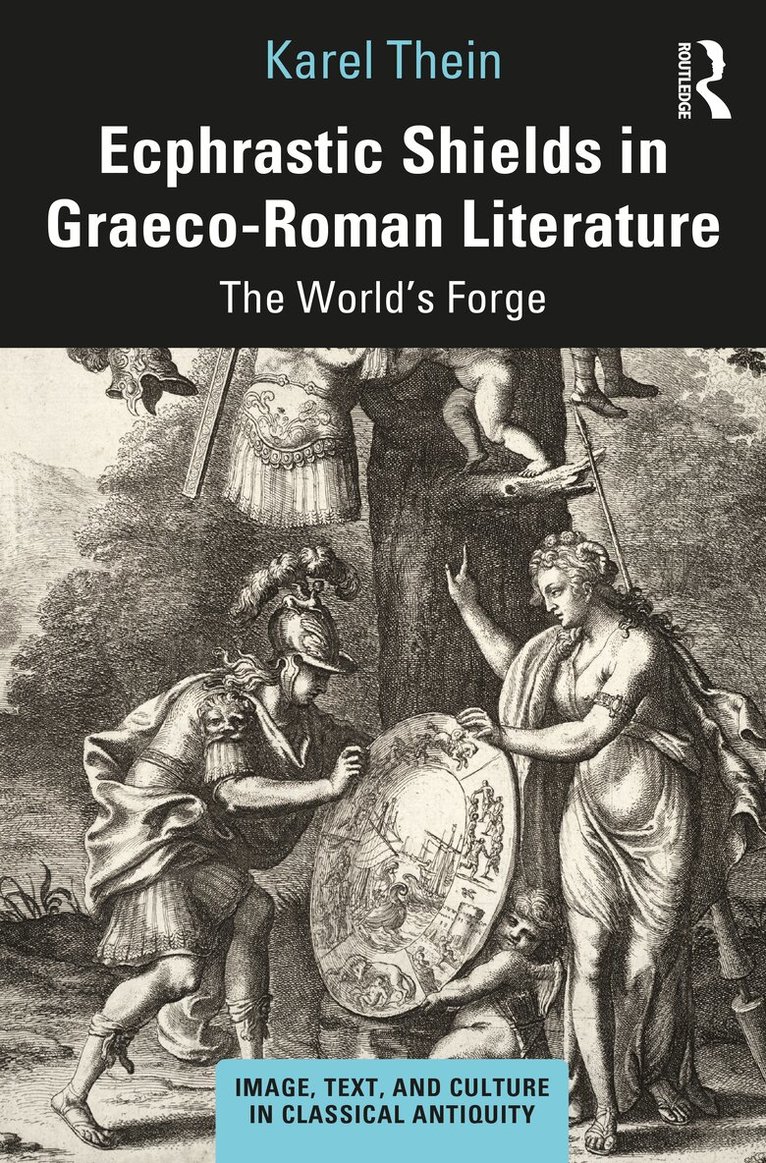
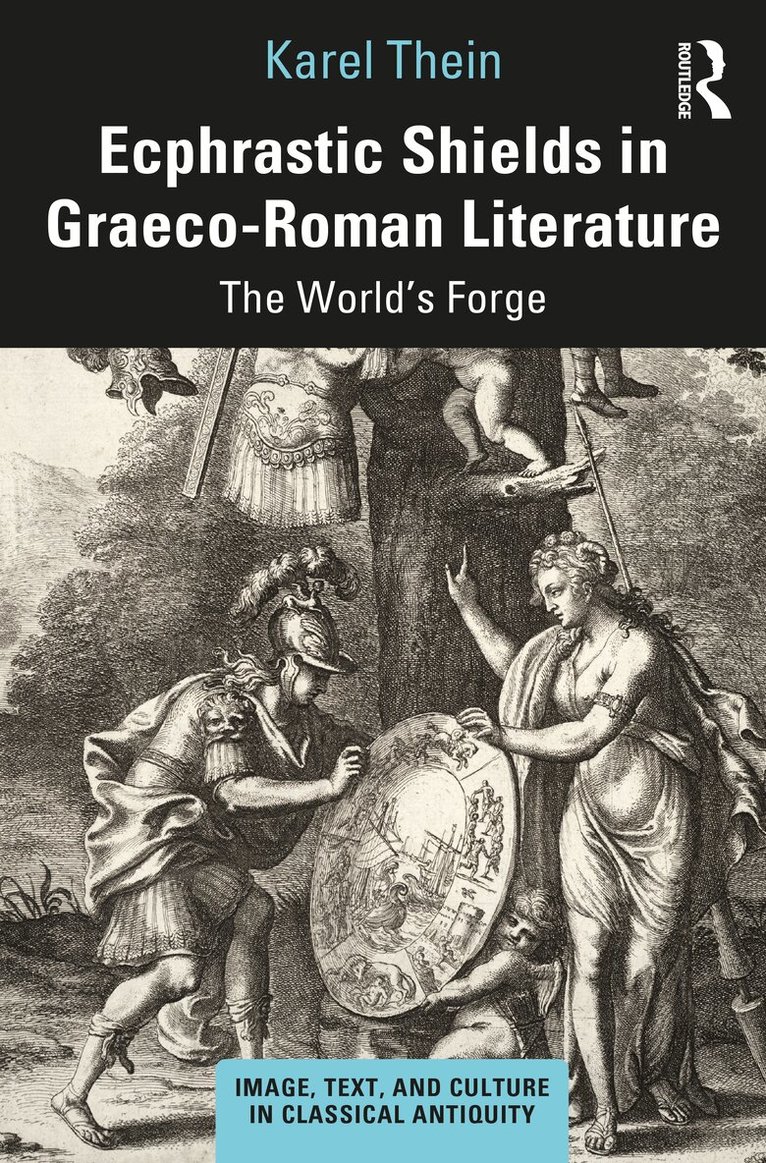
This volume takes a fresh look at ekphrasis as a textual practice closely connected to our embodied imagination and its verbal dimension; it offers the first detailed study of a large family of ancient ecphrastic shields, often studied separately, but never as an ensemble with its own development.The main objective consists of establishing a theoretical and historical framework that is applied to a series of famous ecphrastic shields starting with the Homeric shield of Achilles. The latter is reinterpreted as a paradigmatic "thing" whose echoing down the centuries is reinforced by the fundamental connection between ekphrasis and artefacts as its primary objects. The book demonstrates that although the ancient sources do not limit ekphrasis to artificial creations, the latter are most efficient in bringing out the intimate affinity between artefacts and vivid mental images as two kind of entities that lack a natural scale and are rightly understood as ontologically unstable.Ecphrastic Shields in Graeco-Roman Literature: The World’s Forge should be read by those interested in ancient culture, art and philosophy, but also by those fascinated by the broader issue of imagination and by the interplay between the natural and the artificial.
664 kr
Skickas inom 10-15 vardagar
This volume takes a fresh look at ekphrasis as a textual practice closely connected to our embodied imagination and its verbal dimension; it offers the first detailed study of a large family of ancient ecphrastic shields, often studied separately, but never as an ensemble with its own development.The main objective consists of establishing a theoretical and historical framework that is applied to a series of famous ecphrastic shields starting with the Homeric shield of Achilles. The latter is reinterpreted as a paradigmatic "thing" whose echoing down the centuries is reinforced by the fundamental connection between ekphrasis and artefacts as its primary objects. The book demonstrates that although the ancient sources do not limit ekphrasis to artificial creations, the latter are most efficient in bringing out the intimate affinity between artefacts and vivid mental images as two kind of entities that lack a natural scale and are rightly understood as ontologically unstable.Ecphrastic Shields in Graeco-Roman Literature: The World’s Forge should be read by those interested in ancient culture, art and philosophy, but also by those fascinated by the broader issue of imagination and by the interplay between the natural and the artificial.
651 kr
Skickas inom 10-15 vardagar
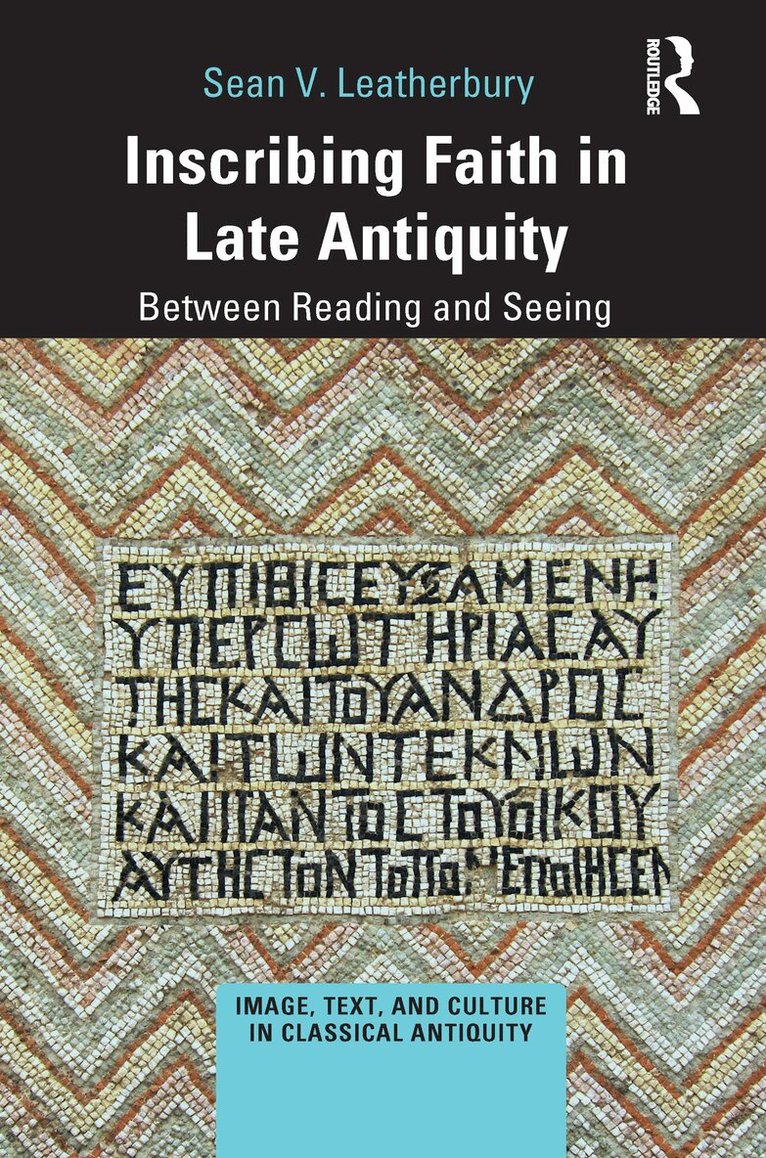
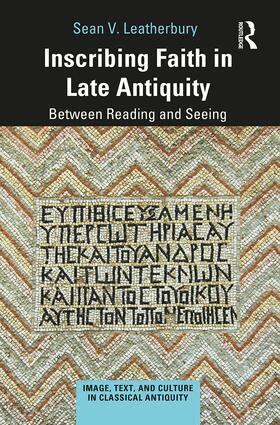
Inscribing Faith in Late Antiquity considers the Greek and Latin texts inscribed in churches and chapels in the late antique Mediterranean (c. 300–800 CE), compares them to similar texts from pagan, Jewish, and Muslim spaces of worship, and explores how they functioned both textually and visually.These texts not only recorded the names and prayers of the faithful, but were powerful verbal and visual statements of cultural values and religious beliefs, conveying meaning through their words as well as through their appearances. In fact, the two were intimately connected. All of these texts – Christian, Jewish, Muslim, and pagan – acted visually, embracing their own materiality as mosaic, paint, or carved stone. Colourful and artfully arranged, the inscriptions framed human relationships with the divine, encouraged responses from readers, and made prayers material. In the first in-depth examination of the inscriptions as words and as images, the author reimagines the range of aesthetic, cultural, and religious experiences that were possible in spaces of worship.Inscribing Faith in Late Antiquity is essential reading for those interested in Roman, late antique, and Byzantine material and visual culture, inscriptions and other texts, and religious life in the ancient Mediterranean.
595 kr
Skickas inom 10-15 vardagar
During the reign of Nero, Roman culture produced some of its most spectacular works of art and literature, and some of its strangest. This study explores these effects across textual and visual media in an integrated way.Weiss' analysis allows for appreciation of the shared strategies of composition, overlaps between literary and visual rhetoric, the role of context in shaping the reception of a work, and the authority of the reader/viewer to generate meaning. The volume offers an account of Roman visual-literary interactions in the mid-first century ᴄᴇ that considers these dynamics as informing broad cultural phenomena. The results reveal features pervasive in a literary and artistic culture invested in exploring the edges of expression.The Neronian Grotesque is a fascinating study on the literary and artistic production in the Neronian period, and has wider implications for anyone working in the field of Roman cultural history and visual studies more broadly.
2 317 kr
Skickas inom 10-15 vardagar
Philostratus is one of the greatest examples of the vitality and inventiveness of the Greek culture of his period, at once a one-man summation of contemporary tastes and interests and a strikingly individual re-inventor of the traditions in which he was steeped. This Roman-era engagement with the already classical past set important precedents for later understandings of classical art, literature and culture. This volume examines the ways in which the labyrinthine Corpus Philostrateum represents and interrogates the nature of interpretation and the interpreting subject. Taking ‘interpretation’ broadly as the production of meaning from objects that are considered to bear some less than obvious significance, it examines the very different interpreter figures presented: Apollonius of Tyana as interpreter of omens, dreams and art-works; an unnamed Vinetender and the dead Protesilaus as interpreters of heroes; and the sophist who emotively describes a gallery full of paintings, depicting in the process both the techniques of educated viewing and the various errors and illusions into which a viewer can fall.
2 176 kr
Skickas inom 10-15 vardagar
Inscribing Faith in Late Antiquity considers the Greek and Latin texts inscribed in churches and chapels in the late antique Mediterranean (c. 300–800 CE), compares them to similar texts from pagan, Jewish, and Muslim spaces of worship, and explores how they functioned both textually and visually.These texts not only recorded the names and prayers of the faithful, but were powerful verbal and visual statements of cultural values and religious beliefs, conveying meaning through their words as well as through their appearances. In fact, the two were intimately connected. All of these texts – Christian, Jewish, Muslim, and pagan – acted visually, embracing their own materiality as mosaic, paint, or carved stone. Colourful and artfully arranged, the inscriptions framed human relationships with the divine, encouraged responses from readers, and made prayers material. In the first in-depth examination of the inscriptions as words and as images, the author reimagines the range of aesthetic, cultural, and religious experiences that were possible in spaces of worship.Inscribing Faith in Late Antiquity is essential reading for those interested in Roman, late antique, and Byzantine material and visual culture, inscriptions and other texts, and religious life in the ancient Mediterranean.