Caribbean Crossroads: Race, Identity, and Freedom Struggles - Böcker
Visar alla böcker i serien Caribbean Crossroads: Race, Identity, and Freedom Struggles. Handla med fri frakt och snabb leverans.
6 produkter
6 produkter
1 184 kr
Skickas inom 10-15 vardagar
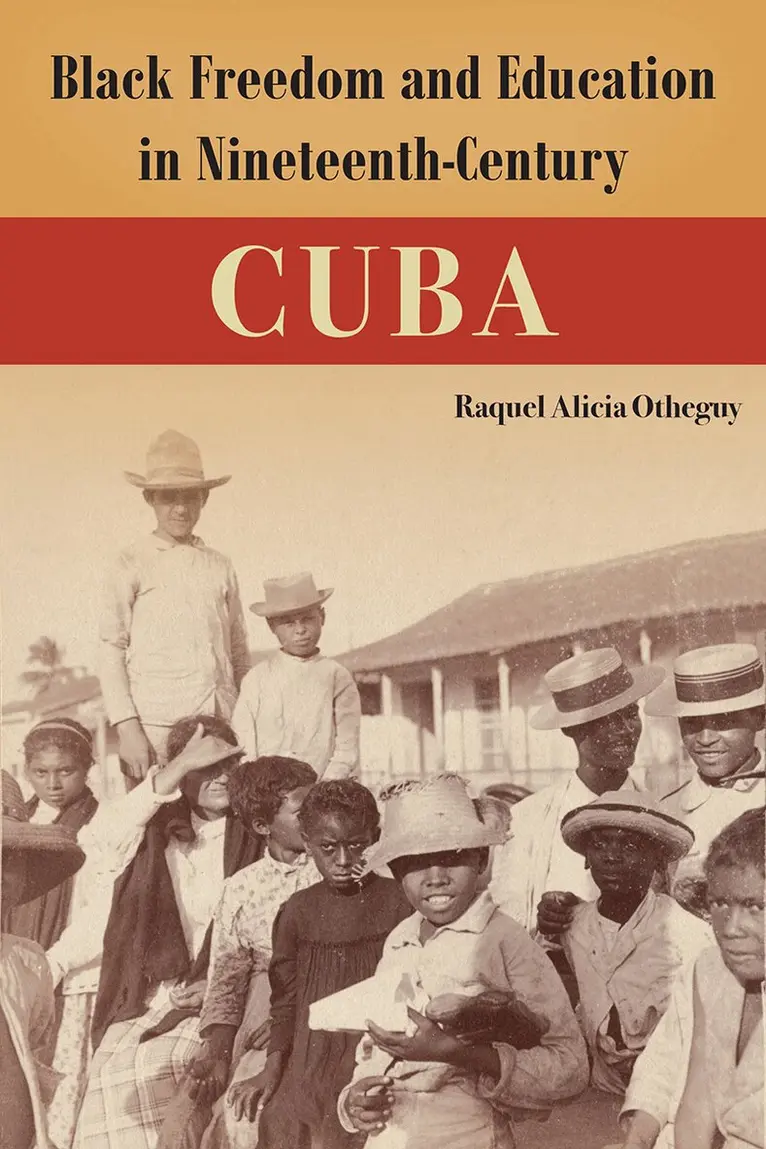
Examining the educational legacy of Afro-Cuban teachers and activists In this book, Raquel Otheguy argues that Afro-descended teachers and activists were central to the development of a national education system in Cuba. Tracing the emergence of a Black Cuban educational tradition whose hallmarks were at the forefront of transatlantic educational currents, Otheguy examines how this movement pushed the island’s public school system to be more accessible to children and adults of all races, genders, and classes. Otheguy describes Afro-Cuban education before public schools were officially desegregated in 1894, from the maestras amigas—Black and mulatto women who taught in their homes—to teachers in the schools of mutual-aid societies for people of color. In the ways that African descendants interacted with the Spanish colonial school system and its authorities, and in the separate schools they created, they were resisting the hardening racial boundaries that characterized Cuban life and developing alternative visions of possible societies, nations, and futures. Otheguy demonstrates that Black Cubans pioneered the region’s most progressive innovations in education and influenced the trajectory of public school systems in their nation and the broader Americas. A volume in the series Caribbean Crossroads: Race, Identity, and Freedom Struggles, edited by Lillian Guerra, Devyn Spence Benson, April Mayes, and Solsiree del Moral Publication of this work made possible by a Sustaining the Humanities through the American Rescue Plan grant from the National Endowment for the Humanities
368 kr
Skickas inom 10-15 vardagar
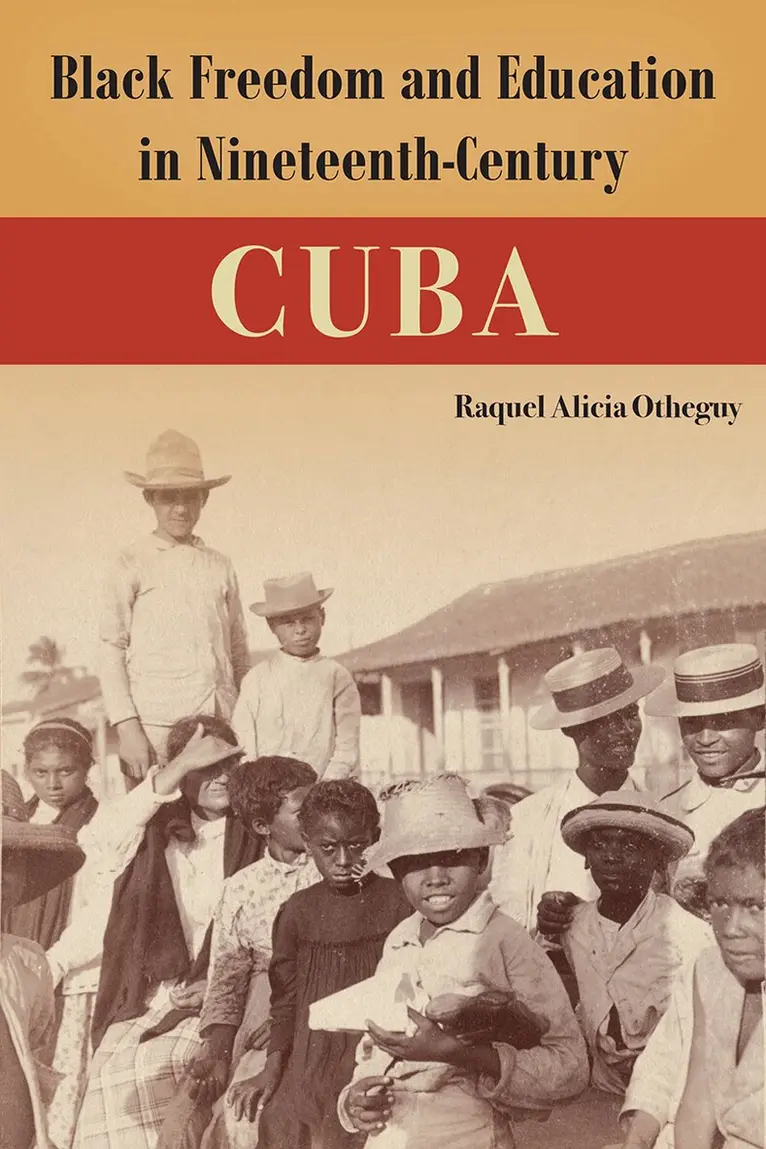
Examining the educational legacy of Afro-Cuban teachers and activists In this book, Raquel Otheguy argues that Afro-descended teachers and activists were central to the development of a national education system in Cuba. Tracing the emergence of a Black Cuban educational tradition whose hallmarks were at the forefront of transatlantic educational currents, Otheguy examines how this movement pushed the island’s public school system to be more accessible to children and adults of all races, genders, and classes. Otheguy describes Afro-Cuban education before public schools were officially desegregated in 1894, from the maestras amigas—Black and mulatto women who taught in their homes—to teachers in the schools of mutual-aid societies for people of color. In the ways that African descendants interacted with the Spanish colonial school system and its authorities, and in the separate schools they created, they were resisting the hardening racial boundaries that characterized Cuban life and developing alternative visions of possible societies, nations, and futures. Otheguy demonstrates that Black Cubans pioneered the region’s most progressive innovations in education and influenced the trajectory of public school systems in their nation and the broader Americas. A volume in the series Caribbean Crossroads: Race, Identity, and Freedom Struggles, edited by Lillian Guerra, Devyn Spence Benson, April Mayes, and Solsiree del Moral Publication of this work made possible by a Sustaining the Humanities through the American Rescue Plan grant from the National Endowment for the Humanities
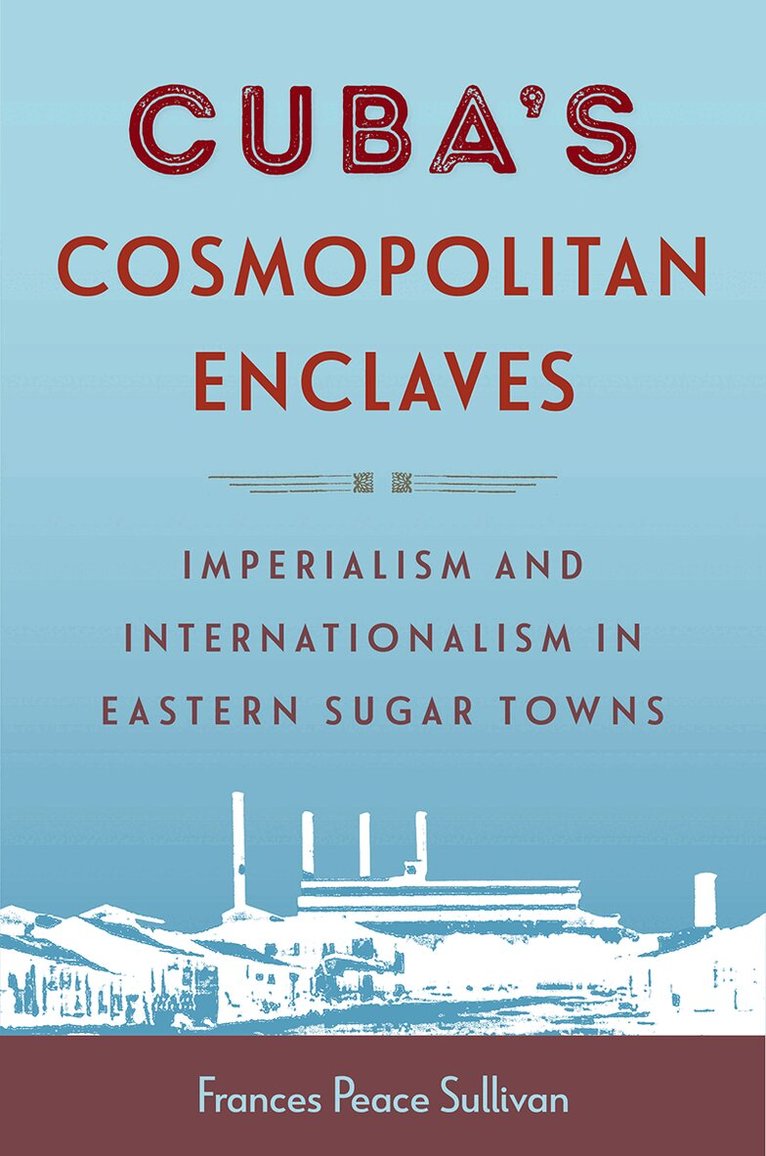
Cuba's Cosmopolitan Enclaves
Imperialism and Internationalism in Eastern Sugar Towns
Inbunden, Engelska, 2025
1 384 kr
Skickas inom 10-15 vardagar
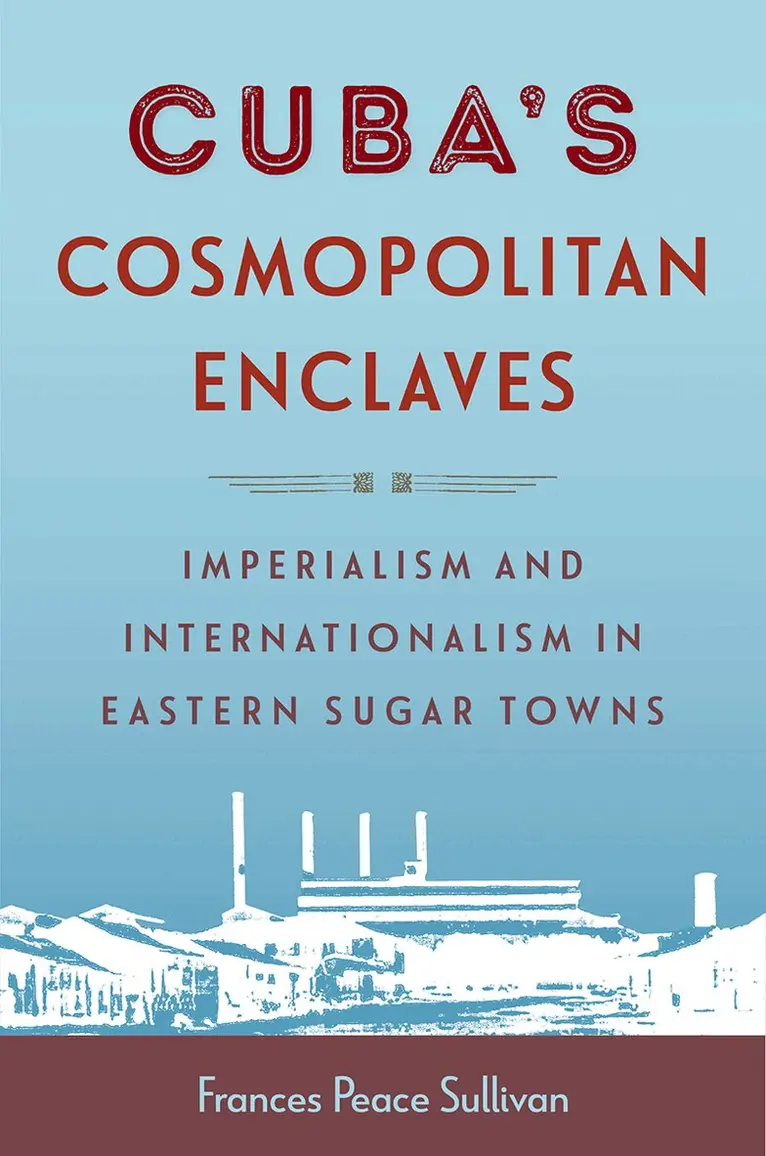
How northeastern Cuba became a hub of international solidarity and transnational movements in the 1920s and 1930sThis book explores how a region in Cuba that was widely known as a site of labor subjugation became a hub of international solidarity in the 1920s and 1930s. In the early twentieth century, United States agricultural companies like the United Fruit Company established sugar export operations in Cuba’s Oriente Province, creating a zone of economic imperialism. These early multinational corporations recruited Afro-Caribbean laborers from surrounding islands, aiming to create closed, self-sufficient plantation complexes.However, as Frances Peace Sullivan shows in Cuba’s Cosmopolitan Enclaves, the influx of foreign capital led to the development of diverse, vibrant communities in these company towns. Drawing on archival sources in Cuba, the US, Russia, and the UK, Sullivan demonstrates how immigrant workers joined local Cubans in movements for radical transnational solidarity. In the interwar years, northeastern Cuba became a center of Garveyite Pan-Africanism, global communism, and anti-fascist support for Republican Spain. In 1933, the region attracted the world’s attention when workers seized sugar mills in a revolutionary strike.Placing northeastern Cuba at the heart of the history of interwar internationalism, Sullivan shows how Oriente emerged as a focal point for visions of resistance. Cuba’s Cosmopolitan Enclaves reveals how workers seized pathways created by imperialist companies and used them to advance their own goals. In this focused study, Sullivan offers a detailed portrait of how ordinary people became leaders in transnational radicalism.A volume in the series Caribbean Crossroads: Race, Identity, and Freedom Struggles, edited by Lillian Guerra, Devyn Spence Benson, April Mayes, and Solsiree del Moral
Cuba's Cosmopolitan Enclaves
Imperialism and Internationalism in Eastern Sugar Towns
Häftad, Engelska, 2025
379 kr
Skickas inom 10-15 vardagar
How northeastern Cuba became a hub of international solidarity and transnational movements in the 1920s and 1930sThis book explores how a region in Cuba that was widely known as a site of labor subjugation became a hub of international solidarity in the 1920s and 1930s. In the early twentieth century, United States agricultural companies like the United Fruit Company established sugar export operations in Cuba’s Oriente Province, creating a zone of economic imperialism. These early multinational corporations recruited Afro-Caribbean laborers from surrounding islands, aiming to create closed, self-sufficient plantation complexes.However, as Frances Peace Sullivan shows in Cuba’s Cosmopolitan Enclaves, the influx of foreign capital led to the development of diverse, vibrant communities in these company towns. Drawing on archival sources in Cuba, the US, Russia, and the UK, Sullivan demonstrates how immigrant workers joined local Cubans in movements for radical transnational solidarity. In the interwar years, northeastern Cuba became a center of Garveyite Pan-Africanism, global communism, and anti-fascist support for Republican Spain. In 1933, the region attracted the world’s attention when workers seized sugar mills in a revolutionary strike.Placing northeastern Cuba at the heart of the history of interwar internationalism, Sullivan shows how Oriente emerged as a focal point for visions of resistance. Cuba’s Cosmopolitan Enclaves reveals how workers seized pathways created by imperialist companies and used them to advance their own goals. In this focused study, Sullivan offers a detailed portrait of how ordinary people became leaders in transnational radicalism.A volume in the series Caribbean Crossroads: Race, Identity, and Freedom Struggles, edited by Lillian Guerra, Devyn Spence Benson, April Mayes, and Solsiree del Moral
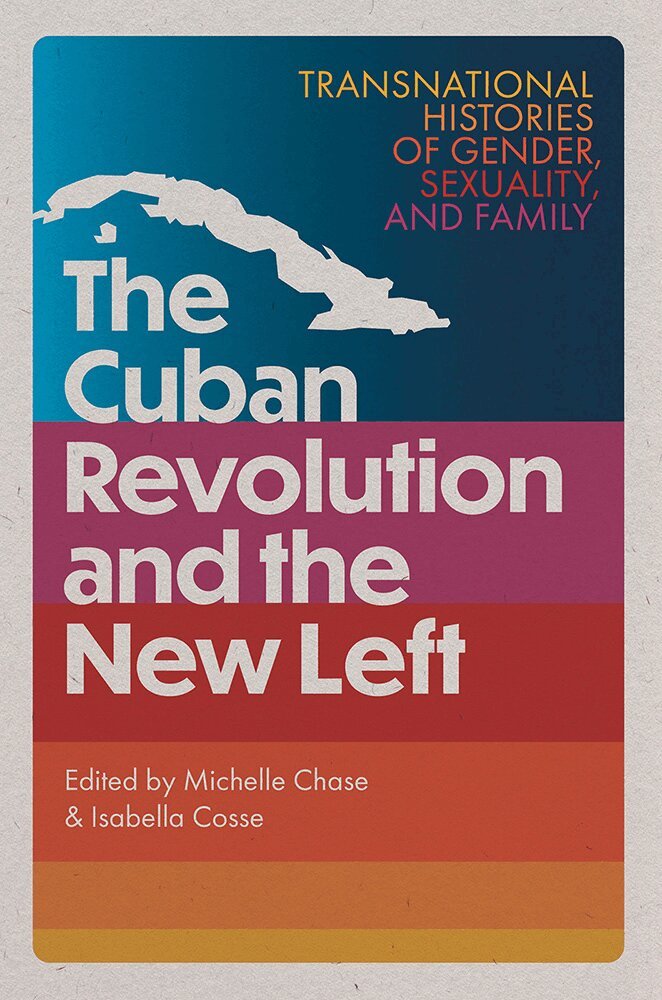
Cuban Revolution and the New Left
Transnational Histories of Gender, Sexuality, and Family
Inbunden, Engelska, 2026
1 219 kr
Skickas inom 10-15 vardagar
Understanding overlooked dimensions of the Cuban Revolution and its impact on the global left in the 1960s and beyondThis volume reconsiders revolutionary Cuba’s global influence by shifting the focus from high-level political leaders to perspectives traditionally sidelined, offering new insights into how everyday lives, family dynamics, and notions of gender and sexuality impacted revolutionary transformation. Its expansive scope uncovers ties among Cuba and Latin America, the United States, Africa, and Asia, examining the interplay of global forces including new models of mass consumption, feminist and LGBTQ movements, and national liberation struggles.Chapters include analyses of Chinese reinterpretations of a Cuban play, Angela Davis’s influential visits to the island, Cuba’s complex relations with Black militants in Angola, and a Mexican transgender and disability activist who reimagined Che Guevara’s legacy. They also present research on Cuba’s solidarity campaigns with Vietnam, foreign journalists who covered the revolution, the role of consumption and fashion, and the lasting impact of the revolution’s refugee policies on exiled children and families from the Southern Cone.Through its interdisciplinary sociocultural approach, this volume challenges conventional top-down narratives by foregrounding the interplay between grassroots actors and transnational affairs. It is an essential resource for scholars, students, and anyone interested in the multilayered stages of the Cuban Revolution and its continued relationship with global politics and culture.Publication of this work made possible by a Sustaining the Humanities through the American Rescue Plan grant from the National Endowment for the Humanities.
Cuban Revolution and the New Left
Transnational Histories of Gender, Sexuality, and Family
Häftad, Engelska, 2026
379 kr
Skickas inom 10-15 vardagar
Understanding overlooked dimensions of the Cuban Revolution and its impact on the global left in the 1960s and beyondThis volume reconsiders revolutionary Cuba’s global influence by shifting the focus from high-level political leaders to perspectives traditionally sidelined, offering new insights into how everyday lives, family dynamics, and notions of gender and sexuality impacted revolutionary transformation. Its expansive scope uncovers ties among Cuba and Latin America, the United States, Africa, and Asia, examining the interplay of global forces including new models of mass consumption, feminist and LGBTQ movements, and national liberation struggles.Chapters include analyses of Chinese reinterpretations of a Cuban play, Angela Davis’s influential visits to the island, Cuba’s complex relations with Black militants in Angola, and a Mexican transgender and disability activist who reimagined Che Guevara’s legacy. They also present research on Cuba’s solidarity campaigns with Vietnam, foreign journalists who covered the revolution, the role of consumption and fashion, and the lasting impact of the revolution’s refugee policies on exiled children and families from the Southern Cone.Through its interdisciplinary sociocultural approach, this volume challenges conventional top-down narratives by foregrounding the interplay between grassroots actors and transnational affairs. It is an essential resource for scholars, students, and anyone interested in the multilayered stages of the Cuban Revolution and its continued relationship with global politics and culture.Publication of this work made possible by a Sustaining the Humanities through the American Rescue Plan grant from the National Endowment for the Humanities.