Generation X: Studies in Culture, Demographics, and Media Representation – Serie
Visar alla böcker i serien Generation X: Studies in Culture, Demographics, and Media Representation. Handla med fri frakt och snabb leverans.

3 produkter
3 produkter
1 142 kr
Skickas inom 10-15 vardagar
Born roughly between 1964 and 1980, Generation X has received much less critical attention than the two generations that precede and follow it: the Baby Boomers and Millennials. This essay collection examines representations of Generation X in contemporary popular culture, including in television, movies, music, and internet sources. Drawing on generational theory, cultural studies theory, race theory, and feminist theory, the essays in this volume consider the past identities of Generation X, relationships with members of younger generations, modern appropriation of Generation X aesthetics, interactions of Generation X members with family, and the existential values of Generation X.
1 009 kr
Skickas inom 10-15 vardagar
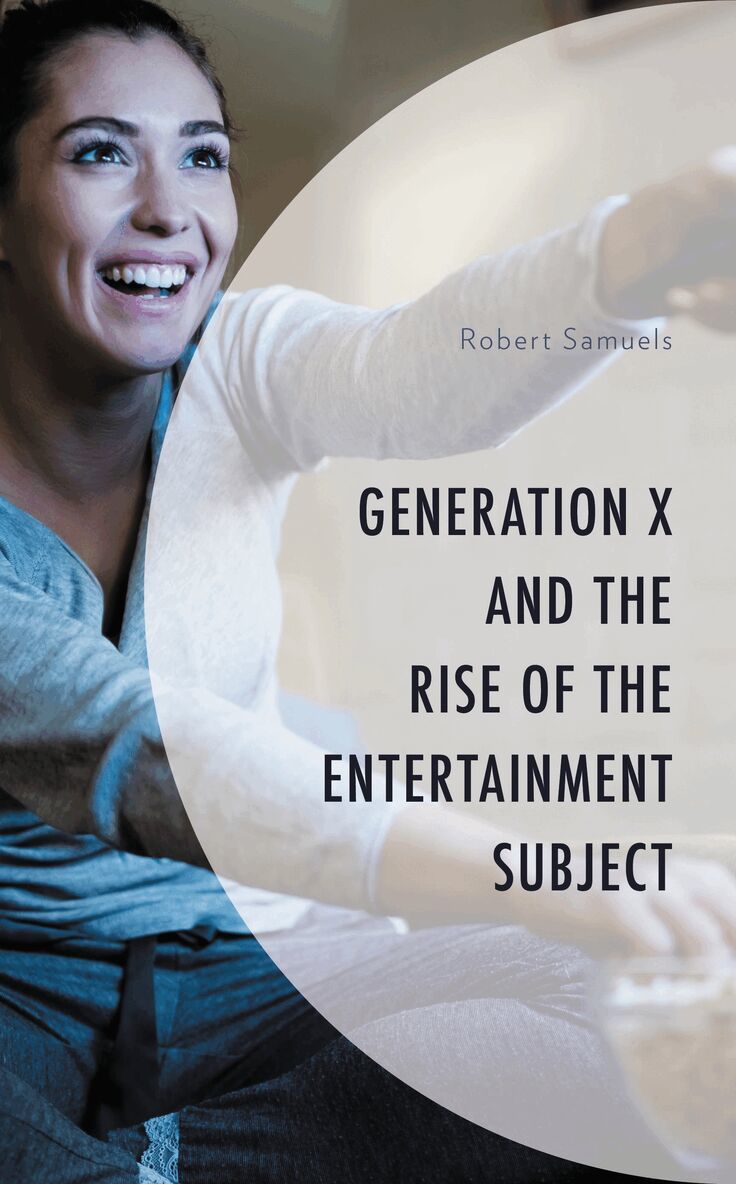
Generation X and the Rise of the Entertainment Subject defines Gen X as the first generationto be dominated by entertainment subjectivity. A social and psychological feedback loop is created as entertainment caters to adolescent consumers while the consumer, in turn, is shaped by the entertainment they internalize. While the paradigmatic latchkey young adults are immersed in media consumption, they see the world through the lens of popular culture products that seek to capitalize on the free time and disposable income of the unoccupied viewer. This book argues that Gen X entertainment subjectivity lays the foundations for contemporary society where handheld devices and other technologies detach their users from the world around them.
1 142 kr
Skickas inom 10-15 vardagar
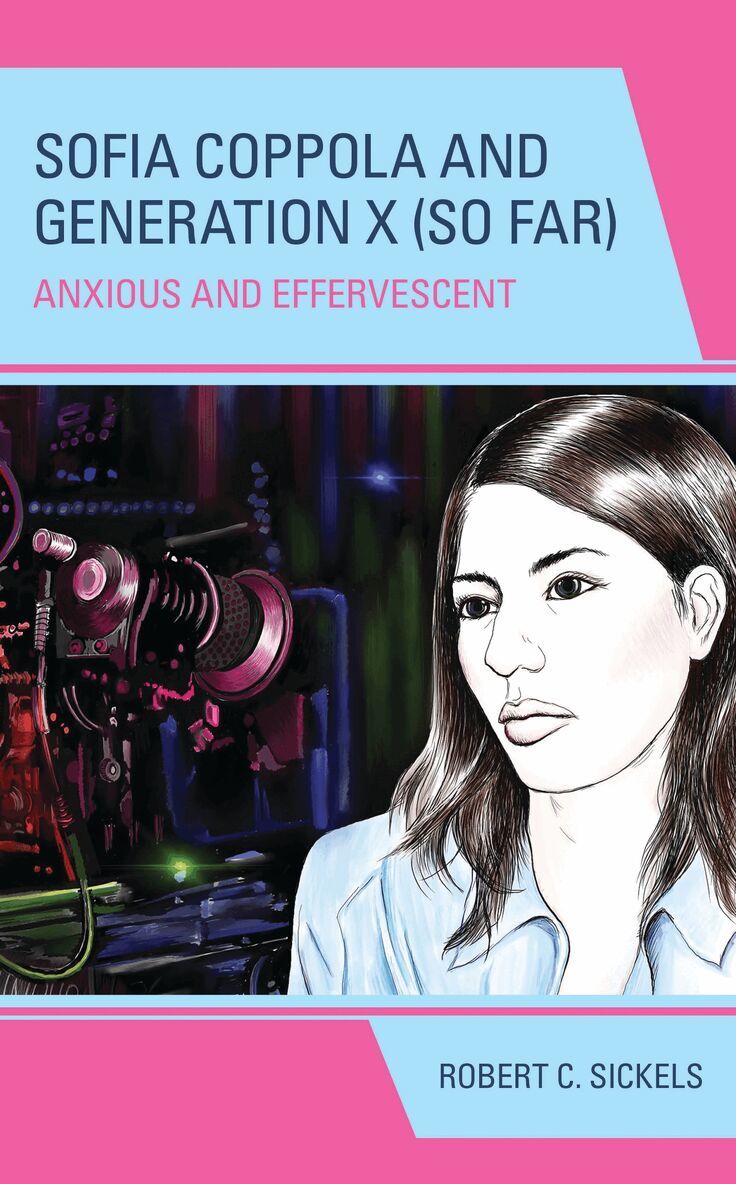
While the work of Sofia Coppola is sometimes dismissed as being stereotypically feminine and placing more focus on spectacle over substance, Sofia Coppola and Generation X (So Far): Anxious and Effervescent draws attention to common characteristics present in Coppola’s films to present an authorial signature and aesthetic that are both familiar yet evocative of Generation X’s perception in the public consciousness. In analyzing Coppola’s films from The Virgin Suicides (1999) to Priscilla (2023), this book argues that her filmography acts as a reflection of her generation’s evolving mindset and self-image from its initial rise to prominence during the late 1980s to its current sentiment of discomfort with its fading influence.