Animal Natural History Series – Serie
Visar alla böcker i serien Animal Natural History Series. Handla med fri frakt och snabb leverans.
8 produkter
8 produkter
1 043 kr
Skickas inom 10-15 vardagar
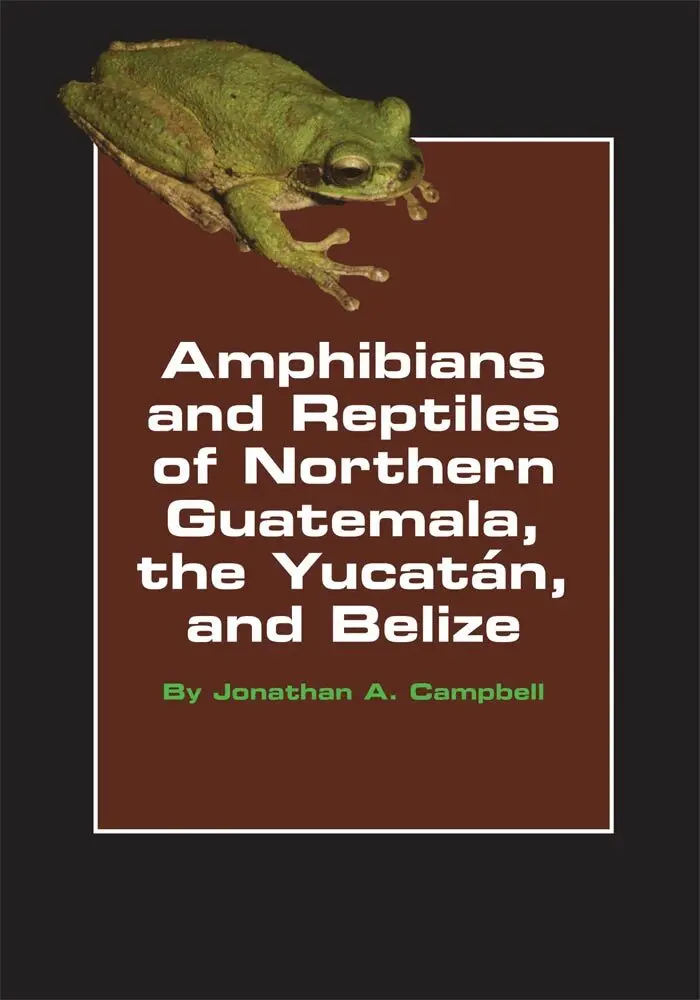
Frogs, toads, salamanders, caecilians, turtles, lizards, crocodiles, and numerous species of snakes in the Petén region of northern Guatemala and adjacent terrain in Mexico and Belize are illustrated and profiled in this first field guide to the reptiles and amphibians of the area.The 160 species of creatures range from the enormous, dramatic, and potentially dangerous--such as the common venomous snake called the barba amarilla (yellow beard) and the now endangered American crocodile--to diminutive tree frogs, anoles, geckos, and skinks, and the secretive snakes of the forest floor. With 176 color photographs plus line drawings and maps, this guide is designed for use both by scientists and by interested tourists and armchair travelers. Notes on where animals are likely to be found and English and Spanish identification keys help anyone wishing to spot and recognize animals in the field.
385 kr
Skickas inom 7-10 vardagar
Once a familiar backyard visitor in many parts of the United States and Mexico, the box turtle is losing the battle against extinction. In North American Box Turtles, C. Kenneth Dodd, Jr., has written the first book-length natural history of the twelve species and subspecies of this endangered animal. This volume includes comprehensive information on the species' evolution, behavior, courtship and reproduction, habitat use, diet, population structure, systematics, and disease. Special features include color photos of all species, subspecies, and their habitats; a simple identification guide to both living and fossil species; and a summary of information on fossil Terrapene and Native uses of box turtles. End-of-chapter sections highlight future research directions, including the need for long-term monitoring and observation of box turtles within their natural habitat and conservation applications. A glossary and a bibliography of literature on box turtles accompany the text.All royalties from the sales of this volume will go to the Chelonian Research Foundation, a nonprofit foundation for the conservation of turtles.
640 kr
Skickas inom 7-10 vardagar
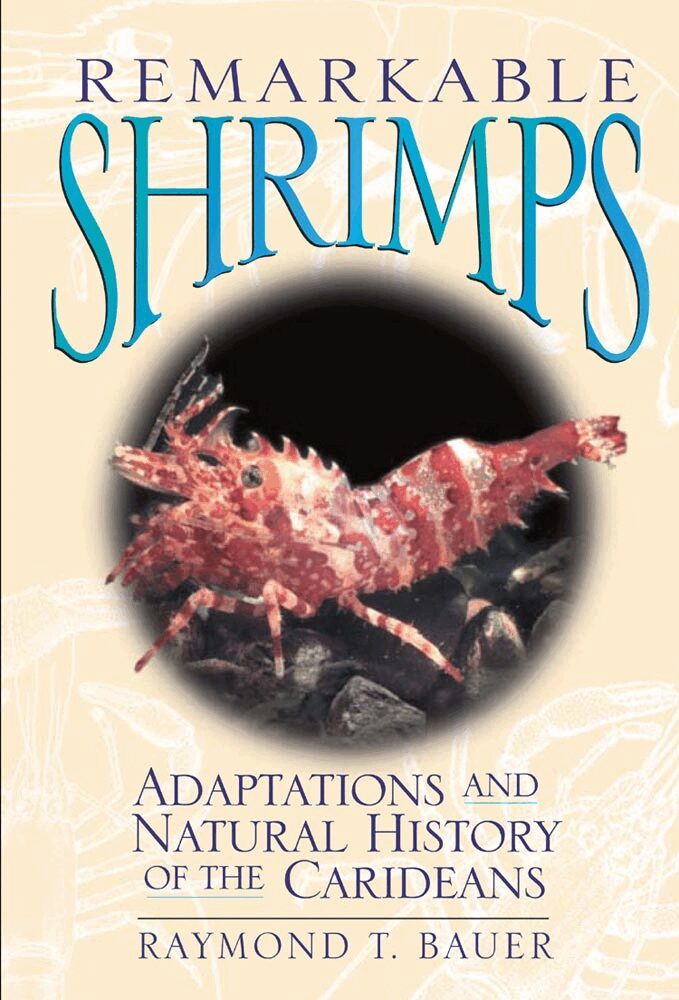
In Remarkable Shrimps, Raymond T. Bauer explores the evolution, natural history, biological diversity, and commercial importance of caridean shrimps--a fascinating and colorful group of aquatic organisms that inhabit freshwater and marine environments from the tropics to the poles.The biological diversity of carideans encompasses a remarkable array of adaptations in body form and function, coloration, breeding biology, and mating behavior. Carideans' important grooming and antifouling adaptations are examined in detail, and Bauer discusses the structural basis of their coloration, the role of color change in concealment, and other forms of camouflage. Reproductive biology and sexual systems, including hermaphroditism and sex change, are reviewed, and Bauer provides evidence for sex pheromones in the attraction of males to females. Seasonal, latitudinal, and depth variation in life history patterns are also analyzed.The symbiotic relationships of shrimps with invertebrates such as corals, sea anemones, and sea urchins and also with fishes are fascinating phenomena of marine ecosystems. Different views on the ancestry and evolutionary history of carideans are evaluated as a stimulus for further work. The status of caridean fisheries and aquaculture is appraised, and shrimp productivity is explained in terms of life history adaptations.Profiling each of the nearly thirty families of caridean shrimps, Bauer writes in an informal style that is nevertheless rich with precise and useful references. Over one hundred figures and 11 plates with 70 color and half-tone photographs accompany the text.Extensive fieldwork is showcased in life history studies on shrimps, employing both behavioral observations using time-lapse video and experimental work to test hypotheses on mating strategies.
429 kr
Skickas inom 7-10 vardagar
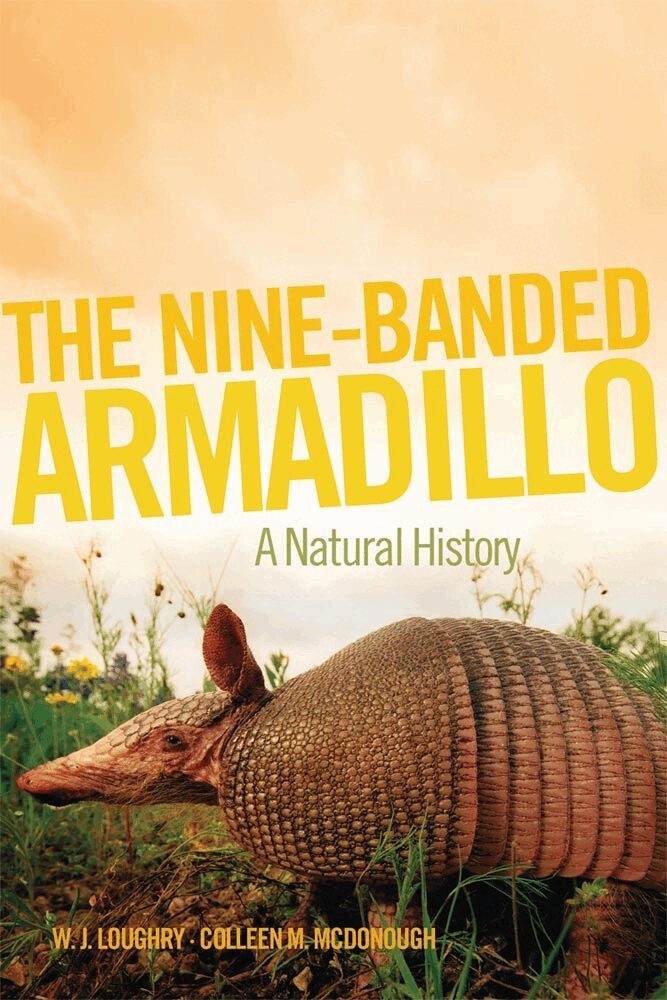
The word armadillo is Spanish for ""little armored one."" This midsize mammal that looks like a walking tank is a source of fascination for many people but a mystery to almost all. Dating back at least eleven million years, the nocturnal, burrowing insectivore was for centuries mistaken for a cross between a hedgehog and a turtle, but it actually belongs to the mammalian superorder Xenarthra that includes sloths and anteaters. Biologists W. J. Loughry and Colleen M. McDonough have studied the nine-banded armadillo (Dasypus novemcinctus) for more than twenty years. Their richly illustrated book offers the first comprehensive review of everything scientists know about this unique animal.Engaging both scientists and a broader public, Loughry and McDonough describe the armadillo's anatomy and physiology and all aspects of its ecology, behavior, and evolution. They also compare the nine-banded armadillo with twenty or so other, related species. The authors pay special attention to three key features of armadillo biology - reproduction, disease, and habitat expansion - and why they matter.Armadillos reproduce in a unique and puzzling manner: females always give birth to litters of genetically identical quadruplets, a strategy not found in any other vertebrates. Nine-banded armadillos are also the only vertebrates except for humans known to contract leprosy naturally. And what about habitat expansion? The authors suggest that the armadillo's remarkable spread across the southeastern United States may be the consequence of its most notable feature: a tough, protective carapace.Biologists, evolutionists, students, and all those interested in this curious creature will find The Nine-Banded Armadillo rich in information and insight. This comprehensive analysis will stand as the definitive scientific reference for years to come and a source of pleasure for the general public.
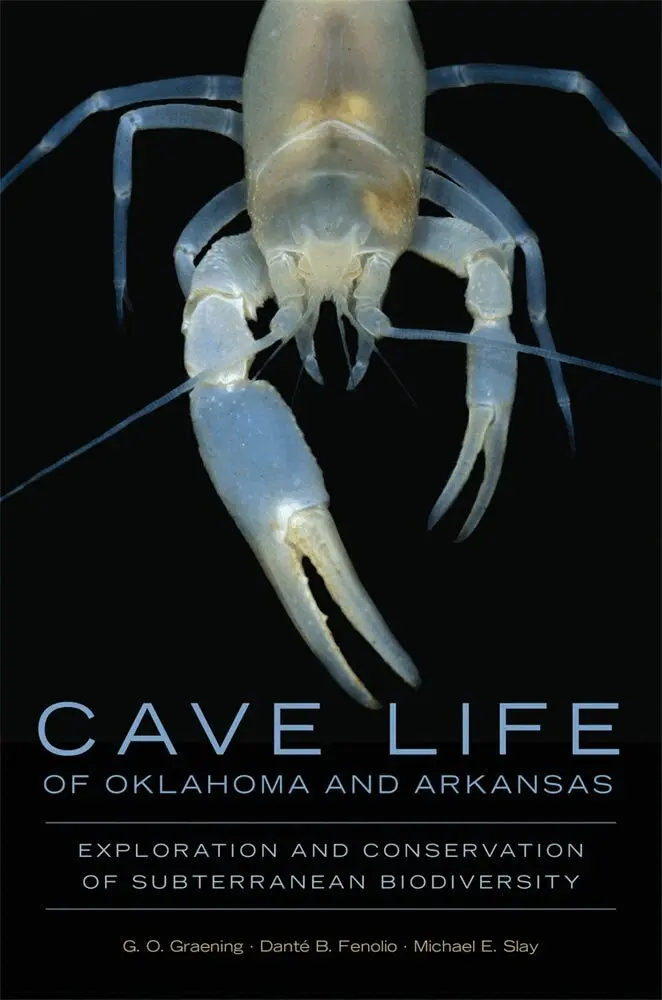
Cave Life of Oklahoma and Arkansas
Exploration and Conservation of Subterranean Biodiversity
Häftad, Engelska, 2013
314 kr
Skickas inom 10-15 vardagar
Speleobiology, the study of cave life, is a relatively new science. The diversity of species that live in caves, springs, and aquifers is just beginning to be documented, and much of the underground world has yet to be explored. The surveys of cave life reported in this book represent an important step forward in understanding the biodiversity of caves in Oklahoma and Arkansas.The project whose research led to the publication of Cave Life of Oklahoma and Arkansas began in the 1970s as a study of Ozark cavefish and expanded to encompass two states and involve a number of research topics and collaborators. The authors and their team donned snorkeling gear, cave suits, and climbing harnesses and descended into caves in Oklahoma and Arkansas to study, inventory, and photograph this hidden world.The result is a comprehensive checklist of the region's cave fauna, complete with descriptions of these rare animals' distribution and ecological niches. The cast of characters ranges from familiar and charismatic species, such as cave crayfish and gray bats, to rare and bizarre fauna, such as blind salamanders and cave dung beetles. More than 175 full-color illustrations include stunning, never-before-seen photographs (from the cameras of Dave Bunnel, Tim Ernst, and Danté B. Fenolio, among others)of cave animals - even some newly discovered species. The authors also address conservation of subterranean biodiversity, discussing not only threats to cave life such as invasive species, resource extraction, and habitat loss, but also current methods of preservation and protection, including legislation, land acquisition, people management, and cave gates. The book's appendices provide a comprehensive cave bibliography and checklists of subterranean animals for each cave.Speleology is critical to science. Subterranean organisms are key indicators of groundwater quality, and their adaptations can lead to advances in medicine. Cave Life of Oklahoma and Arkansas advances our knowledge of, and can thus help us save, subterranean ecosystems - among the world's last frontiers.
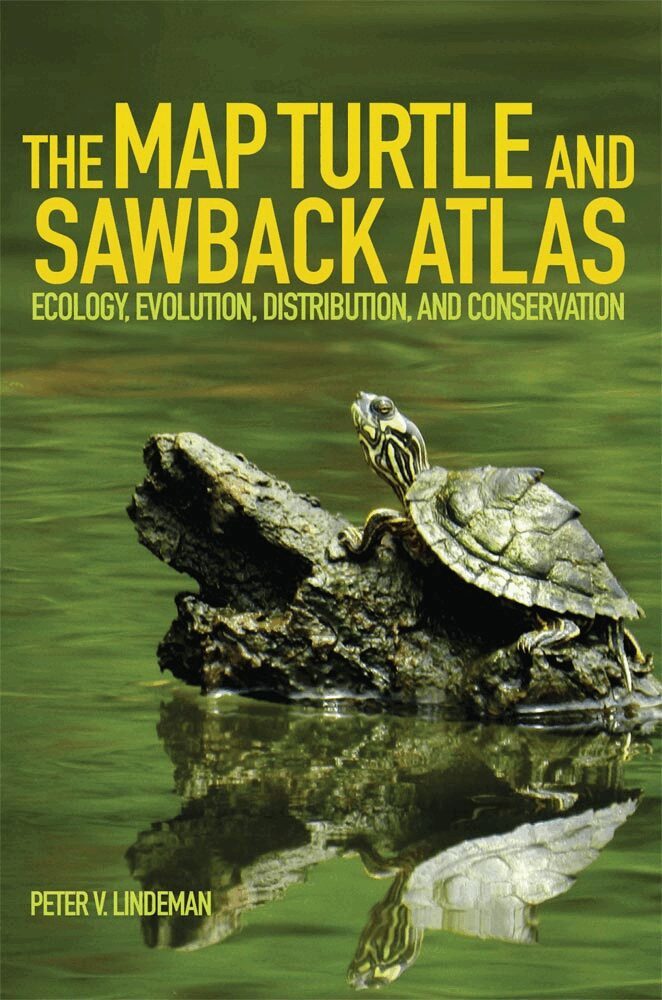
Map Turtle and Sawback Atlas
Ecology, Evolution, Distribution, and Conservation
Häftad, Engelska, 2016
434 kr
Skickas inom 10-15 vardagar
Covering all facets of the biology of a little-known genus, Peter V. Lindeman's lavishly illustrated Map Turtle and Sawback Atlas is both a scientific treatise and an engaging introduction to a striking group of turtles. Map turtles and sawbacks, found in and along rivers from Texas to Florida and north to the Great Lakes, fascinate ecologists and evolutionary biologists. Over a short geologic time span, these turtles achieved exceptional biological diversification. Their diets are also exceptionally diverse, and a significant difference in size distinguishes males from females. Adult males are typically half or less the shell length of adult females, making map turtles and sawbacks the champions of sexual dimorphism among not only turtles but all four-legged vertebrates. Aesthetics also draw biologists and hobbyists to map turtles and sawbacks. While the male Sabine map turtle may look to some like a ""pencil-necked geek,"" as the author puts it, markings on the shell, limbs, head, and neck make map turtles among the most attractive turtles on earth. Sawbacks feature a striking ridge down their shell. Few turtles show themselves off to such advantage. Photographs included here of Graptemys basking poses reveal to what improbable heights these turtles can scale, the spread-eagle sunning stances they adopt, the stacking of individuals on a crowded site, and the heads that warily watch the world above the waterline. In lively prose, Lindeman details the habitat, diet, reproduction and life history, natural history, and population abundance of each species. A section on conservation status summarizes official state, federal, and international designations for each species, along with efforts toward population management and recovery as well as habitat preservation. The author also outlines promising avenues for future research, ranging from the effects of global climate change on populations to strategies for combating expansion of the pet trade.
277 kr
Skickas inom 10-15 vardagar
The roadrunner, an icon of the Southwest and one of the most beloved birds of the United States, is also one of the least understood. In The Real Roadrunner, Martha Anne Maxon offers the most thorough natural history of the greater roadrunner species to date, revealing how the adaptable nature of the bird has allowed it to survive throughout the centuries and even to thrive today, when many other bird species are in decline.In her portrait of the roadrunner, Maxon covers the basic features and behavioral patterns of this bird - lineage, anatomy, habitat, and range, as well as strategies for obtaining food, withstanding the elements, and avoiding predators, with special attention given to the courtship and nesting behaviors that occupy the species for three-quarters of the year. The author has assembled and analyzed information both from scientific and popular literature and from other researchers. This and her years of field observation and experience with raising young roadrunners in captivity have yielded new and intriguing facts on the species' courtship and nesting behavior and on the development of the young.
314 kr
Skickas inom 10-15 vardagar
The word armadillo is Spanish for “little armored one.” This midsize mammal that looks like a walking tank is a source of fascination for many people but a mystery to almost all. Dating back at least eleven million years, the nocturnal, burrowing insectivore was for centuries mistaken for a cross between a hedgehog and a turtle, but it actually belongs to the mammalian superorder Xenarthra that includes sloths and anteaters. Biologists W. J. Loughry and Colleen M. McDonough have studied the nine-banded armadillo (Dasypus novemcinctus) for more than twenty years. Their richly illustrated book offers the first comprehensive review of everything scientists know about this unique animal.Engaging both scientists and a broader public, Loughry and McDonough describe the armadillo’s anatomy and physiology and all aspects of its ecology, behavior, and evolution. They also compare the nine-banded armadillo with twenty or so other, related species. The authors pay special attention to three key features of armadillo biology—reproduction, disease, and habitat expansion—and why they matter.Armadillos reproduce in a unique and puzzling manner: females always give birth to litters of genetically identical quadruplets, a strategy not found in any other vertebrates. Nine-banded armadillos are also the only vertebrates except for humans known to contract leprosy naturally. And what about habitat expansion? The authors suggest that the armadillo’s remarkable spread across the southeastern United States may be the consequence of its most notable feature: a tough, protective carapace.Biologists, evolutionists, students, and all those interested in this curious creature will find The Nine-Banded Armadillo rich in information and insight. This comprehensive analysis will stand as the definitive scientific reference for years to come and a source of pleasure for the general public.