Anthem Series in Citizenship and National Identities – serie
Visar alla böcker i serien Anthem Series in Citizenship and National Identities. Handla med fri frakt och snabb leverans.
5 produkter
5 produkter
1 254 kr
Skickas inom 5-8 vardagar
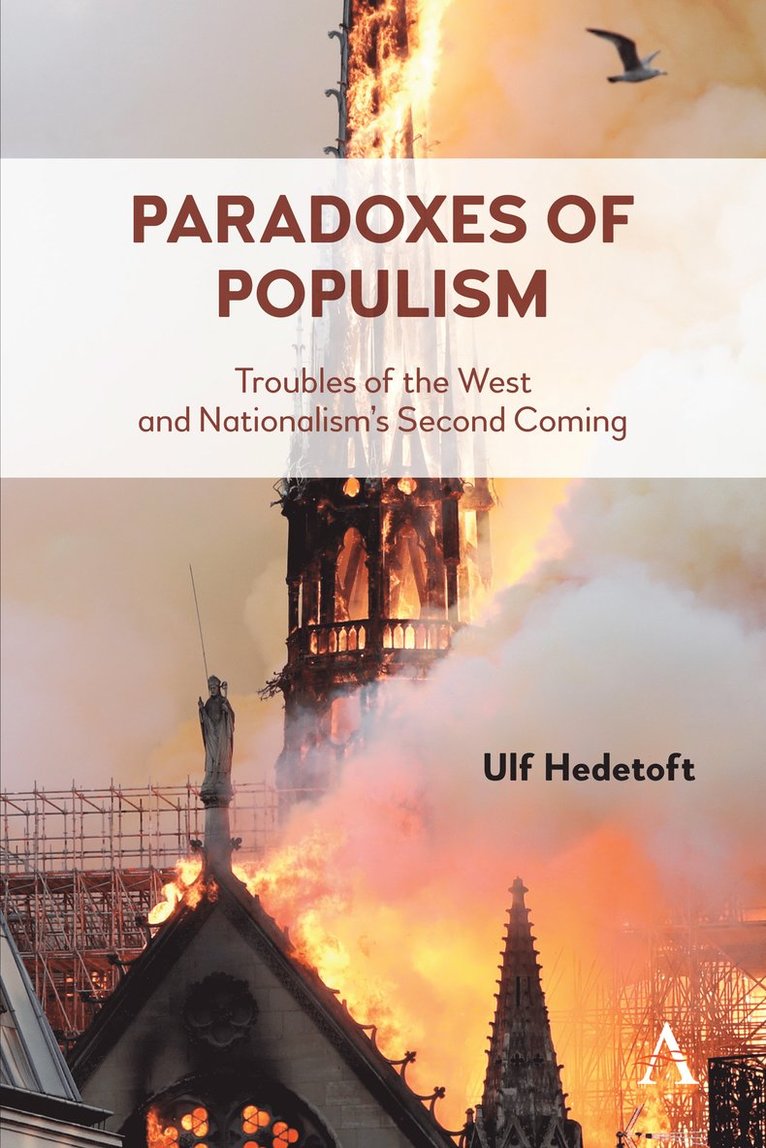
“Paradoxes of Populism” argues that populism, far-from-random similarities with ordinary manifestations of nationalism, should be approached not as a venture into the classical structures of nation-states and identities, but as a disruptive and destabilizing consequence of some of the constituent elements of sovereign nation-states becoming eroded and prised apart by contextual global processes and their agents. The book demonstrates that populism, in its many varieties, is riddled with even more paradoxes and inconsistencies than mainstream nationalism itself––confusing causes and appearances, realities and fantasies and turning the world inside out. This book definitively engages with real-world challenges that the age of populism, the Second Coming of Nationalism, poses in liberal democracies states as well as their political and cultural interpretations in the populist fantasia.
1 291 kr
Skickas inom 5-8 vardagar
Using digital storytelling—a new media genre that began in California in the late 1990s and that proliferated across ‘the West’ in the 2000s—as a site of analysis, this book asks, ‘What is done in the name of the everyday?’ Like everyday multiculturalism, digital storytelling is promoted as an accessible, enabling, and ordinary phenomenon that represents cultural experience more accurately than official sites. As such, the genre frequently houses stories of migration, community, and ethnic and racial differences. In turn, digital story collections often act as digital monuments or repositories of multiculturalism, giving a digital life to narratives of migration, cultural difference, and national belonging. This is evidenced in one of the world’s largest public collections of digital stories, found in the Australian Centre for the Moving Image (ACMI) and referenced throughout this book. Using examples from this collection and pointing to comparable ones in the UK and North America, this book investigates how notions of the everyday become a channel through which certain long-standing discourses of race get redeployed in multicultural nations. What can digital storytelling teach us about the status and future of multiculturalism in these societies? Can digital storytelling re-mediate multiculturalism in new, progressive ways?
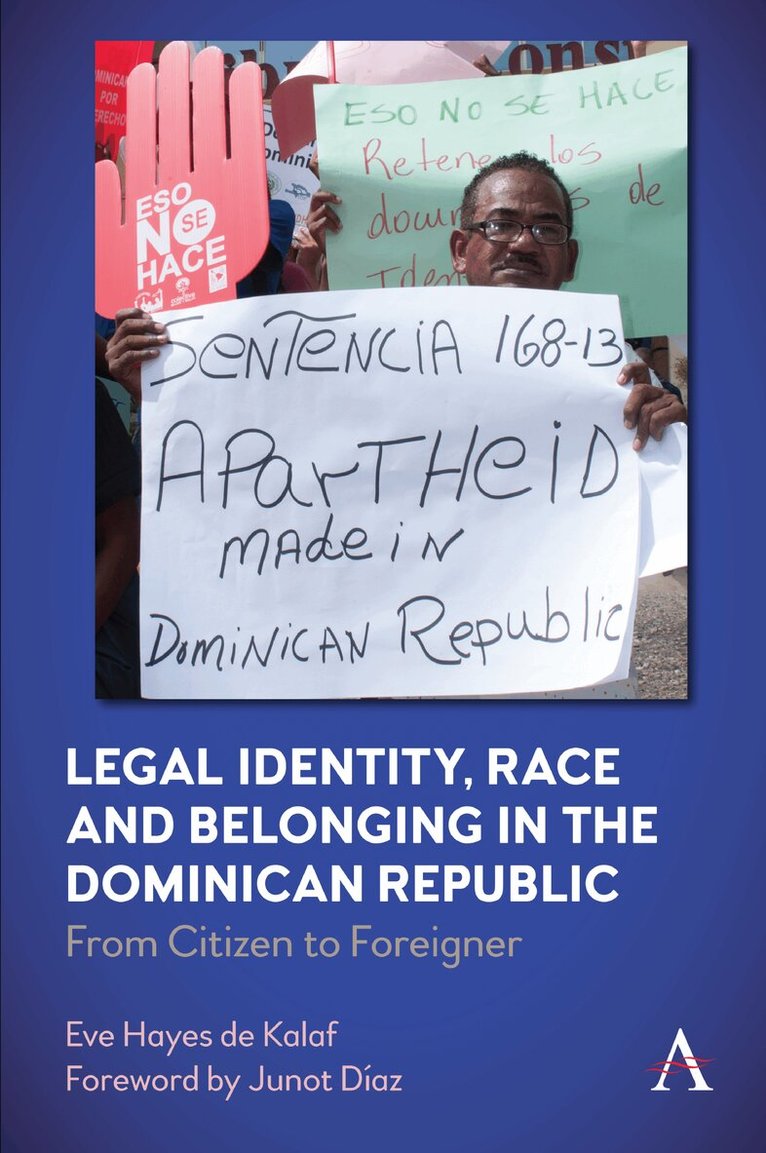
Legal Identity, Race and Belonging in the Dominican Republic
From Citizen to Foreigner
Inbunden, Engelska, 2021
394 kr
Skickas
This book offers a critical perspective into social policy architectures primarily in relation to questions of race, national identity and belonging in the Americas. It is the first to identify a connection between the role of international actors in promoting the universal provision of legal identity in the Dominican Republic with arbitrary measures to restrict access to citizenship paperwork from populations of (largely, but not exclusively) Haitian descent. The book highlights the current gap in global policy that overlooks the possible alienating effects of social inclusion measures promulgated by international organisations, particularly in countries that discriminate against migrant-descended populations. It also supports concerns regarding the dangers of identity management, noting that as administrative systems improve, new insecurities and uncertainties can develop. Crucially, the book provides a cautionary tale over the rapid expansion of identification practices, offering a timely critique of global policy measures which aim to provide all people everywhere with a legal identity in the run-up to the 2030 UN Sustainable Development Goals (SDGs).
414 kr
Skickas inom 5-8 vardagar
Using digital storytelling—a new media genre that began in California in the late 1990s and that proliferated across ‘the West’ in the 2000s—as a site of analysis, this book asks, ‘What is done in the name of the everyday?’ Like everyday multiculturalism, digital storytelling is promoted as an accessible, enabling, and ordinary phenomenon that represents cultural experience more accurately than official sites. As such, the genre frequently houses stories of migration, community, and ethnic and racial differences. In turn, digital story collections often act as digital monuments or repositories of multiculturalism, giving a digital life to narratives of migration, cultural difference, and national belonging. This is evidenced in one of the world’s largest public collections of digital stories, found in the Australian Centre for the Moving Image (ACMI) and referenced throughout this book. Using examples from this collection and pointing to comparable ones in the UK and North America, this book investigates how notions of the everyday become a channel through which certain long-standing discourses of race get redeployed in multicultural nations. What can digital storytelling teach us about the status and future of multiculturalism in these societies? Can digital storytelling re-mediate multiculturalism in new, progressive ways?
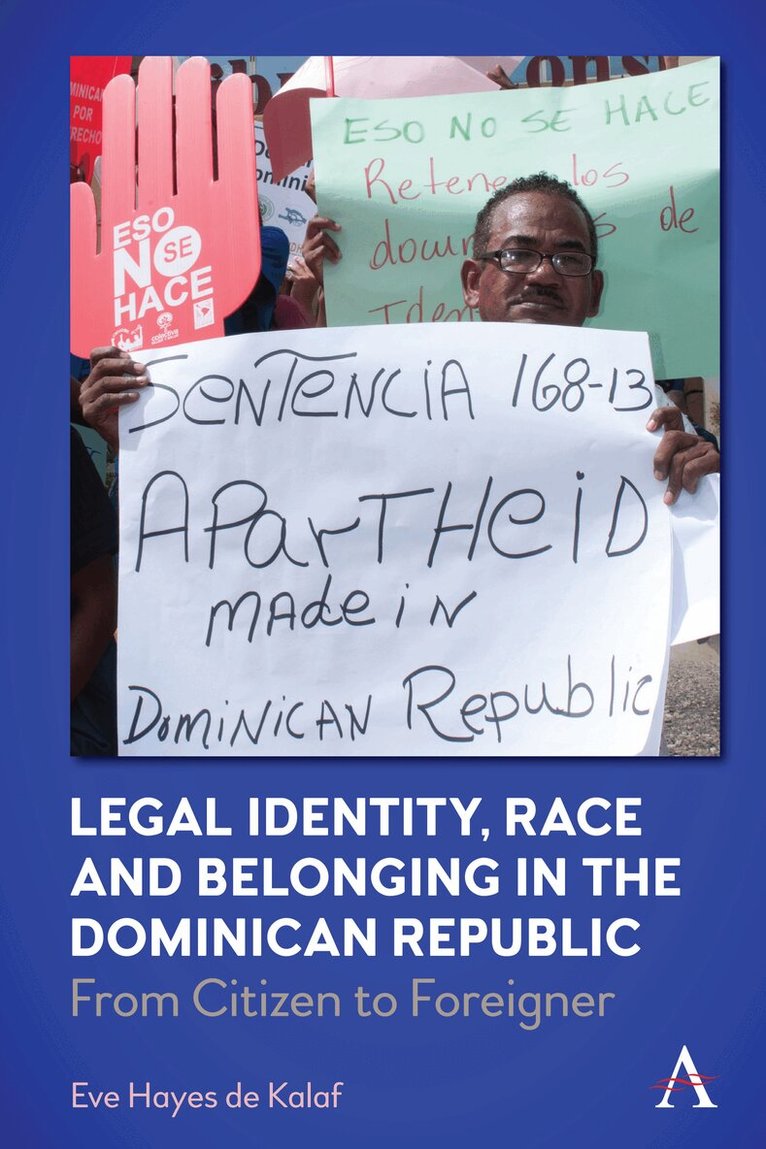
Legal Identity, Race and Belonging in the Dominican Republic
From Citizen to Foreigner
Häftad, Engelska, 2023
324 kr
Skickas inom 5-8 vardagar
This book offers a critical perspective into social policy architectures primarily in relation to questions of race, national identity and belonging in the Americas. It is the first to identify a connection between the role of international actors in promoting the universal provision of legal identity in the Dominican Republic with arbitrary measures to restrict access to citizenship paperwork from populations of (largely, but not exclusively) Haitian descent. The book highlights the current gap in global policy that overlooks the possible alienating effects of social inclusion measures promulgated by international organisations, particularly in countries that discriminate against migrant-descended populations. It also supports concerns regarding the dangers of identity management, noting that as administrative systems improve, new insecurities and uncertainties can develop. Crucially, the book provides a cautionary tale over the rapid expansion of identification practices, offering a timely critique of global policy measures which aim to provide all people everywhere with a legal identity in the run-up to the 2030 UN Sustainable Development Goals (SDGs).