Anthropological Papers – serie
Visar alla böcker i serien Anthropological Papers. Handla med fri frakt och snabb leverans.
21 produkter
21 produkter
Häftad, Engelska, 2015
297 kr
Skickas inom 5-8 vardagar
The Anthropological Papers of the University of Arizona is a peer-reviewed monograph series sponsored by the School of Anthropology. Established in 1959, the series publishes archaeological and ethnographic papers that use contemporary method and theory to investigate problems of anthropological importance in the southwestern United States, Mexico, and related areas.
Häftad, Engelska, 2015
297 kr
Skickas inom 5-8 vardagar
The Anthropological Papers of the University of Arizona is a peer-reviewed monograph series sponsored by the School of Anthropology. Established in 1959, the series publishes archaeological and ethnographic papers that use contemporary method and theory to investigate problems of anthropological importance in the southwestern United States, Mexico, and related areas.
Häftad, Engelska, 2015
297 kr
Skickas inom 5-8 vardagar
The Anthropological Papers of the University of Arizona is a peer-reviewed monograph series sponsored by the School of Anthropology. Established in 1959, the series publishes archaeological and ethnographic papers that use contemporary method and theory to investigate problems of anthropological importance in the southwestern United States, Mexico, and related areas.
Häftad, Engelska, 2015
297 kr
Skickas inom 5-8 vardagar
The Anthropological Papers of the University of Arizona is a peer-reviewed monograph series sponsored by the School of Anthropology. Established in 1959, the series publishes archaeological and ethnographic papers that use contemporary method and theory to investigate problems of anthropological importance in the southwestern United States, Mexico, and related areas.
Häftad, Engelska, 2015
297 kr
Skickas inom 5-8 vardagar
Intensive analysis of adaptive experiences of five Papago laborers in four different occupational environments.
Häftad, Engelska, 2015
297 kr
Skickas inom 5-8 vardagar
The Anthropological Papers of the University of Arizona is a peer-reviewed monograph series sponsored by the School of Anthropology. Established in 1959, the series publishes archaeological and ethnographic papers that use contemporary method and theory to investigate problems of anthropological importance in the southwestern United States, Mexico, and related areas.
Häftad, Engelska, 2015
297 kr
Skickas inom 5-8 vardagar
The Anthropological Papers of the University of Arizona is a peer-reviewed monograph series sponsored by the School of Anthropology. Established in 1959, the series publishes archaeological and ethnographic papers that use contemporary method and theory to investigate problems of anthropological importance in the southwestern United States, Mexico, and related areas
Häftad, Engelska, 2015
297 kr
Skickas inom 5-8 vardagar
The Anthropological Papers of the University of Arizona is a peer-reviewed monograph series sponsored by the School of Anthropology. Established in 1959, the series publishes archaeological and ethnographic papers that use contemporary method and theory to investigate problems of anthropological importance in the southwestern United States, Mexico, and related areas.
Häftad, Engelska, 2015
297 kr
Skickas inom 5-8 vardagar
Salvage operations in Hohokam sites of the Colonial, Sedentary and Classic periods. Includes appendices on prehistoric maize and textiles.
Häftad, Engelska, 2015
297 kr
Skickas inom 5-8 vardagar
The Anthropological Papers of the University of Arizona is a peer-reviewed monograph series sponsored by the School of Anthropology. Established in 1959, the series publishes archaeological and ethnographic papers that use contemporary method and theory to investigate problems of anthropological importance in the southwestern United States, Mexico, and related areas.
Häftad, Engelska, 2015
458 kr
Skickas inom 3-6 vardagar
The Anthropological Papers of the University of Arizona is a peer-reviewed monograph series sponsored by the School of Anthropology. Established in 1959, the series publishes archaeological and ethnographic papers that use contemporary method and theory to investigate problems of anthropological importance in the southwestern United States, Mexico, and related areas.
Häftad, Engelska, 2015
458 kr
Skickas inom 3-6 vardagar
"This is a significant volume for those interested in Arizona prehistory."—Southwestern Lore"A valuable contribution to the study of Archaic cultures of the Southwestern United States."—Latin American Antiquity
Häftad, Engelska, 1992
478 kr
Skickas inom 3-6 vardagar
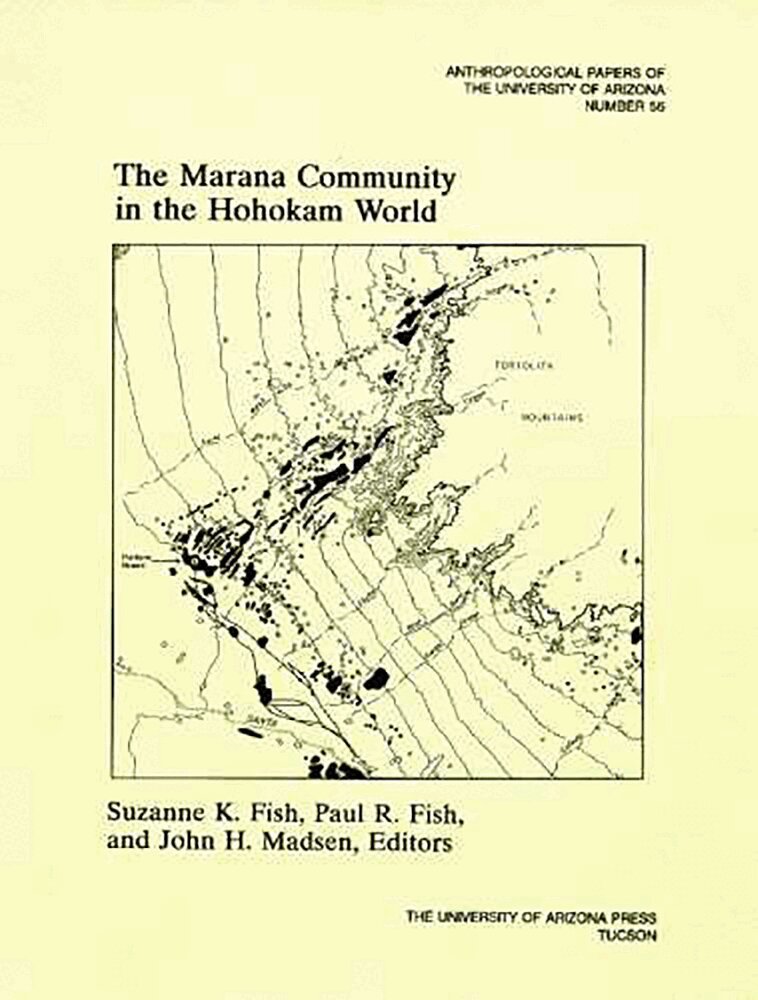
This account of Classic Period settlement in the Tucson Basin between A.D. 1100 and 1300 is the first comprehensive description of the organization of territory, subsistence, and society in a Hohokam community of an outlying region. Broad recovery of settlement patterns reveals in unique detail the developmental history of the Marana Community and its hierarchical structure about a central site with a platform mound. Remains of diverse agricultural technologies demonstrate the means for supporting populations of previously unrecognized size.
Häftad, Engelska, 2016
224 kr
Skickas inom 11-20 vardagar
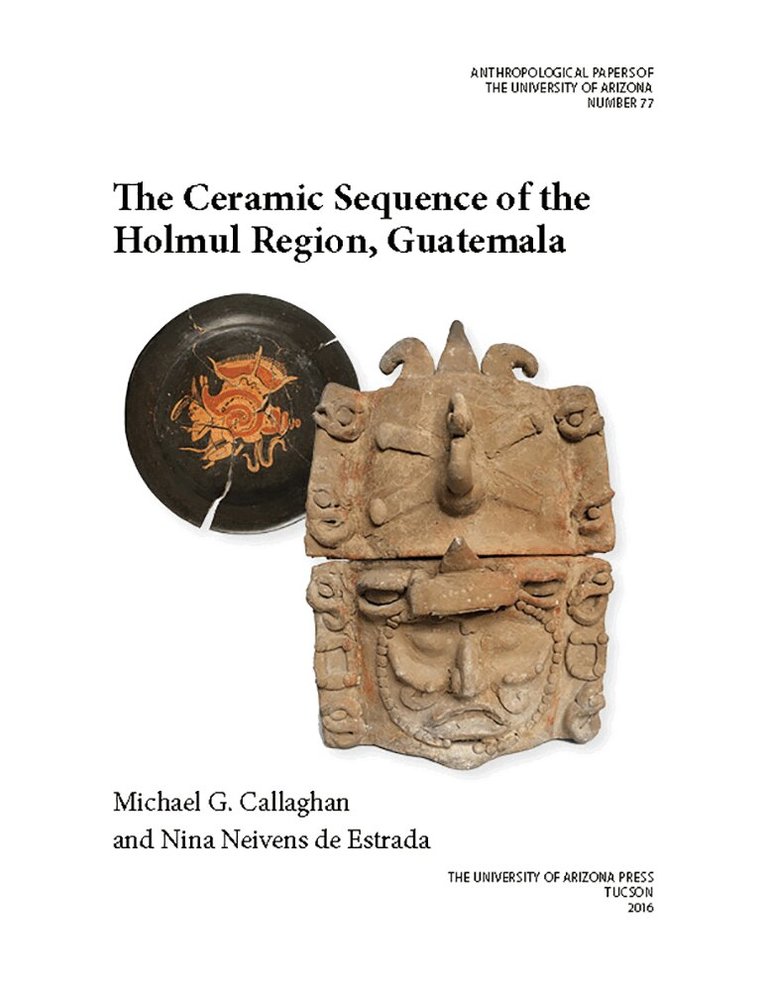
Sequencing the ceramics in Guatemala’s Holmul region has the potential to answer important questions in Maya archaeology. The Holmul region, located in northeastern Guatemala between the central Peten lowlands to the west and the Belize River Valley to the east, encompasses roughly ten square kilometers and contains at least seven major archaeological sites, including two large ceremonial and administrative centers, Holmul and Cival.The Ceramic Sequence of the Holmul Region, Guatemala illustrates the archaeological ceramics of these prehistoric Maya sites in a study that provides a theoretical starting point for answering questions related to midand high-level issues of archaeological method and theory in the Maya area and larger Mesoamerica. The researchers’ ceramic sequence, which uses the method of type:variety-mode classification, spans approximately 1,600 years and encompasses nine ceramic complexes and one sub-complex. The highly illustrated book is formatted as a catalog of the types of ceramics in a chronological framework.The authors undertook this study with three objectives: to create a temporal-spatial framework for archaeological sites in the politically important Holmul region, to relate this framework to other Maya sites, and to use type:variety-mode data to address specific questions of ancient Maya social practice and process during each ceramic complex.Specific questions addressed in this volume include, the adoption of pottery as early as 800 BC at the sites of Holmul and Cival during the Middle Preclassic period, the creation of the first orange polychrome pottery, the ideological and political influence from sites in Mexico during the Early Classic period, and the demographic and political collapse of lowland Maya polities between AD 800 and AD 830.
Häftad, Engelska, 2019
224 kr
Skickas inom 11-20 vardagar
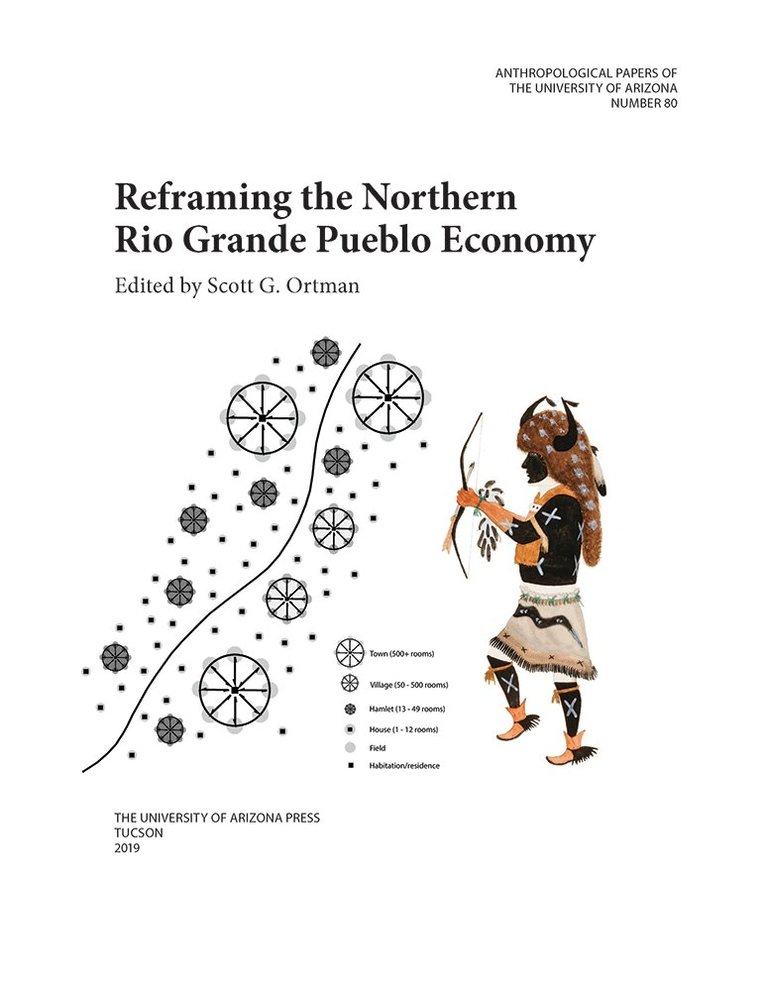
Rio Grande pueblo societies took shape in the aftermath of significant turmoil and migration in the thirteenth century. In the centuries that followed, the size of Pueblo settlements, level of aggregation, degree of productive specialization, extent of interethnic exchange, and overall social harmony increased to unprecedented levels.Economists recognize scale, agglomeration, the division of labor, international trade, and control over violence as important determinants of socioeconomic development in the modern world. But is a development framework appropriate for understanding Rio Grande archaeology? What do we learn about contemporary Pueblo culture and its resiliency when Pueblo history is viewed through this lens? What does the exercise teach us about the determinants of economic growth more generally?The contributors in this volume argue that ideas from economics and complexity science, when suitably adapted, provide a compelling approach to the archaeological record. Contributors consider what we can learn about socioeconomic development through archaeology and explore how Pueblo culture and institutions supported improvements in the material conditions of life over time. They examine demographic patterns; the production and exchange of food, cotton textiles, pottery, and stone tools; and institutional structures reflected in village plans, rock art, and ritual artifacts that promoted peaceful exchange. They also document change through time in various economic measures and consider their implications for theories of socioeconomic development.The archaeological record of the Northern Rio Grande exhibits the hallmarks of economic development, but Pueblo economies were organized in radically different ways than modern industrialized and capitalist economies. This volume explores the patterns and determinants of economic development in pre-Hispanic Rio Grande Pueblo society, building a platform for more broadly informed research on this critical process.
Häftad, Engelska, 2023
199 kr
Skickas inom 11-20 vardagar
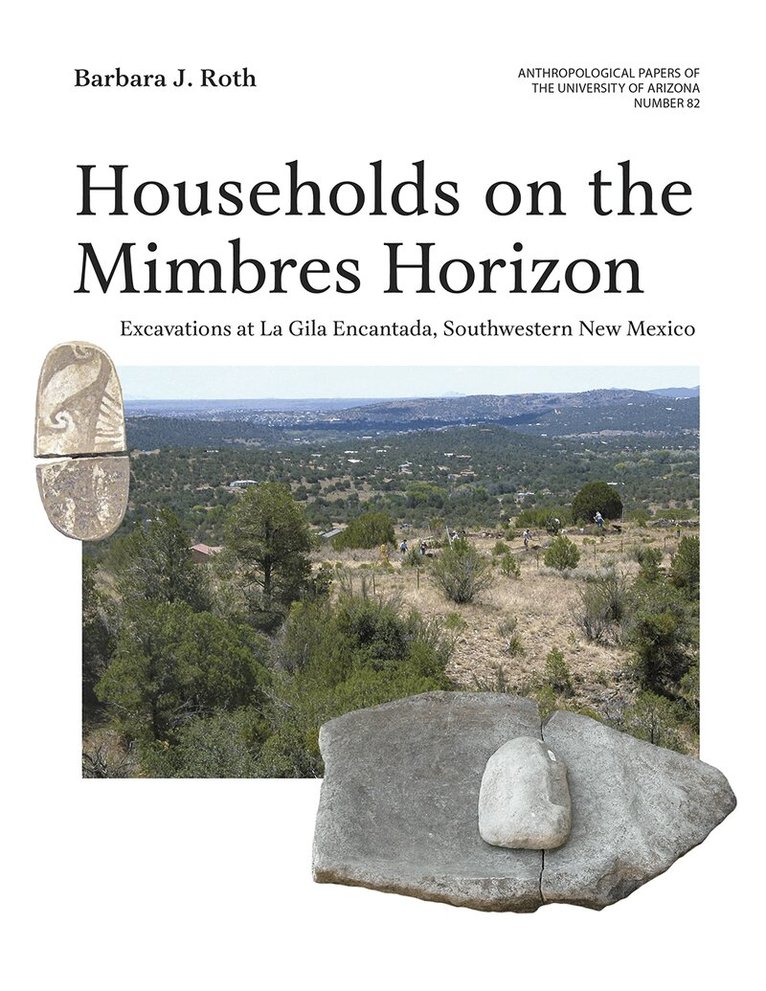
Pithouse sites represent the basic form of occupation in the Mimbres Mogollon region of southwestern New Mexico from AD 200 to the late 900s. This study presents the results of excavations of one such site, called La Gila Encantada.Little is known about the variability present at pithouse sites away from the major Mimbres and Gila River Valleys. Nonriverine occupations have been understudied until now. This book describes subsistence and settlement practices and compares the results with recent research conducted at the larger villages in the Mimbres River Valley. Despite basic similarities in material culture, households at La Gila Encantada appear to have followed different trajectories than those along the rivers. Examining these differences, archaeologist Barbara J. Roth provides insights into some of the reasons why they existed and shows that the variability present in pithouse occupations over the years was tied to multiple factors, including environmental differences, economic practices, and the social composition of groups occupying the sites. With chapters assessing ceramic data, chipped and groundstone analysis, shell and mineral jewelry, and regional context, this look at the past offers relevant insights into current issues in Southwest archaeology, including identity, interaction, and household organization.
Häftad, Engelska, 2024
325 kr
Skickas inom 5-8 vardagar
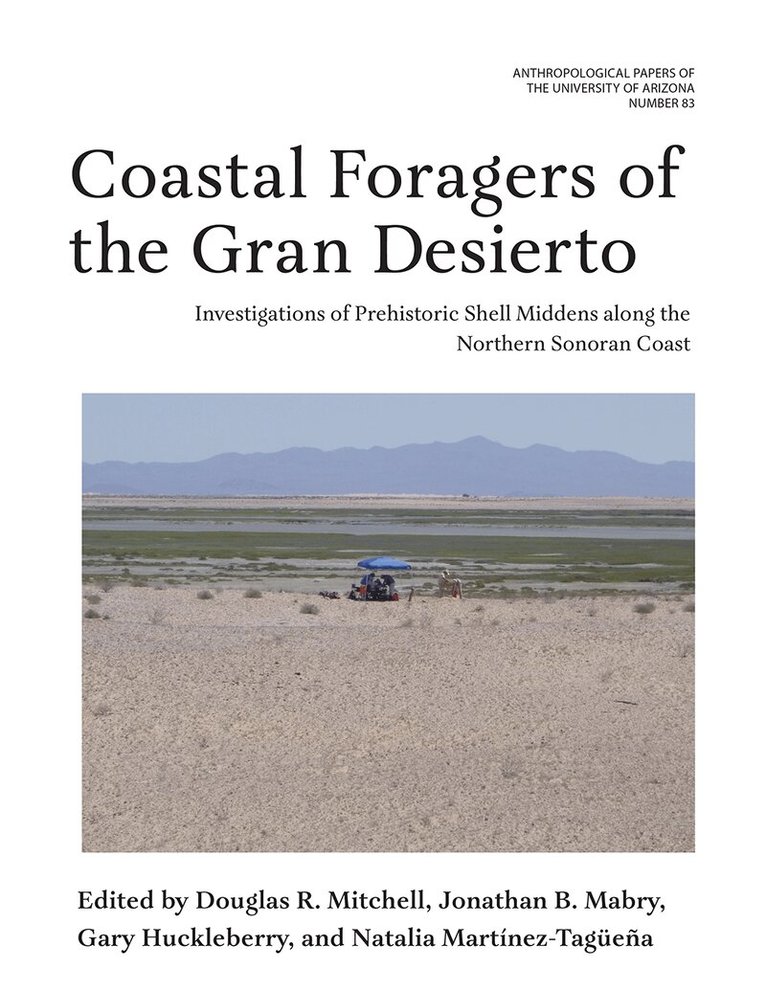
The result of nearly twenty years of interdisciplinary research, this volume contributes to the archaeological and paleoenvironmental knowledge of an important but lightly investigated hyperarid coastline at the heart of the Sonoran Desert.Focused on the coast near Puerto PeÑasco, Sonora, Mexico, Coastal Foragers of the Gran Desierto examines the diverse groups occupying the coast for salt, abundant food sources, and shells for ornament manufacturing. The archaeological patterns demonstrated by the data gathered lead to the conclusion that, since ancient times, this coastal landscape was not a marginal zone but rather an important source of food and trade goods, and a pilgrimage destination that influenced broad and diverse communities across the Sonoran Desert and beyond.ContributorsJenny L. AdamsKaren R. AdamsThomas BowenTessa L. BranyanBill BroylesRichard C. BruscaDavid L. DettmanMichael S. FosterGary HuckleberryJonathan B. MabryNatalia MartÍnez-TagÜeÑaRichard J. MartynecDouglas R. MitchellKirsten RowellMelissa R. SchwanM. Steven ShackleyR. J. SlivaKayla B. Worthey
Häftad, Engelska, 2024
242 kr
Skickas inom 5-8 vardagar
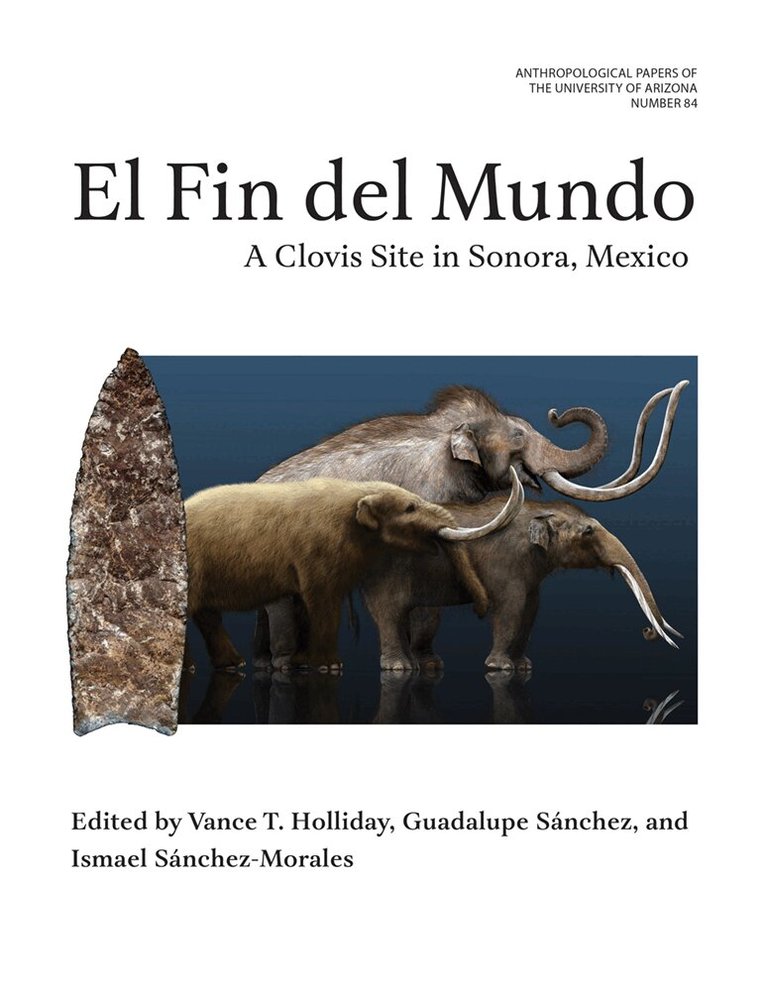
In a remote desert corner of Sonora, Mexico, the site of El Fin del Mundo offers the first recorded evidence of Paleoindian interactions with gomphotheres, an extinct species related to elephants. The Clovis occupation of North America is the oldest generally accepted and well-documented archaeological assemblage on the continent. This site in Sonora, Mexico, is the northernmost dated late Pleistocene gomphothere and the youngest in North America. It is the first documented intact buried Clovis site outside of the United States, the first in situ Paleoindian site in northwestern Mexico, and the first documented evidence of Clovis gomphothere hunting in North America. The site also includes an associated upland Clovis campsite. This volume also describes a paleontological bone bed below the Clovis level, which includes a rare association of mastodon, mammoth, and gomphothere.El Fin del Mundo presents and synthesizes the archaeological, geological, paleontological, and paleoenvironmental records of an important Clovis site.ContributorsJoaquÍn Arroyo-CabralesJordan BrightJames K. FeathersEdmund P. GainesThanairi GamezGregory W. L. HodginsVance T. HollidaySusan M. MentzerCarmen Isela Ortega-RosasManuel R. Palacios-FestGuadalupe SÁnchezIsmael SÁnchez-MoralesKayla B. WortheyKristen Wroth
Häftad, Engelska, 2025
270 kr
Skickas inom 5-8 vardagar
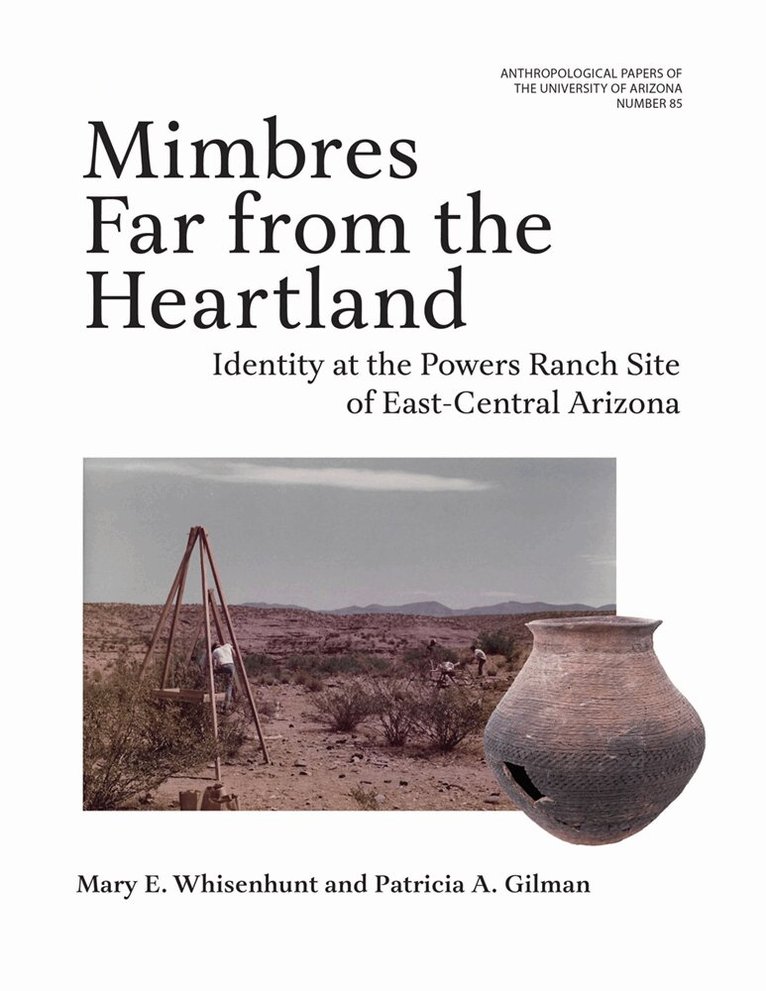
This new work offers a unique investigation into the complexities of Mimbres identity and social dynamics beyond the traditional Mimbres Valley heartland. Situated at the western edge of the Mimbres region, the Powers Ranch site represents the only professionally excavated Classic period settlement in Arizona’s Gila River Valley. Through excavation and analysis of architecture and a rich array of artifacts, including ceramic sherds, projectile points, and shell artifacts, the authors provide a detailed look at the lives of Mimbres people on the periphery. This work compares findings from Powers Ranch with those from neighboring sites in the Gila River Valley and further east in the Mimbres Valley, unraveling patterns of identity and affiliation that challenge previous understandings. The study is guided by three key research questions: the extent of affiliation between the community at the Powers Ranch site and Mimbres communities to the east, patterns that suggest Powers Ranch was a habitation and not a limited activity site, and whether the site was unique in comparison with Mimbres occupations situated to the south in the Gila River Valley. Contributions from scholars M. Steven Shackley, Martin H. Welker, and Arthur W. Vokes further enrich this volume, ensuring a comprehensive and authoritative exploration of the Powers Ranch site. Mimbres Far from the Heartland is an invaluable addition to Southwest archaeology, shedding light on how people constructed unique identities in edge communities and how these identities were expressed through material culture and social networks. Whisenhunt and Gilman’s work significantly advances our understanding of Mimbres communities, offering new insights into the social resilience and cultural affiliations of people living far from their cultural heartland.
Häftad, Engelska, 2026
301 kr
Kommande
This work presents the results of more than a decade of archaeological fieldwork at the Rooney Ranch site in Oro Valley, Arizona—an upland Hohokam village that played a key role in regional agave production. Edited by Jeffrey T. Jones and Helen L. O'Brien, this volume synthesizes extensive data collected by the Pima Community College Centre for Archaeological Field Training, offering a rare and richly detailed look at how small peripheral settlements contributed to the sustainability of larger Hohokam communities in the Sonoran Desert. Through GIS-based mapping and the analysis of ceramics, lithics, and faunal and botanical remains, the book reveals how specialized land use shaped the economic and social fabric of the region for centuries.This legacy project stands out not only for its depth but also for its educational significance. As one of the few long-term, community-college-led excavations in the Southwest, the Rooney Ranch project highlights the vital role of student training and local collaboration in archaeological research. With more than seventy data-rich tables and contributions from leading specialists, this volume is an essential resource for archaeologists, historians, and anyone interested in Indigenous land use, desert adaptation, and the enduring legacy of the Hohokam in southern Arizona.Contributors Jon Boyd Chance Copperstone Michael W. Diehl Linda M. Gregonis Lea Mason-Kohlmeyer Christine H. Virden-Lange
Häftad, Engelska, 2026
402 kr
Kommande
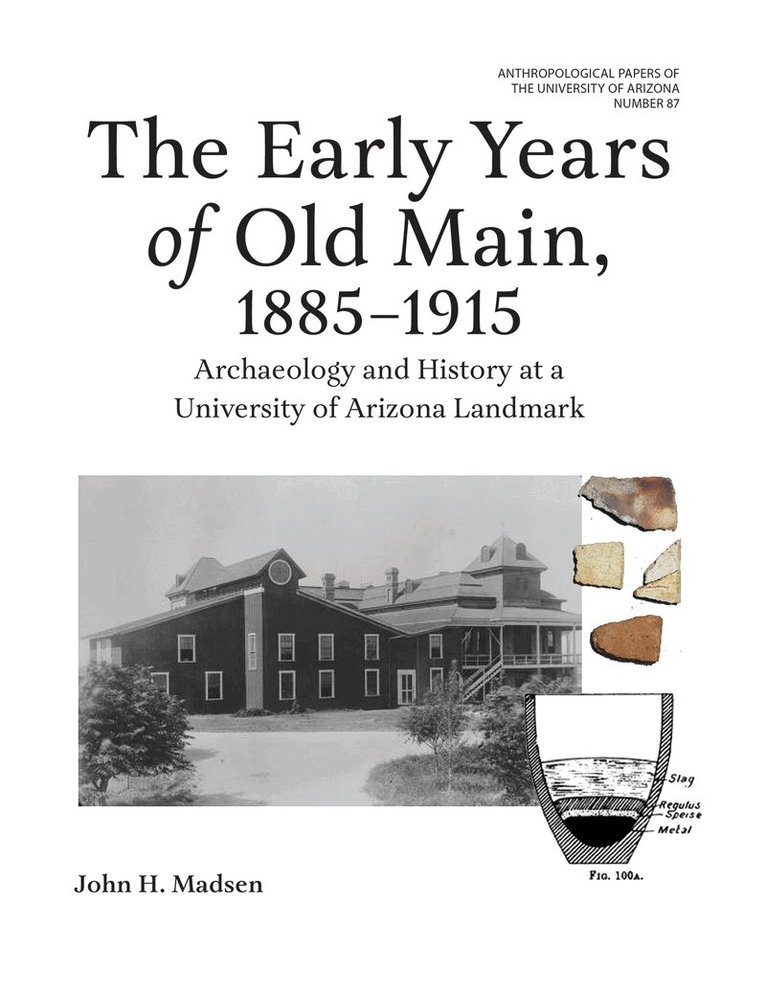
The Early Years of Old Main, 1885–1915 details the archaeological discoveries revealed during the 2012–14 renovation of Old Main, which, due to its age and historic records, is on the National Register of Historic Places.Thanks to detailed excavation work by a team of archaeologists, this work documents eight historic features of the building, ranging from equipment pads to drainage systems. Drawing on archaeological monitoring, artifact analysis, archival records, architectural drawings, and historic photographs, the narrative reconstructs how Old Main functioned during the university's first decades and how its physical spaces supported early scientific instruction in mining, metallurgy, and agriculture.More than a technical report, this volume offers a tangible glimpse into the material foundations of higher education in territorial and early statehood Arizona. Madsen's careful documentation preserves knowledge of features that could not be saved during renovation and places them in the broader context of Old Main's architectural evolution and its central role on campus. The result is an important resource for historians, archaeologists, preservationists, and anyone who values the University of Arizona's heritage—demonstrating that even the most familiar buildings can still hold untold stories beneath their floors and landscapes.