Appearances – Studies in Visual Research - Böcker
Visar alla böcker i serien Appearances – Studies in Visual Research. Handla med fri frakt och snabb leverans.
5 produkter
5 produkter
1 451 kr
Skickas inom 5-8 vardagar
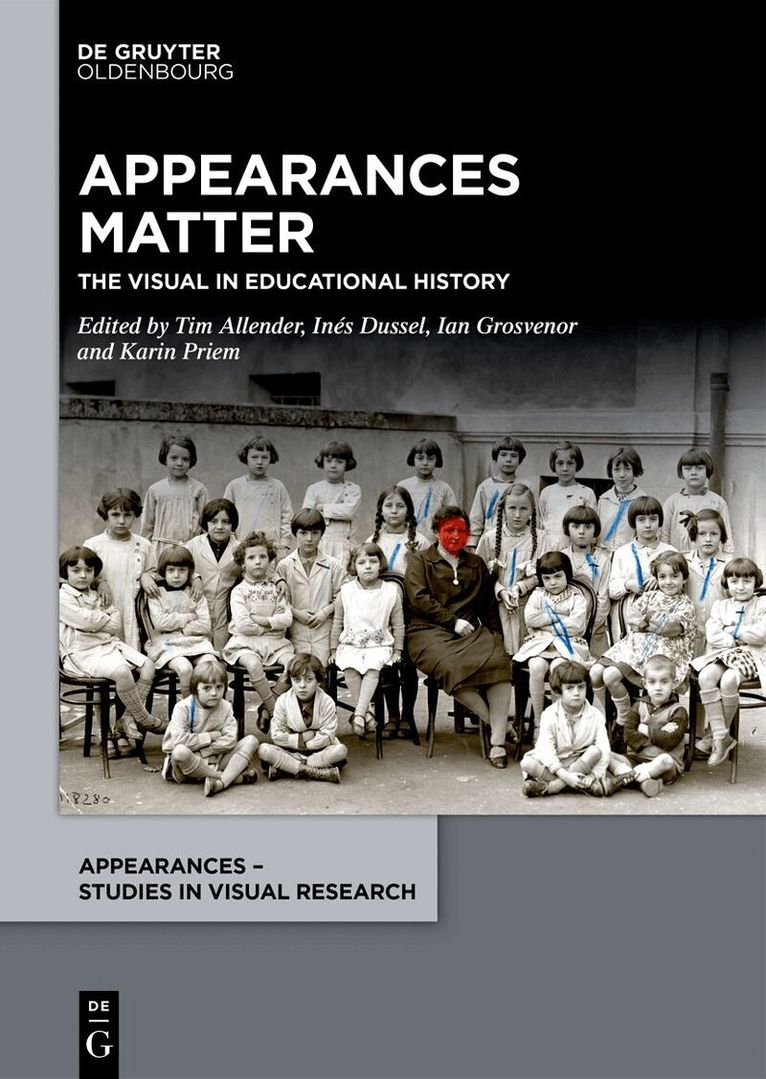
The visual turn recovers new pasts. With education as its theme, this book seeks to present a body of reflections that questions a certain historicism and renovates historiographical debate about how to conceptualize and use images and artifacts in educational history, in the process presenting new themes and methods for researchers. Images are interrogated as part of regimes of the visible, of a history of visual technologies and visual practices. Considering the socio-material quality of the image, the analysis moves away from the use of images as mere illustrations of written arguments, and takes seriously the question of the life and death of artifacts – that is, their particular historicity. Questioning the visual and material evidence in this way means considering how, when, and in which régime of the visible it has come to be considered as a source, and what this means for the questions contemporary researchers might ask.
They did not stop at Eboli
UNESCO and the Campaign against Illiteracy in a Reportage by David “Chim” Seymour and Carlo Levi (1950)
Inbunden, Engelska, 2020
1 475 kr
Skickas inom 5-8 vardagar
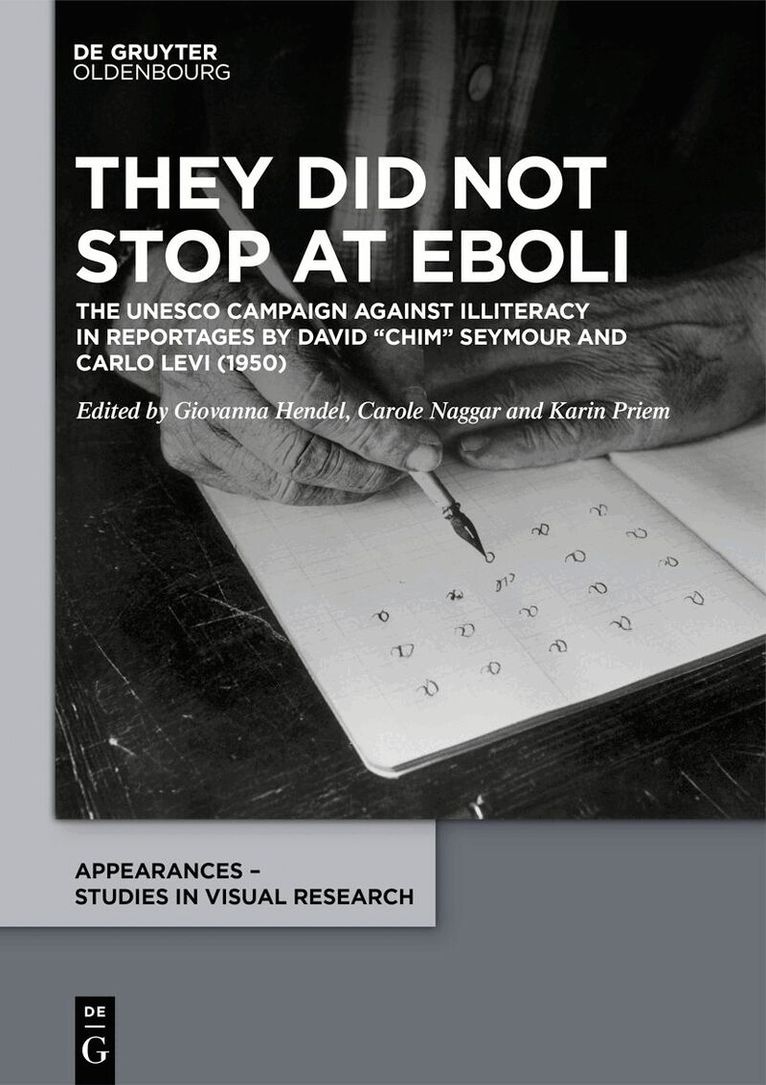
The analysis of UNESCO’s audio-visual archives for their digitization has brought to light a forgotten album of 38 contact sheets and accompanying texts by Magnum photographer, David “Chim” Seymour – a reportage made in 1950 for UNESCO on the fi ght against illiteracy in Italy’s southern region of Calabria. A number of his photographs appeared in the March 1952 issue of UNESCO Courier in an article written by Carlo Levi, who had gained worldwide fame with his novel Christ Stopped at Eboli (1945). L’analyse des archives audio-visuelles de l’UNESCO en vue de leur numérisation a permis de découvrir un album oublié comprenant 38 planches-contact et des textes d’accompagnement du photographe de Magnum David « Chim » Seymour – un reportage réalisé en 1950 pour l’UNESCO sur la bataille contre l’analphabétisme en Calabre, une région du sud de l’Italie. Un certain nombre de ses photographies ont été publiées dans le numéro de mars 1952 du Courrier de l’UNESCO avec un article de Carlo Levi, dont le roman Le Christ s’est arrêté à Eboli (1945) lui avait valu une renommée internationale
1 307 kr
Skickas inom 5-8 vardagar
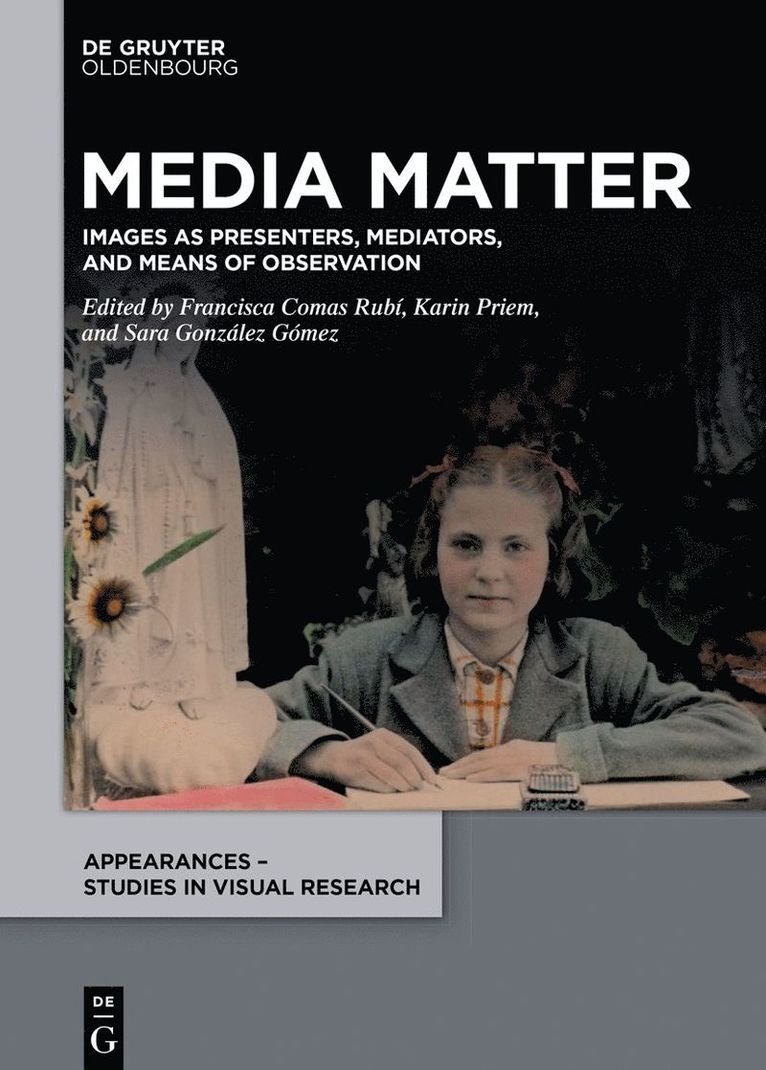
This volume discusses a broad range of themes and methodological issues around images, photography and film. It is about sharing a fascination about the visual history of education and how images became the most influential (circulating) media within the field of education on local, regional, national and international levels. Within this volume images are primarily analyzed as presenters, mediators, and means of observation. Images are seen as mobile reproducible media which play an active role within the public and educational sphere. They are means of observation and storytelling, they shape identities by presenting models of how we should act in and perceive the world, they circulate though different contexts and media, all of which impacts their meanings.
1 539 kr
Skickas inom 5-8 vardagar
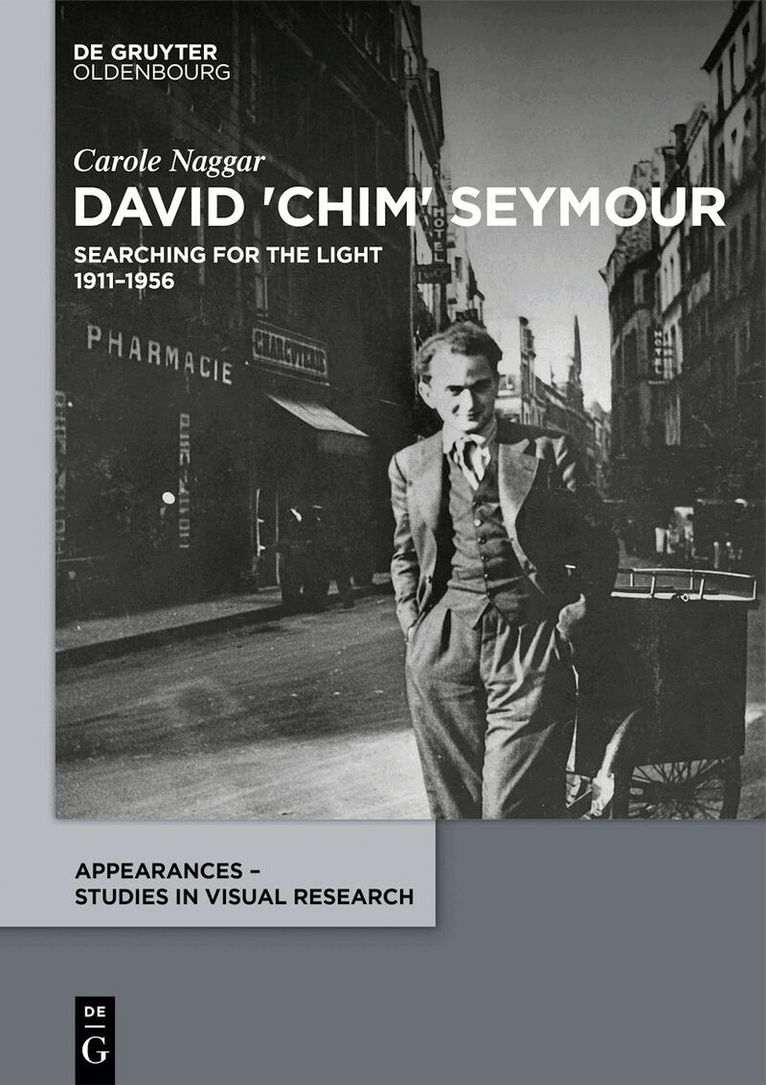
"He used his camera like a doctor would use a stethoscope in order to diagnose the state of the heart. His own was vulnerable.", Cartier-Bresson wrote about David Seymour, who liked to be called Chim. Chim is best known as one of the cofounders of photojournalism’s famous cooperative Magnum Photos. Weaving Chim’s life and work, this book discovers this empathetic photographer who has been called "The First Human Rights Photographer". In 1947, Chim was one of the four cofounders of the Magnum Photos cooperative with Robert Capa, Henri Cartier-Bresson and George Rodger. He also wrote Magnum’s 1955 bylaws, which are still in effect today. But he is the only one of those famous photographers who does not have a full biography to his name. This book examines his life and work from Poland to France to the Spanish Civil War, his work for British intelligence during World War II, his reportage on Europe’s children after the war, his reportages on Italian actors, illiteracy and religious festivals in Southern Italy, his coverage of Israel’s beginnings before his 1956 death during the Suez war. His complex itinerary is emblematic of the displacements and passages of the XXth century.
1 215 kr
Skickas inom 3-6 vardagar
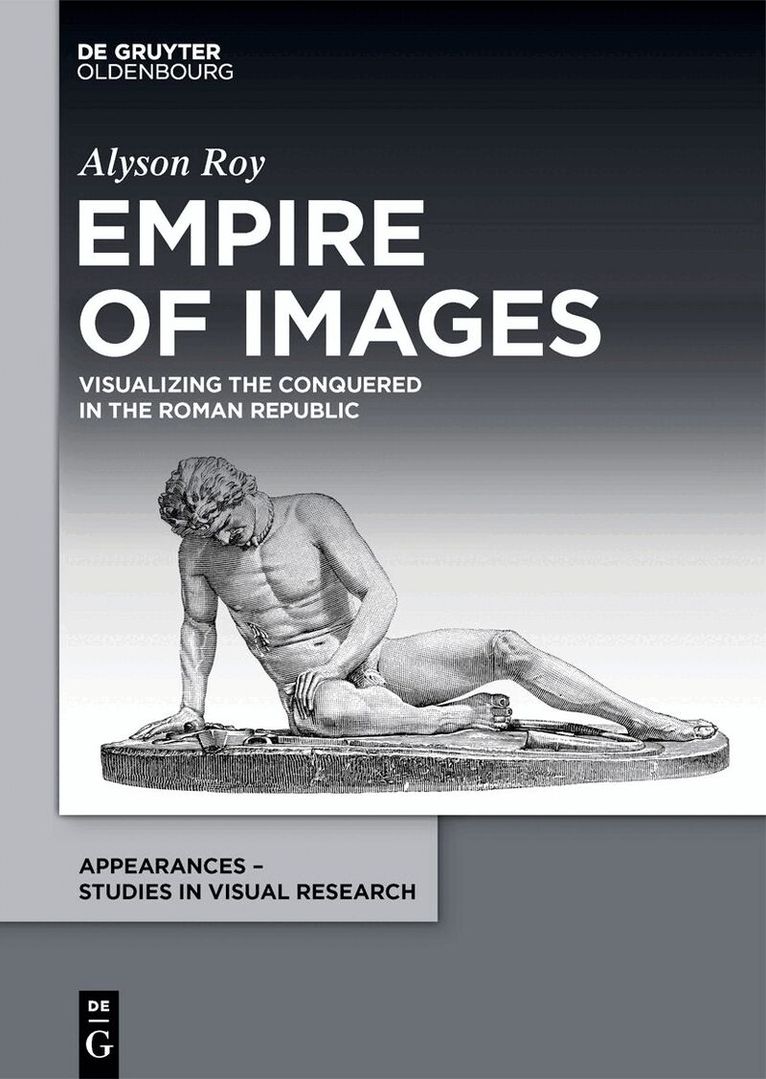
Rome was an empire of images, especially images that bolstered their imperial identity. Visual and material items portraying battles, myths, captives, trophies, and triumphal parades were particularly important across the Roman empire. But where did these images originate and what shaped them? Empire of Images explores the development of the Roman visual language of power in the Republic in Iberian Peninsula, the Gallic provinces, and Greece and Macedonia, centering the development of imperial imagery in overseas conquest. Drawing on a range of material evidence, this book argues that Roman imperial imagery developed through prolonged interaction with and adaptation by subjugated peoples. Despite their starring role in Roman imagery, the populations of Rome’s provinces continuously reinterpreted and reimagined Roman images of power to navigate their membership in the new imperial community, and in doing so, contributed to the creation of a universal visual language that continues to shape how Rome is understood.