Arc Classics: New Translations of Great Poets of the Past – serie
Visar alla böcker i serien Arc Classics: New Translations of Great Poets of the Past. Handla med fri frakt och snabb leverans.
6 produkter
6 produkter
144 kr
Skickas
Vladimir Mayakovsky was one of the towering literary figures of pre- and post-revolutionary Russia, speaking as much to the working man as to other poets. His fascination with sound and form, linguistic metamorphosis and variation made him a sort of 'poet's poet', the doyen, if not the envy, of his contemporaries, (Pasternak among them). His poetry is strangely akin to modern rock poetry in its erotic thrust, bluesy complaints and cries of pain, not to mention its sardonic humour. It is often aggressive, mocking and yet tender, and can be fantastic or grotesque.That's What is a long love poem detailing the pain and suffering inflicted on the poet by his lover Maria and her final rejection of him. But as well as being an agonising parable of separation and betrayal, it is also a political work, highly critical of Lenin's reforms of Soviet Socialism. The publication of That's What is something of a landmark as this the first time that this seminal work has appeared in its entirety in translation. Included also are the 12 inspired photomontages that Rodchenko designed to interleave and illuminate the text, illustrations which inaugurate a world of new possibilities in combining verbal and visual forms of expression and which are reproduced in colour for the first time. "Arc have produced a handsome Russian-English edition of this personal epic of the early years of the Revolution, first published in the LEF journal (Left Front of the Arts) in 1923. George Hyde adds a lively note on 'Translating Mayakovsky's That's What'. His co-translator, Larisa Gureyeva, is the granddaughter of V.M. Molotov-Skryabin, co-signatory of the notorious pact with Germany of 1939. Hyde writes of the 'permissive' 1920s in the early Soviet Union. Following the recent splendid exhibition of Rodchenko and Popova at the Tate Modern, there are increasing signs of a growing interest in the early, tumultuous years of the Russian Revolution."The Spokesman Vladimir Mayakovsky was born in Georgia in 1893, but moved with his family to Moscow after his father's sudden death. By the time he was 20, he was a well-known literary figure, having toured Russia in the winter of 1913-14 with the Futurists (with whom he had identified). He made several trips abroad during the 1920s, including a long visit to America in 1925. A prolific writer, he still remains a popular poet among present-day Russian readers. He died in 1930 by his own hand, killing himself playing Russian roulette with a single bullet. Aleksander Rodchenko was a Russian artist, sculptor and photographer and one of the most versatile Constructivist and Productivist artists to emerge after the Russian Revolution.This book is also available as an ebook: buy it from Amazon here.
281 kr
Skickas inom 3-6 vardagar
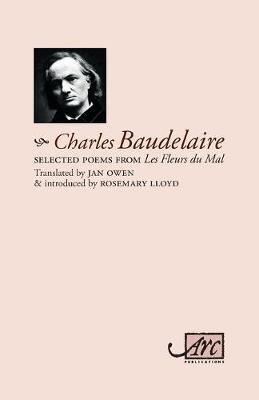
The poems of The Flowers of Evil were written in Paris at a time of revolution andaccelerating change – the beginning of mass culture, the rise of consumerism and themiddle-class, the radical redevelopment of the city by Haussmann – and they provide many parallels with the malaise and uncertainties of contemporary capitalist societies.Here we find poems about love (and love-hate), birds and beasts, Paris scenes and street people; about spiritual revolt, wine, death, travel and faraway places. The poet's voice is by turns ironical, angry and compassionate, his words charged with anguish, desire and rapture.
132 kr
Skickas
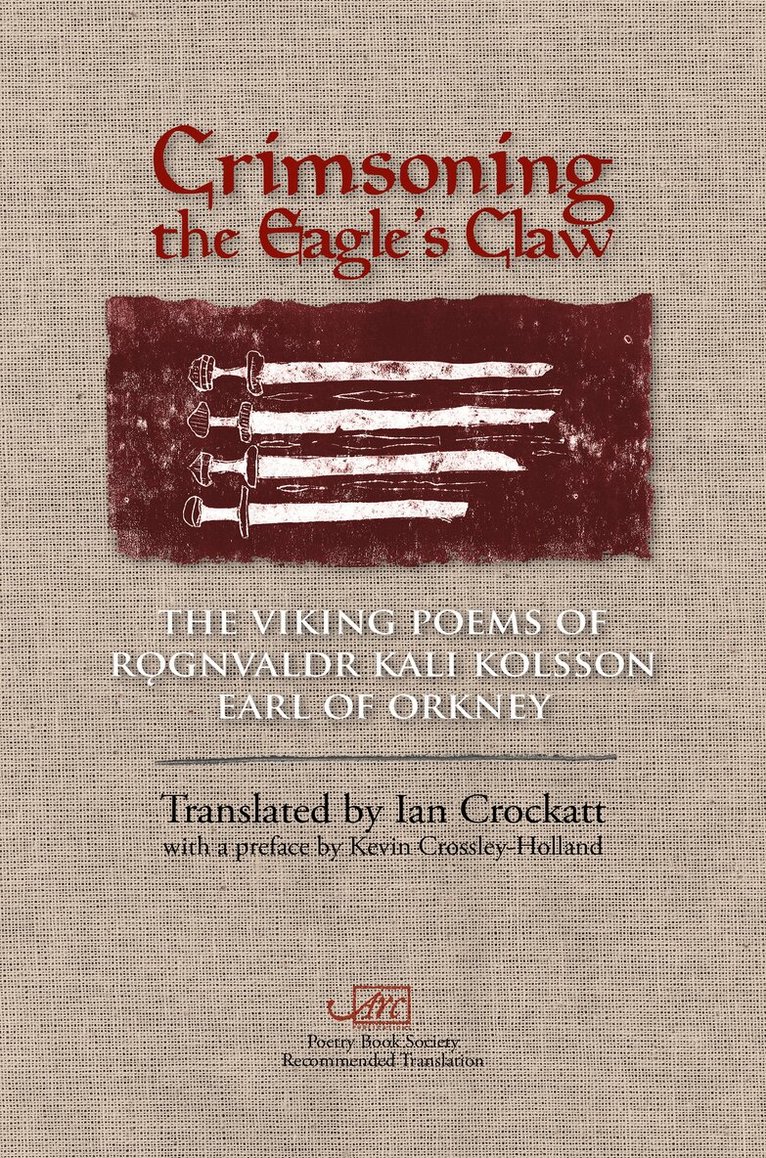
A genuinely unique European treasure, this volume bristles with all 33 of Rognvaldr's verses from the Orkneyinga Saga. While full of highly stylised, often grotesque images, the poems convey the skill, vigour and daring of the original.Rich narratives and old Norse mythology blend with familiar place-names and landscapes to create a peculiarly alluring, sometime comic, world that never quite settles around the reader, as if time travel is possible from a favourite armchair.
142 kr
Skickas inom 5-8 vardagar
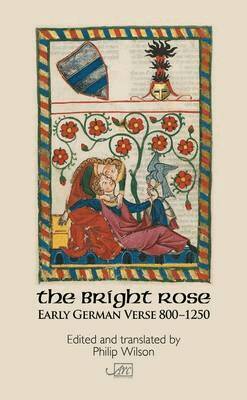
Never published in verse form before, these translations of some of the earliest known German poetry give us a rich glimpse of a life that, while alien in so many ways, was not so different after all. The Minnesang poets, for example, engage in a highly professional ritual, but compose in cognitive metaphors that still ring true: love is a trap; love is a game; love is war. A beautiful, lyrical journey through the passions and fears of pre-Medieval German life, told by some of its finest poetic voices.
143 kr
Skickas
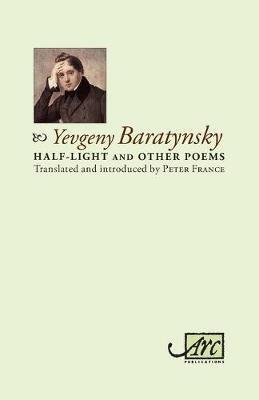
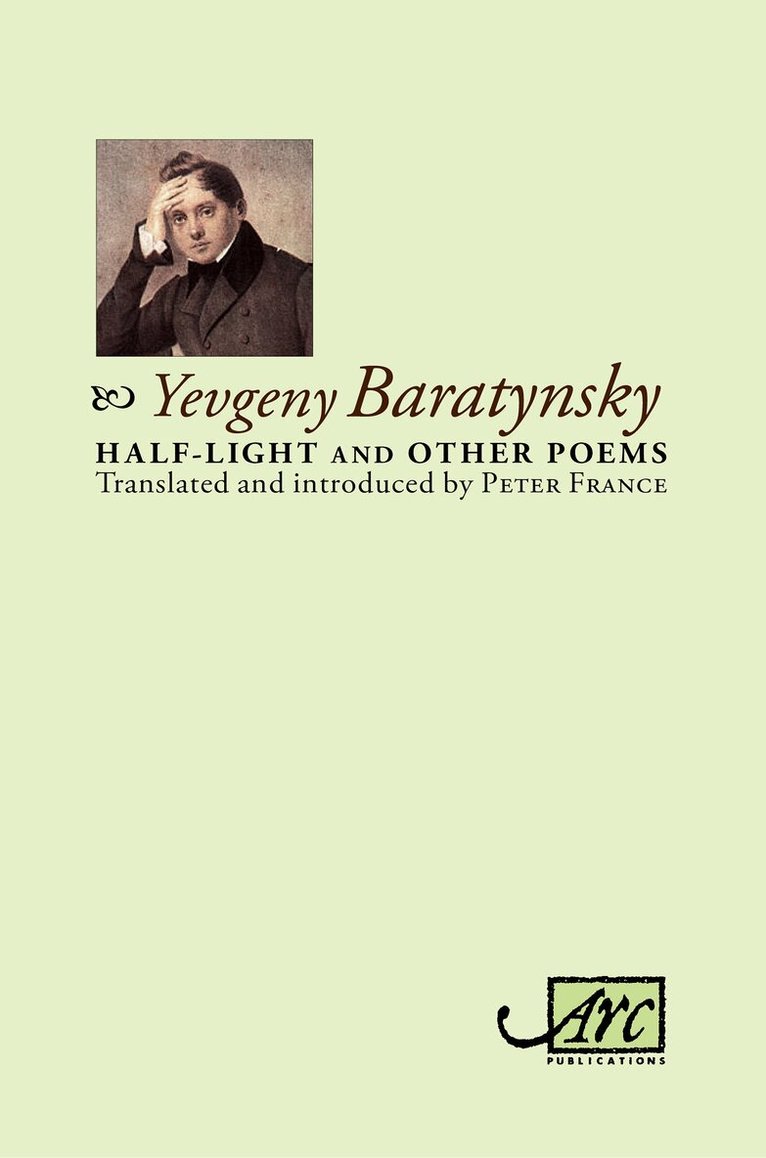
Half-Light & Other Poems brings together the most important and enduring poems by this neglected writer, one of Russia's great 19th century poets. In a new translation by Peter France, the philosophical, social and iterary struggles of Russia under Tsar Nicholas I are brought to vivid life in the verses of a man who felt profoundly and was highly skilled at expressing his emotions and beliefs in dazzling, often fantastical fashion.
182 kr
Skickas inom 11-20 vardagar
Half-Light & Other Poems brings together the most important and enduring poems by this neglected writer, one of Russia's great 19th century poets. In a new translation by Peter France, the philosophical, social and iterary struggles of Russia under Tsar Nicholas I are brought to vivid life in the verses of a man who felt profoundly and was highly skilled at expressing his emotions and beliefs in dazzling, often fantastical fashion.