Architectural History of the British Isles – serie
Visar alla böcker i serien Architectural History of the British Isles. Handla med fri frakt och snabb leverans.
9 produkter
9 produkter
374 kr
Skickas inom 5-8 vardagar
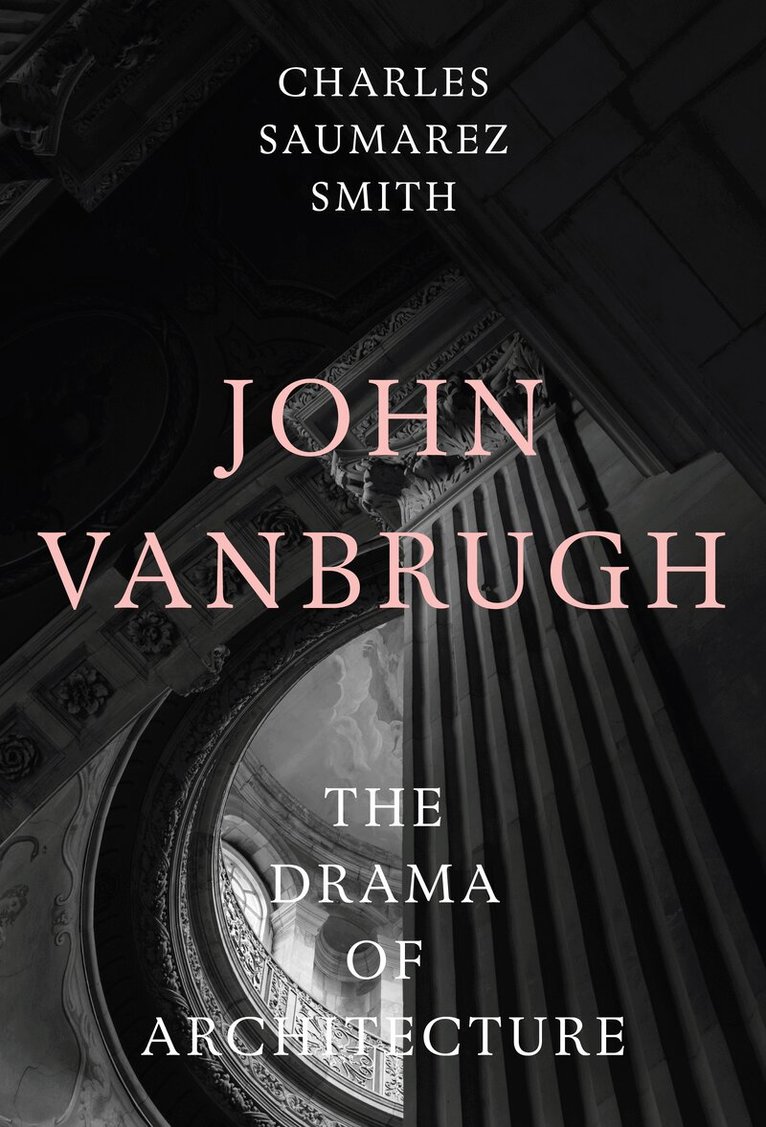
Sir John Vanbrugh was one of Britain’s greatest architects and the designer of some of the most important and best beloved English country houses, including Castle Howard and Blenheim Palace. This beautifully illustrated biography draws on close study of Vanbrugh's letters to bring to life his ideas, beliefs, friendships and buildings, as well as providing insight into his professional practice and working relationships. Vanbrugh was, by the standards of architects of the time, a worldly figure, friend and ally of the great, with a strong sense of the imaginative characteristics of architecture, its power of evocation, and the emotional impact of a building’s massing, particularly when compared to the more disciplined and scholarly work of his contemporaries Sir Christopher Wren and Nicholas Hawksmoor.Charles Saumarez Smith paints a fascinating portrait of a man whose architecture was shaped by his personality. The book also explores Vanbrugh's activities as a playwright and theatre manager, his circle of friends, his place in 18th-century society, and, in a final section, his influence on later architects from Robert Adam to Robert Venturi and Denise Scott Brown.
673 kr
Skickas inom 5-8 vardagar
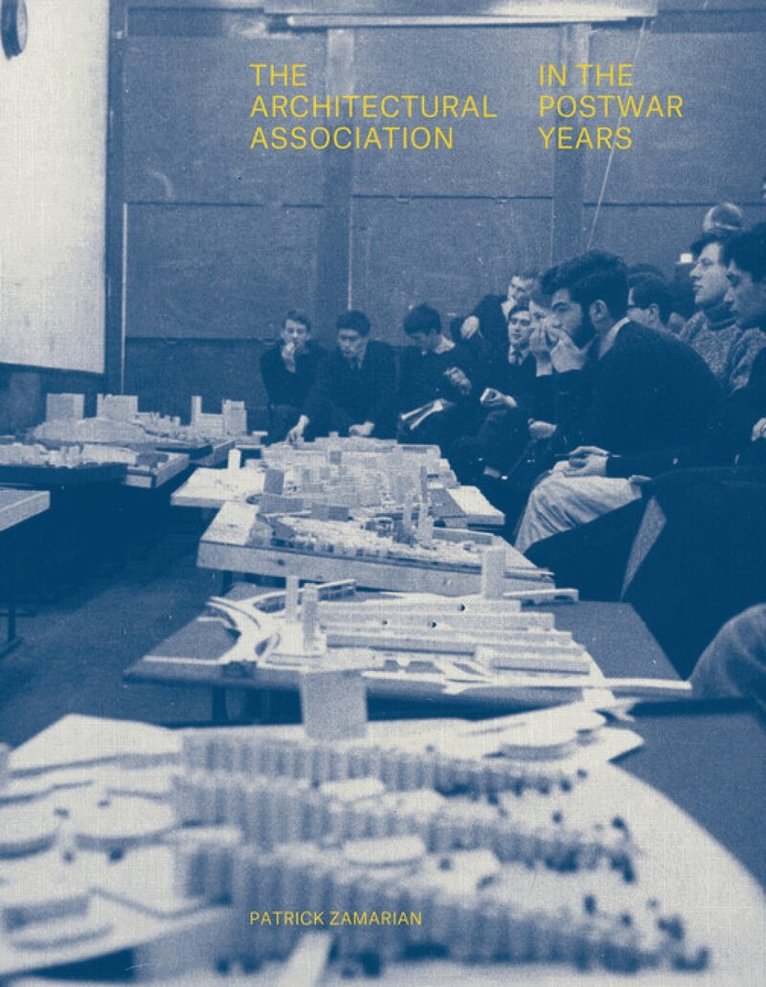
In the period following the Second World War, the Architectural Association (AA) became the only British school of architecture of truly global renown. It was one of only two schools in the world which fully embraced and promoted the pedagogical ideals put forward by CIAM (Congrès Internationaux d’Architecture Moderne) — the other being Walter Gropius’s Harvard Graduate School of Design — and emerged as an admired example for architectural education in other countries. Many of the most famous British architects and critics of the past 60 years attended the AA, including Ahrends, Burton + Koralek, Alan Colquhoun and John Miller, Jeremy Dixon and Edward Jones, Frank Duffy, Eldred Evans, Kenneth Frampton, Bill Howell, John Killick, Robert Maguire, Cedric Price, Graeme Shankland and Oliver Cox, Quinlan Terry, John Voelcker, and almost a dozen recipients of the RIBA Gold Medal, viz. Neave Brown, Peter Cook, Edward Cullinan, Philip Dowson, Nicholas Grimshaw, Michael and Patricia Hopkins, Powell + Moya, Richard Rogers, and Joseph Rykvert.The book traces the history of the school from the end of the war until the mid-1960s, when it surrendered its position as the pacemaker in British architectural education in order to safeguard its institutional independence. Alvin Boyarsky, who became chairman in 1971, remodelled the AA as a postmodern, ‘internationalist’ school and detached it from its modernist, British origins. In keeping with this (and partly as a result of it), there has been no research into the AA’s postwar history, which remains dominated by myths and half-truths. The book replaces these myths with an in-depth account of what really happened.
554 kr
Skickas inom 5-8 vardagar
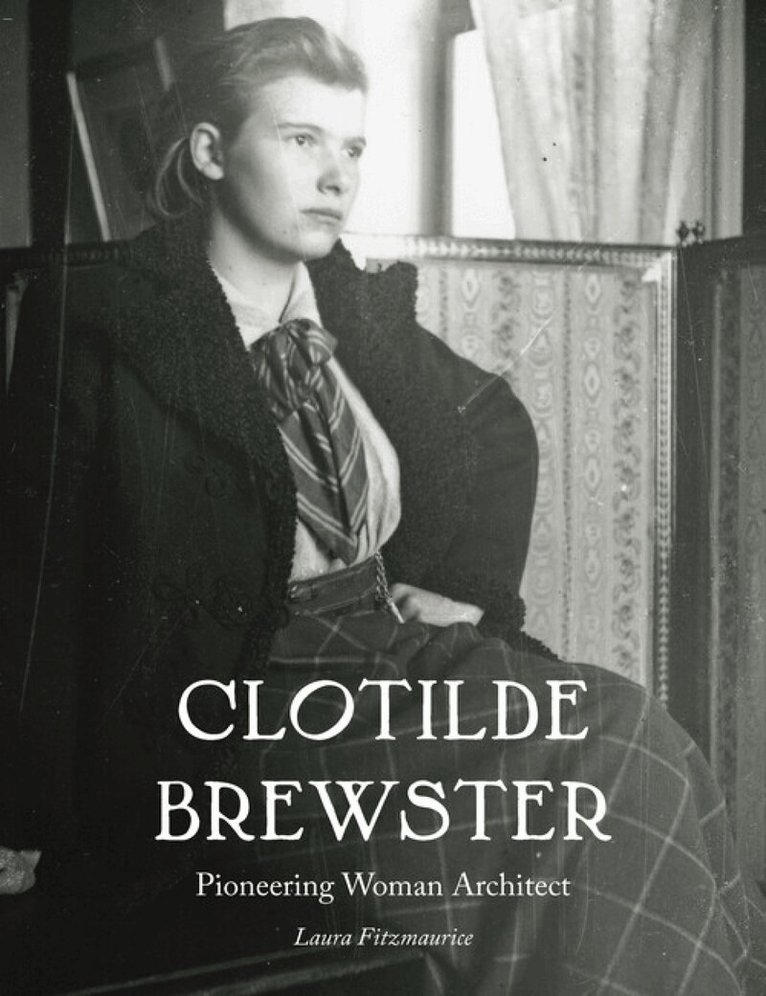
Described by composer Ethel Smyth as brilliant, sociable, amusing and utterly original, Clotilde Brewster defied all the odds by becoming the first woman to work internationally as an architect. She was part of a group of pioneering women in the late nineteenth century who broke down barriers in their chosen professions, including the Garretts: in fact, Agnes Garrett (interior decorator) and her sister Millicent Garrett-Fawcett (founder of Newnham College) guided and aided Clotilde at the start of her life and career in England.Clotilde ‘Cloto’ Brewster (1874–1937) was born in France to an expatriate American father and an aristocratic German mother. Multilingual and cosmopolitan in her ideas and actions, she spent most of her life in continental Europe before settling in Britain. Her early training was in Florence, Italy where she was mentored by architects Adolf Hildebrand and Emanuel La Roche. Aged 18, Clotilde was chosen to exhibit her work at the 1893 World’s Columbian Exhibition in Chicago and the following year, she apprenticed to the architect Reginald Blomfield in London before completing her studies at the Royal Academy of Arts. Undaunted by the difficulties she might face as a woman in a man’s profession, she relished the challenge of competing with her male peers. In 1899 she gave a speech at the International Congress of Women on the subject of architecture as a profession for women.Not content to accept the role of designer of homely interiors, Clotilde successfully pursued larger and more complex commissions. In 1901, at the age of 27, she designed what is perhaps her greatest project, the Renaissance revival-style Palazzo Soderini overlooking Piazza del Popolo in Rome. Her buildings can be found in England, France, Germany, Italy and Russia. Her commissions, built and unbuilt, include projects of urban palaces, castles, houses, fountains, mausoleums, chapels, additions and renovations. This book is the first to catalogue her work, which includes over 80 projects, and it features the previously unpublished letters she wrote throughout her life to her father and brother, which reflect her exuberant personality and keen sense of humour. It examines how her early years in Italy so crucially influenced her choice of career and follows her fascinating journey through architecture and the high-society world of her clients.
554 kr
Skickas inom 5-8 vardagar
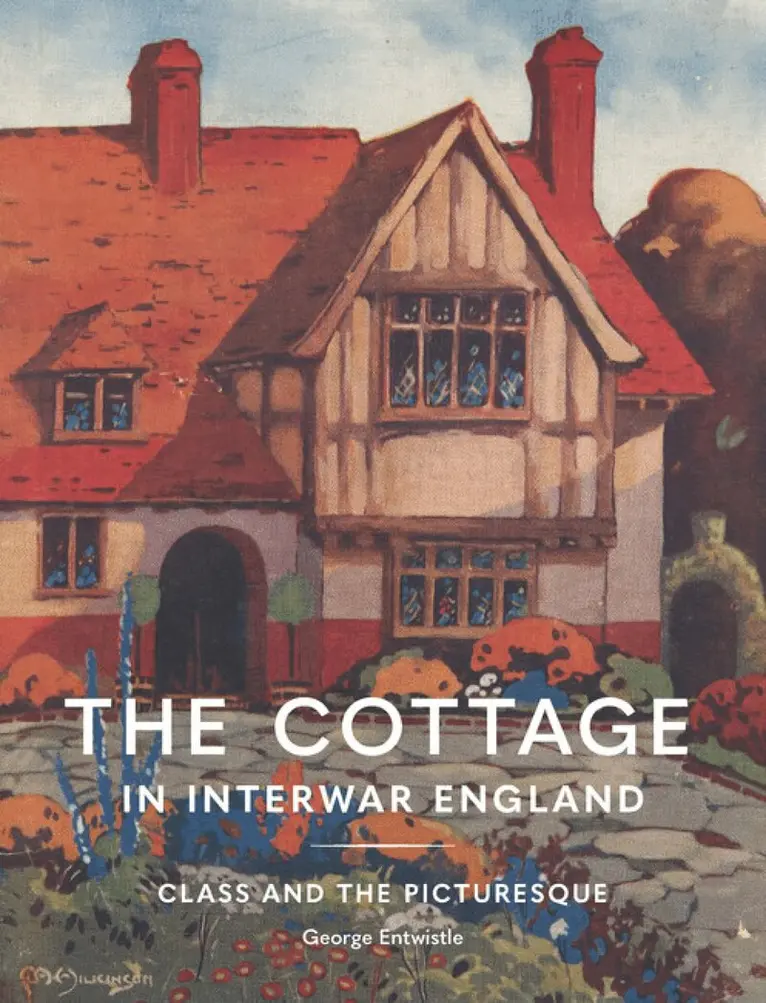
The 20 years between First and Second World Wars were a time of dramatic development for English people and their homes. By the end of the 1930s, one family in three was living in an interwar house. But one thing that did not change was the sentimental affection of the English for the idea of the cottage picturesque – a problematic continuity, with class and cultural dimensions, that inflected English domestic architecture long after the theorisation of the Picturesque in the 1790s.This book explores the powerful hold on the national imagination of cottage architecture in the interwar period and its hitherto under-examined influence on the politics and aesthetics of class, council housing, conservation, and on the 1920s and 1930s boom in speculative house-building. The book examines the relationships between working-class council houses specifically steered away from looking like the cottage picturesque; traditional cottages appropriated by middle-class weekenders, adopted by conservationists, and mythologised by politicians in the 1920s; new-build speculative housing that the public bought (in the 1920s and 1930s) and architects deprecated because it was designed to evoke the cottage; and early modernist houses, celebrated by architects but treated with suspicion by the public because their aesthetics were at odds with the Picturesque tradition.
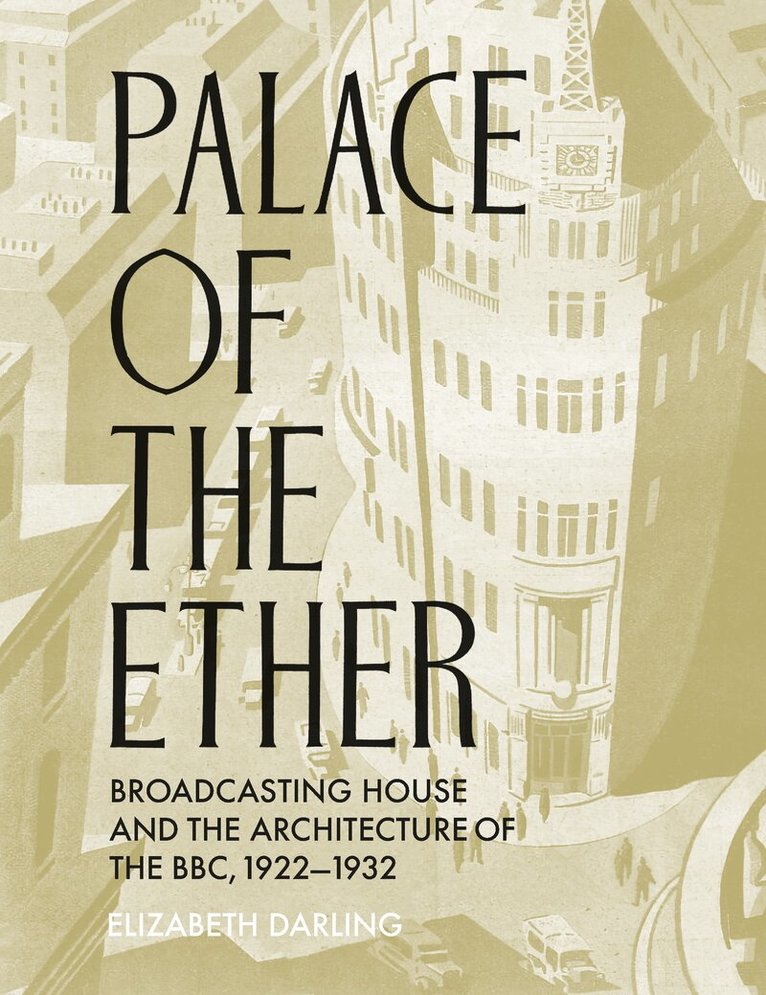
Palace of the Ether
Broadcasting House and the Architecture of the BBC, 1922-32
Inbunden, Engelska, 2026
591 kr
Kommande
This book is about the architecture and design of broadcasting in the 1920s and 1930s, examining the buildings which the BBC occupied in its founding decades, with a particular focus on Broadcasting House in London. It argues that these environments were as constitutive of the Corporation’s identity as the programmes and people that they housed. Borrowing from the architectural writer Christopher Hussey’s characterisation of Broadcasting House as a ‘palace of the ether’ Elizabeth Darling asks how the immaterial medium of the broadcast was given material and spatial form by the BBC, and the engineers, architects and designers whom they commissioned.The book traces the development of the BBC both technologically and organisationally, and the changing demands it had of the spaces which accommodated it. It shows how associational networks and personal affiliations affected who was commissioned to work on what became Broadcasting House and offers a detailed account of the work of Val Myer, who designed the exterior and shell of the new building, and the team of architects who designed the studio interiors (Serge Chermayeff, Wells Coates, Edward Maufe, Raymond McGrath and Dorothy Warren). In documenting the design of Broadcasting House, and the responses to it, Palace of the Ether offers new insights into British architectural culture at a pivotal moment in the profession’s history.
461 kr
Kommande
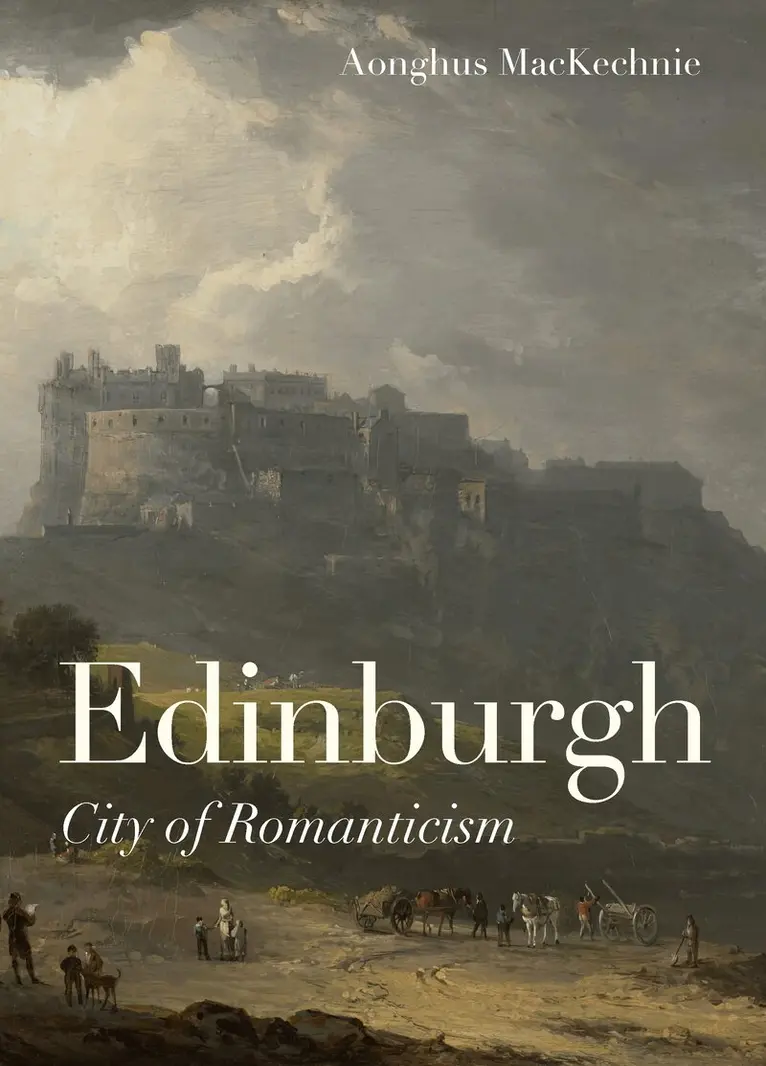
Romanticism made Scotland famous. It critically shaped the course of Scottish culture, while impacting on cultures elsewhere and inaugurating the country’s still-flourishing and lucrative tourist industry. This book is about Edinburgh’s most emblematic architecture over the long 19th century: the castellated and stone built cityscape of national revivalist architecture. It reveals why Scotland had by the 1820s become one of Europe’s great centres of Romanticism, due both to the majestic Highlands, and to Edinburgh itself as city of Romanticism. Additionally, Edinburgh developed as the main centre and hub for travellers drawn to Romantic Scotland through the work of James ‘Ossian’ Macpherson and Sir Walter Scott: visitors including Schinkel, Mozart, Verne, Turner, Haydn, amongst innumerable others.The book also provides a long-overdue counterbalance to the contrastingly much-examined and much-published topic of Enlightenment Edinburgh, showing how this and Romantic Edinburgh have comfortably co-existed. It examines how Edinburgh’s Romanticism was similarly driven by intellectuals, amongst whom were Enlightenment figures and artistically talented individuals, and it discusses the legacy of those who contributed to the Romantic cityscape of today; an architecture that provides much of the character of the UNESCO-designated World Heritage Site and of the city that countless tourists come daily to see.
655 kr
Kommande
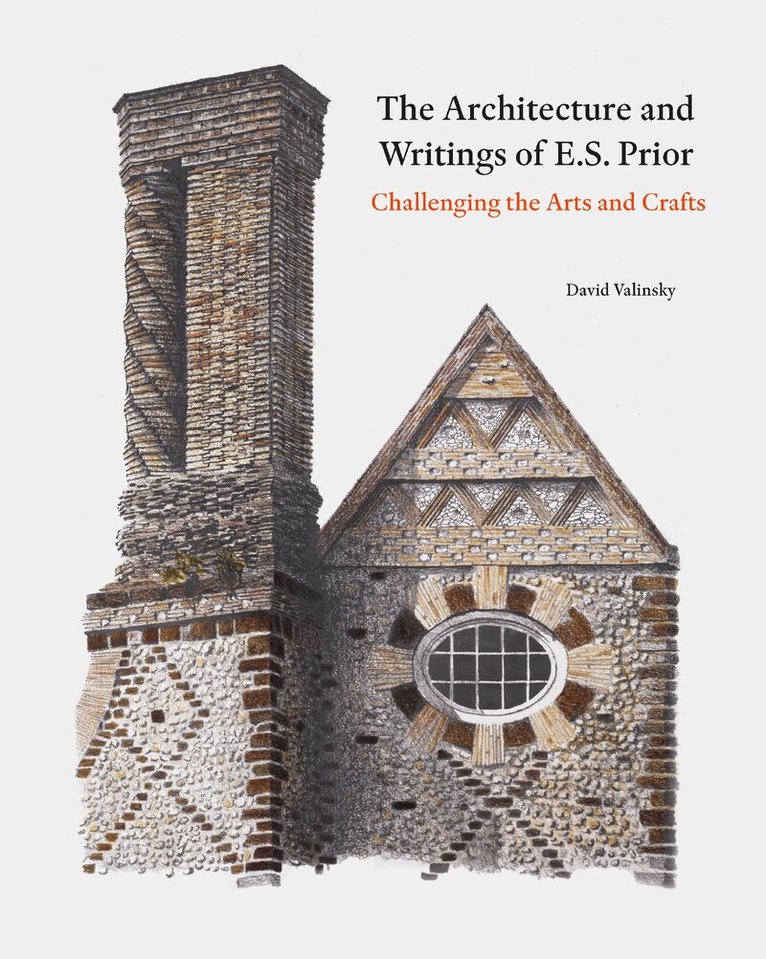
Edward Schröder Prior (1852-1932) is not easily labelled. His reputation as an Arts and Crafts architect is well-earned but his output is much broader and more complex, offering a fascinating window into the debates surrounding English architectural and design culture around the turn of the 20th century. This book brings together the various strands of his work to present a far more complex, holistic understanding of his particularly rich and insightful thinking and his creative approaches.A contemporary and close friend of C.F.A. Voysey and W.R. Lethaby, as well as C.R. Ashbee and Ernest Gimson, Prior was perhaps most famous in his lifetime for his writings, including his books and articles on English medieval art, and as Slade Professor of Art at Cambridge University, where he set up the first architecture course. In subsequent decades, his writings have been upstaged by his original, innovative and varied architecture, with his best-known building, St Andrew’s, Roker (Sunderland), dubbed the ’cathedral’ of the Arts and Crafts movement.When taken together, Prior’s writings and architecture demonstrate the complexities and contradictions inherent in his work, as well as contemporary and visual cultures. The topics which were at the heart of his work – the conflicts between architecture as a creative process, a profession and a business; the translation of design intentions through a project; the challenge of representing architecture to clients and the public; the position and treatment of architecture students in practices; the nature of work in ‘historic’ buildings – make fascinating reading for anyone with an interest in architectural and visual culture, then and now.
374 kr
Skickas inom 5-8 vardagar
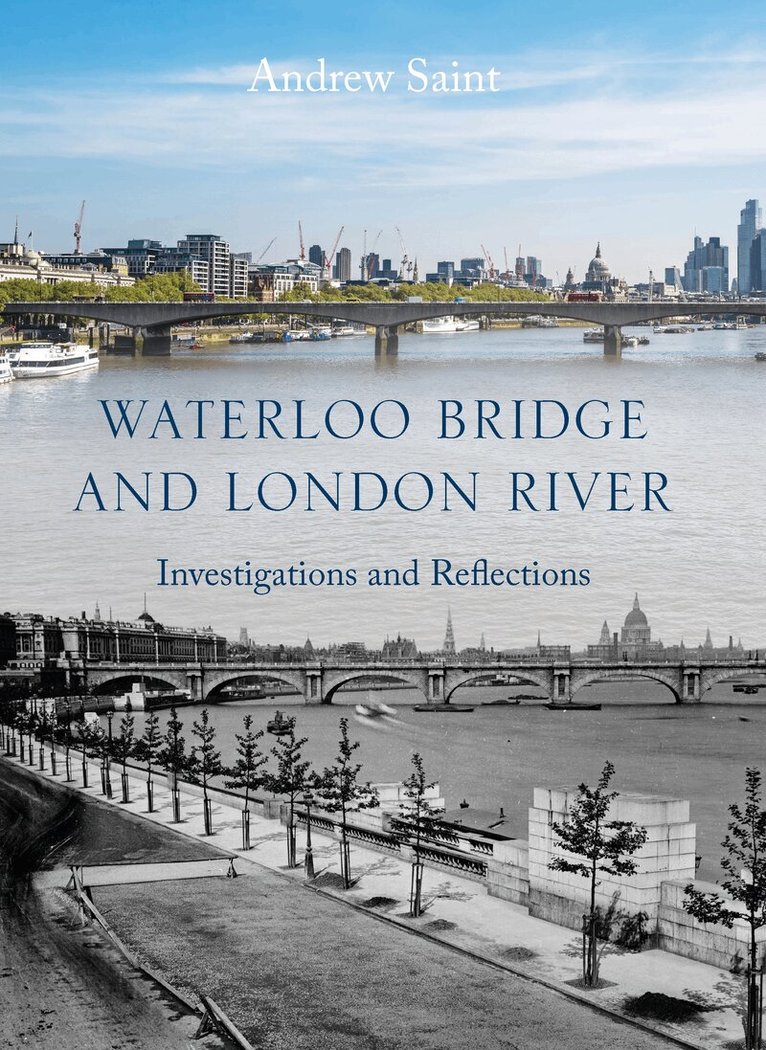
As a subject, Waterloo Bridge fascinated writers and artists such as Dickens, Constable, Monet and Derain. This book tells the story of a bridge’s place in the city – its history in use, its inextricable connection with the great river which it crosses, and the character and activities of the two shores which it joins together. While focusing on Waterloo Bridge, the book also explores the evolution of the surrounding districts and the character of the Thames as it flows through Central London: tidal, wide, difficult to navigate and bridge, and intensely busy during its heyday. It sets Waterloo Bridge alongside the other London river bridges, revealing the complex politics and economics of bridge building.Full of fabulous characters and stories, the book takes us from the geology and ancient history to the history of the docks and on to the great bridge built in the 18th and 19th centuries. It reveals the complex politics and economics behind these bridges, who designed them and how they were constructed. The book explores how the surrounding districts evolved, the creation of the Thames embankments, and Waterloo bridge’s notoriety as a site for suicides – a subject that fascinated Dickens, Watts and Millais. It also reveals why it became a focus for artists such as Constable, Monet and Derain. It concludes with a poetic and honest description of the contemporary city.
655 kr
Kommande
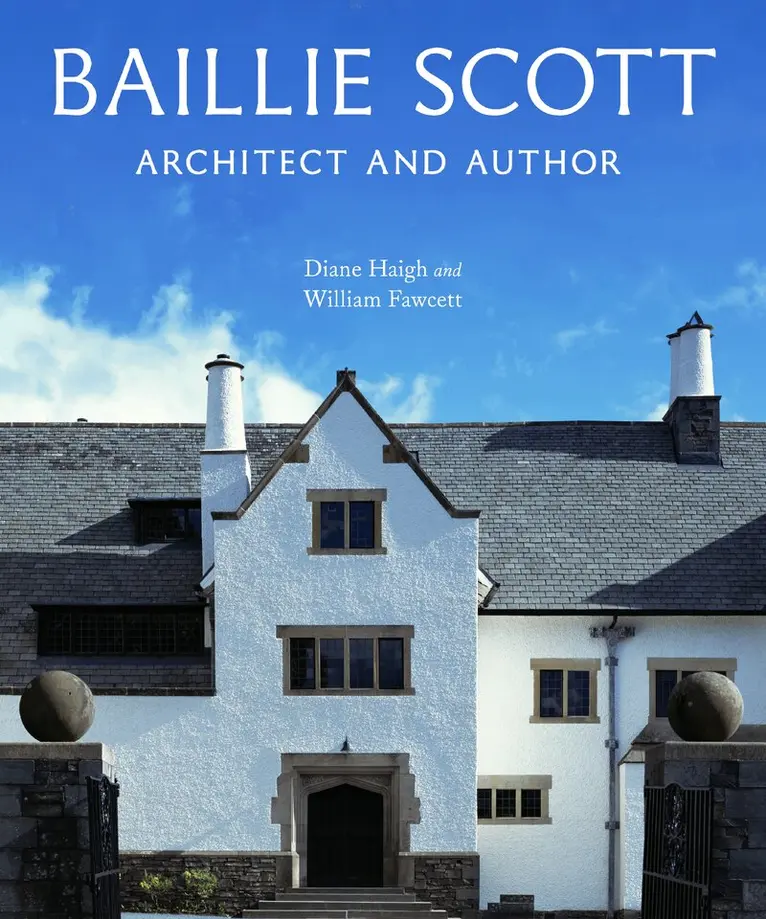
Mackay Hugh Baillie Scott (1865-1945) was a leading and influential architect and designer of the Arts and Crafts movement in Britain, who adhered to the philosophy that good design should be made available to everyone. Based on Diane Haigh’s much praised and successful Baillie Scott: the Artistic House, which featured a charming and vivid portrait of the architect in the context of his time and his contemporaries by John Betjeman, this book is not only updated with new information, but it is now illustrated with full colour photography and architectural drawings. While Baillie Scott was mainly an architect of country houses and gardens, he also explored the grouping of houses and contributed to Hampstead Garden Suburb, as well as designing distinctive furniture and a great diversity of decorative details, including joinery, stained glass and embroidery. He was innovative in his spatial planning and was one of the first architects to develop open-plan living arrangements, in common with his American contemporary Frank Lloyd Wright (1867-1959). These aspects of his work are covered in a clear, engaging and insightful way. The book also includes a large new section on Baillie Scott’s own writings, including extracts from his highly influential book Houses and Gardens (1906). Other extracts discuss the influence of William Morris, Baillie Scott’s views on Modernism, asides on designing for servants and heights of windowsills, as well as two sets of correspondence – the first with the German critic Hermann Muthesius, and the second with a client who built an English country house in Switzerland. Throughout, Baillie Scott writes with good sense, careful thought and humour, and these pieces are still extremely relevant. Each of the extracts include William Fawcett’s informative commentary.