Art After Nature - Böcker
Visar alla böcker i serien Art After Nature. Handla med fri frakt och snabb leverans.
14 produkter
14 produkter
291 kr
Skickas inom 7-10 vardagar
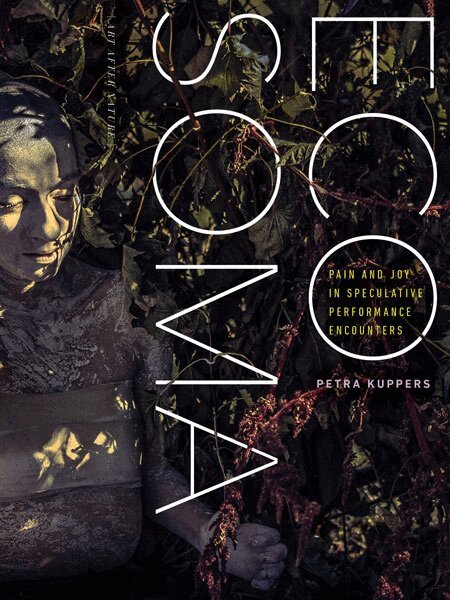
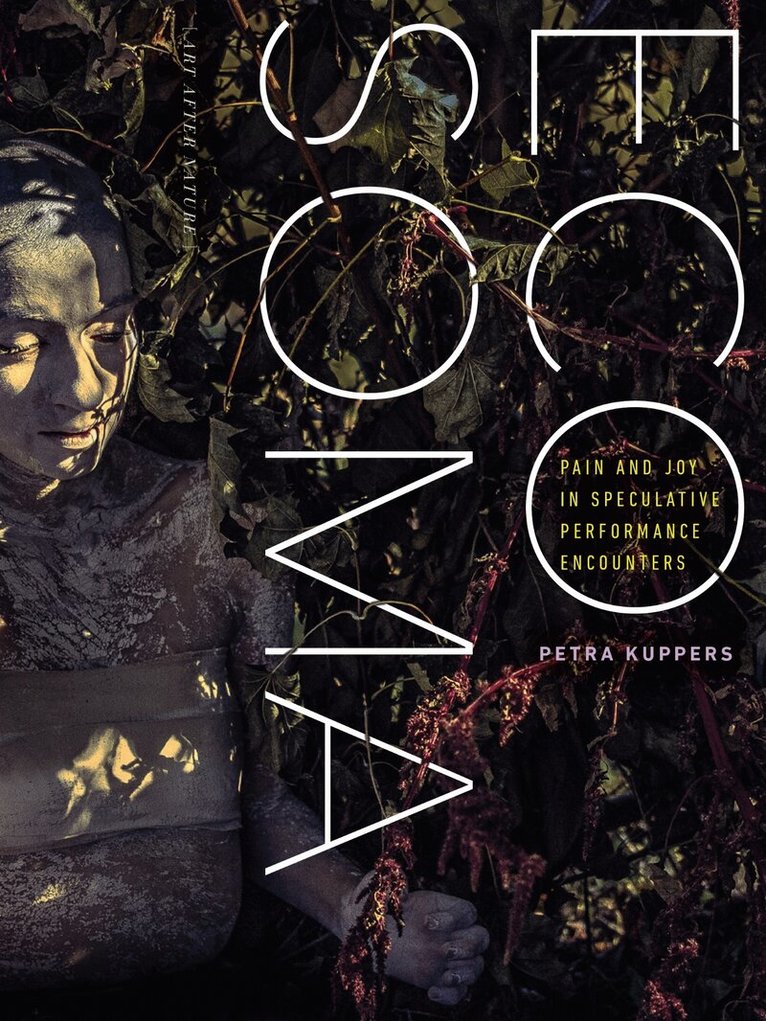
Modeling a disability culture perspective on performance practice toward socially just futuresIn Eco Soma, Petra Kuppers asks readers to be alert to their own embodied responses to art practice and to pay attention to themselves as active participants in a shared sociocultural world. Reading contemporary performance encounters and artful engagements, this book models a disability culture sensitivity to living in a shared world, oriented toward more socially just futures.Eco soma methods mix and merge realities on the edges of lived experience and site-specific performance. Kuppers invites us to become moths, sprout gills, listen to our heart’s drum, and take starships into crip time. And fantasy is central to these engagements: feeling/sensing monsters, catastrophes, golden lines, heartbeats, injured sharks, dotted salamanders, kissing mammoths, and more. Kuppers illuminates ecopoetic disability culture perspectives, contending that disabled people and their co-conspirators make art to live in a changing world, in contact with feminist, queer, trans, racialized, and Indigenous art projects. By offering new ways to think, frame, and feel “environments,” Kuppers focuses on art-based methods of envisioning change and argues that disability can offer imaginative ways toward living well and with agency in change, unrest, and challenge.Traditional somatics teach us how to fine-tune our introspective senses and to open up the world of our own bodies, while eco soma methods extend that attention toward the creative possibilities of the reach between self, others, and the land. Eco Soma proposes an art/life method of sensory tuning to the inside and the outside simultaneously, a method that allows for a wider opening toward ethical cohabitation with human and more-than-human others.
1 057 kr
Skickas inom 7-10 vardagar
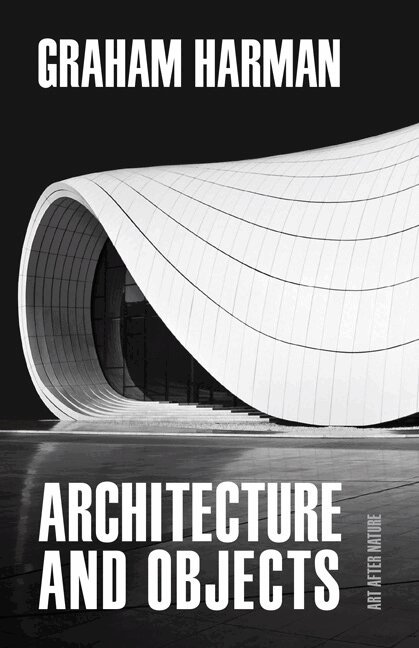
Thinking through object-oriented ontology-and the work of architects such as Rem Koolhaas and Zaha Hadid-to explore new concepts of the relationship between form and functionObject-oriented ontology has become increasingly popular among architectural theorists and practitioners in recent years. Architecture and Objects, the first book on architecture by the founder of object-oriented ontology (OOO), deepens the exchange between architecture and philosophy, providing a new roadmap to OOO’s influence on the language and practice of contemporary architecture and offering new conceptions of the relationship between form and function. Graham Harman opens with a critique of Heidegger, Derrida, and Deleuze, the three philosophers whose ideas have left the deepest imprint on the field, highlighting the limits of their thinking for architecture. Instead, Harman contends, architecture can employ OOO to reconsider traditional notions of form and function that emphasize their relational characteristics-form with a building’s visual style, function with its stated purpose-and constrain architecture’s possibilities through literalism. Harman challenges these understandings by proposing de-relationalized versions of both (zero-form and zero-function) that together provide a convincing rejoinder to Immanuel Kant’s dismissal of architecture as “impure.”Through critical engagement with the writings of Peter Eisenman and fresh assessments of buildings by Rem Koolhaas, Frank Gehry, and Zaha Hadid, Architecture and Objects forwards a bold vision of architecture. Overcoming the difficult task of “zeroing” function, Harman concludes, would place architecture at the forefront of a necessary revitalization of exhausted aesthetic paradigms.
278 kr
Skickas
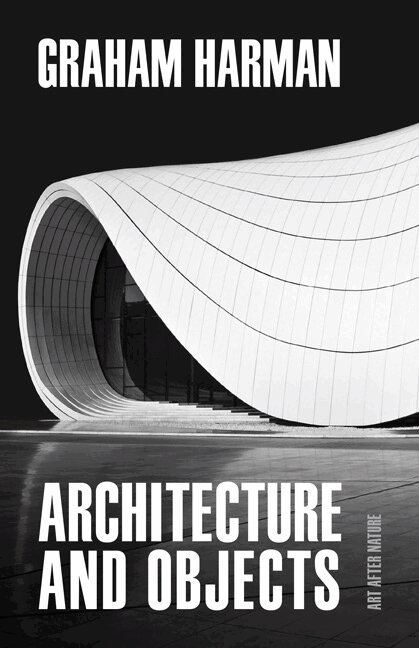
Thinking through object-oriented ontology-and the work of architects such as Rem Koolhaas and Zaha Hadid-to explore new concepts of the relationship between form and functionObject-oriented ontology has become increasingly popular among architectural theorists and practitioners in recent years. Architecture and Objects, the first book on architecture by the founder of object-oriented ontology (OOO), deepens the exchange between architecture and philosophy, providing a new roadmap to OOO’s influence on the language and practice of contemporary architecture and offering new conceptions of the relationship between form and function. Graham Harman opens with a critique of Heidegger, Derrida, and Deleuze, the three philosophers whose ideas have left the deepest imprint on the field, highlighting the limits of their thinking for architecture. Instead, Harman contends, architecture can employ OOO to reconsider traditional notions of form and function that emphasize their relational characteristics-form with a building’s visual style, function with its stated purpose-and constrain architecture’s possibilities through literalism. Harman challenges these understandings by proposing de-relationalized versions of both (zero-form and zero-function) that together provide a convincing rejoinder to Immanuel Kant’s dismissal of architecture as “impure.”Through critical engagement with the writings of Peter Eisenman and fresh assessments of buildings by Rem Koolhaas, Frank Gehry, and Zaha Hadid, Architecture and Objects forwards a bold vision of architecture. Overcoming the difficult task of “zeroing” function, Harman concludes, would place architecture at the forefront of a necessary revitalization of exhausted aesthetic paradigms.
1 088 kr
Skickas inom 7-10 vardagar
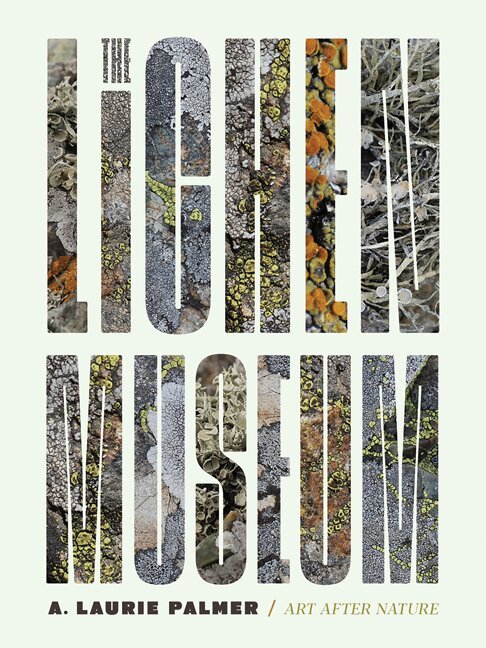
A radical proposal for how a tiny organism can transform our understanding of human relations Serving as both a guide and companion publication to the conceptual art project of the same name, The Lichen Museum explores how the physiological characteristics of lichens provide a valuable template for reimagining human relations in an age of ecological and social precarity. Channeling between the personal, the scientific, the philosophical, and the poetic, A. Laurie Palmer employs a cross-disciplinary framework that artfully mirrors the collective relations of lichens, imploring us to envision alternative ways of living based on interdependence rather than individualism and competition.Lichens are composite organisms made up of a fungus and an alga or cyanobacteria thriving in a mutually beneficial relationship. The Lichen Museum looks to these complex organisms, remarkable for their symbiosis, diversity, longevity, and adaptability, as models for relations rooted in collaboration and nonhierarchical structures. In their resistance to fast-paced growth and commodification, lichens also offer possibilities for humans to reconfigure their relationship to time and attention outside of the accelerated pace of capitalist accumulation.Drawing together a diverse set of voices, including personal encounters with lichenologists and lichens themselves, Palmer both imagines and embodies a radical new approach to human interconnection. Using this tiny organism as an emblem through which to navigate environmental and social concerns, this work narrows the gap between the human and natural worlds, emphasizing the notion of mutual dependence as a necessary means of survival and prosperity.
264 kr
Skickas inom 7-10 vardagar
A radical proposal for how a tiny organism can transform our understanding of human relations Serving as both a guide and companion publication to the conceptual art project of the same name, The Lichen Museum explores how the physiological characteristics of lichens provide a valuable template for reimagining human relations in an age of ecological and social precarity. Channeling between the personal, the scientific, the philosophical, and the poetic, A. Laurie Palmer employs a cross-disciplinary framework that artfully mirrors the collective relations of lichens, imploring us to envision alternative ways of living based on interdependence rather than individualism and competition.Lichens are composite organisms made up of a fungus and an alga or cyanobacteria thriving in a mutually beneficial relationship. The Lichen Museum looks to these complex organisms, remarkable for their symbiosis, diversity, longevity, and adaptability, as models for relations rooted in collaboration and nonhierarchical structures. In their resistance to fast-paced growth and commodification, lichens also offer possibilities for humans to reconfigure their relationship to time and attention outside of the accelerated pace of capitalist accumulation.Drawing together a diverse set of voices, including personal encounters with lichenologists and lichens themselves, Palmer both imagines and embodies a radical new approach to human interconnection. Using this tiny organism as an emblem through which to navigate environmental and social concerns, this work narrows the gap between the human and natural worlds, emphasizing the notion of mutual dependence as a necessary means of survival and prosperity.
1 223 kr
Skickas inom 7-10 vardagar
Modeling a disability culture perspective on performance practice toward socially just futuresIn Eco Soma, Petra Kuppers asks readers to be alert to their own embodied responses to art practice and to pay attention to themselves as active participants in a shared sociocultural world. Reading contemporary performance encounters and artful engagements, this book models a disability culture sensitivity to living in a shared world, oriented toward more socially just futures.Eco soma methods mix and merge realities on the edges of lived experience and site-specific performance. Kuppers invites us to become moths, sprout gills, listen to our heart’s drum, and take starships into crip time. And fantasy is central to these engagements: feeling/sensing monsters, catastrophes, golden lines, heartbeats, injured sharks, dotted salamanders, kissing mammoths, and more. Kuppers illuminates ecopoetic disability culture perspectives, contending that disabled people and their co-conspirators make art to live in a changing world, in contact with feminist, queer, trans, racialized, and Indigenous art projects. By offering new ways to think, frame, and feel “environments,” Kuppers focuses on art-based methods of envisioning change and argues that disability can offer imaginative ways toward living well and with agency in change, unrest, and challenge.Traditional somatics teach us how to fine-tune our introspective senses and to open up the world of our own bodies, while eco soma methods extend that attention toward the creative possibilities of the reach between self, others, and the land. Eco Soma proposes an art/life method of sensory tuning to the inside and the outside simultaneously, a method that allows for a wider opening toward ethical cohabitation with human and more-than-human others.
1 188 kr
Skickas inom 7-10 vardagar
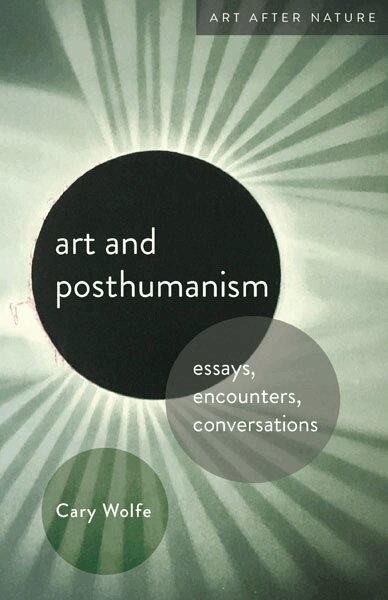
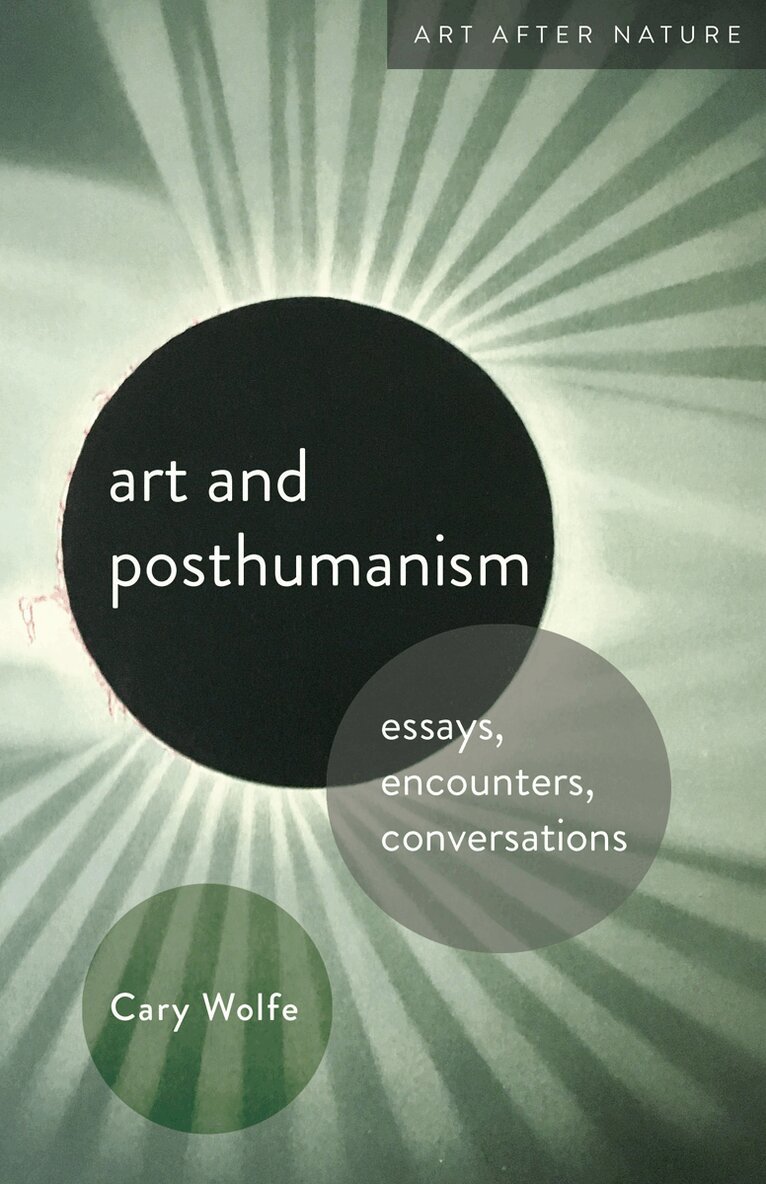
A sustained engagement between contemporary art and philosophy relating to our place in, and responsibility to, the nonhuman worldHow do contemporary art and theory contemplate the problem of the “bio” of biopolitics and bioart? How do they understand the question of “life” that binds human and nonhuman worlds in their shared travail? In Art and Posthumanism, Cary Wolfe argues for the reconceptualization of nature in art and theory to turn the idea of the relationship between the human and the planet upside down.Wolfe explores a wide range of contemporary artworks-from Sue Coe’s illustrations of animals in factory farms and Eduardo Kac’s bioart to the famous performance pieces of Joseph Bueys and the video installations of Eija-Liisa Ahtila, among others-examining how posthumanist theory can illuminate, and be illuminated by, artists’ engagement with the more-than-human world. Looking at biological and social systems, the question of the animal, and biopolitics, Art and Posthumanism explores how contemporary art rivets our attention on the empirically thick, emotionally charged questions of “life” and the “living” amid ecological catastrophe.One of the foremost theorists of posthumanism, Wolfe pushes that philosophy out of the realm of the purely theoretical to show how a posthumanist engagement with particular works and their conceptual underpinnings help to develop more potent ethical and political commitments.
359 kr
Skickas inom 10-15 vardagar
A sustained engagement between contemporary art and philosophy relating to our place in, and responsibility to, the nonhuman worldHow do contemporary art and theory contemplate the problem of the “bio” of biopolitics and bioart? How do they understand the question of “life” that binds human and nonhuman worlds in their shared travail? In Art and Posthumanism, Cary Wolfe argues for the reconceptualization of nature in art and theory to turn the idea of the relationship between the human and the planet upside down.Wolfe explores a wide range of contemporary artworks-from Sue Coe’s illustrations of animals in factory farms and Eduardo Kac’s bioart to the famous performance pieces of Joseph Bueys and the video installations of Eija-Liisa Ahtila, among others-examining how posthumanist theory can illuminate, and be illuminated by, artists’ engagement with the more-than-human world. Looking at biological and social systems, the question of the animal, and biopolitics, Art and Posthumanism explores how contemporary art rivets our attention on the empirically thick, emotionally charged questions of “life” and the “living” amid ecological catastrophe.One of the foremost theorists of posthumanism, Wolfe pushes that philosophy out of the realm of the purely theoretical to show how a posthumanist engagement with particular works and their conceptual underpinnings help to develop more potent ethical and political commitments.
1 178 kr
Skickas inom 10-15 vardagar
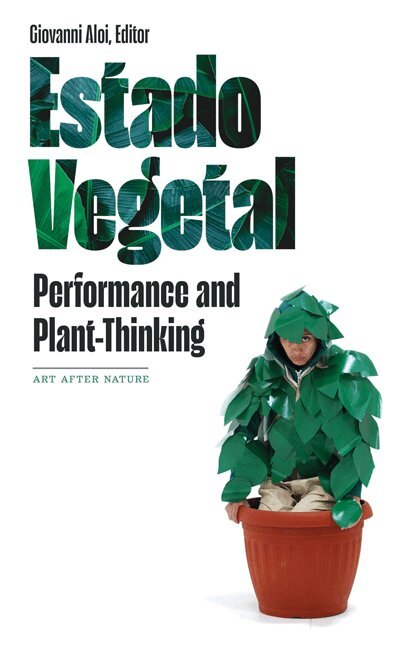
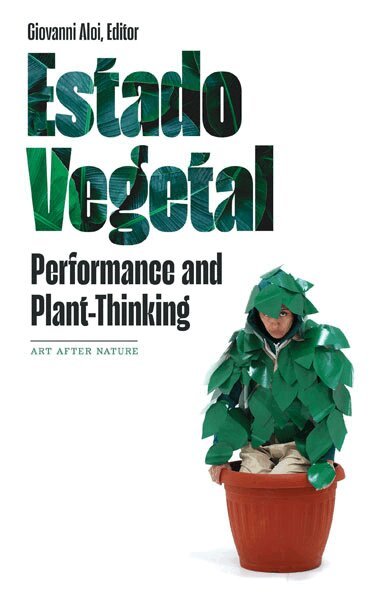
Interdisciplinary essays on Manuela Infante’s award-winning play explore the relationship between critical plant studies and performance art in the Anthropocene Since its first staging in 2016, Estado Vegetal, Manuela Infante’s riveting piece of experimental performance art, has expanded philosophical thinking into a fully-fledged artistic inquiry of nonanthropocentric being. Through Infante’s polyvocal monologue, acted with impetus by Marcela Salinas, plants are charged with an agency capable of uprooting culturally grounded conceptions of the world in the face of incommensurable trauma and loss. This first book dedicated to Infante’s plant-focused performance features eight essays by scholars, poets, and artists whose practices draw from research fields as disparate as new materialism, anthropogenic feminism, queer studies, and speculative realism. Including an interview with Infante, the full playscript, and stills from the performance, Estado Vegetal: Performance and Plant-Thinking reveals the roles that plants in art can play in productively reconfiguring human–nonhuman relations within current anthropogenic perspectives. Infante’s performance is a perfect case study and reference point for anyone interested in exploring the complexities of plant-thinking through alternative and experimental avenues. Furthermore, this book is at once a critical plant studies primer and an artistic problematization of the philosophical questions that have been central to the latest multidisciplinary discussions on plant-being. Contributors: Maaike Bleeker, Utrecht U; Lucy Cotter, Portland State U; Prudence Gibson, UNSW Sydney; Michael Marder, U of the Basque Country; Dawn Sanders, U of Gothenburg; Catriona Sandilands, York U; Sibila Sotomayor Van Rysseghem, colectivo LASTESIS; Mandy-Suzanne Wong.
282 kr
Skickas inom 7-10 vardagar
Interdisciplinary essays on Manuela Infante’s award-winning play explore the relationship between critical plant studies and performance art in the Anthropocene Since its first staging in 2016, Estado Vegetal, Manuela Infante’s riveting piece of experimental performance art, has expanded philosophical thinking into a fully-fledged artistic inquiry of nonanthropocentric being. Through Infante’s polyvocal monologue, acted with impetus by Marcela Salinas, plants are charged with an agency capable of uprooting culturally grounded conceptions of the world in the face of incommensurable trauma and loss. This first book dedicated to Infante’s plant-focused performance features eight essays by scholars, poets, and artists whose practices draw from research fields as disparate as new materialism, anthropogenic feminism, queer studies, and speculative realism. Including an interview with Infante, the full playscript, and stills from the performance, Estado Vegetal: Performance and Plant-Thinking reveals the roles that plants in art can play in productively reconfiguring human–nonhuman relations within current anthropogenic perspectives. Infante’s performance is a perfect case study and reference point for anyone interested in exploring the complexities of plant-thinking through alternative and experimental avenues. Furthermore, this book is at once a critical plant studies primer and an artistic problematization of the philosophical questions that have been central to the latest multidisciplinary discussions on plant-being. Contributors: Maaike Bleeker, Utrecht U; Lucy Cotter, Portland State U; Prudence Gibson, UNSW Sydney; Michael Marder, U of the Basque Country; Dawn Sanders, U of Gothenburg; Catriona Sandilands, York U; Sibila Sotomayor Van Rysseghem, colectivo LASTESIS; Mandy-Suzanne Wong.
1 096 kr
Skickas inom 7-10 vardagar
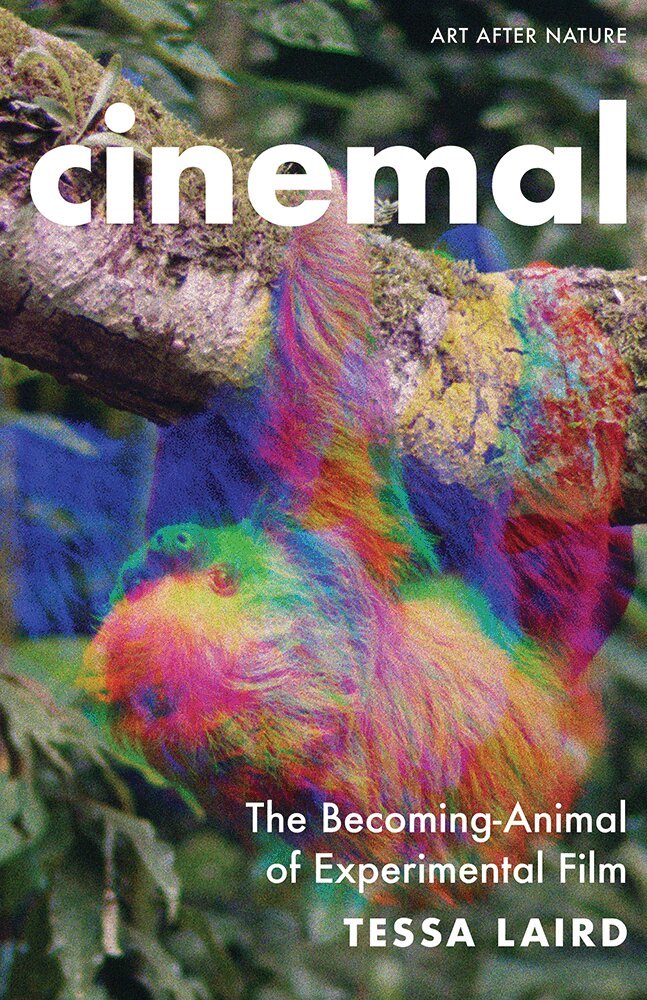
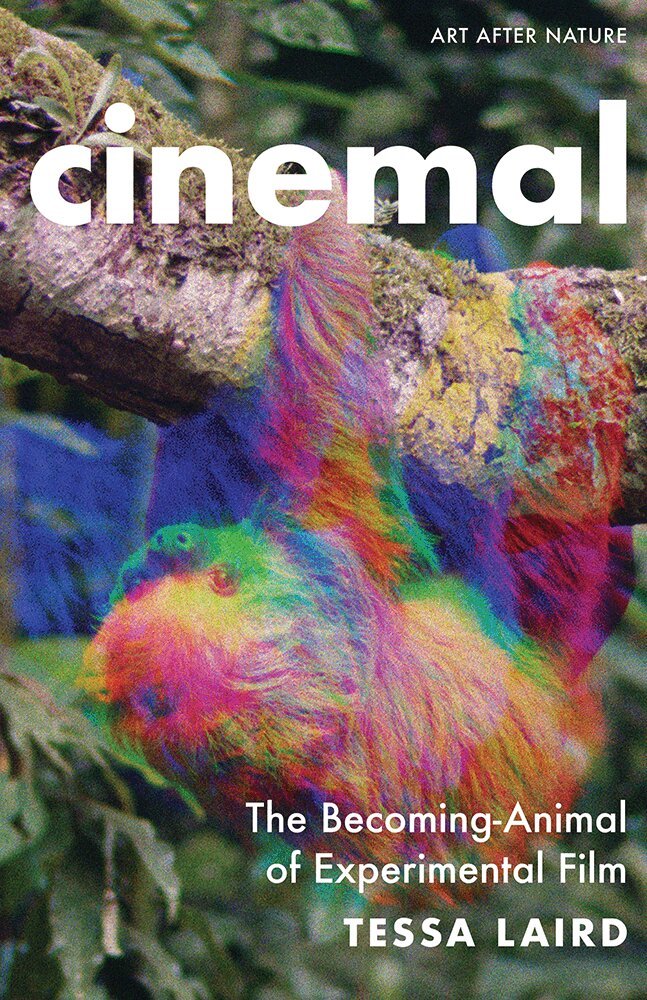
A foray through the wilds where experimental films and animals collide Like the flash of a tropical bird’s iridescent wing, cinema can be furtive and intensely beautiful-and it can leave a viewer craving more. Cinemal is Tessa Laird’s passionate inquiry into the ways that films mimic the majesty, mystery, and movements of animals,her field notes from countless hair-raising encounters with films in their natural habitat. Part of a growing focus on nonhuman animals in film, Cinemal ventures to the “furry underbelly” of global experimental film practice, focusing on films from New Zealand, Australia, and South America. Laird examines how animals are depicted in film and analyzes the various animal qualities of cinema, like scratching and sniffing, vibrant colors, and voices (barking, howling, or echolocation). Burrowing into the work of filmmakers such as Arthur and Corinne Cantrill, Sriwhana Spong, and Ana Vaz, Laird’s energetic prose embodies the films she discusses, seamlessly combining personal anecdotes with art theory and philosophy to spread a wide sensory buffet. Lively and optimistic, Laird uses cinematic animal tropes to encourage readers to rethink what it means to be human. She argues that, in a time of ecological collapse, such an impulse is a necessary means of imagining other, healthier ways of being in this world. Connecting us with the more-than-human, Cinemal lures us toward the beastly becomings of film and, ultimately, our own animal natures. Retail e-book files for this title are screen-reader friendly.
269 kr
Skickas inom 7-10 vardagar
A foray through the wilds where experimental films and animals collide Like the flash of a tropical bird’s iridescent wing, cinema can be furtive and intensely beautiful-and it can leave a viewer craving more. Cinemal is Tessa Laird’s passionate inquiry into the ways that films mimic the majesty, mystery, and movements of animals,her field notes from countless hair-raising encounters with films in their natural habitat. Part of a growing focus on nonhuman animals in film, Cinemal ventures to the “furry underbelly” of global experimental film practice, focusing on films from New Zealand, Australia, and South America. Laird examines how animals are depicted in film and analyzes the various animal qualities of cinema, like scratching and sniffing, vibrant colors, and voices (barking, howling, or echolocation). Burrowing into the work of filmmakers such as Arthur and Corinne Cantrill, Sriwhana Spong, and Ana Vaz, Laird’s energetic prose embodies the films she discusses, seamlessly combining personal anecdotes with art theory and philosophy to spread a wide sensory buffet. Lively and optimistic, Laird uses cinematic animal tropes to encourage readers to rethink what it means to be human. She argues that, in a time of ecological collapse, such an impulse is a necessary means of imagining other, healthier ways of being in this world. Connecting us with the more-than-human, Cinemal lures us toward the beastly becomings of film and, ultimately, our own animal natures. Retail e-book files for this title are screen-reader friendly.
1 072 kr
Skickas inom 10-15 vardagar
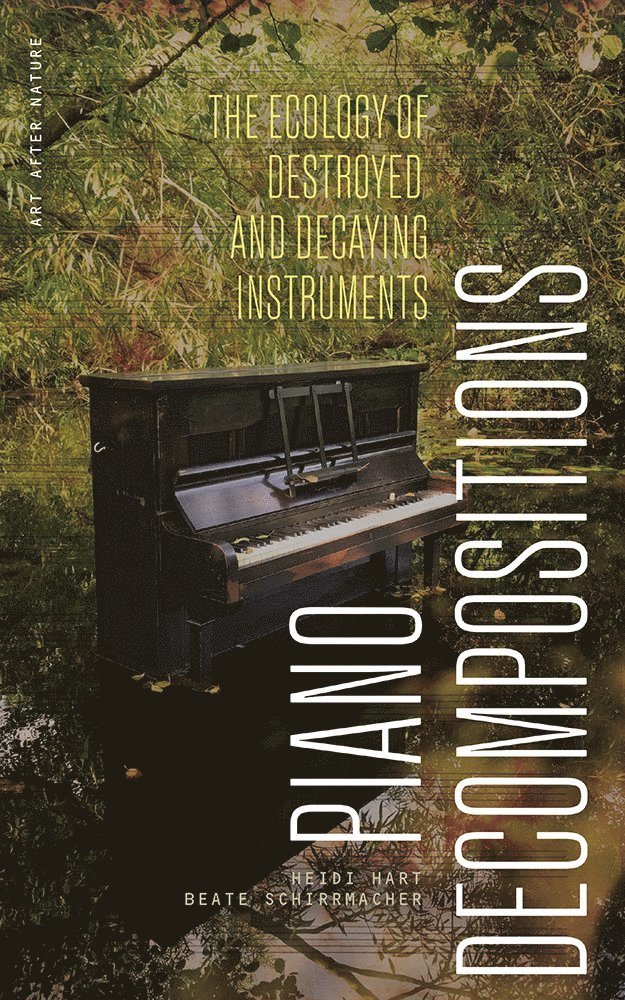
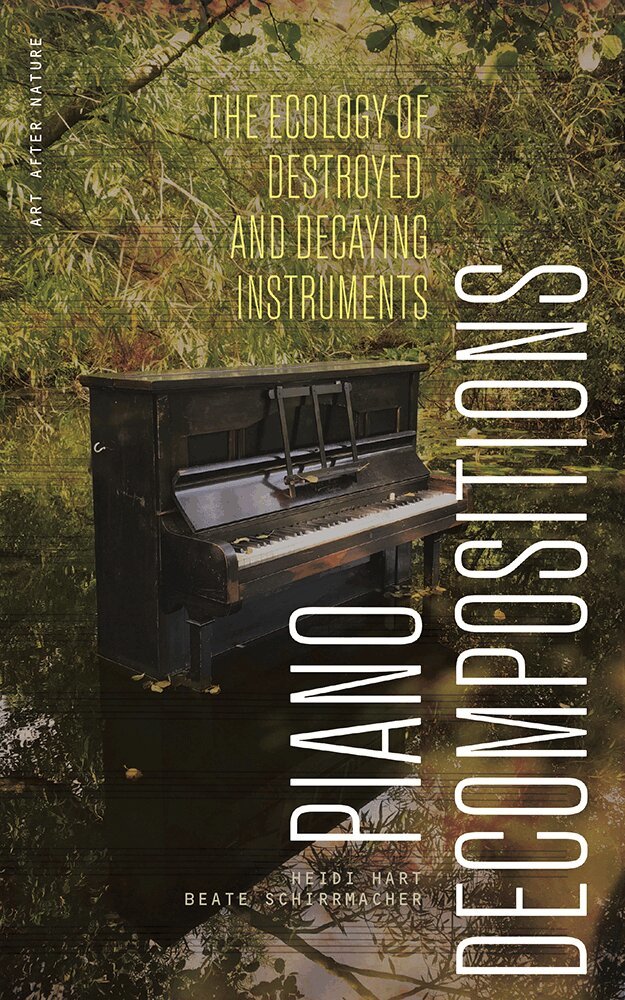
Examining musical instrument destruction through an ecological and intermedial lensMusical instruments are typically seen as objects both used and maintained with ritualistic care. But what happens when they’re tossed from homes in mudslides, burned during ecstatic parties, or waterlogged by pop stars in viral videos—and how do these elemental interactions transform the way we see and play instruments? Piano Decompositions asks what happens when we let go of controlling musical instruments. What kind of meanings start to sound when instruments are moved out of the protected cultural space and engage with their surrounding elements? Heidi Hart and Beate Schirrmacher trace the history of destroyed and decaying pianos, both sorting them within the realm of artistic violence against instruments and following their return journeys into water, sand, and soil. They parse the artistic vision of Annea Lockwood, whose iconic burning, drowning, and decaying Piano Transplants presented a novel means of drawing attention to the increasing threats of climate change in the 1960s and ’70s. Turning to instruments made from found materials and others played collaboratively with wind and water, they demonstrate how human sound making is entangled in the more-than-human world. Showing how the piano can transform conversations around the Anthropocene and environmental destruction, Hart and Schirrmacher find the instrument to be a potent creative and ecological force, a medium to connect with environments in an explorative, attentive way. Piano Decompositions unearths new ways to relate our concepts of curiosity, pleasure, and music to the natural world. Retail e-book files for this title are screen-reader friendly with images accompanied by short alt text and/or extended descriptions.
256 kr
Skickas inom 7-10 vardagar
Examining musical instrument destruction through an ecological and intermedial lensMusical instruments are typically seen as objects both used and maintained with ritualistic care. But what happens when they’re tossed from homes in mudslides, burned during ecstatic parties, or waterlogged by pop stars in viral videos—and how do these elemental interactions transform the way we see and play instruments? Piano Decompositions asks what happens when we let go of controlling musical instruments. What kind of meanings start to sound when instruments are moved out of the protected cultural space and engage with their surrounding elements? Heidi Hart and Beate Schirrmacher trace the history of destroyed and decaying pianos, both sorting them within the realm of artistic violence against instruments and following their return journeys into water, sand, and soil. They parse the artistic vision of Annea Lockwood, whose iconic burning, drowning, and decaying Piano Transplants presented a novel means of drawing attention to the increasing threats of climate change in the 1960s and ’70s. Turning to instruments made from found materials and others played collaboratively with wind and water, they demonstrate how human sound making is entangled in the more-than-human world. Showing how the piano can transform conversations around the Anthropocene and environmental destruction, Hart and Schirrmacher find the instrument to be a potent creative and ecological force, a medium to connect with environments in an explorative, attentive way. Piano Decompositions unearths new ways to relate our concepts of curiosity, pleasure, and music to the natural world. Retail e-book files for this title are screen-reader friendly with images accompanied by short alt text and/or extended descriptions.